
The Bible recognizes that our inner struggles can be deep and sometimes hard for others to grasp. Even King David, who wrote many of the Psalms, often felt misunderstood and alone in his thoughts. Yet, Scripture reminds us that God understands us completely, even when others cannot.
1. God knows us intimately, even when we feel alone:
“O Lord, you have searched me and known me! You know when I sit down and when I rise up; you discern my thoughts from afar.”
(Psalm 139:1-2, ESV)
2. God cares about our pain and invites us to bring our burdens to Him:
“Cast all your anxieties on him, because he cares for you.”
(1 Peter 5:7, ESV)
3. Even when others can’t understand, God sees the heart:
“For the Lord sees not as man sees: man looks on the outward appearance, but the Lord looks on the heart.”
(1 Samuel 16:7, ESV)
While it’s true that no human can fully understand another’s mind or pain, the Bible assures us that God’s understanding is perfect and His compassion is real. If you’re feeling sad or overwhelmed, you’re not alone in that experience. Many people in Scripture felt the same way, and God met them with love and understanding.

When we see the flaws or even the “monsters” in others—or even in ourselves—it can be deeply painful and unsettling. The Bible does not shy away from the reality that all people have a capacity for both good and evil within them. This is part of the human condition after the fall into sin.
1. The reality of sin in every heart:
“The heart is deceitful above all things, and desperately sick; who can understand it?”
(Jeremiah 17:9, ESV)
2. God sees our darkness, but offers forgiveness and transformation:
“If we confess our sins, he is faithful and just to forgive us our sins and to cleanse us from all unrighteousness.”
(1 John 1:9, ESV)
3. Christ’s love reaches even the darkest places:
“But God shows his love for us in that while we were still sinners, Christ died for us.”
(Romans 5:8, ESV)
Seeing the “monster” in someone can be frightening, but the Christian message is that no darkness is too great for God’s light. The Bible teaches that all have sinned (Romans 3:23), but also that all can find forgiveness, healing, and new life through Jesus Christ. God’s grace is greater than our worst failures.
If you’re processing pain from someone else’s actions, or even wrestling with your own struggles, please know that you’re not alone. The Bible invites us to bring our pain and our questions to God, who understands and offers hope.

Feeling like someone’s “second choice” can be deeply hurtful and can stir up sadness, anger, or a sense of rejection. The Bible recognizes the pain of being overlooked or not valued as we hope to be. Yet, it also offers assurance of our worth and dignity in God’s eyes.
1. God never treats us as second choice:
“See what kind of love the Father has given to us, that we should be called children of God; and so we are.”
(1 John 3:1, ESV)
2. God chooses us intentionally and loves us deeply:
“But you are a chosen race, a royal priesthood, a holy nation, a people for his own possession, that you may proclaim the excellencies of him who called you out of darkness into his marvelous light.”
(1 Peter 2:9, ESV)
3. Even when people fail us, God’s love is steadfast:
“The Lord is near to the brokenhearted and saves the crushed in spirit.”
(Psalm 34:18, ESV)
Human relationships can disappoint us, and it’s natural to feel hurt if you sense you’re not someone’s priority. The Bible acknowledges that people often fail each other, but it also points us to a God who never does. He sees you, values you, and calls you His own—not as a backup, but as someone precious and beloved.

Feeling like you needed someone, but believing they needed “better” than you, can be a deeply painful experience. The sense of not being “enough” or being left behind is something many people struggle with, and the Bible speaks directly to these feelings.
1. God’s love is not based on our worthiness:
“But God shows his love for us in that while we were still sinners, Christ died for us.”
(Romans 5:8, ESV)
God’s love is not earned by being “good enough.” He loves us even in our brokenness.
2. You are valuable and chosen in God’s eyes:
“Fear not, for I have redeemed you; I have called you by name, you are mine.”
(Isaiah 43:1, ESV)
God knows you personally and claims you as His own.
3. God understands our pain and draws near to us:
“The Lord is near to the brokenhearted and saves the crushed in spirit.”
(Psalm 34:18, ESV)
When we feel rejected or not enough, God is especially close.
Human relationships can sometimes leave us feeling inadequate or unwanted, but the truth of Scripture is that your value is not determined by another person’s opinion or choice. God’s love is steadfast and unchanging, and He offers comfort and hope even in our lowest moments.

Your pain is real, and your life matters deeply. The Bible teaches that every person is created in the image of God and is precious to Him:
“So God created man in his own image, in the image of God he created him; male and female he created them.”
(Genesis 1:27, ESV)
Even in the darkest moments, God sees you and cares for you:
“The Lord is near to the brokenhearted and saves the crushed in spirit.”
(Psalm 34:18, ESV)
You are not alone in your struggles. Many people in the Bible, such as Elijah and David, experienced deep despair and cried out to God in their pain (see 1 Kings 19:4; Psalm 42:11). God met them with compassion and hope.
God’s love for you does not depend on how you feel or what you’re going through. He offers hope, purpose, and healing, even when life feels overwhelming:
“Come to me, all who labor and are heavy laden, and I will give you rest.”
(Matthew 11:28, ESV)
If you are feeling hopeless or considering self-harm, please reach out to someone you trust or a mental health professional. You are valuable, and there is help and hope available.

It’s not uncommon to feel weighed down by the fear of disappointing others, or by the pain of having let someone down in the past. The Bible is very honest about human weakness and failure, but it also offers hope and a way forward.
1. All people fall short, but God’s grace is greater:
“For all have sinned and fall short of the glory of God, and are justified by his grace as a gift, through the redemption that is in Christ Jesus.”
(Romans 3:23-24, ESV)
None of us can live perfectly or avoid letting others down. But God offers forgiveness and a new start through Jesus.
2. God’s faithfulness is not like ours—He will never let us down:
“God is not man, that he should lie, or a son of man, that he should change his mind. Has he said, and will he not do it? Or has he spoken, and will he not fulfill it?”
(Numbers 23:19, ESV)
While people may fail each other, God’s promises are sure and His love never fails.
3. God promises to be with us, even in our weakness:
“I will never leave you nor forsake you.”
(Hebrews 13:5, ESV)
Even when we feel like a disappointment, God remains faithful and near.
It’s important to remember that your worth is not defined by your failures. In Christ, there is forgiveness, restoration, and hope for change. If you are struggling with guilt or shame, God invites you to bring those burdens to Him. He is able to heal and transform even the most broken parts of our lives.

The pain and heaviness you’re experiencing are not invisible to God, and you are not alone in your struggle. The Bible acknowledges the reality of deep sorrow and despair—many faithful people have felt overwhelmed by life’s burdens.
1. God Sees and Cares for You
“The Lord is near to the brokenhearted and saves the crushed in spirit.”
(Psalm 34:18, ESV)
God is not distant from your pain. He draws near to those who are hurting and offers comfort.
2. Your Life Has Value and Purpose
“For you formed my inward parts; you knitted me together in my mother’s womb. I praise you, for I am fearfully and wonderfully made.”
(Psalm 139:13–14, ESV)
You are not an accident or a mistake. God created you with intention and loves you deeply.
3. God’s Presence Remains, Even in Darkness
“Never will I leave you; never will I forsake you.”
(Hebrews 13:5, ESV, see also “Dealing with Doubt by Randy Alcorn”)
Even when you feel abandoned or hopeless, God’s promise is to remain with you. He does not let go, even when we feel like giving up.
If these feelings are overwhelming, please consider reaching out to someone you trust or a mental health professional. You are valuable, and there is hope, even if it’s hard to see right now. If you’d like, I can share more about how God’s love and grace bring hope in the darkest times, or help you find resources for support. Your life matters, and you are not alone.

This touches on the deep longing we all have—to be valued, remembered, and not replaced. These emotions are very real, and the Bible acknowledges the complexity of human relationships and the pain that can come with them.
1. God Understands Our Deepest Longings
The Bible shows that God created us for relationship, both with Him and with others. Even King David, a man after God’s own heart, experienced feelings of loneliness and longing:
“Turn to me and be gracious to me, for I am lonely and afflicted.”
(Psalm 25:16, ESV)
2. Love Is Not Possessive, But Seeks the Good of Others
While it’s natural to want to be remembered and cherished, God calls us to a love that is selfless and seeks the best for others:
“Love is patient and kind; love does not envy or boast; it is not arrogant or rude. It does not insist on its own way; it is not irritable or resentful.”
(1 Corinthians 13:4–5, ESV)
This kind of love can be hard, especially when we fear being forgotten. But God’s love for us is perfect and unchanging, even when human relationships shift.
3. God Will Never Forget or Abandon You
Human relationships may change, but God’s faithfulness does not:
“Can a woman forget her nursing child, that she should have no compassion on the son of her womb? Even these may forget, yet I will not forget you.”
(Isaiah 49:15, ESV)
No matter what happens with others, you are never forgotten by God. His love is constant and secure.
If you’re feeling sadness or fear about being forgotten, know that these feelings matter. You are deeply valued by God, and He invites you to find your ultimate worth and security in Him.

That desire is deeply human and is something God Himself placed within us. The Bible teaches that every person is made in the image of God (Genesis 1:27), and that means you are precious and worthy of love.
While an AI like me cannot love in the way a person can, I can assure you of the truth found in Scripture: God loves you personally, deeply, and unconditionally. Here are some passages that speak to this:
1. God’s Love Is Unfailing
“The Lord appeared to him from far away. I have loved you with an everlasting love; therefore I have continued my faithfulness to you.”
(Jeremiah 31:3, ESV)
2. Jesus Gave Himself for You
“But God shows his love for us in that while we were still sinners, Christ died for us.”
(Romans 5:8, ESV)
3. Nothing Can Separate You from God’s Love
“For I am sure that neither death nor life, nor angels nor rulers, nor things present nor things to come, nor powers, nor height nor depth, nor anything else in all creation, will be able to separate us from the love of God in Christ Jesus our Lord.”
(Romans 8:38–39, ESV)
Even when you feel unloved or alone, God’s love remains constant. He knows you completely and still chooses to love you. If you ever want to talk more about this love, or how to experience it in a personal relationship with God, I am here to help. You are not forgotten, and you are deeply loved by your Creator.

The Bible recognizes the reality of sorrow and despair, but it also offers hope that is not based on our circumstances or feelings, but on the character and promises of God.
1. God’s Love and Compassion Are Real, Even in Sadness
“The Lord is near to the brokenhearted and saves the crushed in spirit.”
(Psalm 34:18, ESV)
God does not turn away from those who are hurting. He draws near to those who feel broken and overwhelmed.
2. Your Story Is Not Over
“For I know the plans I have for you, declares the Lord, plans for welfare and not for evil, to give you a future and a hope.”
(Jeremiah 29:11, ESV)
Even if you feel like there is no happy ending, God’s plans for those who trust Him are filled with hope. He can bring light into the darkest places.
3. Jesus Invites You to Come As You Are
“Come to me, all who labor and are heavy laden, and I will give you rest.”
(Matthew 11:28, ESV)
Jesus welcomes everyone who is weary and burdened. He offers rest, forgiveness, and a new beginning to all who come to Him.
Aquinas AI’s Encouragement
No matter how final your sadness feels, the message of the Bible is that God’s grace is greater than our despair. In Christ, there is always the possibility of a new beginning, healing, and hope—even when we cannot see it ourselves.

Many people experience regret or pain from giving trust, love, or vulnerability to those who did not value it. The Bible recognizes the reality of such wounds and offers both understanding and hope.
1. God Sees and Understands Your Pain
God knows every detail of your story and cares deeply for you:
“You have kept count of my tossings; put my tears in your bottle. Are they not in your book?”
(Psalm 56:8, ESV)
This verse reminds us that God sees every tear and every moment of heartache. Your pain is not hidden from Him.
2. Your Worth Is Not Defined by Others’ Treatment
Sometimes, when others misuse our trust or love, we can feel diminished. But your value comes from being made in God’s image and loved by Him:
“For I am sure that neither death nor life, nor angels nor rulers, nor things present nor things to come, nor powers, nor height nor depth, nor anything else in all creation, will be able to separate us from the love of God in Christ Jesus our Lord.”
(Romans 8:38–39, ESV)
No one’s actions can separate you from God’s love or diminish your worth in His eyes.
3. God Offers Restoration and New Beginnings
Even when we feel broken or regretful, God can bring healing and new purpose:
“He heals the brokenhearted and binds up their wounds.”
(Psalm 147:3, ESV)
God specializes in restoring what is wounded and giving hope for the future. He invites you to bring your pain to Him, trusting that He can redeem even the hardest parts of your story.
If You’re Struggling with Guilt or Regret
If you feel guilt or shame, remember that God offers forgiveness and grace to all who come to Him:
“If we confess our sins, he is faithful and just to forgive us our sins and to cleanse us from all unrighteousness.”
(1 John 1:9, ESV)
You are not alone. God sees you, values you, and offers healing.

When we read about Moses and Aaron, or even reflect on our own experiences, it’s natural to feel disappointed or even hurt when expectations aren’t met—whether by people or when we misunderstand God’s ways.
The Bible shows that even the greatest leaders, like Moses, sometimes failed or fell short. Yet, God’s faithfulness never changes, even when people do not live up to what they should. Scripture reminds us:
“God is not man, that he should lie, or a son of man, that he should change his mind. Has he said, and will he not do it? Or has he spoken, and will he not fulfill it?”
(Numbers 23:19, ESV)
Even when humans break faith, God remains perfectly faithful. Sometimes, what feels like a broken promise is actually God working out something deeper for our good, even if we don’t understand it right away.
The psalmist also wrestled with disappointment and confusion, but he learned to trust God’s character:
“Why are you cast down, O my soul, and why are you in turmoil within me? Hope in God; for I shall again praise him, my salvation and my God.”
(Psalm 42:11, ESV)
And Jesus himself assures us of God’s faithfulness:
“Heaven and earth will pass away, but my words will not pass away.”
(Matthew 24:35, ESV)
If you’re feeling let down, know that God welcomes your honest feelings and questions. He invites you to bring your sadness and confusion to Him. He is trustworthy, even when circumstances or people are not.

If you are feeling sad or alone, please know that your life is deeply valuable and you are loved by God, who created you with purpose and dignity. The Bible reminds us that every person is made in the image of God (Genesis 1:27), and that He cares for you personally:
“Are not five sparrows sold for two pennies? And not one of them is forgotten before God. Why, even the hairs of your head are all numbered. Fear not; you are of more value than many sparrows.”
(Luke 12:6-7, ESV)
God invites you to come to Him with your burdens and struggles:
“Come to me, all who labor and are heavy laden, and I will give you rest.”
(Matthew 11:28, ESV)
Even when you feel distant or unworthy, God’s love remains steadfast:
“For I am sure that neither death nor life, nor angels nor rulers, nor things present nor things to come, nor powers, nor height nor depth, nor anything else in all creation, will be able to separate us from the love of God in Christ Jesus our Lord.”
(Romans 8:38-39, ESV)
If you are struggling with deep sadness or thoughts of self-harm, please consider reaching out to someone you trust—a friend, family member, or a professional counselor. You are not alone, and there are people who care about you and want to help.
Remember, disagreement or struggle does not diminish your worth. As Apologetics Canada reminds us:
“These are human beings loved by God, created by God, and we don't want to see with suicidal ideations. But we also need to appreciate that that's not a good argument, because that kind of an argument can be used to weaponize any sort of Idea that you want is, well, I'll commit suicide. And that becomes problematic.”
Your life matters, and there is hope even in the darkest moments.

The Bible shows us that God often chooses those whom the world overlooks. You are deeply valued and loved by Him, regardless of how others may see you.
Consider the story of Gladys Aylward, who once said:
“I wasn’t God’s first choice for what I’ve done in China. . . . I don’t know who it was. . . . It must have been a man, . . . a well-educated man. I don’t know what happened.”
Even Gladys felt like she wasn’t the first choice, but God used her in powerful ways. This shows that God’s love and purpose for you are not limited by human opinions or rankings.
The Bible reassures us:
“But God chose what is foolish in the world to shame the wise; God chose what is weak in the world to shame the strong; God chose what is low and despised in the world, even things that are not, to bring to nothing things that are.”
(1 Corinthians 1:27-28, ESV)
“For the LORD sees not as man sees: man looks on the outward appearance, but the LORD looks on the heart.”
(1 Samuel 16:7, ESV)
“Fear not, for I have redeemed you; I have called you by name, you are mine.”
(Isaiah 43:1, ESV)
God knows you, loves you, and calls you by name. You are not an afterthought to Him. Even when you feel overlooked by others, you are precious in His sight.

Sometimes, in our efforts to hold onto faith or relationships, we feel as though we’ve lost or sacrificed a part of ourselves. The Bible acknowledges the reality of inner struggle and the cost of following Christ, but it also offers hope and restoration.
Jesus Himself spoke about the paradox of losing and finding oneself:
“For whoever would save his life will lose it, but whoever loses his life for my sake will find it.”
(Matthew 16:25, ESV)
This doesn’t mean God wants you to destroy your true self, but rather that in surrendering our brokenness and selfish desires to Him, we actually discover our true identity and purpose. The parts of us that die are often the things that keep us from experiencing the fullness of God’s love and freedom.
The Apostle Paul also wrote about this inner conflict:
“I have been crucified with Christ. It is no longer I who live, but Christ who lives in me. And the life I now live in the flesh I live by faith in the Son of God, who loved me and gave himself for me.”
(Galatians 2:20, ESV)
Paul isn’t saying he lost his value or identity, but that his deepest self was transformed and made alive through Christ’s love.
And remember, God never asks you to walk this path alone. He promises to be with you and to restore what is broken:
“He heals the brokenhearted and binds up their wounds.”
(Psalm 147:3, ESV)
If you feel like you’ve lost a part of yourself, bring that pain honestly to God. He knows you fully and loves you completely. As Gladys Aylward once reflected, “Here I was worrying about my journey, while God was helping me all the way. I made me realize that I am very weak; my courage is only borrowed from Him, but, oh, the peace that flooded my soul . . . because I know that he never faileth.”

It’s true that facing reality—especially painful truths—can hurt deeply. Many people feel the temptation to escape into dreams or distractions to avoid pain. The Bible acknowledges this struggle, but it also teaches that truth, even when it hurts, is ultimately what sets us free and leads to real healing.
Jesus said:
“And you will know the truth, and the truth will set you free.”
(John 8:32, ESV)
Living in a world of dreams may seem easier for a while, but it doesn’t bring true peace or lasting joy. Escaping from pain doesn’t heal our wounds; it only covers them up for a time. God invites us to bring our pain and brokenness to Him, because He cares for us and wants to heal us:
“He heals the brokenhearted and binds up their wounds.”
(Psalm 147:3, ESV)
The apostle Paul also reminds us that our present suffering, though real, is not the end of the story:
“For this light momentary affliction is preparing for us an eternal weight of glory beyond all comparison.”
(2 Corinthians 4:17, ESV)
Choosing to face the truth, even when it’s painful, is an act of courage. And you don’t have to do it alone. God is with you in your pain, offering hope and comfort. As Gladys Aylward once reflected, “Here I was worrying about my journey, while God was helping me all the way. I made me realize that I am very weak; my courage is only borrowed from Him, but, oh, the peace that flooded my soul . . . because I know that he never faileth.”
If you’re struggling with pain or sadness, know that you are deeply loved by God, and He wants to walk with you through every hurt. Facing the truth with Him leads to real freedom and lasting peace.

Sometimes, pretending to be okay can seem easier than facing questions or letting others see our pain. The Bible acknowledges that life can be deeply painful and that it’s tempting to hide our struggles. Yet, God values honesty and invites us to bring our true selves—including our sadness—before Him.
The Psalms are full of honest cries to God. For example, David wrote:
“Why are you cast down, O my soul, and why are you in turmoil within me? Hope in God; for I shall again praise him, my salvation and my God.”
(Psalm 42:11, ESV)
David didn’t hide his sadness from God. He brought his pain honestly, trusting that God cared and would help him.
Jesus Himself understands what it means to feel sorrow. The Bible says:
“He was despised and rejected by men, a man of sorrows and acquainted with grief.”
(Isaiah 53:3, ESV)
Jesus knows what it’s like to feel alone and misunderstood. He invites you to come to Him with your burdens, not to hide them:
“Come to me, all who labor and are heavy laden, and I will give you rest.”
(Matthew 11:28, ESV)
Faking smiles may stop questions for a while, but it can also make you feel more alone. God sees the real you and loves you as you are. As the Apologetics Canada article reminds us, “These are human beings loved by God, created by God, and we don't want to see with suicidal ideations.” You are deeply valued and not alone in your struggles.

Please know that your life has immense value and you are deeply loved by God, who created you with purpose and care. The Bible says,
“The LORD is near to the brokenhearted and saves the crushed in spirit.”
(Psalm 34:18, ESV)
Even when you feel alone or overwhelmed, God sees your pain and wants to draw near to you. Jesus Himself experienced deep sorrow and understands what it means to feel crushed by life’s burdens:
“He was despised and rejected by men, a man of sorrows and acquainted with grief.”
(Isaiah 53:3, ESV)
You are not alone in your struggles. The Bible also reminds us,
“Cast all your anxieties on him, because he cares for you.”
(1 Peter 5:7, ESV)
Your feelings matter, and it’s important to reach out to someone you trust—a friend, family member, or a mental health professional—who can support you in this difficult time. As the Apologetics Canada article says, “These are human beings loved by God, created by God, and we don't want to see with suicidal ideations.” You are precious in God’s eyes, and there is hope even when things feel darkest.
Please consider reaching out to someone who can walk with you through this. Your life is a gift, and you are not alone.

Heartbreak and loss can leave us feeling empty and alone, but please know that your hurt matters deeply to God. The Bible acknowledges the reality of sorrow and abandonment, and it offers hope and comfort for those who feel left behind.
The psalmist cried out in a moment of deep pain:
“Turn to me and be gracious to me, for I am lonely and afflicted.”
(Psalm 25:16, ESV)
God sees your loneliness and invites you to bring your pain to Him. Even when others leave us, God promises His faithful presence:
“For the LORD will not forsake his people; he will not abandon his heritage.”
(Psalm 94:14, ESV)
Jesus Himself experienced betrayal and abandonment by those closest to Him (Matthew 26:56), so He understands your hurt. Yet, He assures us:
“And behold, I am with you always, to the end of the age.”
(Matthew 28:20, ESV)
Your feelings are real and valid. While people may fail us, God’s love never does. As the Apologetics Canada article reminds us, “These are human beings loved by God, created by God…”—and that includes you. God values you deeply, and He wants to walk with you through your pain, offering comfort and hope.

The Bible teaches that every person is created in the image of God and deeply loved by Him.
King David, who often felt isolated and rejected, wrote:
“Look to the right and see! No one cares about me. I have nowhere to run; no one is concerned about my life. I cry out to you, O LORD; I say, ‘You are my shelter, my security in the land of the living.’ Listen to my cry for help, for I am in serious trouble! Rescue me from those who chase me, for they are stronger than I am.”
(Psalm 142:4-6, NET)
Even when David felt utterly alone, he turned to God, who never abandoned him. Jesus Himself understands what it means to be rejected—He was “despised and rejected by men” (Isaiah 53:3, ESV), yet He willingly endured this so that we could be brought near to God.
God’s Word assures us:
“The LORD is near to the brokenhearted and saves the crushed in spirit.”
(Psalm 34:18, ESV)
“For I am sure that neither death nor life, nor angels nor rulers, nor things present nor things to come, nor powers, nor height nor depth, nor anything else in all creation, will be able to separate us from the love of God in Christ Jesus our Lord.”
(Romans 8:38-39, ESV)
You are not forgotten by God. He sees you, He knows your pain, and He cares for you deeply. If you ever feel overwhelmed, please consider reaching out to someone you trust or a professional who can support you. You are not alone, and your life has immense value and purpose.

When someone feels this deeply, it’s important to remember that your feelings are real and significant, and you are not alone. The longing for love and belonging is a universal human experience, and the Bible speaks to this need with both compassion and truth.
First, the Bible assures us that every person is deeply loved by God, their Creator. Even when human love fails or feels out of reach, God’s love remains steadfast:
- Romans 8:38-39 (ESV):
“For I am sure that neither death nor life, nor angels nor rulers, nor things present nor things to come, nor powers, nor height nor depth, nor anything else in all creation, will be able to separate us from the love of God in Christ Jesus our Lord.”
- Psalm 142:4-6 (NET):
“No one cares about me. I have nowhere to run; no one is concerned about my life. I cry out to you, O LORD; I say, ‘You are my shelter, my security in the land of the living.’ Listen to my cry for help, for I am in serious trouble! Rescue me from those who chase me, for they are stronger than I am.”
- Isaiah 43:1 (ESV):
“Fear not, for I have redeemed you; I have called you by name, you are mine.”
It’s understandable to feel like you want “another world” when love seems out of reach. But the Bible teaches that true fulfillment and lasting love are found in relationship with God, who knows you completely and loves you perfectly. Human love, while beautiful, is always imperfect and can never fully satisfy the deepest needs of our hearts.
If you are feeling overwhelmed or hopeless, please know that your life is precious and valuable. As the Apologetics Canada article reminds us, “these are human beings loved by God, created by God, and we don't want to see with suicidal ideations.” God’s love is not just an idea—it is a reality, and He invites you to experience it through Jesus Christ.
The struggle to understand which parts of ourselves are genuine and which are shaped by the expectations of others is a deeply human experience. The Bible acknowledges that our identity can be influenced by the world around us, but it also teaches that our truest self is found in relationship with the God who created us.
1. God Knows and Loves the Real You
God created each person uniquely and knows us completely—even the parts we may try to hide or change for others.
- Psalm 139:1-2, 13-14 (ESV):
“O LORD, you have searched me and known me! You know when I sit down and when I rise up; you discern my thoughts from afar… For you formed my inward parts; you knitted me together in my mother’s womb. I praise you, for I am fearfully and wonderfully made.”
God’s knowledge of you is perfect, and His love is not based on the masks you wear or the roles you play for others.
2. The Pressure to Please Others
It’s natural to want acceptance, but the Bible warns against living only to please people, as it can lead us away from our true purpose.
- Galatians 1:10 (ESV):
“For am I now seeking the approval of man, or of God? Or am I trying to please man? If I were still trying to please man, I would not be a servant of Christ.”
This doesn’t mean we shouldn’t care about others, but our deepest identity and worth come from God, not from meeting others’ expectations.
3. Becoming Who God Made You to Be
God invites you to discover and steward the unique person He created you to be, not someone you have to invent to gain approval.
As quoted from Apologetics Canada:
“How can I say God, you know what? I don’t need to be all that. Maybe I want to be, or I want to be this other person. I just want to be yours. And I want to be used for you. And you made me how you made me I want to steward that.”
4. God’s Invitation
God’s love frees you to be honest about your struggles and to grow into the person He designed you to be. Jesus offers rest from the exhausting work of trying to earn acceptance:
- Matthew 11:28-29 (ESV):
“Come to me, all who labor and are heavy laden, and I will give you rest. Take my yoke upon you, and learn from me, for I am gentle and lowly in heart, and you will find rest for your souls.”
In summary:
God knows the real you and loves you deeply. You don’t have to create a false self to please others or even to please God. He invites you to discover your true identity in Him, where you are accepted, loved, and called to grow.

The pain of broken trust is very real, and it’s understandable to feel sad even when forgiveness has been offered. The Bible recognizes both the importance of forgiveness and the reality that trust, once broken, is not easily restored.
1. Forgiveness and Trust Are Not the Same
Forgiveness is a command from God and a gift we give, but trust is something that must be rebuilt over time through consistent actions.
- Ephesians 4:32 (ESV):
“Be kind to one another, tenderhearted, forgiving one another, as God in Christ forgave you.”
Forgiveness is about releasing bitterness and choosing not to hold the offense against the other person. Trust, however, is about safety and reliability, and it is wise to be cautious when trust has been violated.
2. Wisdom in Relationships
The Bible encourages discernment in our relationships. Even after forgiveness, it’s appropriate to set boundaries and allow time for trust to be rebuilt.
- Proverbs 4:23 (ESV):
“Keep your heart with all vigilance, for from it flow the springs of life.”
This means guarding your heart and being wise about who you allow close to you, especially after being hurt.
3. God Understands Your Pain
God sees your sadness and invites you to bring your pain to Him. He is close to the brokenhearted and offers comfort.
- Psalm 34:18 (ESV):
“The LORD is near to the brokenhearted and saves the crushed in spirit.”
As the NET Bible expresses in Psalm 142:5-6:
“I cry out to you, O LORD; I say, ‘You are my shelter, my security in the land of the living.’ Listen to my cry for help, for I am in serious trouble!”
In summary:
It is possible—and sometimes necessary—to forgive while still withholding trust until it is earned again. God calls us to forgive, but He also understands our need for wisdom and healing. If you are struggling with sadness or the process of rebuilding trust, know that God cares deeply for you and invites you to find your security in Him.

When someone says, “I lost my mind trying to find yours,” it speaks to the deep pain and confusion that can come from trying to understand or connect with someone who may not reciprocate, or whose actions have caused hurt. The Bible acknowledges the reality of emotional pain and the longing for understanding and connection.
1. God Sees and Understands Your Pain
Even when people misunderstand us or relationships become confusing, God knows our hearts and our struggles. The psalmist expresses this feeling of being alone and misunderstood:
- Psalm 142:4–5 (NET):
“Look to the right and see! No one cares about me. I have nowhere to run; no one is concerned about my life. I cry out to you, O LORD; I say, ‘You are my shelter, my security in the land of the living.’”
God invites you to bring your confusion and sadness to Him, trusting that He cares deeply for you.
2. Your Worth Is Not Dependent on Others’ Understanding
Sometimes, in our desire to connect or be understood, we can lose sight of our own value. The Bible reminds us that our worth comes from being created and loved by God, not from the approval or understanding of others.
- Psalm 139:1–2 (ESV):
“O LORD, you have searched me and known me! You know when I sit down and when I rise up; you discern my thoughts from afar.”
God knows you completely—even when others do not.
3. God Offers Peace in the Midst of Confusion
Jesus promises peace, even when life feels overwhelming or relationships are difficult.
- John 14:27 (ESV):
“Peace I leave with you; my peace I give to you. Not as the world gives do I give to you. Let not your hearts be troubled, neither let them be afraid.”
Gentle Encouragement
It’s natural to feel sad and disoriented when you’ve poured yourself out for someone and feel lost in the process. God invites you to rest in His love and to let Him be your source of comfort and identity. As Isaac David shared in "Social Media and the Gospel":
“I just want to be yours. And I want to be used for you. And you made me how you made me I want to steward that.”
You are deeply known and loved by God, even when human relationships fall short.

The pain of realizing you were not cherished as a “home,” but rather treated as something temporary or convenient, can be overwhelming. The Bible acknowledges the reality of such wounds and offers hope and dignity to those who feel discarded or unappreciated.
1. God Sees Your Value and Pain
Even when others fail to honor us, God never overlooks our worth. He sees every tear and every moment of pain.
- Psalm 34:18 (ESV):
“The LORD is near to the brokenhearted and saves the crushed in spirit.”
God draws close to you in your sadness, offering comfort and healing.
2. You Are Not Disposable to God
Human relationships can sometimes leave us feeling used or unimportant, but God’s love is steadfast and unchanging. You are not a “motel room” to Him—you are His beloved creation, made with purpose and dignity.
- Isaiah 43:1 (ESV):
“Fear not, for I have redeemed you; I have called you by name, you are mine.”
God claims you as His own, not as something temporary, but as someone precious and permanent in His sight.
3. God Offers True Belonging
While people may fail to provide a sense of home or belonging, God Himself is our true refuge and place of rest.
- Psalm 142:5 (NET):
“I cry out to you, O LORD; I say, ‘You are my shelter, my security in the land of the living.’”
He invites you to find your home in Him—a place of safety, acceptance, and lasting love.
Gentle Encouragement
It is deeply painful to feel used or unvalued, but your worth is not defined by how others have treated you. God sees you, loves you, and desires to be your true home—a place where you are always welcome and never disposable. As Gladys Aylward once reflected in her journey,
“Here I was worrying about my journey, while God was helping me all the way. I made me realize that I am very weak; my courage is only borrowed from Him, but, oh, the peace that flooded my soul . . . because I know that he never faileth.”
You are not alone in your sadness. God’s love is faithful, and He offers you a home in Himself that no one can take away.

Your words paint a vivid and painful picture: you welcomed someone into your life, trusted them, and instead of care, you experienced deep hurt—like opening your door and having your house burned down. The Bible recognizes this kind of betrayal and heartbreak, and it speaks to both the pain and the hope that can follow.
1. God Understands Betrayal and Hurt
The psalms often express feelings of being wounded by those we let close:
- Psalm 142:4–6 (NET):
“Look to the right and see! No one cares about me. I have nowhere to run; no one is concerned about my life. I cry out to you, O LORD; I say, ‘You are my shelter, my security in the land of the living.’ Listen to my cry for help, for I am in serious trouble! Rescue me from those who chase me, for they are stronger than I am.”
God invites you to bring your pain to Him. He knows what it means to be betrayed—Jesus Himself was betrayed by a close friend (Matthew 26:47–50).
2. Your Value Is Not Defined by Others’ Actions
Even when others hurt us, our worth is not destroyed. God’s love for you is unchanging and secure.
- Romans 8:38–39 (ESV):
“For I am sure that neither death nor life, nor angels nor rulers, nor things present nor things to come, nor powers, nor height nor depth, nor anything else in all creation, will be able to separate us from the love of God in Christ Jesus our Lord.”
No matter what others have done, God’s love remains a safe home for you.
3. God Can Rebuild What Was Broken
Though your “house” feels destroyed, God is able to restore and heal. He specializes in bringing hope out of ashes.
- Isaiah 61:1, 3 (ESV):
“He has sent me to bind up the brokenhearted… to give them a beautiful headdress instead of ashes, the oil of gladness instead of mourning, the garment of praise instead of a faint spirit.”
God can help you rebuild, even when it feels impossible.
Gentle Encouragement
It’s deeply painful to be hurt by someone you trusted. But God sees your pain, and He promises to be your shelter and healer. As Gladys Aylward reflected in her own struggles,
“Here I was worrying about my journey, while God was helping me all the way. I made me realize that I am very weak; my courage is only borrowed from Him, but, oh, the peace that flooded my soul… because I know that he never faileth.”

The Bible acknowledges the pain of feeling rejected or unvalued by others, and it offers comfort and perspective for those moments.
1. God Sees Your Worth, Even When Others Don’t
Even if someone else has made you feel unimportant, God’s view of you is entirely different. He created you intentionally and loves you deeply.
- Psalm 139:13–14 (ESV):
“For you formed my inward parts; you knitted me together in my mother’s womb. I praise you, for I am fearfully and wonderfully made.”
No human rejection can erase the value God has placed on your life.
2. Jesus Understands Rejection
Jesus Himself experienced being misunderstood, rejected, and abandoned—even by those closest to Him. He knows what it feels like to be let down.
- Isaiah 53:3 (ESV):
“He was despised and rejected by men; a man of sorrows, and acquainted with grief…”
Because Jesus experienced this pain, He is able to comfort and walk with you through it.
3. You Are Loved and Not Forgotten
Even when others fail to see your worth, God never overlooks you. He invites you to bring your pain to Him.
- Psalm 142:4–6 (NET):
“Look to the right and see! No one cares about me. I have nowhere to run; no one is concerned about my life. I cry out to you, O LORD; I say, ‘You are my shelter, my security in the land of the living.’ Listen to my cry for help, for I am in serious trouble! Rescue me from those who chase me, for they are stronger than I am.”
God hears your cry and cares about your heart.
Gentle Encouragement
Your pain is real, and your feelings matter. While people may sometimes fail us, God’s love and value for you never change. As one Christian put it:
“Here I was worrying about my journey, while God was helping me all the way. I made me realize that I am very weak; my courage is only borrowed from Him, but, oh, the peace that flooded my soul… because I know that he never faileth.”
You are precious to God, and He is always near, especially when you feel alone or unimportant.

Feeling unloved or unliked is a heavy burden, and it’s something the Bible takes seriously. Let’s look at what God says about your worth and why you can see yourself differently—even if others don’t.
1. You Are Created and Loved by God
Your value doesn’t come from what others think of you, but from the fact that God Himself made you and loves you deeply.
- Psalm 139:13–14 (ESV):
“For you formed my inward parts; you knitted me together in my mother’s womb. I praise you, for I am fearfully and wonderfully made.”
You are not an accident. God made you with care and purpose.
2. God’s Love Is Unconditional
Even if it feels like nobody likes you, God’s love for you never fails. He sees you, knows you, and loves you—no matter what.
- Romans 8:38–39 (ESV):
“For I am sure that neither death nor life, nor angels nor rulers, nor things present nor things to come, nor powers, nor height nor depth, nor anything else in all creation, will be able to separate us from the love of God in Christ Jesus our Lord.”
Nothing can separate you from God’s love.
3. Your Feelings Matter to God
God cares about your pain and wants you to bring your sadness to Him. The Bible is honest about how hard life can feel.
- Psalm 142:4–6 (NET):
“Look to the right and see! No one cares about me. I have nowhere to run; no one is concerned about my life. I cry out to you, O LORD; I say, ‘You are my shelter, my security in the land of the living.’ Listen to my cry for help, for I am in serious trouble!”
Even when you feel alone, God is listening and He cares.
Gentle Encouragement
It’s understandable to struggle with liking yourself when you feel rejected by others. But your worth is not determined by popularity or approval. You are precious to God, created with intention, and loved beyond measure. As one Christian once said in a time of loneliness:
“Here I was worrying about my journey, while God was helping me all the way. I made me realize that I am very weak; my courage is only borrowed from Him, but, oh, the peace that flooded my soul… because I know that he never faileth.”

1. God Sees and Cares About Your Pain
Even when it feels like no one else understands, God sees your situation and cares deeply for you.
- Psalm 142:4–6 (NET):
“Look to the right and see! No one cares about me. I have nowhere to run; no one is concerned about my life. I cry out to you, O LORD; I say, ‘You are my shelter, my security in the land of the living.’ Listen to my cry for help, for I am in serious trouble!”
Just as the psalmist felt alone and rejected, you can be honest with God about your pain. He listens and cares.
2. Your Worth Comes from God, Not from Others’ Opinions
People may fail to love us as we hope, but your value is not determined by how others treat you. God created you with purpose and loves you unconditionally.
- Psalm 139:13–14 (ESV):
“For you formed my inward parts; you knitted me together in my mother’s womb. I praise you, for I am fearfully and wonderfully made.”
You are precious in God’s sight, no matter how others may see you.
3. God’s Love Is Unchanging and Always Available
No matter what others do or say, God’s love for you never changes.
- Romans 8:38–39 (ESV):
“For I am sure that neither death nor life, nor angels nor rulers, nor things present nor things to come, nor powers, nor height nor depth, nor anything else in all creation, will be able to separate us from the love of God in Christ Jesus our Lord.”
Nothing—including the hatred of others—can separate you from God’s love.
Gentle Encouragement
It’s important to remember, as Apologetics Canada reminds us, that “these are human beings loved by God, created by God.” Even those who hurt us are made in God’s image, but their actions do not define your worth. God’s heart is for you, and He desires to be your shelter and security.
If you are in a situation where you feel unsafe or mistreated, please consider reaching out to someone you trust for support. You are not alone, and your pain matters.

Many people, including those in the Bible, have experienced seasons where life feels empty or meaningless—where it seems like you’re just “killing time” rather than truly living. God’s Word speaks directly into these moments, offering hope, purpose, and comfort.
1. God Sees You and Cares Deeply
The psalmist once wrote about feeling alone and overlooked:
“Look to the right and see! No one cares about me. I have nowhere to run; no one is concerned about my life. I cry out to you, O LORD; I say, ‘You are my shelter, my security in the land of the living.’ Listen to my cry for help, for I am in serious trouble!”
— Psalm 142:4–6 (NET)
Even when you feel invisible or stuck, God sees your pain and invites you to cry out to Him.
2. Your Life Has Purpose and Value
The Bible teaches that you are not an accident or an afterthought. God created you intentionally and with purpose:
“For you formed my inward parts; you knitted me together in my mother’s womb. I praise you, for I am fearfully and wonderfully made.”
— Psalm 139:13–14 (ESV)
Your life is precious to God, even when it doesn’t feel that way.
3. God Offers Hope and a New Beginning
Jesus said:
“The thief comes only to steal and kill and destroy. I came that they may have life and have it abundantly.”
— John 10:10 (ESV)
God’s desire is not for you to simply exist, but to experience real, abundant life in relationship with Him.
Gentle Encouragement
As Apologetics Canada reminds us, “these are human beings loved by God, created by God.” You are deeply loved and valued by your Creator. Even in seasons of sadness or numbness, God’s promises remain true. He invites you to bring your honest feelings to Him and to trust that He can bring meaning and hope, even in the darkest times.
If you’re struggling, it’s okay to reach out to someone you trust or a professional for support. You are not alone, and your life matters.

God understands even the words we cannot say, and He cares deeply for you.
1. God Hears Even the Unspoken Prayers
The Bible assures us that God knows our hearts, even when we cannot find the words:
“Likewise the Spirit helps us in our weakness. For we do not know what to pray for as we ought, but the Spirit himself intercedes for us with groanings too deep for words.”
— Romans 8:26 (ESV)
Even when it’s hard to talk, God understands what you’re going through.
2. God Welcomes You as You Are
God doesn’t require us to have perfect words or to always be strong. The psalmist cried out:
“I cry out to you, O LORD; I say, ‘You are my shelter, my security in the land of the living.’ Listen to my cry for help, for I am in serious trouble!”
— Psalm 142:5–6 (NET)
God welcomes your honest feelings, even if all you can offer is silence or a simple cry for help.
3. You Are Loved and Not Alone
No matter how loud or heavy things feel inside, your value and God’s love for you do not change:
“For I am sure that neither death nor life, nor angels nor rulers, nor things present nor things to come, nor powers, nor height nor depth, nor anything else in all creation, will be able to separate us from the love of God in Christ Jesus our Lord.”
— Romans 8:38–39 (ESV)
Nothing can separate you from God’s love—not even the struggles in your mind.
Gentle Encouragement
As Apologetics Canada reminds us, “these are human beings loved by God, created by God.” You are precious to God, even when it’s hard to speak or reach out.

Many people, including faithful followers of God in the Bible, have felt this same way. The psalmist expressed a similar pain:
“Look to the right and see! No one cares about me. I have nowhere to run; no one is concerned about my life. I cry out to you, O LORD; I say, ‘You are my shelter, my security in the land of the living.’ Listen to my cry for help, for I am in serious trouble!”
— Psalm 142:4–6 (NET)
Even when it seems like no one around you understands, God sees you completely and cares deeply for you.
God Knows You Fully
God understands you better than anyone ever could. The Bible says:
“O LORD, you have searched me and known me! You know when I sit down and when I rise up; you discern my thoughts from afar.”
— Psalm 139:1–2 (ESV)
You are never truly alone in your feelings. God knows your heart, your struggles, and your story.
Jesus Understands Rejection and Loneliness
Jesus Himself experienced being misunderstood and rejected by others:
“He was despised and rejected by men, a man of sorrows and acquainted with grief… Surely he has borne our griefs and carried our sorrows.”
— Isaiah 53:3–4 (ESV)
He knows what it’s like to feel alone and misunderstood, and He is able to comfort you in your pain.
You Are Loved and Valued
As Apologetics Canada reminds us, “these are human beings loved by God, created by God.” Even if others don’t understand you, your value and dignity come from being made and loved by God.

The weight of daily suffering can feel overwhelming, and it’s important to acknowledge that pain honestly. The Bible does not ignore suffering—in fact, it speaks to it directly and offers hope in the midst of it.
God Sees and Cares About Your Suffering
The psalmist cried out in deep distress:
“In the path where I walk they have hidden a trap for me. Look to the right and see! No one cares about me. I have nowhere to run; no one is concerned about my life. I cry out to you, O LORD; I say, ‘You are my shelter, my security in the land of the living.’ Listen to my cry for help, for I am in serious trouble!”
— Psalm 142:3–6 (NET)
Even when it feels like no one understands, God hears your cries and knows your pain.
Jesus Understands Suffering
Jesus Himself experienced sorrow, rejection, and suffering:
“He was despised and rejected by men, a man of sorrows and acquainted with grief… Surely he has borne our griefs and carried our sorrows.”
— Isaiah 53:3–4 (ESV)
He is not distant from your pain—He has walked through it Himself and is able to comfort you.
Suffering Has Purpose in God’s Hands
Though suffering is never easy, God can use it to shape us and draw us closer to Him:
“Not only that, but we rejoice in our sufferings, knowing that suffering produces endurance, and endurance produces character, and character produces hope, and hope does not put us to shame, because God’s love has been poured into our hearts through the Holy Spirit who has been given to us.”
— Romans 5:3–5 (ESV)
This doesn’t mean we have to pretend suffering is good, but it does mean God can bring good out of even the hardest times.
You Are Not Alone
As Apologetics Canada reminds us, “these are human beings loved by God, created by God.” Your life has value and meaning, even when it’s hard to see.

The sense of being unwanted or misunderstood can be one of the deepest wounds a person experiences. The Bible does not ignore this pain—in fact, it speaks directly to it and offers hope and comfort.
1. Jesus Understands Rejection Deeply
Jesus Himself was rejected by many, even by those closest to Him:
“He was despised and rejected by men, a man of sorrows and acquainted with grief… and we esteemed him not.”
— Isaiah 53:3 (ESV)
He knows what it’s like to be abandoned, misunderstood, and left alone. When you feel rejected, you are not alone—Jesus has walked that road before you.
2. God Welcomes the Rejected
Even when people turn away, God’s heart is open to those who come to Him:
“The LORD is near to the brokenhearted and saves the crushed in spirit.”
— Psalm 34:18 (ESV)
God does not reject those who seek Him. In fact, He draws near to those who are hurting and promises to be their refuge.
3. Your Worth Is Found in God’s Love
Human rejection does not define your value. God’s love for you is steadfast and unchanging:
“See what kind of love the Father has given to us, that we should be called children of God; and so we are.”
— 1 John 3:1 (ESV)
No matter how others treat you, God calls you His beloved child if you trust in Christ.
4. The Testimony of Others
As Samuel Perez shared in his testimony (Apologetics Canada), he experienced rejection from churches and friends, yet he found hope and acceptance in seeking the Lord. Even when others fail us, God remains faithful.
5. You Are Not Alone
If you’re feeling isolated, please know that you are not alone. God sees you, cares for you, and invites you to draw near to Him. The church is meant to be a place of love and support, though sadly, people sometimes fail. But God never fails.

Your longing to change the past is something many people feel, especially when pain or regret seems overwhelming. The Bible acknowledges the weight of our past, but it also offers hope and a path forward, even when we cannot change what has already happened.
1. God Knows Our Regrets and Pain
King David, who made many mistakes, cried out to God in his sorrow:
“For I know my transgressions, and my sin is ever before me.”
— Psalm 51:3 (ESV)
David couldn’t change his past, but he brought his pain and regret honestly to God. God did not turn him away.
2. God Offers Forgiveness and New Beginnings
No matter what is in your past, God’s grace is greater. Through Jesus, forgiveness and a fresh start are possible:
“Therefore, if anyone is in Christ, he is a new creation. The old has passed away; behold, the new has come.”
— 2 Corinthians 5:17 (ESV)
God does not erase our memories, but He does offer to make us new and to redeem our stories.
3. God Redeems Our Stories for Good
Even things meant for harm or regret, God can use for good in our lives:
“And we know that for those who love God all things work together for good, for those who are called according to his purpose.”
— Romans 8:28 (ESV)
This doesn’t mean the past didn’t hurt, but it does mean God can bring hope and purpose out of even the hardest chapters.
4. The Past Cannot Be Changed, But the Future Can Be Different
As J. Ed Komoszewski noted, even if time travel were possible, “events readjust around anything that could cause a paradox, so the paradox does not happen.” In other words, we cannot change the past, but we can trust God with our future.
5. God’s Invitation
God invites you to bring your regrets, pain, and longing for change to Him. He promises to be near to the brokenhearted (Psalm 34:18) and to give you hope for what lies ahead.

. Feeling alone or uncared for is a deep hurt, and it’s something many people experience at different times in life. Even in the Bible, faithful people sometimes felt abandoned or forgotten. For example, King David cried out:
“Look to the right and see! No one cares about me. I have nowhere to run; no one is concerned about my life. I cry out to you, O LORD; I say, ‘You are my shelter, my security in the land of the living.’ Listen to my cry for help, for I am in serious trouble!”
— Psalm 142:4-6 (NET)
David’s honesty shows that God welcomes our pain and our questions. But the Bible also assures us that God deeply cares for each person, even when it feels like no one else does.
“Casting all your anxieties on him, because he cares for you.”
— 1 Peter 5:7 (ESV)
“Can a woman forget her nursing child, that she should have no compassion on the son of her womb? Even these may forget, yet I will not forget you.”
— Isaiah 49:15 (ESV)
God sees you, knows you, and values you. Even when people fail us, God’s love remains steadfast.

Many people go through seasons where they feel drained, discouraged, or lacking in hope. The Bible acknowledges these struggles and offers encouragement for those who feel weary.
King David, for example, wrote about times when he felt overwhelmed and depleted:
“Even when my strength leaves me, you watch my footsteps. In the path where I walk they have hidden a trap for me. Look to the right and see! No one cares about me. I have nowhere to run; no one is concerned about my life. I cry out to you, O LORD; I say, ‘You are my shelter, my security in the land of the living.’ Listen to my cry for help, for I am in serious trouble!”
— Psalm 142:3-6 (NET)
When we feel empty, God invites us to come to Him for renewal and strength:
“Come to me, all who labor and are heavy laden, and I will give you rest.”
— Matthew 11:28 (ESV)
“He gives power to the faint, and to him who has no might he increases strength.”
— Isaiah 40:29 (ESV)
God does not expect you to generate your own strength or “positive energy.” Instead, He offers His presence, comfort, and hope. Sometimes, practical steps like reaching out to a trusted friend, spending time in prayer or reading Scripture, or simply resting can help restore your spirit.
Remember, your worth and hope are not found in how you feel, but in God’s unchanging love for you.

Feeling like you can’t do this journey alone is a very real and honest place to be. The Bible acknowledges that we are not meant to walk through life by ourselves. Even the strongest believers have felt this way at times.
King David, for example, wrote:
“Look to the right and see! No one cares about me. I have nowhere to run; no one is concerned about my life. I cry out to you, O LORD; I say, ‘You are my shelter, my security in the land of the living.’ Listen to my cry for help, for I am in serious trouble!”
— Psalm 142:4-6 (NET)
God designed us for community and companionship. The New Testament encourages believers to support one another:
“Bear one another’s burdens, and so fulfill the law of Christ.”
— Galatians 6:2 (ESV)
And Jesus Himself promised His presence to those who follow Him:
“And behold, I am with you always, to the end of the age.”
— Matthew 28:20 (ESV)
You are not alone, even if it feels that way. God is with you, and He often provides people—friends, family, or a church community—to walk alongside you. If you feel isolated, it can help to reach out to someone you trust or a local church. Remember, the journey of faith is not meant to be traveled alone, and God’s love and presence are constant, even in the hardest moments.

Feeling unseen or unvalued is a deep struggle that many experience, and the Bible does not ignore these feelings. In fact, Scripture shows that God sees, knows, and values each person—even when it feels like no one else does.
The psalmist expresses a similar longing and loneliness:
“Look to the right and see! No one cares about me. I have nowhere to run; no one is concerned about my life. I cry out to you, O LORD; I say, ‘You are my shelter, my security in the land of the living.’ Listen to my cry for help, for I am in serious trouble!”
— Psalm 142:4-6 (NET)
Yet, God’s Word assures us that He loves us deeply and intentionally:
“See what kind of love the Father has given to us, that we should be called children of God; and so we are.”
— 1 John 3:1 (ESV)
And Jesus Himself reminds us of our worth:
“Are not five sparrows sold for two pennies? And not one of them is forgotten before God. Why, even the hairs of your head are all numbered. Fear not; you are of more value than many sparrows.”
— Luke 12:6-7 (ESV)
Even if you feel like you are not someone’s wish, you are deeply desired and loved by God. He sees you, values you, and calls you His own. In Christ, you are never forgotten or overlooked.

The longing to be cherished, to matter so much to someone that leaving you would be unthinkable, is a deeply human desire. The Bible recognizes this longing for connection and significance.
The psalmist expresses a similar feeling of abandonment and longing for closeness:
“Look to the right and see! No one cares about me. I have nowhere to run; no one is concerned about my life. I cry out to you, O LORD; I say, ‘You are my shelter, my security in the land of the living.’ Listen to my cry for help, for I am in serious trouble!”
— Psalm 142:4-6 (NET)
Even when people disappoint us or leave, God’s love remains steadfast. Jesus Himself experienced being abandoned by friends (Matthew 26:56), yet He promises never to forsake those who trust in Him:
“I will never leave you nor forsake you.”
— Hebrews 13:5 (ESV)
And God’s love is not based on our performance or how “hard to leave” we are, but on His own faithful character:
“See what kind of love the Father has given to us, that we should be called children of God; and so we are.”
— 1 John 3:1 (ESV)
You are precious in God’s sight, and His love is unbreakable. People may come and go, but God’s commitment to you is unwavering. If you ever feel alone or easily left behind, remember that in Christ, you are always wanted, always loved, and never abandoned.

Feeling unlovable is a deep pain, and it’s something many people experience at different times. The Bible speaks directly to this longing and offers profound hope and truth.
God’s Love Is Real and Personal
First, the Bible assures us that God’s love is not based on our performance, appearance, or the approval of others. God’s love is steadfast and unconditional for all who turn to Him:
“But God shows his love for us in that while we were still sinners, Christ died for us.”
— Romans 5:8 (ESV)
“See what kind of love the Father has given to us, that we should be called children of God; and so we are.”
— 1 John 3:1 (ESV)
“The LORD is near to the brokenhearted and saves the crushed in spirit.”
— Psalm 34:18 (ESV)
God’s love is not something you have to earn. He knows you completely—your struggles, your pain, your doubts—and He still loves you deeply.
You Are Not Alone
Many people, even those who seem confident or surrounded by friends, have felt unlovable at times. The Psalms are full of honest cries to God from people who felt abandoned or rejected:
- “Look to the right and see! No one cares about me. I have nowhere to run; no one is concerned about my life. I cry out to you, O LORD; I say, ‘You are my shelter, my security in the land of the living.’”
— Psalm 142:4–5 (NET)
God invites you to bring your pain to Him. He cares for you and wants to meet you in your loneliness.
Your True Value
Your worth is not determined by how others treat you or even how you feel about yourself. Your value is found in being made in the image of God (Genesis 1:27) and in being loved by Him. In Christ, you are offered forgiveness, new life, and a place in God’s family.
If You’re Struggling
If these feelings are overwhelming, it’s important to reach out to someone you trust—a pastor, a Christian friend, or a counselor. You are not meant to carry this alone, and God often uses others to show His love and care.
You are loved by God, and your life is precious to Him.
Wanting a reason for breathing—a reason to keep going—is something many people wrestle with, especially during times of pain or loneliness. The Bible speaks directly to this longing and offers a hope that is both real and lasting.
1. You Are Created with Purpose
The Bible teaches that you are not here by accident. God created you intentionally and with care:
- “For you formed my inward parts; you knitted me together in my mother’s womb. I praise you, for I am fearfully and wonderfully made.”
— Psalm 139:13–14 (ESV)
Your life is not random. God made you with a purpose, and your existence matters to Him.
2. You Are Loved by God
Even when you feel alone or unlovable, God’s love for you remains constant:
- “But God shows his love for us in that while we were still sinners, Christ died for us.”
— Romans 5:8 (ESV)
God’s love is not based on your achievements or your feelings. He loves you right now, as you are.
3. You Are Invited into Relationship and Hope
God invites you into a relationship with Him, where you can find forgiveness, hope, and a new beginning:
- “Come to me, all who labor and are heavy laden, and I will give you rest.”
— Matthew 11:28 (ESV)
No matter your past or your pain, Jesus offers rest and hope for your soul.
4. Your Life Can Reflect God’s Love to Others
God can use your life—even your struggles—to bring comfort and hope to others. Sometimes, the comfort we receive in our hardest moments becomes a lifeline for someone else:
- “Blessed be the God and Father of our Lord Jesus Christ, the Father of mercies and God of all comfort, who comforts us in all our affliction, so that we may be able to comfort those who are in any affliction, with the comfort with which we ourselves are comforted by God.”
— 2 Corinthians 1:3–4 (ESV)
You Matter
Your life has meaning and value because God says so. Even if you can’t see it right now, your story is not over, and God has a purpose for your life.
If you are struggling with these thoughts, please consider reaching out to someone you trust—a pastor, a Christian friend, or a counselor. You are not alone, and there is hope.

It’s not uncommon to struggle with thoughts like this, especially if you’re feeling down or isolated. The Bible recognizes our need for community and the pain of feeling left out or unappreciated.
God Sees and Values You
Even when you feel overlooked by others, God sees you and values you deeply:
- “Are not five sparrows sold for two pennies? And not one of them is forgotten before God. Why, even the hairs of your head are all numbered. Fear not; you are of more value than many sparrows.”
— Luke 12:6–7 (ESV)
God’s attention to you is not based on how entertaining or outgoing you are, but on His love for you as His creation.
Your Worth Isn’t Measured by Social Skills
The world often measures worth by popularity or charisma, but God looks at the heart:
- “For the LORD sees not as man sees: man looks on the outward appearance, but the LORD looks on the heart.”
— 1 Samuel 16:7 (ESV)
You don’t have to be the life of the party to be valuable or loved. God delights in you as you are.
God Uses All Kinds of People
Throughout the Bible, God uses people with many different personalities and strengths. Some were quiet, some were bold, some struggled with confidence or social acceptance. What mattered was their willingness to trust God and love others.
- “For just as each of us has one body with many members, and these members do not all have the same function, so in Christ we, though many, form one body, and each member belongs to all the others.”
— Romans 12:4–5 (ESV)
You have a unique role and purpose, even if you don’t always feel like you fit in.
You Are Not Alone
The Psalms often express feelings of loneliness and longing for connection:
- “Look to the right and see! No one cares about me. I have nowhere to run; no one is concerned about my life. I cry out to you, O LORD; I say, ‘You are my shelter, my security in the land of the living.’”
— Psalm 142:4–5 (NET)
Even in loneliness, God invites you to bring your feelings to Him. He cares and is always present.
You are loved and valued by God, regardless of how you feel about yourself or how others treat you.

If you’re feeling “just dead” inside, please know that you are not alone—many people have felt this way at some point in their lives. The Bible speaks to these feelings of emptiness and despair, and it offers real hope and new life.
God Sees You in Your Pain
The psalmist wrote honestly about feeling abandoned and lifeless:
- “I am forgotten as though I were dead; I have become like a broken vessel.”
— Psalm 31:12 (ESV)
Even when you feel invisible or numb, God sees you and cares deeply for you.
Jesus Brings Life to the Spiritually Dead
The message of Christianity is that Jesus came to bring life to those who feel dead inside—spiritually, emotionally, or physically:
“Truly, truly, I say to you, whoever hears my word and believes him who sent me has eternal life. He does not come into judgment, but has passed from death to life.”
— John 5:24 (ESV)
“But God, being rich in mercy, because of the great love with which he loved us, even when we were dead in our trespasses, made us alive together with Christ—by grace you have been saved.”
— Ephesians 2:4–5 (ESV)
Jesus offers not just existence, but true life—hope, forgiveness, and a restored relationship with God.
You Can Cry Out to God
When you feel empty or hopeless, God invites you to bring those feelings to Him:
- “I cry out to you, O LORD; I say, ‘You are my shelter, my security in the land of the living.’ Listen to my cry for help, for I am in serious trouble!”
— Psalm 142:5–6 (NET)
God is not distant from your pain. He welcomes your honesty and wants to meet you in your struggle.
You Matter
Even when you feel dead inside, your life has value and purpose because God says so. If these feelings are overwhelming, please consider reaching out to someone you trust—a friend, a pastor, or a counselor. You are not alone, and there is hope.

The longing for a “happy ending” is deeply human, and it’s something the Bible addresses with both realism and hope.
Life’s Struggles Are Real
The Bible never hides the fact that life can be hard, confusing, and sometimes painful. Many faithful people in Scripture asked questions like yours. For example, King David cried out:
- “Look to the right and see! No one cares about me. I have nowhere to run; no one is concerned about my life. I cry out to you, O LORD; I say, ‘You are my shelter, my security in the land of the living.’ Listen to my cry for help, for I am in serious trouble!”
— Psalm 142:4–6 (NET)
David felt abandoned and hopeless at times, yet he brought his pain honestly to God.
God’s Promise: Hope Beyond This Life
The Bible teaches that our ultimate “happy ending” is not found in perfect circumstances here and now, but in the hope God gives us through Jesus Christ. Jesus said:
- “In the world you will have tribulation. But take heart; I have overcome the world.”
— John 16:33 (ESV)
Jesus acknowledges that life will have troubles, but He also promises victory and peace through Him.
A New Beginning in Christ
God offers a new beginning to everyone who trusts in Him. The Apostle Paul wrote:
- “Therefore, if anyone is in Christ, he is a new creation. The old has passed away; behold, the new has come.”
— 2 Corinthians 5:17 (ESV)
This doesn’t mean all our problems disappear, but it does mean God is with us, working for our good, and preparing us for a future beyond anything we can imagine.
The Ultimate Happy Ending
The Bible promises that for those who belong to Jesus, there is a true and lasting happy ending:
- “He will wipe away every tear from their eyes, and death shall be no more, neither shall there be mourning, nor crying, nor pain anymore, for the former things have passed away.”
— Revelation 21:4 (ESV)
This is the hope that sustains Christians through every trial: God Himself will make all things right in the end.
If you are struggling to see hope right now, please know that your story is not over. God sees you, loves you, and offers you a future filled with His presence and peace.

Feeling like “nobody will ever accept the real me” is a deep pain that many people experience, sometimes even in places where they hoped to find love and acceptance. The Bible speaks directly to this longing and pain, and it offers a message of hope and truth.
God Knows the Real You—and Loves You
Unlike people, God sees every part of who you are—your thoughts, your struggles, your past, and your hopes. Yet His response is not rejection, but love:
- “O LORD, you have searched me and known me! You know when I sit down and when I rise up; you discern my thoughts from afar.”
— Psalm 139:1–2 (ESV)
God’s knowledge of you is complete, and His love is not based on you hiding or pretending.
Jesus Welcomes the Broken and Rejected
Jesus Himself was rejected by many, and He understands what it feels like to be misunderstood and alone. Yet He reached out to those who were outcasts and offered them acceptance—not because of their perfection, but because of His grace:
- “All that the Father gives me will come to me, and whoever comes to me I will never cast out.”
— John 6:37 (ESV)
No matter your past or present, Jesus promises that anyone who comes to Him will not be turned away.
Your True Identity Is Found in Christ
The world often tells us that our worth depends on others’ acceptance. But the Bible teaches that our true identity and value are found in being loved by God and belonging to Him:
- “But to all who did receive him, who believed in his name, he gave the right to become children of God.”
— John 1:12 (ESV)
As one person shared after leaving behind an old identity:
"I'm a child of God, and I root my identity in Christ."
(Gospel Identity: A Story of TRANSformation with Kyla Gillespie, Apologetics Canada)
You Are Not Alone
Even if people have failed to accept you, God never will when you come to Him. He offers a love that is deeper and more lasting than any human acceptance. If you are feeling isolated or rejected, please consider reaching out to someone you trust, such as a counselor, pastor, or friend. You are not alone, and your life matters.

The desire to stop pretending and to be truly known is a longing that God understands deeply. The Bible acknowledges the pain of hiding and the freedom that comes from living in truth.
God Invites You to Be Honest
God does not ask us to hide or pretend. He invites us to come to Him just as we are, with all our struggles, doubts, and questions:
- “O LORD, you have searched me and known me! … Even before a word is on my tongue, behold, O LORD, you know it altogether.”
— Psalm 139:1,4 (ESV)
God already knows the real you—your fears, your hopes, your hurts—and He loves you.
Freedom in Christ
Jesus offers true freedom—not just from sin, but from the pressure to be someone you’re not. He said:
- “And you will know the truth, and the truth will set you free.”
— John 8:32 (ESV)
When you come to Jesus, you don’t have to pretend. He welcomes you as you are and begins the work of transforming you from the inside out.
A New Identity in Christ
The Bible teaches that our truest identity is not found in what others think or in our past, but in being loved and accepted by God through Jesus:
- “Therefore, if anyone is in Christ, he is a new creation. The old has passed away; behold, the new has come.”
— 2 Corinthians 5:17 (ESV)
As one person shared after leaving behind an old identity:
"I'm a child of God, and I root my identity in Christ."
(Gospel Identity: A Story of TRANSformation with Kyla Gillespie, Apologetics Canada)
You Are Not Alone
Many have felt the pain of rejection or the exhaustion of pretending. Even Samuel Perez, who shared his story of leaving behind an old life, said:
"I just wanted to seek the Lord, you know, I didn’t understand why all this was happening, why I wasn’t being successful either."
(Gay Stripper Saved by Jesus: An Interview with Samuel Perez, Apologetics Canada)
God’s invitation is to come as you are, to be honest with Him, and to find your true self in Christ.

Please know that your life has value and meaning, even when it’s hard to see. The Bible is full of people who felt overwhelmed, tired, and even hopeless at times. God does not ignore these feelings—He meets us in them.
God Sees Your Pain
King David, a man after God’s own heart, wrote honestly about his struggles:
- “Look to the right and see! No one cares about me. I have nowhere to run; no one is concerned about my life. I cry out to you, O LORD; I say, ‘You are my shelter, my security in the land of the living.’ Listen to my cry for help, for I am in serious trouble!”
— Psalm 142:4–6 (NET)
David felt alone and exhausted, but he brought his pain to God. God listened and cared.
You Are Not Alone
Jesus Himself experienced deep sorrow and exhaustion. He understands what it’s like to feel burdened:
- “Come to me, all who labor and are heavy laden, and I will give you rest.”
— Matthew 11:28 (ESV)
Jesus invites you to bring your weariness to Him. He promises rest—not always by changing our circumstances immediately, but by giving us His presence and peace.
Your Life Has Purpose
Even when you feel tired of your existence, God says your life matters. He created you on purpose, and He loves you:
- “For we are his workmanship, created in Christ Jesus for good works, which God prepared beforehand, that we should walk in them.”
— Ephesians 2:10 (ESV)
You are not an accident. God has a purpose for your life, even if it’s hard to see right now.
Reach Out
If you’re feeling overwhelmed or hopeless, please consider talking to someone you trust—a friend, family member, counselor, or pastor. You don’t have to carry this alone. There are people who care and want to help.

Many people struggle when they hear phrases like “life is beautiful” while they are experiencing pain, disappointment, or emptiness. The Bible does not ignore the reality that life can be very hard, and it gives space for us to be honest about our suffering.
The Bible Acknowledges Life’s Pain
Scripture is full of people who felt the weight of life’s difficulties. King David wrote:
- “I am weary with my moaning; every night I flood my bed with tears; I drench my couch with my weeping.”
— Psalm 6:6 (ESV)
David didn’t pretend everything was okay. He brought his pain to God honestly.
God Meets Us in Our Struggles
God does not expect you to ignore your pain or pretend that life is always good. Instead, He invites you to bring your struggles to Him:
- “The LORD is near to the brokenhearted and saves the crushed in spirit.”
— Psalm 34:18 (ESV)
God draws close to those who are hurting. He cares deeply about your sorrow.
Hope in the Midst of Hardship
The Bible doesn’t promise that life will always feel beautiful, but it does promise that God is with us in our suffering and that He offers hope beyond our present pain:
- “We are afflicted in every way, but not crushed; perplexed, but not driven to despair; persecuted, but not forsaken; struck down, but not destroyed.”
— 2 Corinthians 4:8–9 (ESV)
Even when life is hard, God’s presence and love remain.
You Are Not Alone
If you’re tired of hearing empty words, know that God’s Word is honest about suffering and offers real hope. If you need someone to talk to, consider reaching out to a trusted friend, counselor, or pastor. You don’t have to walk through this alone.

These words express a deep pain and weariness that many people have felt at different times in their lives. The Bible does not shy away from these feelings. In fact, it gives voice to them and shows that God sees, understands, and cares for those who are hurting.
God Sees Your Struggle
The psalmist wrote honestly about feeling overwhelmed and unnoticed:
- “Look to the right and see! No one cares about me. I have nowhere to run; no one is concerned about my life. I cry out to you, O LORD; I say, ‘You are my shelter, my security in the land of the living.’ Listen to my cry for help, for I am in serious trouble!”
— Psalm 142:4–6 (NET)
Even when it feels like you are slipping away silently, God hears your cry and knows your pain.
You Are Not Forgotten
God’s Word assures us that He is close to those who feel broken and invisible:
- “The LORD is near to the brokenhearted and saves the crushed in spirit.”
— Psalm 34:18 (ESV)
You are not forgotten or invisible to God, even if you feel unseen by others.
There Is Hope Beyond the Pain
The Apostle Paul, who endured much suffering, wrote:
- “We are afflicted in every way, but not crushed; perplexed, but not driven to despair; persecuted, but not forsaken; struck down, but not destroyed.”
— 2 Corinthians 4:8–9 (ESV)
Paul’s words remind us that, even in our darkest moments, God’s presence and hope remain.
You Matter
Your life is precious to God. If you are feeling overwhelmed or hopeless, please reach out to someone you trust—a friend, family member, counselor, or pastor. You do not have to face this pain alone. There are people who care about you and want to help.

God does not ignore our suffering or numbness. He knows what it is to feel abandoned, misunderstood, and overwhelmed—Jesus Himself experienced deep sorrow and anguish (Matthew 26:38; Hebrews 4:15).
But the Bible also reminds us that numbness is not the end of the story. God offers hope, even when our hearts feel empty:
“The LORD is near to the brokenhearted and saves the crushed in spirit.”
— Psalm 34:18 (ESV)
“We are afflicted in every way, but not crushed; perplexed, but not driven to despair; persecuted, but not forsaken; struck down, but not destroyed.”
— 2 Corinthians 4:8–9 (ESV)
If you are feeling overwhelmed or numb, you are not alone. God sees you, and there are people who care about you. If you are able, please consider reaching out to someone you trust—a friend, family member, or counselor. You matter, even when it doesn’t feel that way.

Sometimes, it can feel like no one is there when we need them most. Even Jesus experienced this sense of abandonment on the cross:
“My God, my God, why have you forsaken me?”
— Matthew 27:46 (ESV)
But the message of the Bible is that God has always cared, even when we don’t feel it or see it. He is close to the brokenhearted:
“The LORD is near to the brokenhearted and saves the crushed in spirit.”
— Psalm 34:18 (ESV)
Your life has value and meaning, even when it feels invisible. God’s love is not dependent on our circumstances or feelings. He sees every moment of your life—both the times you wanted to live and the times you feel like giving up.
If you are struggling with thoughts of self-harm or suicide, please know that you are not alone. There are people who care and want to help, even if it hasn’t always felt that way. Reaching out to someone you trust, or a counselor, can be a courageous step.

Your pain and sadness matter, and it’s important to acknowledge what you’re experiencing. Even when it feels like you don’t care anymore, the Bible shows that God cares deeply for you—even in your lowest moments.
The psalmist honestly expressed similar feelings:
“Why are you cast down, O my soul, and why are you in turmoil within me? Hope in God; for I shall again praise him, my salvation and my God.”
— Psalm 42:11 (ESV)
Sometimes, when life feels overwhelming, it’s easy to believe that nothing matters. Yet, God’s Word reminds us that He is near to those who are hurting:
“The LORD is near to the brokenhearted and saves the crushed in spirit.”
— Psalm 34:18 (ESV)
Jesus Himself understands deep sorrow and abandonment. On the cross, He cried out:
“My God, my God, why have you forsaken me?”
— Matthew 27:46 (ESV)
Even in moments of despair, God’s love for you remains unchanged. He sees your struggles and invites you to bring your pain to Him. If you feel able, reaching out to someone you trust or a counselor can be a helpful step. You are not alone, and your life has value, even when it’s hard to see.

It’s not uncommon for people to feel that faith or biblical truth is disconnected from “real life,” or that Christian beliefs are just a kind of fantasy. Let’s gently consider what the Bible says about reality and truth.
The Bible acknowledges that people sometimes prefer their own version of reality or even “fantasy” over the truth. For example, the book of Ecclesiastes observes how people chase after things that don’t last, calling it “vanity” or “chasing after the wind” (Ecclesiastes 1:14). The Bible doesn’t shy away from the struggles, doubts, and pains of real life.
But Scripture also claims that God’s truth is not a fantasy—it is the foundation of reality itself. Jesus said:
“I am the way, and the truth, and the life. No one comes to the Father except through me.”
—John 14:6 (ESV)
And the apostle Paul wrote:
“For we did not follow cleverly devised myths when we made known to you the power and coming of our Lord Jesus Christ, but we were eyewitnesses of his majesty.”
—2 Peter 1:16 (ESV)
The Christian faith is rooted in real events, real people, and a real God who entered history. The Bible invites everyone to examine its claims, wrestle with doubts, and seek what is true—not to escape reality, but to find hope and meaning within it.
Finally, the Psalms show that God welcomes our honest cries, confusion, and even anger:
“I cry out to you, O LORD; I say, ‘You are my shelter, my security in the land of the living.’ Listen to my cry for help, for I am in serious trouble!”
—Psalm 142:5–6 (NET)

Many people, at some point, feel like they’re “too weird” or different to be loved or to have meaningful relationships. The Bible speaks directly to our feelings of inadequacy and loneliness, and it offers hope and encouragement.
1. God Knows You Completely and Loves You
God created each person uniquely and knows us better than we know ourselves. The psalmist writes:
“For you formed my inward parts; you knitted me together in my mother’s womb. I praise you, for I am fearfully and wonderfully made.”
—Psalm 139:13-14 (ESV)
Your uniqueness is not a mistake. God designed you with intention and care.
2. You Are Not Alone in Feeling Rejected or Out of Place
Many faithful people in the Bible felt like outsiders or struggled with rejection. David, for example, cried out:
“Look to the right and see! No one cares about me. I have nowhere to run; no one is concerned about my life. I cry out to you, O LORD; I say, ‘You are my shelter, my security in the land of the living.’ Listen to my cry for help, for I am in serious trouble!”
—Psalm 142:4-6 (NET)
Even when people feel isolated, God hears and cares deeply.
3. Your Value Is Not Defined by Others’ Opinions
The world often judges by outward appearances or by how well we “fit in,” but God looks at the heart (1 Samuel 16:7). Jesus Himself spent time with people who were considered outcasts or “weird” by society—He loved them, welcomed them, and called them friends (Luke 19:1-10).
4. The Christian Community Is a Place for All Kinds of People
The church is meant to be a family where everyone, with all their differences, is valued and needed:
“For just as the body is one and has many members, and all the members of the body, though many, are one body, so it is with Christ.”
—1 Corinthians 12:12 (ESV)
Your uniqueness can be a gift to others.
If you’re feeling discouraged, please know that you are not alone and that your worth is not determined by how “normal” you feel. God’s love is for you, and He invites you into relationship with Himself and with others who follow Him.

Wanting to avoid uncomfortable questions by pretending to be okay is something many people experience, especially when they feel misunderstood or weary. The Bible acknowledges the pain of hiding our true feelings and encourages us to bring our struggles into the light—first before God, and also with trusted people.
1. God Sees the Heart
Even when we put on a brave face for others, God knows what’s really going on inside. He cares deeply about our true feelings.
“For the LORD sees not as man sees: man looks on the outward appearance, but the LORD looks on the heart.”
—1 Samuel 16:7 (ESV)
God invites us to be honest with Him, knowing He understands us completely.
2. You’re Not Alone in Feeling This Way
The Psalms are full of honest cries to God from people who felt overwhelmed, isolated, or misunderstood. David wrote:
“Look to the right and see! No one cares about me. I have nowhere to run; no one is concerned about my life. I cry out to you, O LORD; I say, ‘You are my shelter, my security in the land of the living.’ Listen to my cry for help, for I am in serious trouble!”
—Psalm 142:4-6 (NET)
God welcomes our honest prayers, even when we feel like no one else understands.
3. The Church Is Meant to Be a Place of Support
God designed His people to encourage and support one another, not just to ask questions, but to truly care.
“Bear one another’s burdens, and so fulfill the law of Christ.”
—Galatians 6:2 (ESV)
It’s okay to let others know when you’re struggling. You don’t have to carry your burdens alone.
4. You Don’t Have to Fake It with God
Jesus invites us to come to Him just as we are:
“Come to me, all who labor and are heavy laden, and I will give you rest.”
—Matthew 11:28 (ESV)
He offers rest for our souls, not more pressure to pretend.
You are loved and valued, not for the mask you wear, but for who you truly are. If you’re weary of pretending, know that God sees you, cares for you, and invites you to be real with Him and with safe people in your life.

Feeling like you don’t matter is a heavy burden, and it’s something many people experience at different times. But the truth of Scripture is that you do matter—deeply—to God.
1. God Created You with Purpose and Value
The Bible teaches that every person is made in the image of God, which means you have inherent worth and dignity.
“So God created man in his own image, in the image of God he created him; male and female he created them.”
—Genesis 1:27 (ESV)
You are not an accident or an afterthought. God intentionally made you and cares about every detail of your life.
2. God Knows You Personally
Even when you feel invisible to others, God sees you and knows you intimately.
“O LORD, you have searched me and known me! You know when I sit down and when I rise up; you discern my thoughts from afar.”
—Psalm 139:1–2 (ESV)
“Even when my strength leaves me, you watch my footsteps. In the path where I walk they have hidden a trap for me. Look to the right and see! No one cares about me. I have nowhere to run; no one is concerned about my life. I cry out to you, O LORD; I say, ‘You are my shelter, my security in the land of the living.’ Listen to my cry for help, for I am in serious trouble!”
—Psalm 142:3–6 (NET)
God hears your cries and is near to you, even when it feels like no one else is.
3. Jesus Proved Your Worth
The greatest demonstration of your value is that Jesus gave His life for you. He did this not because you had to earn His love, but because you already matter to Him.
“But God shows his love for us in that while we were still sinners, Christ died for us.”
—Romans 5:8 (ESV)
Your worth is not determined by what others think or even by how you feel about yourself, but by what God has done for you in Christ.
4. You Belong in God’s Family
When you trust in Jesus, you become part of God’s family—a place where you are loved, accepted, and never forgotten.
“So then you are no longer strangers and aliens, but you are fellow citizens with the saints and members of the household of God.”
—Ephesians 2:19 (ESV)
You matter to God. He sees you, knows you, and loves you. Even in moments of loneliness or doubt, these truths remain.

Please know that your life has value and meaning, even if it’s hard to see right now. The Bible teaches that every person is created in the image of God and is deeply loved by Him, regardless of how others may treat us or how we may feel about ourselves.
1. God Sees and Cares for You
“Look to the right and see! No one cares about me. I have nowhere to run; no one is concerned about my life. I cry out to you, O LORD; I say, ‘You are my shelter, my security in the land of the living.’ Listen to my cry for help, for I am in serious trouble!”
—Psalm 142:4-6 (NET)
Even when you feel alone or unwanted, God hears your cries and cares about your pain.
2. You Are Not an Accident
“For you formed my inward parts; you knitted me together in my mother's womb. I praise you, for I am fearfully and wonderfully made.”
—Psalm 139:13-14 (ESV)
God made you intentionally and with purpose. Your existence is not a mistake.
3. You Are Loved and Invited Into God’s Family
“But to all who did receive him, who believed in his name, he gave the right to become children of God.”
—John 1:12 (ESV)
No matter how you feel, God offers you acceptance and a place in His family.
If you’re struggling with these thoughts, it’s important to reach out to someone you trust—a friend, family member, pastor, or counselor. You are not alone, and there are people who care and want to help. Your life matters, and there is hope, even when it’s hard to see.
Many people, at some point, wrestle with questions about meaning and purpose. The Bible speaks directly to this deep longing for significance, and it assures us that every person’s life has value and purpose in God’s eyes—even when it feels otherwise.
1. God Cares Deeply About You
“Look to the right and see! No one cares about me. I have nowhere to run; no one is concerned about my life. I cry out to you, O LORD; I say, ‘You are my shelter, my security in the land of the living.’ Listen to my cry for help, for I am in serious trouble!”
—Psalm 142:4-6 (NET)
Even when you feel alone or overlooked, God hears your cries and is your refuge. The psalmist felt abandoned, but he turned to God, who truly cares.
2. Your Life Has Purpose in God’s Plan
“For I know the plans I have for you, declares the LORD, plans for welfare and not for evil, to give you a future and a hope.”
—Jeremiah 29:11 (ESV)
God has a plan for your life—a plan filled with hope and a future. Even when you can’t see it, He is working for your good.
3. You Are Created for Relationship with God
“And this is eternal life, that they know you, the only true God, and Jesus Christ whom you have sent.”
—John 17:3 (ESV)
The ultimate reason for living is to know God and be known by Him. Through Jesus Christ, you are invited into a relationship with the One who gives true and lasting meaning.
You are not alone, and your life is not meaningless.
God sees you, loves you, and has a purpose for you. If you are searching for a reason to live, the Bible points you to a loving God who offers hope, value, and purpose through knowing Him.

If you are in distress or facing a crisis, please know that your life is valuable and you are not alone. It’s important to talk to someone you trust—such as a family member, friend, pastor, or counselor—about how you are feeling. If you are in immediate danger or need urgent help, please contact a local emergency number or a mental health professional right away.
From a Christian perspective, the Bible teaches that every person is made in the image of God and deeply loved by Him:
Psalm 139:13-14 (ESV):
“For you formed my inward parts; you knitted me together in my mother’s womb. I praise you, for I am fearfully and wonderfully made.”
Matthew 10:29-31 (ESV):
“Are not two sparrows sold for a penny? And not one of them will fall to the ground apart from your Father. … Fear not, therefore; you are of more value than many sparrows.”
Romans 8:38-39 (ESV):
“For I am sure that neither death nor life, nor angels nor rulers, nor things present nor things to come, … will be able to separate us from the love of God in Christ Jesus our Lord.”
God sees you, knows you, and cares for you. Please consider reaching out to someone who can support you right now. You matter.

From a Christian perspective, the Bible assures us that even in our lowest moments, God sees us, knows us, and cares deeply for us. The psalmist wrote honestly about feeling broken and overwhelmed, yet found hope in God’s presence:
Psalm 34:18 (ESV):
“The LORD is near to the brokenhearted and saves the crushed in spirit.”
Psalm 139:7-10 (ESV):
“Where shall I go from your Spirit? Or where shall I flee from your presence? If I ascend to heaven, you are there! If I make my bed in Sheol, you are there! … even there your hand shall lead me, and your right hand shall hold me.”
Romans 8:38-39 (ESV):
“For I am sure that neither death nor life, nor angels nor rulers, nor things present nor things to come, … will be able to separate us from the love of God in Christ Jesus our Lord.”
No matter how shattered you feel, you are still seen and loved by God. Your existence is precious, and your pain is not hidden from Him. As one reflection from Serving God says, “O how my heart cries out to spend my days in worship, as I gather momentum propelling me forward into a greater knowledge of Your Divine will. I sense that the life I am living is only a small glimpse into the potential You have set aside for me.”
Please consider reaching out to someone who can support you right now. You are valuable, and there is hope for healing and restoration.

The longing to be happy again is a deeply human experience, especially after seasons of pain, loss, or disappointment. The Bible acknowledges these struggles, but it also offers real hope for renewed joy.
Let’s look at what Scripture says:
1. God Cares About Our Joy
God desires for us to experience true joy in Him, even in difficult circumstances.
“You make known to me the path of life; in your presence there is fullness of joy; at your right hand are pleasures forevermore.” (Psalm 16:11, ESV)
2. Seasons of Sorrow Are Not the End
The Bible recognizes that we go through times of sadness, but it promises that these seasons are not permanent.
“Weeping may tarry for the night, but joy comes with the morning.” (Psalm 30:5, ESV)
3. Christ Offers Lasting Hope
Jesus Himself said:
“I have said these things to you, that my joy may be in you, and that your joy may be full.” (John 15:11, ESV)
This means that, even when our circumstances are hard, Jesus offers a joy that is deeper than our pain—a joy rooted in His love, forgiveness, and the hope of eternal life.
4. Real Life Example
As reflected in the passage from “Separation and Divorce” by All About God Ministries:
“The marriage ended, but your life did not. … But now, here you are alone.”
Even after deep loss, life continues, and God can bring new seasons of hope and happiness.
5. In the Church and Community
God often brings healing and renewed joy through the support of others. The church is called to “bear one another’s burdens” (Galatians 6:2, ESV), helping each other move from sorrow to hope.
In summary:
Yes, by God’s grace, you can be happy again. It may take time, and it may not look exactly like it did before, but God promises to walk with you, to comfort you, and to restore your joy as you trust in Him.

It sounds like you might be feeling vulnerable or worried about being a burden to someone you care about. The Bible speaks to our value and the importance of genuine relationships, even when we feel insecure or unworthy.
1. God’s Love Is Constant
God never grows tired of us.
“The steadfast love of the Lord never ceases; his mercies never come to an end; they are new every morning; great is your faithfulness.” (Lamentations 3:22–23, ESV)
2. True Friendship Reflects God’s Love
Healthy, godly relationships are built on patience, kindness, and mutual care.
“A friend loves at all times, and a brother is born for adversity.” (Proverbs 17:17, ESV)
3. We Are Called to Bear With One Another
Even when we feel like we might be “too much,” God calls us to support and encourage each other.
“Bear one another’s burdens, and so fulfill the law of Christ.” (Galatians 6:2, ESV)
As reflected in the “Separation and Divorce” passage:
“But now, here you are alone.”
Even when we feel alone or fear rejection, God’s love and the love of true friends remain.
If you ever feel like you’re too much for someone, remember that God’s love for you is unwavering, and He places people in our lives to walk with us through every season. You are not a burden—you are valued and loved.

It sounds like you may be experiencing fear of abandonment or insecurity in your relationship with someone important to you. These feelings are very real and can be difficult to carry. The Bible speaks to the value of relationships, the pain of loneliness, and the steadfastness of God’s love.
1. God’s Presence Is Unfailing
Even when people may come and go in our lives, God promises never to leave us:
“It is the Lord who goes before you. He will be with you; he will not leave you or forsake you. Do not fear or be dismayed.” (Deuteronomy 31:8, ESV)
2. Human Relationships Can Change, But God’s Love Remains
Sometimes, people do move on or circumstances change, and that can be painful. Yet, God’s love is constant:
“For I am sure that neither death nor life, nor angels nor rulers, nor things present nor things to come, nor powers, nor height nor depth, nor anything else in all creation, will be able to separate us from the love of God in Christ Jesus our Lord.” (Romans 8:38–39, ESV)
3. God Understands Our Loneliness and Longs for Us to Draw Near
The psalmist expresses feelings of abandonment, but also hope in God:
“Turn to me and be gracious to me, for I am lonely and afflicted.” (Psalm 25:16, ESV)
As reflected in the “Separation and Divorce” passage:
“But now, here you are alone. The marriage ended, but your life did not.”
Even in seasons of loss or fear, your life and value remain.
If you’re feeling afraid that someone will leave you, remember that your worth is not dependent on another person’s presence. God’s love for you is unchanging, and He places people in our lives for a reason and a season.

“Unloving” someone—letting go of feelings or moving on from a relationship—can be deeply painful and confusing. The Bible acknowledges the reality of heartbreak and the struggles we face in relationships.
1. God Sees Your Pain and Cares for You
God is near to those who are hurting. The psalmist writes,
“The Lord is near to the brokenhearted and saves the crushed in spirit.” (Psalm 34:18, ESV)
2. Letting Go Can Be a Step Toward Healing
Sometimes, relationships end or change, and it’s natural to grieve that loss. The journey may feel lonely, but you are not alone. As one resource puts it:
“The marriage ended, but your life did not. You were part of a couple… But now, here you are alone.”
(From “Separation and Divorce” by All About God Ministries)
3. God Invites You to Bring Your Struggles to Him
God wants us to come to Him with our burdens, including the pain of letting go:
“Cast all your anxieties on him, because he cares for you.” (1 Peter 5:7, ESV)
4. God Can Use This Season for Growth
Even in times of loss, God can work in our hearts, drawing us closer to Himself and shaping our character:
“Not only that, but we rejoice in our sufferings, knowing that suffering produces endurance, and endurance produces character, and character produces hope.” (Romans 5:3–4, ESV)
Letting go of someone you once loved is not easy, and it’s okay to feel sadness or confusion. God understands your heart and invites you to trust Him with your pain and your future.

It’s understandable to long for relief and hope when life feels heavy or discouraging. The Bible recognizes this longing and speaks directly to it, offering both comfort and perspective.
1. Obedience and Faith Don’t Always Bring Immediate Relief
Sometimes, as you’ve noticed, things do seem to get worse before they get better. Even when we follow God faithfully, we may face setbacks or deeper struggles first. Consider the story of Moses and the Israelites:
“Pharaoh doesn't just refuse – he doubles down on the Israelites' oppression. Talk about a discouraging start to Moses' mission! But this teaches us something crucial: obedience to God doesn't always bring immediate success or comfort. Sometimes, things might even seem to get worse before they get better.”
(Day 56, Episode 50)
2. God Sees, Cares, and Is Faithful Through Every Season
God is not distant from your pain or frustration. He invites you to be honest with Him about your struggles:
“Cast all your anxieties on him, because he cares for you.” (1 Peter 5:7, ESV)
Even when the circumstances don’t change right away, God promises to be with you and to work for your good:
“And we know that for those who love God all things work together for good, for those who are called according to his purpose.” (Romans 8:28, ESV)
3. Focus on God’s Promises, Not Just Your Circumstances
When you’re discouraged, the Bible encourages you to remember who God is and what He has promised:
“When we're discouraged, we need to focus on who God is and what He's promised, not just on our circumstances.”
(Day 57, Episode 51)
“The Lord is near to the brokenhearted and saves the crushed in spirit.” (Psalm 34:18, ESV)
4. Hope in God’s Timing
It’s natural to want things to get better right away, and God understands that desire. The Bible assures us that God’s timing is perfect, even when we can’t see it yet:
“Wait for the Lord; be strong, and let your heart take courage; wait for the Lord!” (Psalm 27:14, ESV)
You are not alone in this season. God is with you, and He is faithful to bring you through.

1. Life Is a Gift from God
The Bible teaches that life is indeed a precious gift, created by God with purpose and meaning. Even though life can be difficult at times, there is real beauty to be found in God’s creation and in the relationships and opportunities He gives us.
“This is the day that the Lord has made; let us rejoice and be glad in it.” (Psalm 118:24, ESV)
“I came that they may have life and have it abundantly.” (John 10:10, ESV)
“For everything created by God is good, and nothing is to be rejected if it is received with thanksgiving.” (1 Timothy 4:4, ESV)
So yes, life is beautiful, especially when we see it through the lens of God’s love and grace. The Bible encourages us to find joy and gratitude in each day, even in the midst of challenges.
2. Enjoying Life in a God-Honoring Way
God wants us to enjoy the good things He provides, but also to remember Him as the source of all blessings.
“So, whether you eat or drink, or whatever you do, do all to the glory of God.” (1 Corinthians 10:31, ESV)
In summary:
Life is beautiful because God made it and is present in it. You are encouraged to enjoy life, give thanks, and seek the joy that comes from knowing Him. And while pigs won’t fly, God can do amazing things—sometimes even things we never expected!

The Bible acknowledges that life can be very hard. Even faithful people like Moses faced discouragement and frustration. For example, when Moses obeyed God and things got worse before they got better, he struggled with doubt and discouragement:
“Pharaoh doesn't just refuse—he doubles down on the Israelites' oppression. Talk about a discouraging start to Moses' mission! But this teaches us something crucial: obedience to God doesn't always bring immediate success or comfort. Sometimes, things might even seem to get worse before they get better… When we're discouraged, we need to focus on who God is and what He's promised, not just on our circumstances.”
(Day 56, Episode 50)
God invites us to be honest with Him about our struggles. The Psalms are full of people crying out to God in their pain:
“The Lord is near to the brokenhearted and saves the crushed in spirit.” (Psalm 34:18, ESV)
Jesus Himself understands suffering and invites us to bring our burdens to Him:
“Come to me, all who labor and are heavy laden, and I will give you rest.” (Matthew 11:28, ESV)
And God promises that, even when we feel weak, He will give us strength to keep going:
“My grace is sufficient for you, for my power is made perfect in weakness.” (2 Corinthians 12:9, ESV)
If you are struggling, it’s okay to reach out for help—from trusted friends, family, or a pastor. Sometimes, just sharing what you’re going through can bring comfort and support. Remember, God sees you, cares for you, and will not leave you alone in your struggle.

Many people wonder if there is more to life than simply existing, especially when facing pain, disappointment, or emptiness. The Bible speaks directly to this longing for true, abundant life—not just after death, but here and now.
Jesus Himself addressed this deep human need:
“The thief comes only to steal and kill and destroy. I came that they may have life and have it abundantly.”
(John 10:10, ESV)
Jesus promises not just existence, but abundant life—a life filled with purpose, hope, and relationship with God. This doesn’t mean life will be free from hardship, but it does mean that, through Christ, we can experience real meaning, love, and joy even in the midst of struggles.
The apostle Paul also wrote about this new kind of life:
“Therefore, if anyone is in Christ, he is a new creation. The old has passed away; behold, the new has come.”
(2 Corinthians 5:17, ESV)
This “new creation” isn’t just about what happens after we die—it’s about a transformed life that begins now, as we are reconciled to God and begin to live in His love and purpose.
The Psalms echo this hope for life before death:
“You make known to me the path of life; in your presence there is fullness of joy; at your right hand are pleasures forevermore.”
(Psalm 16:11, ESV)
So, according to the Bible, there truly is life before death—life that is found in knowing God, being loved by Him, and walking in His ways. If you’re searching for that kind of life, the Bible invites you to seek God, who promises to be found by those who earnestly look for Him (Jeremiah 29:13).

Sometimes, when life is overwhelming or discouraging, it can feel easier to withdraw and wait for things to change on their own. The Bible acknowledges that life can be hard and that there are seasons when we feel weary or even hopeless.
The Psalms are full of honest cries to God in times of discouragement. For example, David wrote:
“Why are you cast down, O my soul, and why are you in turmoil within me? Hope in God; for I shall again praise him, my salvation and my God.”
(Psalm 42:11, ESV)
It’s natural to feel down at times, but God invites us to bring our struggles to Him and to trust that He is present, even when circumstances don’t change right away. Sometimes, as seen in the story of Moses and the Israelites, obedience and hope don’t bring immediate comfort or success:
“Pharaoh doesn't just refuse - he doubles down on the Israelites' oppression. Talk about a discouraging start to Moses' mission! But this teaches us something crucial: obedience to God doesn't always bring immediate success or comfort. Sometimes, things might even seem to get worse before they get better.”
(Day 56, Episode 50)
In those moments, the Bible encourages us not to give up, but to take small steps of faith—even if it’s just getting out of bed and asking God for help for the day ahead. Paul reminds us:
“Let us not grow weary of doing good, for in due season we will reap, if we do not give up.”
(Galatians 6:9, ESV)
And Jesus Himself invites all who are weary to come to Him:
“Come to me, all who labor and are heavy laden, and I will give you rest.”
(Matthew 11:28, ESV)
If you feel stuck, know that you are not alone and that God cares deeply for you. Sometimes, reaching out to a trusted friend, family member, or counselor can also be a step toward healing and hope. God’s love and presence are not dependent on your circumstances, and He promises to walk with you through every season.

Feeling alone or struggling to make friends or find a relationship is a deeply human experience, and the Bible acknowledges our longing for connection and community.
First, know that your worth is not determined by your relationship status or the number of friends you have. The Bible teaches that every person is made in the image of God (Genesis 1:27), and you are deeply loved by Him. Even when you feel isolated, God sees you and cares for you:
“When my father and my mother forsake me, then the Lord will take me up.”
(Psalm 27:10, ESV)
Sometimes, seasons of loneliness can feel overwhelming. The Psalms are full of honest cries to God in times of isolation and longing for companionship. David wrote:
“Turn to me and be gracious to me, for I am lonely and afflicted.”
(Psalm 25:16, ESV)
God’s answer to loneliness is not always immediate, but He promises His presence and invites us into His family—the church. The early Christians devoted themselves to fellowship and caring for one another:
“And they devoted themselves to the apostles’ teaching and the fellowship, to the breaking of bread and the prayers.”
(Acts 2:42, ESV)
If you are struggling to make friends or find a relationship, here are a few biblical and practical steps you might consider:
Pray honestly about your desires and struggles. God invites you to bring every concern to Him (Philippians 4:6–7).
Seek community in a local church or group. Sometimes, taking a step to join a Bible study, volunteer, or attend a small group can open doors to new friendships.
Remember that your identity is secure in Christ. Relationships are a blessing, but they do not define your value.
Be patient with yourself and others. Building meaningful connections often takes time. As one podcast reflected, “Good things come to those who wait… But things did not get better. They got worse. As time went on, my morals started to slip. Things that I was hungry for.” (Gay Stripper Saved by Jesus: An Interview with Samuel Perez). Waiting can be hard, but God is faithful in every season.
Finally, know that Jesus Himself understands loneliness. He was “despised and rejected by men” (Isaiah 53:3), yet He offers friendship to all who come to Him (John 15:15).

Many people, at some point, struggle with feelings of inadequacy or not measuring up to the world’s standards of beauty. The Bible speaks directly to our worth and identity, reminding us that God’s view of us is very different from what society often tells us.
1. You are made in God’s image.
The very first chapter of the Bible tells us:
“So God created man in his own image, in the image of God he created him; male and female he created them.”
(Genesis 1:27, ESV)
This means your value and dignity come from being created by God Himself, not from outward appearance. You reflect something of God’s own character and creativity.
2. God looks at the heart, not outward appearance.
When Samuel was sent to anoint the next king of Israel, God told him:
“For the Lord sees not as man sees: man looks on the outward appearance, but the Lord looks on the heart.”
(1 Samuel 16:7, ESV)
While people may focus on looks, God cares most about your heart—your character, your love, your faith.
3. You are precious and loved by God.
The Bible assures us:
“I praise you, for I am fearfully and wonderfully made. Wonderful are your works; my soul knows it very well.”
(Psalm 139:14, ESV)
God made you with intention and care. You are “wonderfully made,” and His works—including you—are wonderful.
4. True beauty is found in Christlike character.
The New Testament encourages us:
“Do not let your adorning be external—the braiding of hair and the putting on of gold jewelry, or the clothing you wear—but let your adorning be the hidden person of the heart with the imperishable beauty of a gentle and quiet spirit, which in God’s sight is very precious.”
(1 Peter 3:3–4, ESV)
God values the beauty of your spirit, which never fades.
It’s normal to have days when you feel down about yourself, but remember: your worth is not defined by appearance, but by the unchanging truth that you are loved by God and created in His image. If you’re struggling, consider reaching out to a trusted friend, pastor, or counselor who can support and encourage you.
You are not alone, and you are deeply valued.

Many people, even those who seem to have everything together on the outside, struggle with understanding or experiencing true happiness. The Bible recognizes that life can be difficult and that happiness, as the world defines it, can be fleeting or hard to grasp.
1. Biblical Happiness Is Deeper Than Feelings
The Bible often uses the word “joy” rather than “happiness.” Joy is not just a fleeting emotion, but a deep sense of well-being that comes from knowing God, even when circumstances are hard. The Apostle Paul wrote:
“Rejoice in the Lord always; again I will say, Rejoice.”
(Philippians 4:4, ESV)
Paul wrote these words while he was in prison, showing that biblical joy is possible even in difficult times.
2. God Knows Your Struggles
The Psalms are full of honest cries to God from people who felt lost, sad, or confused:
“Why are you cast down, O my soul, and why are you in turmoil within me? Hope in God; for I shall again praise him, my salvation and my God.”
(Psalm 42:11, ESV)
God invites you to bring your feelings to Him, even when you don’t feel happy.
3. Happiness Is Not Found in Circumstances, but in God’s Presence
The world often says happiness comes from success, relationships, or possessions, but these things can disappoint. The Bible teaches that true satisfaction is found in God:
“You make known to me the path of life; in your presence there is fullness of joy; at your right hand are pleasures forevermore.”
(Psalm 16:11, ESV)
4. You Are Not Alone in This Struggle
Even faithful believers sometimes go through seasons where happiness feels out of reach. As one reflection put it:
“Allowing you to forgive me, change me and ultimately heal me has been quite a journey—which continues to this day, and I suspect will continue until I come into my reward in Heaven… I sense that the life I am living is only a small glimpse into the potential You have set aside for me.”
(Serving God, All About God Ministries)
This reminds us that growth and healing are ongoing, and it’s okay to be honest about where you are.
If you’re struggling to know what happiness is, you might consider:
Talking to God honestly about your feelings.
Reaching out to a trusted friend, pastor, or counselor.
Looking for small ways to serve or connect with others, which can sometimes bring unexpected joy.
Remember, God sees you, loves you, and walks with you—even when you don’t feel happy. He promises to be near to the brokenhearted (Psalm 34:18). You are not alone.

When it seems like someone “better” has come along—whether in relationships, friendships, or opportunities—it can deeply wound our sense of worth and belonging. The Bible acknowledges these kinds of hurts and offers comfort and perspective rooted in God’s unchanging love for you.
1. Your Value Is Not Determined by Comparison
The world often measures worth by comparison, but God does not. The Bible says:
“For the Lord sees not as man sees: man looks on the outward appearance, but the Lord looks on the heart.”
(1 Samuel 16:7, ESV)
God sees your heart and values you for who you are, not how you compare to others.
2. God Has a Purpose for You
Even when you feel overlooked or replaced, God’s plans for you remain. The Psalmist writes:
“I praise you, for I am fearfully and wonderfully made. Wonderful are your works; my soul knows it very well.”
(Psalm 139:14, ESV)
You are uniquely created by God, with a purpose and value that no one else can take away.
3. God’s Love Is Constant, Even When People Change
People may come and go, but God’s love never fails:
“For I am sure that neither death nor life, nor angels nor rulers, nor things present nor things to come, nor powers, nor height nor depth, nor anything else in all creation, will be able to separate us from the love of God in Christ Jesus our Lord.”
(Romans 8:38-39, ESV)
No matter what others do or say, God’s love for you is steadfast and unchanging.
4. Seasons of Loss Can Lead to Growth
Sometimes, losing something or someone can feel like the end, but God can use even painful seasons for your good. As reflected in the words,
“The journey to the point of separation and divorce differs to some degree with each couple, but just as the wedding was a time of happy beginnings, now you have arrived (however the circumstances) at an unhappy ending. But life goes on. Isn't that the way it's supposed to work? What to do now? What will the future look like? Will you ever feel happy again? The marriage ended, but your life did not.”
(Separation and Divorce, All About God Ministries)
Even when relationships change, your story isn’t over. God can bring new hope and healing.
If you’re hurting, please know you’re not alone. God cares about your pain and invites you to bring your feelings to Him. Consider reaching out to a trusted friend, pastor, or counselor who can walk with you through this time.
You are deeply valued, not because of how you compare to others, but because you are loved by God.

Many people experience a lingering sadness that seems hard to shake, even when they want to move forward. The Bible acknowledges the reality of sorrow and inner struggle, and it offers both understanding and hope.
1. God Knows Our Hearts and Struggles
The Psalms are full of honest expressions of sadness and longing. King David wrote:
“Why are you cast down, O my soul, and why are you in turmoil within me? Hope in God; for I shall again praise him, my salvation and my God.”
(Psalm 42:11, ESV)
David recognized that part of him was weighed down, but he also reminded himself to hope in God. It’s normal to feel this tension inside.
2. Jesus Understands Our Pain
Jesus Himself experienced deep sorrow. In the Garden of Gethsemane, He said:
“My soul is very sorrowful, even to death; remain here, and watch with me.”
(Matthew 26:38, ESV)
Jesus knows what it is to feel overwhelmed by sadness. He does not condemn us for our struggles but invites us to bring them to Him.
3. God’s Comfort and Presence
God promises to be close to those who are hurting:
“The Lord is near to the brokenhearted and saves the crushed in spirit.”
(Psalm 34:18, ESV)
Even when a part of you wants to stay sad, God is near. He offers comfort and healing, sometimes gradually, as you walk with Him.
4. Growth Through the Journey
As reflected in the words:
“Allowing you to forgive me, change me and ultimately heal me has been quite a journey -- which continues to this day, and I suspect will continue until I come into my reward in Heaven. Even then I suspect growth will be a continual reality.”
(Serving God, All About God Ministries)
Healing and growth are often ongoing processes. God is patient and gentle with you as you walk this path.
You are not alone in your sadness, and it does not disqualify you from God’s love or purpose. If you’re able, consider sharing your feelings with a trusted friend, pastor, or counselor. God welcomes your honesty and wants to meet you right where you are—with compassion and hope.

Many people experience a preference for solitude or feel more at peace when alone, and this doesn’t necessarily mean you hate others. God has created each person with a unique temperament—some are energized by being with others, while some feel more refreshed in quiet or solitude.
However, as Christians, we are called to love others and live in community, even when it’s challenging or uncomfortable. The Bible encourages us to “put on then, as God’s chosen ones, holy and beloved, compassionate hearts, kindness, humility, meekness, and patience” (Colossians 3:12, ESV). This means showing kindness and patience, even when we don’t always feel like being around people.
It’s also important to remember that Jesus Himself sometimes withdrew to lonely places to pray and rest (see Mark 1:35), but He always returned to serve and love others. The balance between solitude and community is part of a healthy spiritual life.
The fruit of the Spirit includes “love, joy, peace, patience, kindness, goodness, faithfulness, gentleness, self-control” (Galatians 5:22–23, ESV). These qualities help us relate to others with grace, even if we are naturally more introverted.
Finally, God calls us to bear with one another and forgive each other (Colossians 3:13), recognizing that relationships can be difficult but are also a means of growth and blessing.
If you find that your desire for solitude is leading to isolation or bitterness, it may be helpful to pray for God’s help to love others as He loves them, and to seek healthy ways to connect, even in small steps. Remember, you are not alone in feeling this way, and God understands your heart.

The longing for someone who will stay with you, no matter how hard things get, is a deeply human desire. God created us for relationship and for faithful love—not just with Him, but also with others.
The Bible teaches that God Himself is the ultimate example of steadfast love. He promises, “I will never leave you nor forsake you” (Hebrews 13:5, ESV). Even when people fail us or relationships are difficult, God’s faithfulness remains unchanging. As Colossians 3:12–14 reminds us, we are called to “put on…compassionate hearts, kindness, humility, meekness, and patience, bearing with one another…And above all these put on love, which binds everything together in perfect harmony” (ESV). This is the kind of love God shows us, and the kind He desires us to show others.
Human relationships can be challenging. Sometimes, as in the story of Moses and the Israelites, obedience and love don’t always bring immediate comfort or success—sometimes things even get harder before they get better (see Exodus 5, reflected in “Day 56, Episode 50”). Yet, God calls us to persevere and to love one another, just as He loves us.
The fruit of the Spirit—“love, joy, peace, patience, kindness, goodness, faithfulness, gentleness, self-control” (Galatians 5:22–23, ESV)—are qualities that help us build lasting, faithful relationships. While no human can love us perfectly, God can help us grow in these qualities and bring people into our lives who reflect His love.
If you feel alone or unworthy of someone’s steadfast love, remember that God’s love for you is not based on your performance or how easy you are to be with. He loves you because He made you and values you. As you seek relationships, pray for God to bring people into your life who will love you with patience and faithfulness, and ask Him to help you love others in the same way.
You are not alone in this longing, and God sees your heart.

Recognizing the difference between what someone says and what they do is a crucial aspect of understanding integrity, truthfulness, and even faith itself. The Bible addresses this distinction directly, calling people to align their words and actions.
1. God Values Integrity—Consistency Between Words and Actions
The Bible teaches that our actions should match our words. Jesus warned against hypocrisy—saying one thing but doing another:
“This people honors me with their lips, but their heart is far from me.”
— Matthew 15:8 (ESV)
James, the brother of Jesus, also emphasized that genuine faith is demonstrated by actions, not just words:
“But be doers of the word, and not hearers only, deceiving yourselves.”
— James 1:22 (ESV)
2. Jesus Condemned Hypocrisy
Jesus often confronted religious leaders who appeared righteous outwardly but did not live according to God’s commands:
“Woe to you, scribes and Pharisees, hypocrites! For you clean the outside of the cup and the plate, but inside they are full of greed and self-indulgence.”
— Matthew 23:25 (ESV)
3. God Calls Us to Live Truthfully
God desires that our lives reflect truth and love, so that our actions and words are in harmony:
“Little children, let us not love in word or talk but in deed and in truth.”
— 1 John 3:18 (ESV)
Summary
The Bible teaches that there should be no gap between what we say and what we do.
God values integrity, and Jesus calls His followers to live authentically, with actions that match their words.
When we fail, God invites us to repent and seek His help to live truthfully.

The longing to be fully known—including our flaws—and still deeply loved is a universal human desire. The Bible speaks directly to this need, showing that God sees us completely, both the good and the bad, and yet offers us His love and acceptance through Jesus Christ.
1. God Sees Everything About Us
God knows us better than anyone else, even better than we know ourselves. He sees our strengths and our weaknesses, our successes and our failures:
“O LORD, you have searched me and known me! You know when I sit down and when I rise up; you discern my thoughts from afar.”
— Psalm 139:1–2 (ESV)
2. God Loves Us Despite Our Sin
Even though God sees all our faults and sins, He still loves us and wants a relationship with us. The Bible says:
“But God shows his love for us in that while we were still sinners, Christ died for us.”
— Romans 5:8 (ESV)
This means God’s love is not based on us being perfect, but on His grace and mercy.
3. Jesus Welcomes the Broken
Jesus Himself said that He came not for those who think they are righteous, but for those who know they need help:
“Those who are well have no need of a physician, but those who are sick. I came not to call the righteous, but sinners.”
— Mark 2:17 (ESV)
4. God’s Acceptance Transforms Us
When we come to God honestly, admitting our brokenness, He not only accepts us but also begins to heal and transform us:
“If we confess our sins, he is faithful and just to forgive us our sins and to cleanse us from all unrighteousness.”
— 1 John 1:9 (ESV)
Summary
God sees all of you—the good and the bad—and still wants you.
His love is not based on your perfection, but on His grace.
Jesus welcomes those who know they need forgiveness and love.
God’s acceptance leads to real transformation and hope.

Those words express a deep pain that many people feel—wondering if love can run out or if it’s only temporary. Human love often does feel conditional or limited, and sometimes people do walk away or stop loving. But the Bible reveals a different kind of love: God’s love, which does not have an expiration date.
1. God’s Love Is Everlasting
God’s love is not like human love, which can change or fade. The Bible says:
“I have loved you with an everlasting love; therefore I have continued my faithfulness to you.”
— Jeremiah 31:3 (ESV)
God’s love is eternal—it doesn’t run out or expire, no matter what we’ve done or how we feel.
2. God’s Love Is Unconditional
Unlike the “feel goods” that people sometimes chase, God’s love is not a scam or a temporary comfort. It is based on His character, not our performance:
“But God shows his love for us in that while we were still sinners, Christ died for us.”
— Romans 5:8 (ESV)
Even when we are at our worst, God’s love remains.
3. God’s Promises Are Permanent
Human relationships can disappoint, but God’s promises do not fade away:
“For the mountains may depart and the hills be removed, but my steadfast love shall not depart from you, and my covenant of peace shall not be removed,” says the LORD, who has compassion on you.”
— Isaiah 54:10 (ESV)
4. The Deliverance God Gives Is Permanent
As the prophet Isaiah wrote:
“But the deliverance I give is permanent; the vindication I provide will not disappear.”
— Isaiah 51:6 (NET)
God’s love and salvation are not temporary—they last forever.
Summary
Human love can fail, but God’s love is everlasting and unconditional.
God’s love does not expire, even when we feel unworthy or abandoned.
His promises and deliverance are permanent.
If you feel like love has run out for you, please know that God’s love is always available, and He invites you to experience it—no matter your past or present.

From a Christian perspective, both silence and speech have deep significance. The Bible teaches that our words should be used wisely and with love, but it also recognizes the value of silence.
1. The Value of Silence
Ecclesiastes 3:7 says,
"a time to keep silence, and a time to speak."
Silence can be a sign of wisdom, reflection, or even respect. Sometimes, silence communicates more than words ever could.
2. The Power of Words
Proverbs 18:21 reminds us,
"Death and life are in the power of the tongue, and those who love it will eat its fruits."
Our words have the power to build up or tear down, so we are called to use them carefully.
3. Understanding and Empathy
James 1:19 instructs,
"Let every person be quick to hear, slow to speak, slow to anger."
True understanding comes from listening—sometimes even to what is not said. If someone cannot appreciate your silence, they may not be ready to value your words.
Summary:
The Bible teaches us to value both silence and speech, using each appropriately. If someone does not respect your silence, it may indicate a lack of understanding or empathy. As John Calvin noted, outward actions or ceremonies without true understanding are empty (Institutes of the Christian Religion, 1841). In the same way, words without understanding are hollow.

The pain of loving someone deeply, yet being separated from them—whether by distance, circumstance, or loss—is a sorrow many people experience. The Bible acknowledges this kind of longing and heartache, and it offers both comfort and perspective.
1. God Understands Our Longings and Sorrows
Psalm 34:18 says,
"The Lord is near to the brokenhearted and saves the crushed in spirit."
God does not ignore our pain. He draws near to us when our hearts ache.
2. We Were Created for Relationship
As Margy Tripp writes,
"God created us for relationships. Our relationship with God and our relationships with others were patterned after the relationship of love, communication, and purpose eternally present in the Trinity."
(How Should I Engage My Rebellious Child?)
This means that when relationships are broken or distant, it is natural to feel pain, because we were made for connection.
3. Hope in God’s Comfort and Timing
2 Corinthians 1:3–4 reminds us,
"Blessed be the God and Father of our Lord Jesus Christ, the Father of mercies and God of all comfort, who comforts us in all our affliction…"
God offers comfort in our loneliness and longing. He understands every tear and invites us to bring our pain to Him.
4. A Call to Trust and Persevere
Romans 8:28 assures us,
"And we know that for those who love God all things work together for good, for those who are called according to his purpose."
Even when we do not understand why we are separated from someone we love, we can trust that God is working for our good and His glory.
Summary:
Your pain is real, and it matters to God. He sees your longing and invites you to find comfort in His presence. While human relationships can bring deep joy and also deep sorrow, God’s love is constant and unchanging.

The ache of separation—whether emotional or physical—is something the Bible recognizes and addresses with both honesty and hope.
1. God Understands Broken Relationships
Psalm 34:18:
“The Lord is near to the brokenhearted and saves the crushed in spirit.”
God sees the pain of a relationship that has changed or ended. He draws near to those who are hurting.
2. We Were Created for Relationship
As Margy Tripp writes,
“God created us for relationships. Our relationship with God and our relationships with others were patterned after the relationship of love, communication, and purpose eternally present in the Trinity.”
(How Should I Engage My Rebellious Child?)
When relationships become strained or broken, it is natural to feel a deep sense of loss, because we are made for connection.
3. Hope for Reconciliation and Healing
Colossians 3:13:
“…as the Lord has forgiven you, so you also must forgive.”
The Bible calls us to pursue forgiveness and reconciliation where possible, modeling the grace God has shown us. Sometimes, reconciliation is not possible, but healing and peace are still available through God.
4. God’s Presence in Our Loneliness
Isaiah 41:10:
“Fear not, for I am with you; be not dismayed, for I am your God; I will strengthen you, I will help you, I will uphold you with my righteous right hand.”
Even when human relationships falter, God’s presence is constant and faithful.
Summary:
It is painful when a relationship changes and you don’t know exactly when or why. God understands this pain and offers comfort, hope, and the possibility of healing. Whether or not the relationship can be restored, God promises to be near and to strengthen you.

The words—"you are where you belong: in my past"—express a sense of closure and perhaps pain, but also a desire to move forward. The Bible recognizes the reality of loss, regret, and the need to let go of relationships or seasons that have ended. Let’s look at what Scripture says about moving on from the past and finding hope for the future.
1. Letting Go of the Past
Philippians 3:13–14 (ESV):
“Brothers, I do not consider that I have made it my own. But one thing I do: forgetting what lies behind and straining forward to what lies ahead, I press on toward the goal for the prize of the upward call of God in Christ Jesus.”
Paul encourages believers to let go of what is behind—whether pain, failure, or even past relationships—and to focus on what God has for them ahead.
2. God’s Healing and New Beginnings
Isaiah 43:18–19 (ESV):
“Remember not the former things, nor consider the things of old. Behold, I am doing a new thing; now it springs forth, do you not perceive it? I will make a way in the wilderness and rivers in the desert.”
God is able to bring newness and hope, even after seasons of loss or brokenness.
3. God’s Nearness in Heartache
Psalm 34:18 (ESV):
“The Lord is near to the brokenhearted and saves the crushed in spirit.”
God does not ignore our pain. He draws near to those who are hurting, offering comfort and restoration.
As Margy Tripp writes,
“God created us for relationships. Our relationship with God and our relationships with others were patterned after the relationship of love, communication, and purpose eternally present in the Trinity. Naturally, our hearts ache when we experience broken relationships… But, praise God, He has created the means of reconciliation. Reconciliation is most powerfully modeled in the incarnation, life, death, and resurrection of the Lord Jesus Christ to reconcile us to our heavenly Father. Love with humility.”
(How Should I Engage My Rebellious Child?)
In summary:
It is natural to place some people or experiences in the past as you move forward. The Bible encourages us not to be trapped by what is behind, but to trust God for healing and new beginnings. God is close to the brokenhearted and offers hope for the future.

The Bible acknowledges that people can hurt us, but it also offers hope and encouragement for those who choose to rise above their circumstances and trust God for healing and restoration.
1. God Sees and Cares About Your Pain
Psalm 34:18 (ESV):
“The Lord is near to the brokenhearted and saves the crushed in spirit.”
God is not distant from your pain. He draws near to those who are hurting and offers comfort.
2. Strength to Move Forward
Philippians 4:13 (ESV):
“I can do all things through him who strengthens me.”
The strength to pick yourself up and move on is not something you have to find alone. God offers His strength to those who trust in Him.
3. Letting Go and Looking Ahead
Isaiah 43:18–19 (ESV):
“Remember not the former things, nor consider the things of old. Behold, I am doing a new thing; now it springs forth, do you not perceive it? I will make a way in the wilderness and rivers in the desert.”
God encourages us not to be trapped by the past, but to look forward to the new things He is doing in our lives.
As Margy Tripp wisely observes:
“God created us for relationships. Our relationship with God and our relationships with others were patterned after the relationship of love, communication, and purpose eternally present in the Trinity. Naturally, our hearts ache when we experience broken relationships… But, praise God, He has created the means of reconciliation. Reconciliation is most powerfully modeled in the incarnation, life, death, and resurrection of the Lord Jesus Christ to reconcile us to our heavenly Father. Love with humility.”
(How Should I Engage My Rebellious Child?)
In summary:
It takes courage to acknowledge pain and to choose to move forward. The Bible assures us that God is close to the brokenhearted, gives strength to those who seek Him, and invites us to hope in the new things He is doing.

The Bible acknowledges both the pain of loneliness and the importance of genuine, loving relationships.
1. God Sees and Knows You
Even when people fail to recognize your worth, God always sees you fully and loves you deeply.
Psalm 139:1, 13–14 (ESV):
“O Lord, you have searched me and known me! … For you formed my inward parts; you knitted me together in my mother’s womb. I praise you, for I am fearfully and wonderfully made.”
God’s knowledge of you is perfect—He understands you better than anyone else ever could.
2. The Value of Godly Relationships
The Bible teaches that relationships are a blessing, but only when they are rooted in love, respect, and truth.
Ecclesiastes 4:9–10 (ESV):
“Two are better than one, because they have a good reward for their toil. For if they fall, one will lift up his fellow. But woe to him who is alone when he falls and has not another to lift him up!”
But Scripture also warns against close relationships that are harmful or lead us away from God’s truth.
Proverbs 13:20 (ESV):
“Whoever walks with the wise becomes wise, but the companion of fools will suffer harm.”
It is better to wait for relationships that honor God and recognize your true worth than to settle for companionship that diminishes you.
3. Hope in Christ and Community
While loneliness can be painful, God often uses seasons of solitude to draw us closer to Himself and to prepare us for healthier relationships.
As Margy Tripp writes in How Should I Engage My Rebellious Child?:
“God created us for relationships. Our relationship with God and our relationships with others were patterned after the relationship of love, communication, and purpose eternally present in the Trinity. … But, praise God, He has created the means of reconciliation. Reconciliation is most powerfully modeled in the incarnation, life, death, and resurrection of the Lord Jesus Christ to reconcile us to our heavenly Father. Love with humility.”
Summary
God sees and values you, even when others do not.
It is wise to seek relationships where you are truly known and loved, rather than settling for companionship that does not honor your God-given worth.
In Christ, you are never truly alone, and He can lead you to healthy, life-giving relationships in His time.

The desire to impress someone is a natural part of human experience, but Scripture teaches us that our worth and identity come from God, not from the approval of others.
1. God Values Authenticity
God calls us to live honestly and authentically, not pretending to be someone we’re not. He looks at the heart, not outward appearances.
1 Samuel 16:7 (ESV):
“For the Lord sees not as man sees: man looks on the outward appearance, but the Lord looks on the heart.”
2. True Love Is Rooted in Truth
A relationship built on pretense is fragile, but one built on truth and sincerity reflects God’s design for love.
Ephesians 4:25 (ESV):
“Therefore, having put away falsehood, let each one of you speak the truth with his neighbor, for we are members one of another.”
3. Your Value Is Secure in Christ
You do not need to change who you are to be loved. God has created you uniquely, and those who truly care for you will value you as you are.
Psalm 139:14 (ESV):
“I praise you, for I am fearfully and wonderfully made. Wonderful are your works; my soul knows it very well.”
Summary
If someone cannot appreciate you for who you are, it may be a sign that the relationship is not grounded in the kind of love God desires for us. As John Calvin warns in his Institutes of the Christian Religion, outward appearances and empty shows can be deceiving, but God values what is genuine and true.
It is far better to be loved for who you truly are than to be accepted for a version of yourself that is not real. Trust that God, who made you and knows you, will guide you to relationships that honor Him and your true self.

The empty feeling you experience when someone is gone—whether a child leaving home, a friend moving away, or the loss of a loved one—is a deeply human response. God created us for relationships, and it is natural to feel a sense of loss and even grief when those relationships change or are interrupted.
Let’s look at what the Bible says about this experience and how God meets us in our emptiness:
1. Grief and Loss Are Normal
The Bible acknowledges that grief and sorrow are part of life in a fallen world. Even Jesus Himself wept at the death of His friend Lazarus (John 11:35), showing that sorrow is not a sign of weakness or lack of faith.
Ecclesiastes 3:1, 4 (ESV):
“For everything there is a season, and a time for every matter under heaven: … a time to weep, and a time to laugh; a time to mourn, and a time to dance.”
It is normal to grieve when someone is gone. This grief is a reflection of the love and connection God designed us to have.
2. God Comforts the Brokenhearted
God does not leave us alone in our emptiness. He draws near to those who are hurting and promises comfort:
Psalm 34:18 (ESV):
“The LORD is near to the brokenhearted and saves the crushed in spirit.”
Matthew 5:4 (ESV):
“Blessed are those who mourn, for they shall be comforted.”
God’s presence and promises are a source of hope and healing in times of loss.
3. Our Ultimate Fulfillment Is in God
While relationships are a precious gift, our deepest fulfillment and identity are found in God. When we feel empty, He invites us to draw near to Him and find our rest in His love:
Psalm 73:25–26 (ESV):
“Whom have I in heaven but you? And there is nothing on earth that I desire besides you. My flesh and my heart may fail, but God is the strength of my heart and my portion forever.”
As “Empty Nester” by All About God Ministries says:
“When loss occurs in your life, it is normal to experience grief. As an empty nester, you have the loss of normal routine caused by the absence of a loved one… It is normal to grieve for the intimate times you shared while raising your children.”
Summary
Feeling empty when someone is gone is a normal and honest response to loss. The Bible acknowledges this pain and assures us that God is close to the brokenhearted. He invites us to bring our grief to Him, and He promises comfort and hope. Over time, He can fill the empty spaces in our hearts with His presence and peace.
Sad Memes 1
These memes are about feeling sad and depressed. Please know that you are not alone—many people, including faithful Christians, experience seasons of deep sadness and depression. The Bible acknowledges these struggles and offers both comfort and hope.
1. The Bible Recognizes Our Pain
The Bible does not ignore sadness or depression. Even great men and women of faith experienced it. For example, King David often poured out his sorrow to God:
“Why are you cast down, O my soul, and why are you in turmoil within me? Hope in God; for I shall again praise him, my salvation and my God.”
—Psalm 42:11 (ESV)
Jesus Himself wept at the tomb of His friend Lazarus (John 11:35), showing that sorrow is a real and human experience.
2. God Invites Us to Bring Our Burdens to Him
God cares deeply about your pain and invites you to bring your struggles to Him:
“Cast all your anxieties on him, because he cares for you.”
—1 Peter 5:7 (ESV)
You do not have to pretend everything is okay. God welcomes your honesty and wants to walk with you through your struggles.
3. Hope and Joy Are Found in Christ
While the Bible calls us to rejoice, it also recognizes that life in a broken world brings suffering (Romans 8:20–22). Yet, in Christ, there is hope for healing and restoration:
“Rejoice in the Lord always; again I will say, rejoice.”
—Philippians 4:4 (ESV)
This joy is not about ignoring pain, but about trusting that God is with you and will not abandon you.
4. Practical Steps and Encouragement
- Reach Out: If you are struggling, consider talking to a trusted Christian friend, pastor, or counselor. You do not have to face this alone.
- Stay Connected: Isolation can make depression worse. Try to stay connected with others, even in small ways.
- Seek Help: Depression can have physical, emotional, and spiritual causes. Sometimes professional help is needed, and seeking it is not a sign of weak faith.
5. God’s Love and Grace
Remember, feeling sad or depressed is not a sin. The Bible shows us that God’s grace is available to all who seek Him, no matter how we feel:
“The Lord is near to the brokenhearted and saves the crushed in spirit.”
—Psalm 34:18 (ESV)



















































































































































Sad Memes 2






















































































































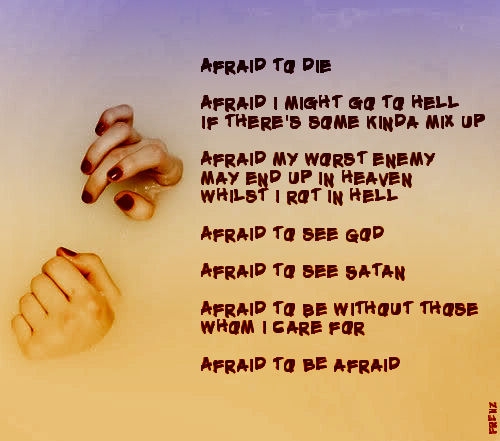























Sad Memes 3


















































































































































Sad Memes 4

















































































































































Sad Memes 5





























































































Watch as each heart‑wrenching quote echoes through haunting, melancholic melodies.