William Lane Craig
William Lane Craig is an American philosopher, theologian, and Christian apologist. He is best known for defending the Kalam Cosmological Argument for the existence of God, as well as arguments for the resurrection of Jesus and the historicity of the New Testament. Craig frequently debates atheists and skeptics, promoting a rational case for theism rooted in analytic philosophy and classical Christian doctrine.
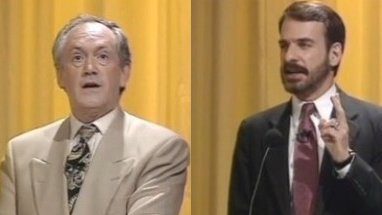
In the first debate between William Lane Craig and Peter Atkins (1998, at the University of Manchester), Craig defended the rationality of belief in God using five arguments: the cosmological, teleological, moral, resurrection, and personal experience arguments. Atkins, a chemist and atheist, argued that science can explain everything and that belief in God is unnecessary and irrational.
Craig emphasized logical structure and evidence, while Atkins dismissed religious belief as wishful thinking and accused Craig of using flawed reasoning. Critics generally viewed Craig as the more organized and persuasive speaker due to his structured arguments and clarity.
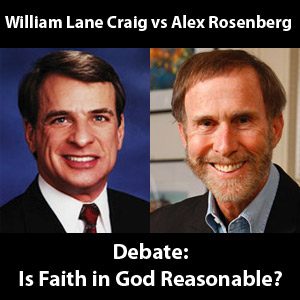
The debate "Is Faith in God Reasonable?" between William Lane Craig and Alex Rosenberg took place in 2013 at Purdue University.
Summary (short):
William Lane Craig defended the reasonableness of belief in God using several arguments:
1. Contingency (why anything exists),
2. Kalam cosmological (universe had a cause),
3. Fine-tuning,
4. Moral argument,
5. Resurrection of Jesus, and
6. Personal experience.
Alex Rosenberg, a philosopher and atheist, argued that science and naturalism make belief in God unnecessary and unreasonable. He denied objective morality and meaning in life, consistent with his materialist worldview.
Craig presented well-structured arguments; Rosenberg was less formal and often sarcastic, which led many observers to view Craig as more persuasive and philosophically rigorous.
In this lecture, William Lane Craig critiques the New Atheist movement (e.g. Richard Dawkins, Sam Harris, Christopher Hitchens, Daniel Dennett) and their objections to classical arguments for God’s existence.
Key Points:
New Atheists, Craig argues, rely more on rhetoric than rigorous argumentation.
He defends key theistic arguments (like the Kalam cosmological, moral, and fine-tuning arguments) and shows how New Atheist critiques often misunderstand or misrepresent them.
Craig stresses the importance of logic and philosophical reasoning, which he claims is often missing in New Atheist literature.
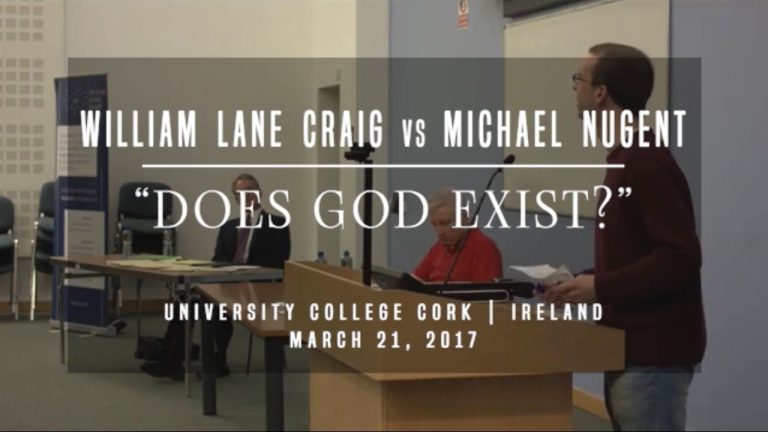
In the 2017 Ireland debate "Does God Exist?", William Lane Craig defended theism with five key arguments: cosmological, fine-tuning, moral, resurrection of Jesus, and personal experience. He argued that New Atheist critiques misunderstand these points and that atheism cannot ground objective morality or meaning. Michael Nugent, representing Atheist Ireland, countered with a naturalistic worldview, arguing that morality evolved through reason and empathy. He criticized Craig’s reliance on speculative cosmology and questioned the probability of God’s existence. Craig was seen as more structured and philosophical, while Nugent emphasized secular ethics and the sufficiency of science without invoking God.
The March 23, 2017 debate between William Lane Craig and Daniel Came at Trinity College Dublin on the topic “Does God Exist?”:
William Lane Craig opened with five classic arguments for God’s existence: cosmological, fine‑tuning, objective morality, Jesus’ resurrection, and personal religious experience . Daniel Came focused on two critiques: divine hiddenness—notably that non‑resistant non‑believers receive no divine revelation—and the inductive problem of evil, arguing that many evils appear pointless and only a quarter chance align with an all‑loving God . Craig rebutted that God aims at love, not publicity, and that human cognitive limits make probabilistic judgments about evil unreliable; he even proposed that evil presupposes moral values and thus supports God’s existence .
The William Lane Craig vs. Kevin Scharp dialogue titled “Is There Evidence for God?” (Ohio State University, February 2016):
William Lane Craig presented six reasons to support belief in God: the Kalam cosmological argument, contingency, fine‑tuning, the applicability of mathematics, objective moral values, and personal religious experience . Kevin Scharp critiqued the epistemic confidence in these arguments, suggesting that Craig’s probability assessments (e.g. “probably true”) fall short and default to mere belief, not knowledge. He also challenged Craig on “divine psychology” — arguing that because we can’t know God’s motives, the explanatory power is weak . Craig responded that assigning numerical probability is subjective and invoked William James’s “Will to Believe,” defending belief even under modest uncertainty .
The 2014 God & Cosmology debate between William Lane Craig and Sean Carroll, held at the Greer‑Heard Forum:
Craig defended theism by arguing the universe had a beginning (via Kalam cosmological argument and Borde‑Guth‑Vilenkin theorem) and pointed to fine‑tuning of physical constants, objective moral values, and the need for an ultimate cause in a tensed‑time ontology . Carroll, a naturalist physicist, challenged that cosmology doesn’t require divine agency, questioning the definitions of “cause” and “God,” and arguing that scientific models accommodate beginnings without invoking deities . Carroll considered theism too flexible and poorly defined, while Craig insisted metaphysical assumptions justify a transcendent creator .
The William Lane Craig vs. Michael Payton discussion titled “Does God Exist?” on The Michael Coren Show (Canada, January 29, 2009):
William Lane Craig argued for God’s existence using standard theistic arguments: the beginning of the universe, fine‑tuning, objective morality, and personal religious experience . Michael Payton, representing atheistic skepticism, attempted to counter with reasons why God is unnecessary, but was widely viewed as struggling to articulate a coherent alternative framework . Observers often note Craig’s clarity and structure as strengths, while considering Payton’s case comparatively weak.
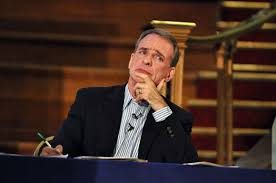
In “Agnosticism vs Christianity”, William Lane Craig and R.I.G. Hughes debated at the University of South Carolina (June 2013). Hughes presented a standard agnostic position: asserting we cannot know whether God exists, and that logic or science cannot settle the matter. Craig countered that this claim itself bears the burden of proof and is tantamount to atheism. He argued that rational agnosticism actually aligns with Christian faith and defended Christianity by showing that agnosticism fails to account for existential and philosophical questions. Observers often highlight Craig’s strong technique and Hughes’ cautious nuance .
The debate between William Lane Craig and Frank Zindler, titled “Atheism vs. Christianity: Where Does the Evidence Point?” (Willow Creek, June 27, 1993):
William Lane Craig argued for Christianity using evidence such as the empty tomb, multiple post‑crucifixion appearances, fine‑tuning, objective morality, and the reliability of biblical testimony, claiming these support theism over atheism . Frank Zindler, representing Albert Ellis’s American Atheists, challenged the credibility of the Bible and rejected Jesus as a historical figure, arguing that evolutionary biology undermines core Christian doctrines like original sin and salvation . Craig rebutted by defending historical arguments and dismissing Zindler’s textual criticisms as irrelevant to God’s existence .
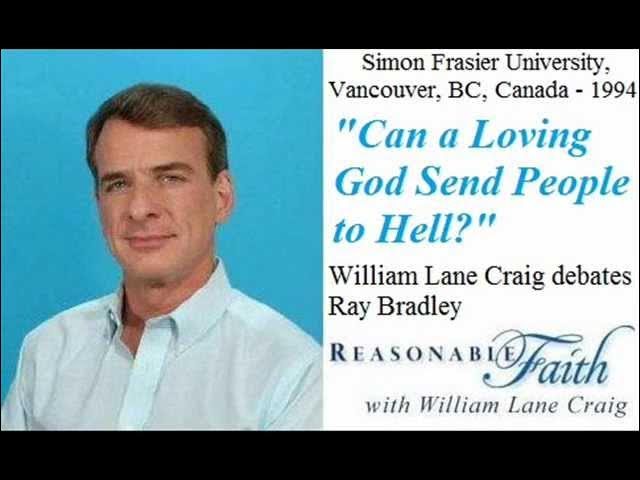
In the Craig vs. Bradley debate on hell, William Lane Craig defended the doctrine as compatible with a loving God by emphasizing human freedom and divine justice. God desires all to be saved, but genuine love requires the freedom to reject Him. Hell, Craig argued, is not divine sadism but the natural consequence of freely choosing separation from God. Eternal separation reflects the seriousness of moral rebellion against an infinite, holy God. Craig maintained that God does not send people to hell arbitrarily—He honors their ultimate choice. Thus, hell preserves both God’s love and justice within a coherent Christian worldview.
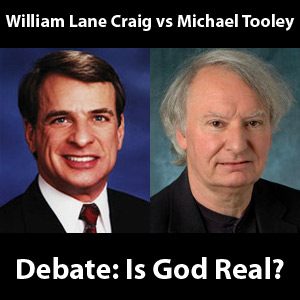
The debate “Is God Real?” between William Lane Craig and Michael Tooley, held at the University of Colorado, Boulder in November 1994:
William Lane Craig defended theism with multiple classic arguments: the Kalam cosmological argument (arguing against actual infinities), the moral argument, the argument from consciousness, divine hiddenness, and the problem of evil presented skeptically . Michael Tooley countered by arguing that atheism is the default position absent positive evidence, challenged Craig’s claim that actual infinities are metaphysically impossible, and advanced the evidential problem of evil and divine hiddenness as strong reasons to doubt God’s existence . Observers see Craig as offering a broad suite of theistic arguments, while Tooley pressed focused philosophical critiques on their coherence and evidential force.
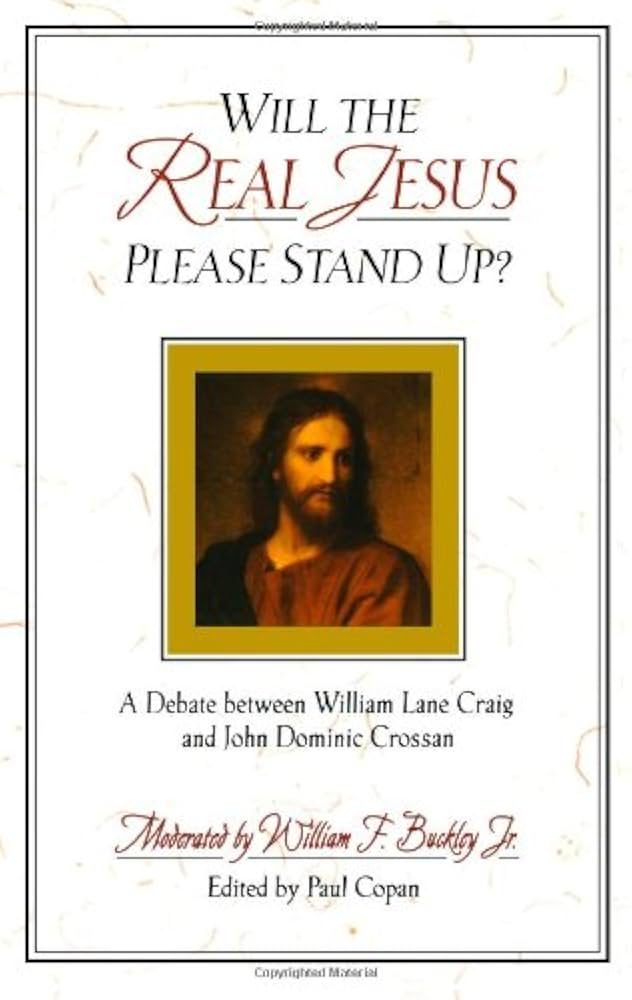
The debate “Will the Real Jesus Please Stand Up?” between William Lane Craig and John Dominic Crossan, held in 1994 at Moody Church, Chicago and later published in a book edited by Paul Copan:
William Lane Craig defended the historicity of Jesus’ bodily resurrection, arguing it is supported by four scholarly consensus facts—Joseph of Arimathea’s burial, the empty tomb, resurrection appearances, and the disciples’ post-crucifixion belief . Craig contended that if Jesus didn't rise, Christian faith collapses. John Dominic Crossan, representing the liberal Jesus Seminar, distinguished between the “Christ of faith” and the “Jesus of history,” viewing the resurrection as metaphorical presence. He rejected miracles and divine claims as later interpretive constructs. Observers largely credit Craig for mounting a more coherent evidence-based defense, while Crossan offered moralistic and sociological reinterpretations .
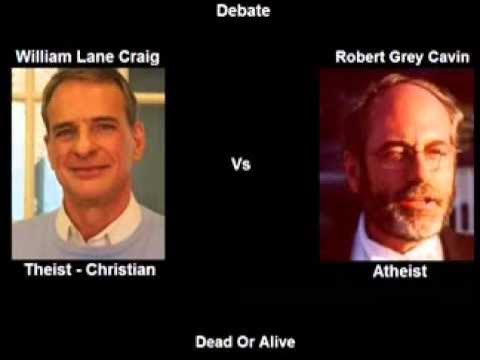
In the 1995 “Dead or Alive?” debate at UC Irvine, William Lane Craig defended Jesus’ bodily resurrection against Robert Greg Cavin’s Twin‑Brother Hypothesis. Craig argued that four historical facts—the burial, empty tomb, post‑mortem appearances, and the disciples’ sincere belief—are best explained by a real resurrection. He dismissed Cavin’s theory as historically baseless and wildly implausible, noting the lack of evidence for a twin, the impossibility of faking crucifixion wounds, and the unlikelihood of deceiving multiple eyewitnesses. Craig maintained that alternative naturalistic theories, including Cavin’s, fail in explanatory power, scope, and plausibility, making the resurrection the most reasonable historical conclusion.
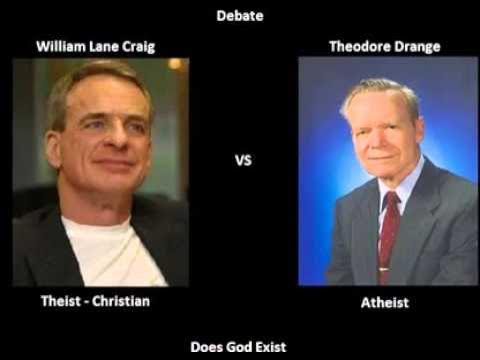
The 1997 debate “Does God Exist?” between William Lane Craig and Theodore Drange at the University of Illinois:
William Lane Craig launched his case with classic arguments for theism—Kalam cosmological, fine‑tuning, moral, historical resurrection, and personal experience. Theodore Drange countered with two central atheistic arguments: the evidential Argument from Evil and his novel Argument from Nonbelie f, asserting that widespread disbelief is inconsistent with a loving God . Craig responded by defending a moral-purpose view of suffering and arguing that God values trust, not mass belief. He argued further that divine hiddenness is compatible with a purposeful balance of belief and free will .
The 1997 dialogue “The Concept of God in Islam and Christianity” between William Lane Craig and Jamal Badawi at the University of Illinois:
William Lane Craig argued that Christianity and Islam describe fundamentally incompatible conceptions of God. He maintained that religious relativism fails because contradictory essential traits (e.g. Trinity vs. strict monotheism) cannot describe the same deity. Craig asserted that Christian claims about Jesus’ divinity are coherent and historically grounded. Jamal Badawi responded that Islam maintains a pure monotheism and critiques the Christian doctrine of the Trinity as logically incoherent; he argued that New Testament texts could be interpreted without attributing divinity to Jesus .
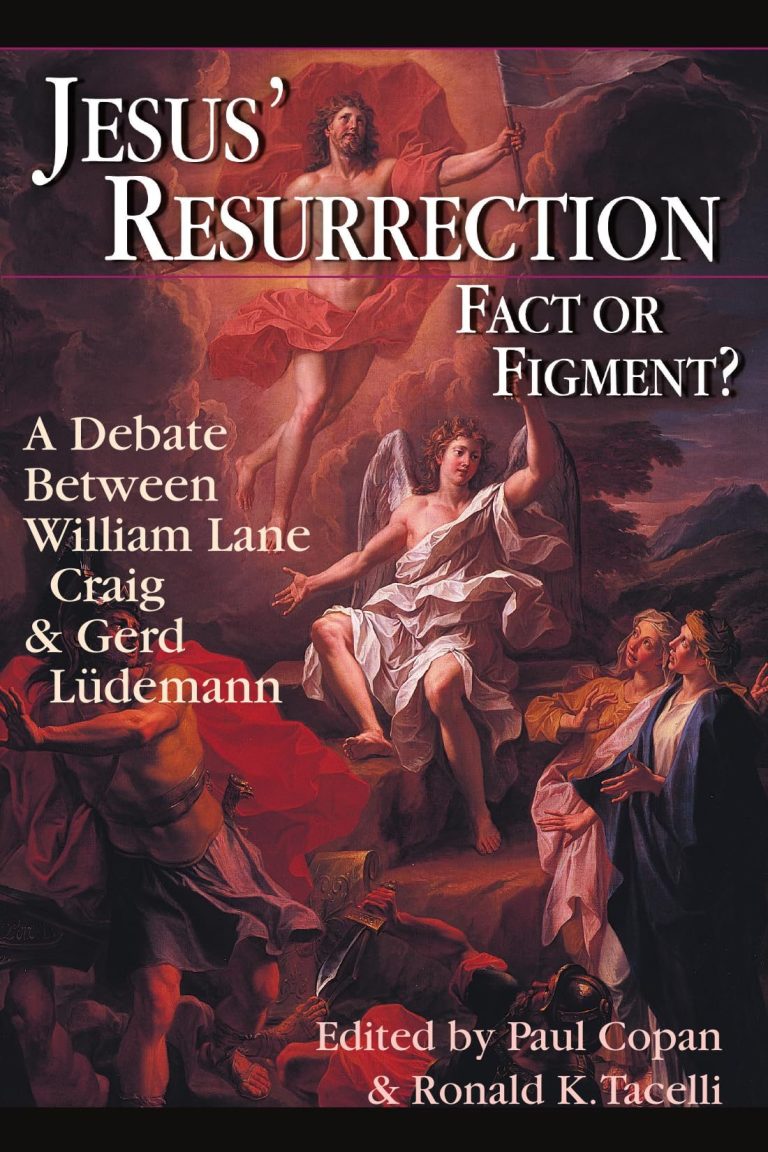
The debate “Jesus’ Resurrection: Fact or Figment?” between William Lane Craig and Gerd Lüdemann (Boston College, 1997):
William Lane Craig argued that four widely accepted historical facts—Jesus’ burial by Joseph of Arimathea, the women’s discovery of the empty tomb, multiple post‑mortem appearances, and the early disciples’ resurrection belief—are best explained by a literal bodily resurrection. He assessed competing theories (e.g. hallucinations, conspiracy, swoon) against criteria such as explanatory power, scope, plausibility, ad‑hoc‑ness, and coherence—and found them wanting. Lüdemann, committed to methodological naturalism, affirmed burial and appearances but interpreted them as guilt‑induced visions and later legendary developments. Craig maintained that rejecting miracles a priori rules out the best explanation.
The 1997 debate “The Existence of God?” between William Lane Craig and Paul Draper at West Point:
William Lane Craig opened with a multi‑pronged case: the Kalam cosmological argument (against actual infinities and for a caused beginning), fine‑tuning of the universe, the moral argument, the historical resurrection, and religious experience as properly basic . Paul Draper responded by presenting a formidable evidential argument from evil: his “hypothesis of indifference” contends that suffering and natural brutality are better explained by a universe indifferent to human well‑being rather than a benevolent Creator, thus making theism less probable . Critics note Craig’s structured presentation of classic arguments, while Draper’s probabilistic approach offered a rigorous secular challenge to traditional theism.
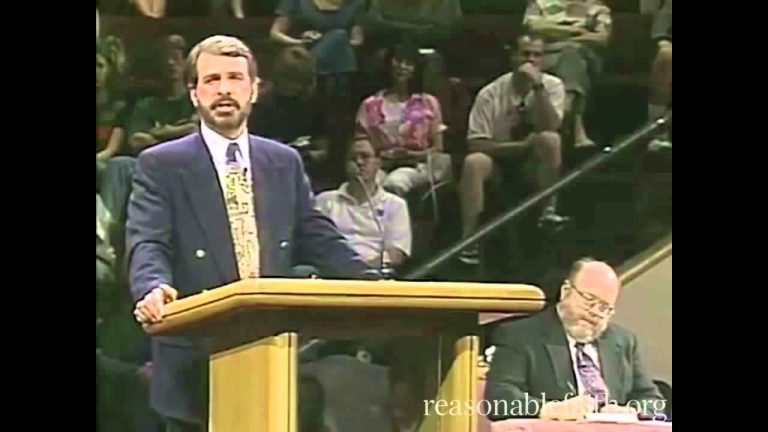
The 1998 debate “Why I Am / Am Not a Christian” between William Lane Craig and philosopher Keith Parsons, held at Prestonwood Baptist Church, Dallas:
William Lane Craig began with a personal testimony followed by traditional Christian defenses: the resurrection, the moral argument, and the meaningfulness of faith. He focused on why Christianity is rational and spiritually coherent within a cosmic worldview . Keith Parsons challenged both the truth and goodness of Christianity. He especially focused on criticizing the resurrection, suggesting hallucination or legend better explains the evidence. Parsons argued Christian claims fail common-sense Bayesian reasoning and denounced the ethical implications of hell and divine morality .
The 1998 debate “Does God Exist?” between William Lane Craig and Antony Flew (University of Wisconsin, January 28, 1998):
William Lane Craig presented a multi-pronged defense of theism, including the Kalam cosmological argument, fine‑tuning, the moral argument, the argument from consciousness, and resurrection testimony . Flew, then a leading atheist, offered primarily critical responses, implicitly conceding many of Craig's philosophical premises and framing his position more as negative atheism (agnosticism) in practice . Critics highlight that Flew provided no positive argument against God, which left audiences with Craig’s reasons unopposed . The consensus view: Craig offered structured arguments, while Flew mostly critiqued rather than building his own case.
The debate “Christianity vs Scientific Naturalism” between William Lane Craig and Garrett Hardin (University of California, Santa Barbara, 2008):
William Lane Craig argued that scientific naturalism ultimately fails as a worldview—it cannot ground objective morality, rationality, or meaning. He presented classic theistic arguments (fine‑tuning, moral reasoning, cosmology, personal experience) as offering a coherent metaphysical alternative. Garrett Hardin defended naturalism by suggesting that survival-based ethics and ecological pragmatism explain moral norms (e.g. tragedy of the commons). However, Hardin struggled to articulate a philosophical foundation for scientific naturalism beyond descriptive science. Observers generally found Craig’s view more philosophically constructed, while Hardin failed to defend naturalism's normative or existential adequacy.
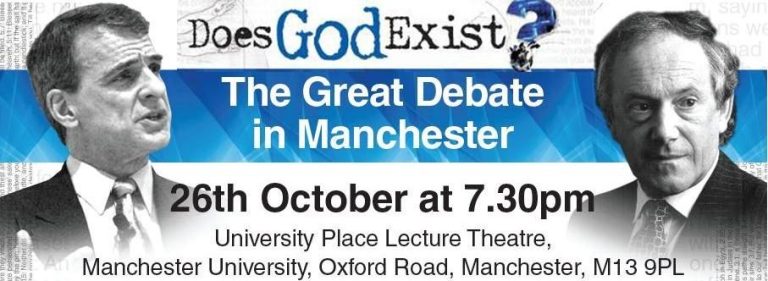
The William Lane Craig vs. Peter Atkins debate “Does God Exist?” (University of Manchester, October 26, 2011):
William Lane Craig argued that classic philosophical-theistic evidence—the Kalam cosmological argument, fine-tuning, objective morality, consciousness, miracles, and religious experience—provide a rational basis for belief in God. Craig maintained that the resurrection hypothesis is not improbable given historical evidence and that moral and experiential intuitions point beyond naturalism .
Peter Atkins, former Oxford chemistry professor, responded by asserting that science explains natural phenomena without invoking God and questioned whether religious experience or miracles are evidentially meaningful .
Viewers and commentators generally found Craig’s presentation more structured and substantive, while Atkins was criticized for relying on dismissive rhetoric rather than engaging Craig’s historical and philosophical claims .
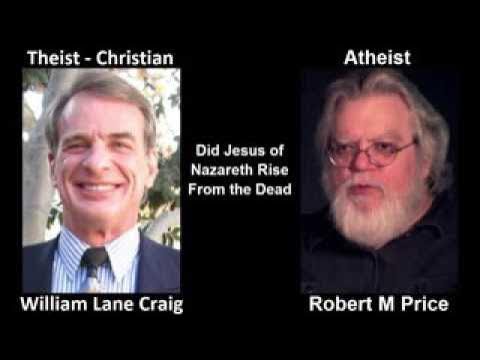
The William Lane Craig vs Robert M. Price debate titled “Did Jesus of Nazareth Rise from the Dead?” at Ohio State University in 1999:
William Lane Craig argued that four "minimal facts"—Jesus’s burial by Joseph of Arimathea, the empty tomb, multiple post‑crucifixion appearances, and the disciples’ belief in resurrection against counter‑evidence—are best explained by a literal resurrection. He claimed alternative theories (hallucinations, conspiracy, twin myth) fail in explanatory power, scope, and plausibility . Robert M. Price countered as a mythicist, arguing that these narratives are late theological constructs rooted in Christian myth-making and cross-cultural parallels, challenging Craig’s reliance on gospel consensus and “minimal facts” methodology .
Here’s a 100‑word defense of William Lane Craig’s position in his 1999 Pepperdine debate with Edward (Eddie) Tabash, on “Secular Humanism vs Christianity”:
William Lane Craig offered a clear philosophical foundation for Christian humanism, arguing that secular humanism lacks any grounding for objective morality, dignity, or rationality once God is removed from the picture . He framed the debate via argument-to-best-explanation: Christianity, he argued, uniquely accounts for moral realism, meaning, and human worth—even if secular humanists affirm those values superficially . Despite Tabash’s rapid-fire rhetoric and volume of objections, he failed to coherently respond to Craig’s cosmological and moral arguments or to articulate a consistent secular metaphysical alternative .
The April 1, 2000 debate “Do Evil and Suffering Disprove God?” between William Lane Craig and Walter Sinnott‑Armstrong in Minnesota.
Walter Sinnott‑Armstrong argued that gratuitous suffering—such as the death of innocent infants or natural disasters—provides strong evidential reasons to doubt the existence of an all‑powerful, all‑good God . He claimed Christian defenses (free will, character formation, divine hiddenness) fail to justify extreme evils.
Craig responded that humans are epistemically limited and cannot know if suffering is truly gratuitous. He offered a skeptical theist approach: God may have morally sufficient reasons beyond our understanding, and Christian doctrines about God’s purpose, free will, and redemption can explain apparent evils within a broader theistic framework.
The 2001 debate “If God Is Dead, Is Everything Permitted?” between William Lane Craig and Swedish ethicist Torbjörn Tännsjö:
William Lane Craig defended the claim that without God there is no grounding for objective moral obligations or authority. He argued that secular moral systems reduce to subjective preferences or social conventions, lacking ultimate obligation. God’s commands, rooted in His unchanging nature, provide an objective moral framework—without which acts like murder or deceit have no real authority . Torrbjörn Tännsjö responded by advocating secular ethics, claiming that moral norms emerge from human experience, empathy, and social cooperation, and that belief in God is not necessary for objective morality .
The October 22, 2001 debate “Did Jesus Rise Physically from the Dead?” between William Lane Craig and Marcus Borg at the University of North Texas:
William Lane Craig defended the physical resurrection by appealing to four historical facts widely accepted by New Testament scholars: Jesus’s burial by Joseph of Arimathea, the women discovering the empty tomb, multiple post‑mortem appearances, and the early disciples’ belief despite their initial skepticism . He maintained that the best explanation of these facts is a literal bodily resurrection and that alternative theories (visions, myth, hallucination) fail in explanatory scope and plausibility .
Marcus Borg, representing liberal scholarship, agreed that appearances occurred but viewed the resurrection as spiritual or symbolic, not bodily. To him, the empty tomb and resurrection stories aren’t historically decisive; their value lies in spiritual meaning rather than factual history .
The 1998 debate “Does the Christian God Exist?” between William Lane Craig and Massimo Pigliucci, held at University of Georgia:
William Lane Craig presented a cumulative case for the Christian God, including the Kalam cosmological argument, fine‑tuning, moral argument, argument from consciousness, and experiential knowledge of God—arguing that Jesus’s bodily resurrection confirms Christian truth . Massimo Pigliucci, a philosopher and biologist, challenged the Christian God specifically, noting that Christianity is one among many religious systems and criticized biblical literalism. He argued that morality evolved culturally, scientific contradictions challenge scriptural claims, and that belief in Christianity lacks unique evidential grounding . Observers see Craig offering a layered apologetic framework while Pigliucci highlights scientific and historical ' inconsistencies' in the Christian worldview.
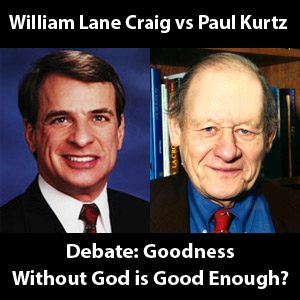
The October 24, 2001 debate at Franklin & Marshall College between William Lane Craig (proposition: Goodness without God is not good enough) and Paul Kurtz (affirmative):
William Lane Craig argued that without God there is no foundation for objective moral values, duties, or accountability—secular ethics collapses into either subjective preference or moral nihilism. He challenged Kurtz to not merely refute theism, but to justify why secular humanism isn’t outflanked by nihilism . Kurtz maintained that millions live moral lives without God and that ethical behavior is grounded in empathy, education, and social cooperation. Observers generally see Craig’s position as more philosophically robust, while Kurtz’s case leaned on descriptive morality without addressing the need for objective grounding .
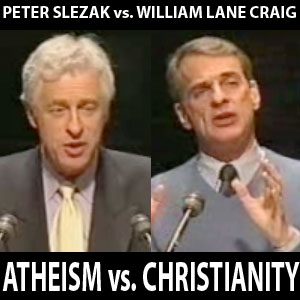
The debate “Did Jesus Rise from the Dead?” between William Lane Craig and Peter Slezak, which took place in Sydney Town Hall in August 2002.
William Lane Craig defended Jesus’ bodily resurrection, citing the empty tomb, post-death appearances, and the disciples’ strong belief as best explained by a real resurrection. Peter Slezak challenged Craig’s use of historical evidence and argued for natural explanations over supernatural ones.
Aired on Newstalk ZB in New Zealand (March 2014):
William Lane Craig argued that Jesus’s resurrection is the strongest explanation for three widely recognized facts: the empty tomb discovered by women, post‑crucifixion appearances to various individuals and groups, and the disciples’ early belief despite initial skepticism. He maintained that naturalistic alternatives—hallucination, conspiracy, theft—fail to match the explanatory power, coherence, and scope of the resurrection hypothesis. Brian Edwards, representing skeptical secularism, challenged the reliability of gospel narratives and promoted naturalistic interpretations. Observers generally viewed Craig as methodically grounded in historical criteria, while finding Edwards’s case less historically substantial and more interpretive in tone .
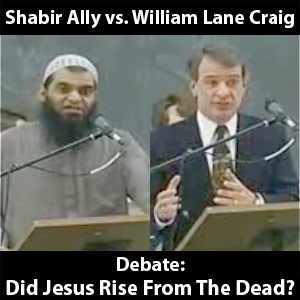
The “Did Jesus Rise from the Dead? — Christian vs. Muslim” debate between William Lane Craig and Shabir Ally (McGill University, February 2009):
William Lane Craig argued that five historical facts—Jesus’s crucifixion, burial, empty tomb, post‑death appearances, and the origin of disciples’ belief—require the best explanation: divine resurrection. Shabir Ally (Islamic scholar) challenged the crucifixion itself (arguing Jesus was alive when removed from the cross and then held in tomb until assumed bodily into heaven), and attributed resurrection belief to supernaturally induced visions. Craig responded that Ally too agrees on the core facts but his view lacks explanatory scope, power, and historical plausibility—and makes God responsible for deceiving millions.
The debate “Does God Exist?” between William Lane Craig and philosopher Bruce Russell, held at West Point (U.S. Military Academy):
William Lane Craig argued that the universe’s beginning (Big Bang) requires a transcendent cause, and that fine‑tuning, objective morality, and resurrection testimony support the truth of Christian theism. Craig emphasized that scientific findings confirm philosophical expectations about creation, moral order, and personal meaning . Bruce Russell responded by challenging the coherence of theism, especially regarding the problem of innocent suffering, the definition of “cause,” and the legitimacy of leap-of-faith interpretations . Viewers generally saw Craig as presenting a systematic case, while Russell pressed analytical objections without offering a comprehensive alternative worldview.
The William Lane Craig vs. Victor J. Stenger debate “Does God Exist?” (Oregon State University, March 1, 2009):
William Lane Craig presented a multi‑argument case for Christian theism, introducing the ontological, contingency, cosmological, moral, and resurrection arguments, plus the argument from consciousness . He contended that modern cosmology affirms a beginning to the universe requiring a transcendent, personal cause, and argued that fine-tuning and objective morality point to God as the best explanation .
Physicist Victor J. Stenger argued from scientific naturalism, asserting that natural explanations suffice, science shows no empirical evidence of God, and claimed the burden of proof lies on believers . Observers generally found Craig’s case more philosophically structured, while critics felt Stenger relied more on dismissive rhetoric and empirical skepticism than on developing positive arguments .
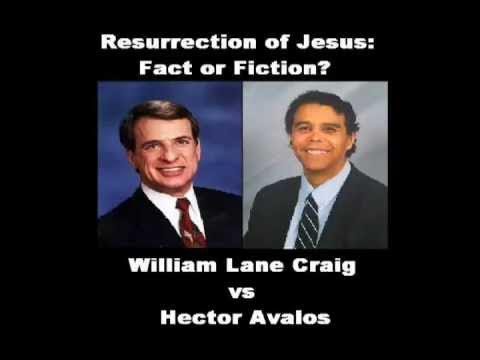
The 2004 William Lane Craig vs. Hector Avalos debate “The Resurrection of Jesus: Fact or Fiction?” at Iowa State University:
William Lane Craig argued that four widely accepted historical facts—the burial of Jesus, the empty tomb, post-death appearances, and the disciples’ belief—are best explained by a literal bodily resurrection. He applied criteria such as explanatory scope, power, plausibility, and minimal ad hoc assumptions to justify Christianity’s explanation over alternatives like hallucination or conspiracy . Hector Avalos contended those so-called “facts” are not verifiable facts, argued that biblical narratives can’t establish historicity, and emphasized skepticism about the reliability of gospel sources . Observers saw Craig’s approach as forceful and structured, while Avalos pressed academic criticism of the evidentiary basis .
The “Does God Exist?” debate between William Lane Craig and Austin Dacey at Purdue University (2004):
William Lane Craig presented six arguments for theism: contingency (existence over nothing), the Kalam cosmological argument (universe with a cause), fine‑tuning, objective morality, miraculous events (including the resurrection), and religious experience .
Austin Dacey countered with five atheistic challenges: divine hiddenness, the success of science without supernatural assumptions, mind–brain dependence, evolutionary origins, and the evidential problem of evil .
Craig responded by retooling arguments—especially for the universe’s beginning and Jesus’ resurrection—and rebutting Dacey’s representations of scientific sources .
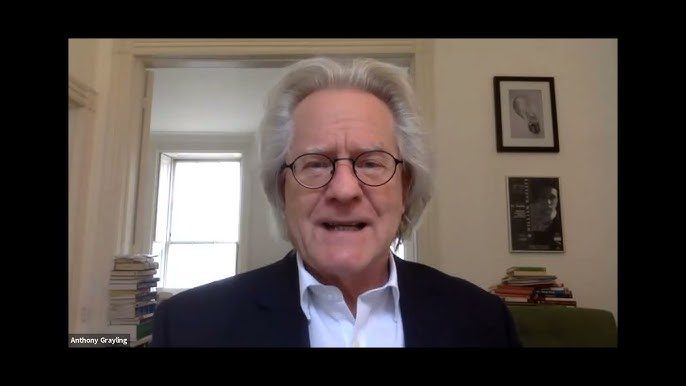
There was no formal debate between William Lane Craig and A. C. Grayling on the existence of God, so it’s rightly referred to as *“The Debate That Never Happened.”*
Grayling was invited to debate Craig in the UK but declined. He famously responded:
> “I am not interested in debating Professor Craig … if he would like to co‑opt me for the publicity… I would be happy to debate him on the question of the existence of fairies and water‑nymphs. But as for … whether there is just one god… that is an empty prospect.”
That refusal drew criticism from others in the atheist community. For instance, Premier Radio presenter Justin Brierley commented:
> “It looks insulting… when an invitation to defend such views against a top‑flight Christian academic such as Dr. Craig is dismissed in these terms.”
However, Craig and Grayling did face each other in a real debate in 2005 at the Oxford Union, discussing the motion: “Belief in God Makes Sense in Light of Tsunamis” (i.e., the problem of evil) .
While some critics cite Grayling's refusal as symbolic of unwillingness to engage on Craig’s terms, the actual formal debate between them was on a narrower topic and did take place.
The William Lane Craig vs A.C. Grayling 2005 Oxford Union debate on the motion: “Belief in God Makes Sense in Light of Tsunamis” (following the 2004 Indian Ocean tsunami).
William Lane Craig argued that while natural disasters cause immense suffering, they do not logically disprove God’s existence. He distinguished between the logical and emotional problems of evil, maintaining that God may have morally sufficient reasons beyond human comprehension. Craig emphasized the Christian promise of ultimate justice and redemption. A.C. Grayling countered that appealing to divine mystery avoids the real issue: natural disasters show an indifferent or morally flawed creator, if any exists. He stressed moral autonomy and humanistic ethics over theological consolation.
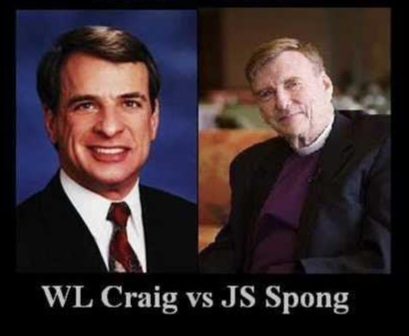
The 2005 "Great Resurrection Debate" between William Lane Craig and John Shelby Spong at Bethel College, Indiana.
William Lane Craig argued the empty tomb, post‑mortem appearances, and transformed disciples best support a literal resurrection. John Shelby Spong rejected it as historical fact, viewing it as symbolic of a mystical “God‑experience.” Craig challenged that this view fails to explain the disciples’ radical change.
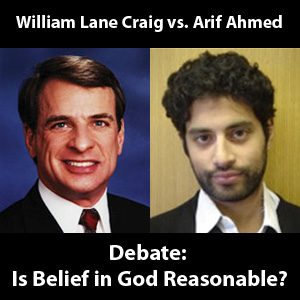
The debate “Is Belief in God More Reasonable than Disbelief?” between William Lane Craig and Arif Ahmed (Cambridge University, October 2011):
William Lane Craig argued that belief in God is more reasonable due to the universe’s beginning (via the Kalam cosmological argument), fine‑tuning, objective moral values, Jesus’s resurrection, and the validity of personal religious experience . He claimed these combined make theism the best explanation.
Arif Ahmed responded by challenging Craig’s reliance on the principle of sufficient reason, disputing claims about actual infinities, fine‑tuning, and moral realism; he also advanced the inductive problem of evil and argued that the absence of compelling evidence supports atheism .
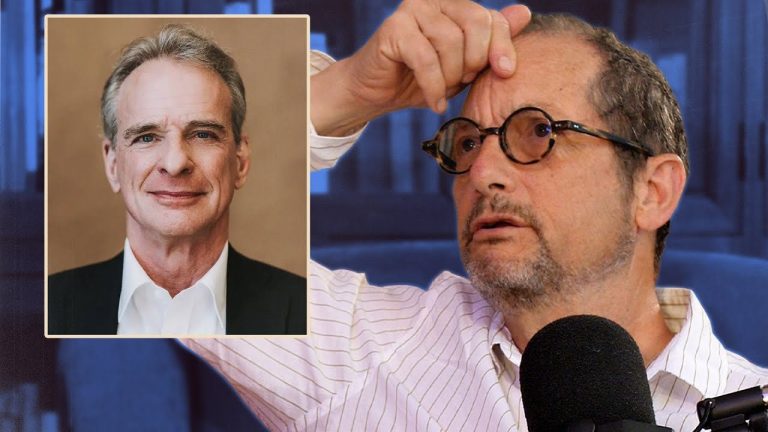
The public exchange between William Lane Craig and Bart Ehrman focused on the historical evidence for Jesus’s resurrection.
William Lane Craig argued that four minimal historical facts—Jesus’s burial by Joseph of Arimathea, the empty tomb, post-crucifixion appearances to individuals and groups, and the early disciples’ belief—are best explained by a literal bodily resurrection of Jesus. He applied a historiographical framework emphasizing explanatory power, scope, and plausibility, rejecting alternative theories like hallucinations, theft, conspiracy, or twin hypotheses .
Bart Ehrman countered that since miracles are, by definition, highly improbable, historical methodologies cannot affirm them. He argued naturalistic explanations (e.g., visions or invented narratives) remain more probable and that discrepancies in gospel accounts undermine confidence in the resurrection narratives .
Critics noted Craig accused Ehrman of inconsistency: affirming the same four facts in earlier lectures yet later denying them without new evidence—implying a motive to avoid theistic implications .
The debate “Does the Christian God Exist?” between William Lane Craig and Andrew Pyle, held at Bristol University during Craig’s 2007 Reasonable Faith tour.
William Lane Craig offered multiple arguments for theism: the Kalam cosmological argument, fine‑tuning, the moral argument, contingency, the resurrection, and religious experience—contending these cumulatively make belief in the Christian God the best explanation. Andrew Pyle, a historian of philosophy, critiqued Craig’s metaphysical claims, challenging the use of a priori support for cosmological premises and criticizing Craig’s reliance on selective gospel sources for his resurrection account. Pyle pressed that naturalistic hypotheses are underexamined and Craig’s methodology risks special pleading.

The debate between William Lane Craig and Lewis Wolpert on the question “Is God a Delusion?” took place in 2007 at Central Hall, Westminster, moderated by BBC's John Humphrys.
William Lane Craig argued that belief in God is rational, citing the cosmological and moral arguments, fine-tuning, and properly basic beliefs. Lewis Wolpert responded that belief in God is a delusion based on psychology and lack of empirical evidence, with science explaining natural phenomena without God. The debate contrasted philosophical reasons for faith against scientific skepticism.
During the 2007 Reasonable Faith Tour, William Lane Craig debated Professor Mike Begon on the topic “Is God a Delusion?” at Liverpool University. The debate, moderated by Daniel Hill, featured a 90-minute discussion followed by a 30-minute Q&A session.
William Lane Craig argued that belief in God is rational, presenting philosophical and scientific reasons. Mike Begon responded by emphasizing naturalistic explanations from science and questioning the need for a deity. The debate highlighted the contrast between theistic philosophy and scientific naturalism.
In the 2008 debate titled “Should We Believe that Jesus’ Resurrection is Historical?”, William Lane Craig and Roy Hoover presented contrasting views on the resurrection of Jesus.
William Lane Craig argued that Jesus’ resurrection is a historical event best explaining key facts like the empty tomb and post-death appearances. Roy Hoover countered that these accounts are better explained by natural psychological and cultural factors, questioning gospel reliability. The debate focused on historical versus naturalistic interpretations.
William Lane Craig argued that Jesus’ death, the empty tomb, post-death appearances, and the rise of Christianity are best explained by a literal resurrection. James Crossley challenged the gospel reliability and suggested psychological and community factors explain resurrection stories. The debate contrasted Craig’s philosophical case with Crossley’s naturalistic, historical approach.
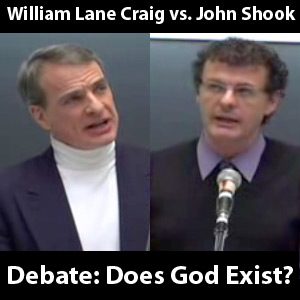
In the 2008 debate titled “Does God Exist?” at the University of British Columbia, Dr. William Lane Craig and Dr. John Shook presented opposing views on the existence of God.
William Lane Craig argued for God’s existence using the Kalam cosmological argument, fine-tuning, objective moral values, and the historical resurrection of Jesus. He claimed these together make theism the best explanation for the universe, morality, and human experience. John Shook responded from a naturalistic viewpoint, challenging the soundness of Craig’s arguments and the reliability of resurrection accounts. Shook argued that natural explanations suffice for the origins of the universe, morality, and consciousness, rejecting supernatural claims. The debate highlighted the clash between philosophical theism and naturalistic skepticism, focusing on evidential standards and the interpretation of historical and moral data.
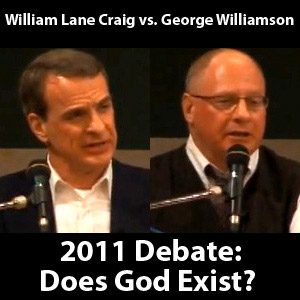
In the 2011 debate “Does God Exist?” William Lane Craig argued for God’s existence using the Kalam cosmological argument, fine-tuning, objective morality, and the resurrection of Jesus as evidence. He claimed these provide the best explanation for the universe, moral values, and historical events. George Williamson countered from a naturalistic viewpoint, arguing that natural explanations suffice and challenging the soundness of Craig’s arguments, including skepticism about the reliability of resurrection accounts. The debate highlighted the clash between theistic philosophical reasoning and atheistic naturalism, focusing on evidence, logic, and interpretation of history and morality.
In the 2008 debate “Is God Necessary for Morality?” at the University of Massachusetts, Dr. William Lane Craig and Dr. Louise Antony discussed the foundations of moral values and duties.
Dr. William Lane Craig argued that objective moral values and duties require a grounding in God. He posited that without God, moral obligations would be subjective and lack binding authority. Craig presented the moral argument for God's existence, suggesting that the existence of objective morality points to a moral lawgiver.
Dr. Louise Antony, a philosopher and atheist, countered that morality can be grounded in secular humanism. She argued that moral values and duties can be understood through human well-being and social cooperation, independent of divine command. Antony contended that objective morality does not necessitate the existence of God.
The debate highlighted contrasting perspectives on the source of moral values, with Craig emphasizing the necessity of God for objective morality, while Antony advocated for a secular foundation.
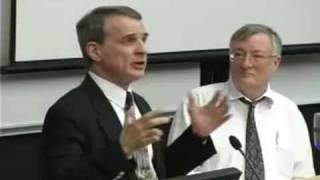
The William Lane Craig vs. Bill Cooke debate, “Is God a Delusion?” (Auckland, June 2008).
William Lane Craig argued that belief in God is not a delusion, defending his case with philosophical arguments such as the Kalam cosmological argument, moral argument grounded in objective values, fine‑tuning, and properly basic religious belief.
Bill Cooke, an atheist philosopher, countered that belief in God is delusional, rooted in human psychology and evolutionary conditioning, with no empirical evidence supporting supernatural claims. He emphasized that science sufficiently explains natural phenomena without invoking God, making belief irrational.
The debate framed stark contrasts between philosophical theistic reasoning and scientific‑naturalistic skepticism.
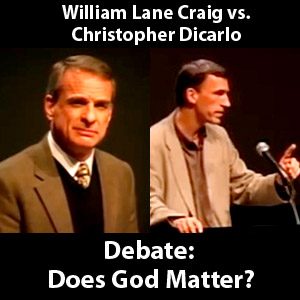
William Lane Craig debates Christopher Dicarlo on the topic: Does God Matter?
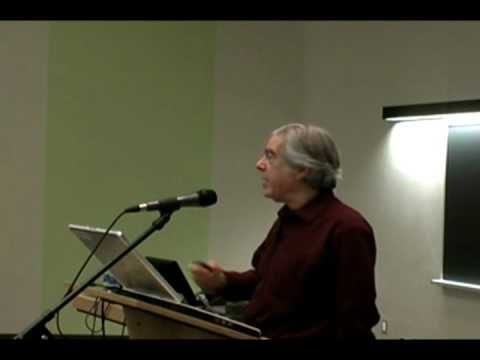
William Lane Craig and Ronald DeSousa have debated the existence of God, with Craig arguing for God's existence and DeSousa arguing against it. Craig uses philosophical arguments like the Kalam cosmological argument and the moral argument, while DeSousa often employs naturalist and skeptical perspectives, questioning the need for a God as an explanation for the universe or morality.
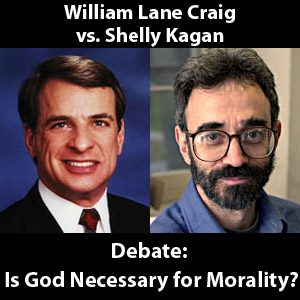
The 2009 “Is God Necessary for Morality?” dialogue between William Lane Craig and Shelly Kagan at Columbia University.
William Lane Craig insisted that objective moral values, duties, and accountability require grounding in God’s nature. Without God, he argued, human life becomes insignificant in the cosmic scale, reducing morality to mere convention or sentiment. Shelly Kagan countered that morality can be firmly grounded in secular frameworks—such as rational social contracts and shared human reasons—even without divine foundation. He emphasized that moral obligation and meaning arise from human rational reflection and communal agreement, not eternal cosmic significance. The exchange highlighted a deep divide between religious moral realism and secular moral constructivism.
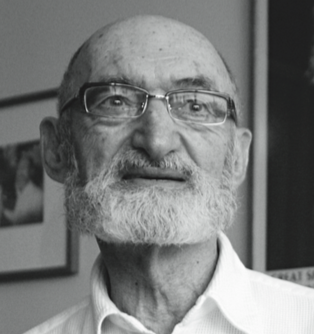
Henry Morgentaler, a famed Canadian physician and humanist activist, is best known for his leadership in advocating abortion rights and his presidency of the Humanist Association of Canada
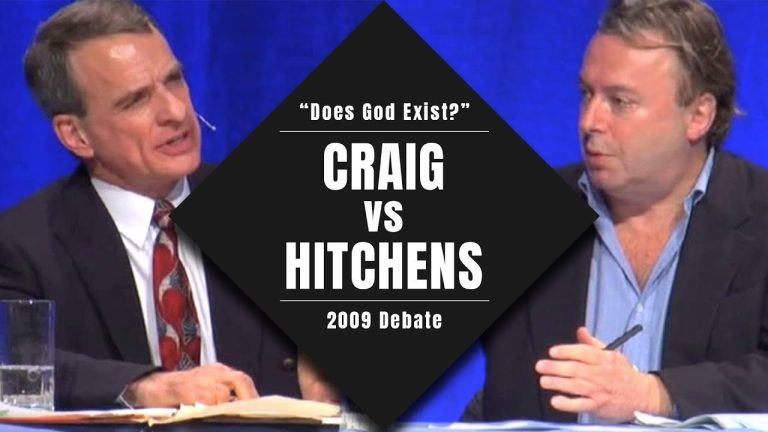
The 2009 debate “Does God Exist?” between William Lane Craig and Christopher Hitchens at Biola University.
William Lane Craig defended theism using classic philosophical and historical arguments: the Kalam cosmological argument, fine‑tuning, moral argument, and Jesus’s resurrection, affirming that belief in God is rationally supported . Christopher Hitchens countered by rejecting supernatural claims, emphasizing science, empirical reasoning, and moral autonomy, and critiqued what he viewed as insufficient grounding for Craig’s worldview .
Post‑debate reactions often criticize Hitchens’ preparation versus Craig’s oratorical style, with a Reddit commentators noting:
> “Hitchens didn’t do his best … he gives the impression that he’s ducking WLC’s arguments”
The March 18, 2009 debate “Did Jesus Rise from the Dead?” between William Lane Craig and Richard Carrier at Northwest Missouri State University.
William Lane Craig argued that multiple independent historical sources attest to four minimal facts—the burial, the empty tomb, post-crucifixion appearances, and the disciples’ transformed belief—and that the best explanation is Jesus’ literal resurrection by God, dismissing naturalistic alternatives like hallucination or theft as historically implausible .
Richard Carrier contended that the Gospel narratives are theological innovations rather than reliable history, rejected the empty tomb as factually attested, and argued that visionary experiences and myth-making offer more probable explanations than supernatural claims .
The debate showcased Craig’s cumulative apologetic approach grounded in historiographical criteria, while Carrier offered Bayesian skepticism and mythicist interpretation .

The public “Is Intelligent Design Viable?” debate between William Lane Craig (philosopher & Christian apologist) and Francisco J. Ayala (evolutionary biologist) from November 2009:
William Lane Craig argued that Intelligent Design (ID) is a scientifically viable hypothesis: he defined it carefully, insisted that Ayala must either show flaws in the explanatory filter or disprove that biological systems meet its criteria, and argued that natural selection fails to fully account for macroevolutionary complexity .
Francisco Ayala responded mostly on theological grounds—criticizing ID as inconsistent with a benevolent designer—while largely ignoring Craig’s scientific challenges .
Commentators noted Ayala’s debate strategy was unfocused—failing to properly engage the scientific points—whereas Craig stayed on topic and effectively defended his position .
The William Lane Craig vs. Herb Silverman debate titled “Does God Exist?” (University of North Carolina Wilmington, March 23, 2010):
William Lane Craig defended theism using classical arguments: the Kalam cosmological argument, fine‑tuning, objective moral values, and the resurrection of Jesus as historical evidence. He asserted that these form a cumulative case rendering belief in God reasonable and philosophically coherent.
Herb Silverman, a distinguished mathematics professor, argued from scientific and naturalistic perspectives, challenging Craig’s premises and disputing the reliability of the evidence Craig offered, particularly around miracles and resurrection claims. The debate underscored the philosophical divide between theistic reasoning and secular skepticism, focusing on evidential standards and worldview coherence .
The William Lane Craig vs. Yusuf Ismail debate titled “Identifying Jesus: Is He Man or Both Man and God?” (Cape Town, May 2010):
William Lane Craig argued that Jesus is both fully divine and fully human, affirming the Chalcedonian doctrine of the hypostatic union. He insisted that this belief is coherent and rooted in biblical testimony, challenging the Muslim view as a false either/or proposition . Yusuf Ismail, a Muslim legal scholar, maintained that Jesus was a righteous prophet and never claimed divinity; he traced the doctrine of the Trinity to later Christian developments, claiming Christianity departed from early monotheistic belief .
They debated via opening statements, multiple rebuttals, and audience Q&A. Craig emphasized careful theological nuance; Ismail emphasized historical and scriptural interpretation.
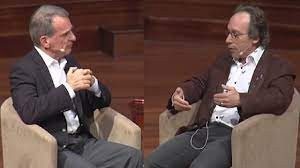
In their 2011 debate Life, the Universe, and Nothing, William Lane Craig argued that the universe’s existence requires a philosophical explanation: it’s contingent, began to exist, and therefore has a cause — a timeless, necessary being (God). He criticized Lawrence Krauss’s “nothing” as actually a quantum vacuum with laws. Krauss argued physics can explain the universe’s origin via quantum fluctuations and zero net energy, making God unnecessary. He claimed Craig’s ultimate “why” question may be meaningless. The two largely talked past each other: Craig focused on metaphysical origins, Krauss on scientific models, reflecting the divide between philosophy and physics.
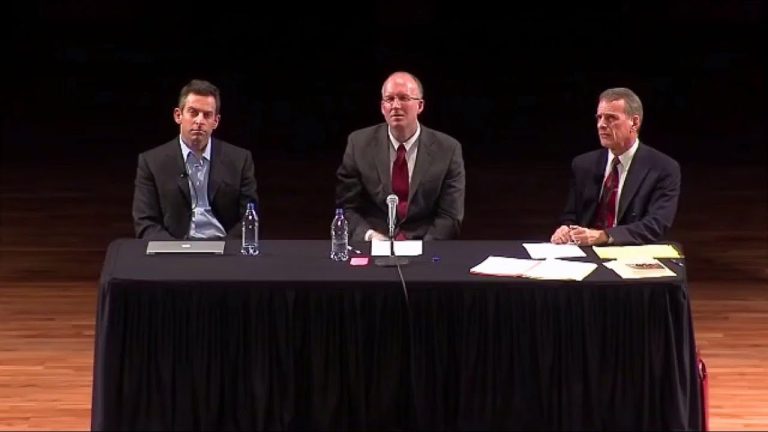
The God Debate between Sam Harris and William Lane Craig, held at the University of Notre Dame on April 7, 2011.
Craig argued that objective moral values and duties require God as their foundation. Without God, morality is subjective and lacks binding authority.
Harris contended that morality can be grounded in the well‑being of conscious creatures, discoverable through science. He rejected the necessity of God, pointing to moral atrocities in scripture. Craig pressed Harris on why well‑being should be objectively binding without God. The debate exposed a deep divide between moral realism and theistic moral grounding.
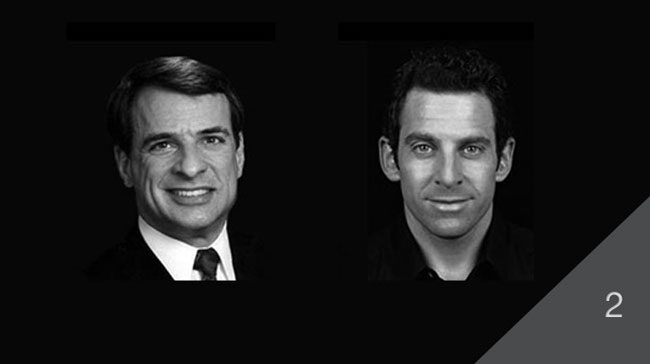
The God Debate II (2011) was a dialogue between Sam Harris and William Lane Craig at the University of Notre Dame. The topic was “Is the Foundation of Morality Natural or Supernatural?
Craig argued morality requires God: objective moral values exist, and without God they’re just subjective human preferences. He claimed atheism offers no ultimate grounding for human worth or moral obligation. Harris, a neuroscientist and atheist, argued morality can be grounded in the well-being of conscious creatures, discovered through science. He rejected God as unnecessary or even harmful for ethics, citing moral atrocities in scripture. Craig pressed Harris on why well-being should be objectively binding without God; Harris argued it’s self-evident and measurable. The debate exposed deep disagreements about the source and nature of moral truths.
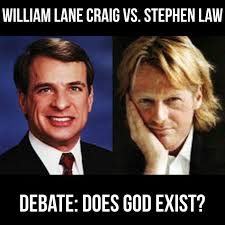
The William Lane Craig vs Stephen Law debate “Does God Exist?” took place in 2011 at Westminster Central Hall in London. Law, a philosopher, is known for his “Evil God Challenge.”
Craig argued for God’s existence using the Kalam cosmological argument, fine-tuning, and moral arguments: the universe began to exist and requires a transcendent cause; the cosmos is finely tuned for life; and objective moral values exist, best explained by God. Law countered with the Evil God Challenge: if belief in an all-good God is reasonable despite evil, then belief in an all-evil God is equally reasonable despite good — which is absurd. He questioned Craig’s moral premise and suggested naturalistic explanations for the universe. Craig argued Law’s “evil god” doesn’t explain objective moral values or cosmic design as well as theism.
The William Lane Craig vs Peter Millican debate “Does God Exist?” took place in 2011 at Birmingham University, UK. Millican is a philosopher specializing in Hume’s work.
Craig argued that God best explains the universe’s origin, fine-tuning, and moral values. He used the Kalam cosmological argument (the universe began to exist, therefore it has a cause), the design argument, and the moral argument. Millican challenged the Kalam argument, questioning whether causality applies beyond the universe and suggesting the universe could be self-contained. He argued fine-tuning might be explained by as-yet-unknown physics and that morality can be understood naturalistically. Millican also pressed Craig on whether God’s nature is coherent. Craig maintained that God remains the best overall explanation. The exchange was rigorous but respectful, focusing on philosophical reasoning.
The Craig vs Enqvist debate “Can the Universe Exist Without God?” took place in April 2012 at the University of Helsinki. Craig and Finnish cosmologist Kari Enqvist addressed whether there's any possible world in which the universe exists but God does not.
Craig argued that God must be a metaphysically necessary being—existing in every possible world—and that the universe cannot exist without such a being. He used Alvin Plantinga’s modal ontological argument and the Kalam cosmological argument to support this claim.
Enqvist, as a theoretical cosmologist, challenged whether causality and logic even apply to the origin of the universe—especially at the quantum level. He suggested that if logic breaks down there, asking for a cause of the universe may be meaningless.
The William Lane Craig vs Klemens Kappel debate “Does God Exist?” held on April 18, 2012 in Copenhagen.
Craig presented a multi‑pronged case for God’s existence, including the Leibnizian (contingency) argument, the Kalam cosmological argument, the design (fine-tuning) argument, the moral argument, and testimonial evidence (the resurrection) .
Kappel, a Danish philosopher and “friendly atheist,” responded skeptically: he questioned whether God‑hypotheses are justified given science and common‑sense, argued that atheism is simply default, and noted Craig’s premises are philosophically controversial. He admitted he presented no positive case for atheism, instead urging that Craig’s own standards require substantial justification.
The William Lane Craig vs Erik Wielenberg debate “God and Morality” took place on February 26, 2014 at North Carolina State University.
Craig argued that objective moral values, duties, and human dignity require God as their foundation. Without God, morality would be subjective and lack binding force. He used his standard moral argument:
1. If God does not exist, objective moral values and duties do not exist.
2. They do exist.
3. Therefore, God exists.
Wielenberg, an atheist philosopher, defended non-theistic moral realism: moral facts exist necessarily, like mathematical truths, and don’t require God. He argued morality can be grounded in facts about human flourishing and suffering. Craig pressed that Wielenberg’s view leaves moral obligation unexplained; Wielenberg replied that moral truths are brute, necessary facts.
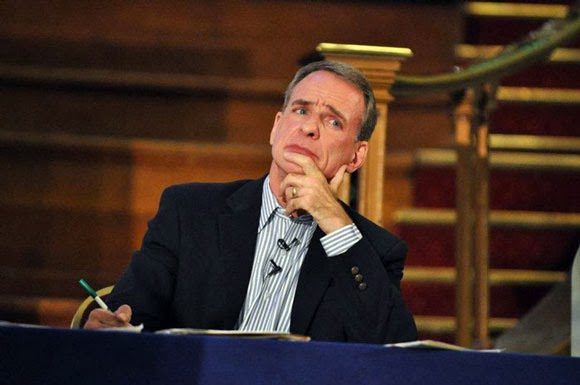
Craig presents these three arguments as a cumulative, rational basis for believing that God exists—not as proofs in isolation, but as mutually reinforcing reasons that, together, form a powerful apologetic case.
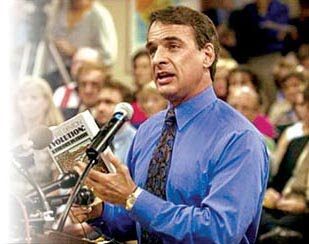
In May 2019, Craig toured top-tier English schools (Wellington, Harrow, Eton, Bedales, Winchester, Canford, Oxford), delivering his signature talk “Three Reasons God Exists and Why It Matters”, and responded to student Q&A sessions afterward .
The highlight compilation video includes select excerpts from both the lectures and Q&A segments, featuring animated videos, direct interaction with students, and philosophical dialogue .
🧠 Q&A Highlights
On the Borde–Guth–Vilenkin theorem: Craig recounts how cosmologist Alexander Vilenkin sharply disagreed with Alan Guth over its implications. Whereas Vilenkin asserts it implies a past beginning, Guth suggested otherwise due to the Carroll–Chen model—Craig critiques that model as physically incoherent and still consistent with a cosmic beginning .
On Old Testament morality: A questioner asked whether God acts immorally in the Old Testament. Craig responds that even under a non‑inerrantist view, divine commands (e.g. concerning the Canaanites) do not undercut the moral argument—his argument remains focused: if objective moral values exist, God must exist. He asserts these narratives are irrelevant to that logical structure .
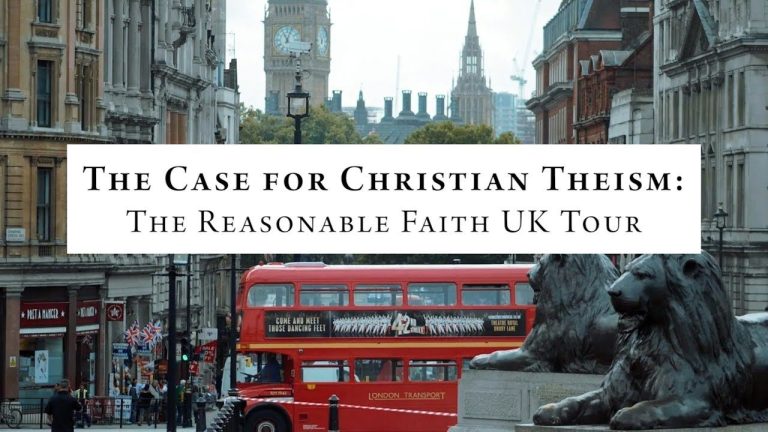
The tour took place in 2011, covering venues in London, Birmingham, and Manchester.
It was documented in the short film The Case for Christian Theism: The Reasonable Faith UK Tour, which includes interviews, behind-the-scenes footage, and excerpts of Craig's presentations across the tour .
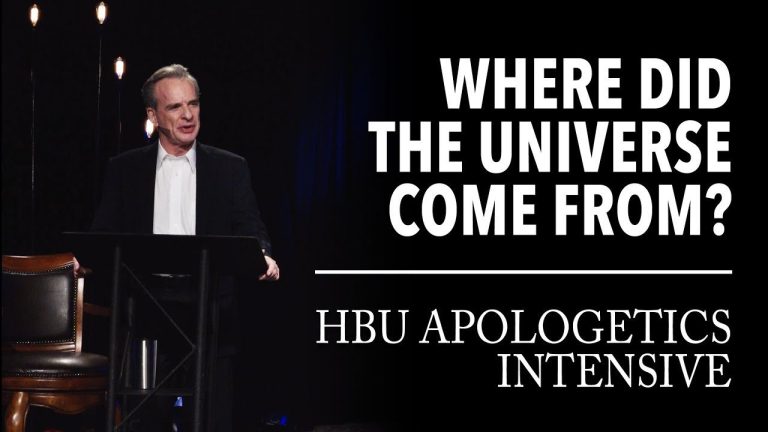
Delivered as part of Houston Baptist University’s Apologetics Intensive, hosted by Second Baptist Houston in October 2018, Craig offered a deep dive into the cosmological argument and the universe’s origins.
Craig’s lecture presents a disciplined, evidence-informed cosmological case for God based on the universe’s beginning. He combines scientific findings (Big Bang, thermodynamics) with philosophical reasoning (causation, impossibility of infinities) to support belief in a personal Creator. Though compelling to many, his case remains debated, especially regarding the nature of causality and the coherence of “creation from nothing.”

William Lane Craig vs Why Does Anything at All Exist?
William Lane Craig’s “Why Does Anything at All Exist?” lecture from the HBU Apologetics Intensive, October 2018.
Craig builds on his cosmological framework to tackle the deeper question of why anything exists at all, emphasizing:
The metaphysical need for an explanation of existence (Leibnizian contingency),
The empirical support for a cosmic beginning (Kalam argument),
And the conclusion that only a personal, necessary being can account for existence—something abstract objects cannot perform.
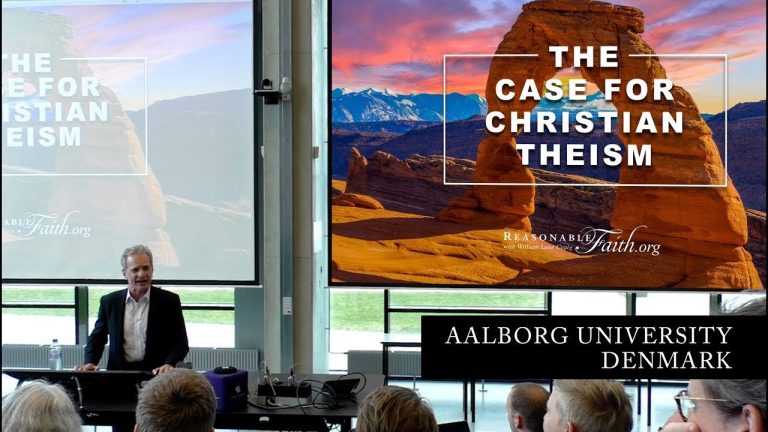
Craig’s lecture “The Case for Christian Theism”, delivered at Aalborg University, Denmark in March 2019.
🧠 Core Content & Themes
Craig presents a three‑part cumulative apologetic case:
1. Fine‑Tuning / Design Argument — The universe’s physical constants are precisely calibrated for life. Chance and physical necessity both fail as explanations. The multiverse hypothesis, Craig argues, undermines rationality and implies we should expect illusory brains rather than coherent life—design is the most plausible explanation.
2. Moral Argument — Objective moral values and duties exist. Without God, there is no grounding for true moral obligation—it degenerates into mere personal preference. God provides the necessary metaphysical foundation.
3. General Apologetic Approach — Craig emphasizes coherent, rational defense of Christian theism by combining philosophical reasoning (cosmology, design, ethics) with historical and existential dimensions.
Craig’s “Why Should I Believe God Exists?” lecture at Clemson University – January 2019.
Craig argues that Christian theism is intellectually credible and existentially satisfying.
Craig’s lecture “What Difference Does It Make If God Exists?” delivered at the HBU Apologetics Intensive in October 2018.
Craig explores the existential and moral implications of God’s existence—or nonexistence. He argues that:
Without God, life lacks objective meaning, value, and purpose. Moral and intellectual relativism become inevitable, and consistent atheism ends in despair and spiritual emptiness .
If God exists, we gain a rational basis for meaning, objective values, personal worth, and hope.
Belief in God makes a life-changing difference—not just for humanity broadly, but personally: knowing God's love can rescue one from nihilism .
Craig suggests that even if evidence were evenly balanced, choosing belief is rational given the existential stakes.
Life, the Universe and Nothing-Has science buried God?
Three-part discussion between Prof. Lawrence Krauss and Dr. William Lane Craig on the relationship between science and faith. Krauss argues that science has replaced the need for God by explaining natural phenomena without divine intervention, challenging traditional beliefs about miracles and creation. Craig contends that science and theology are compatible and that the existence of God provides a necessary foundation for understanding the universe. The dialogue covers topics such as the origin of the universe, the fine-tuning of physical constants, metaphysical questions, and the historical relationship between science and religion, emphasizing ongoing mutual relevance and dialogue between the two fields
Life, the Universe and Nothing-Why is there something rather than nothing?
Dialogue between physicist Lawrence Krauss and philosopher William Lane Craig. Krauss presents scientific theories suggesting the universe could arise naturally from "nothing," while Craig argues that the existence of the universe points to a necessary, personal creator (God). They debate the nature of "nothing," cause, and existence, highlighting science's limits and differing views on the universe's origin