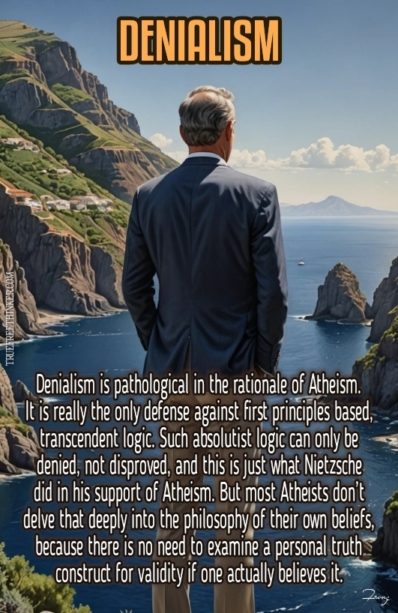
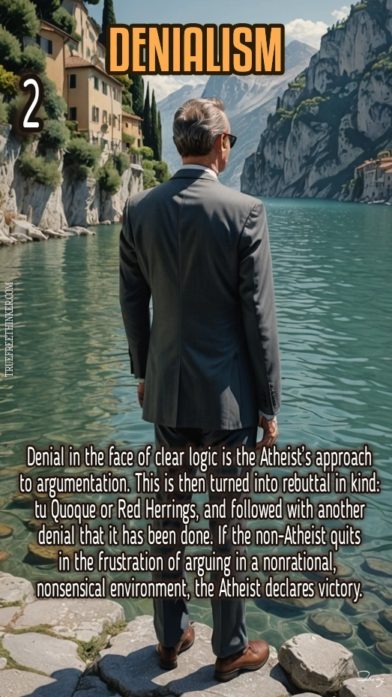
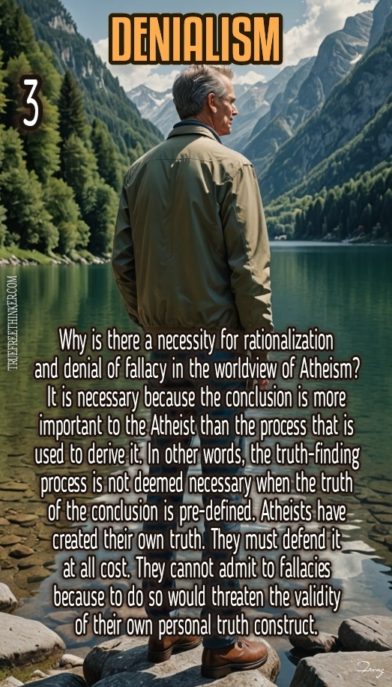
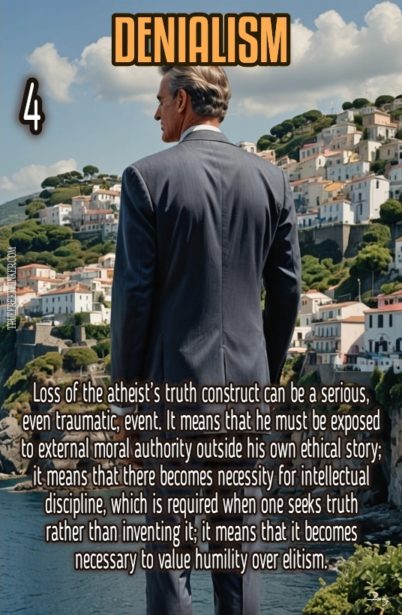
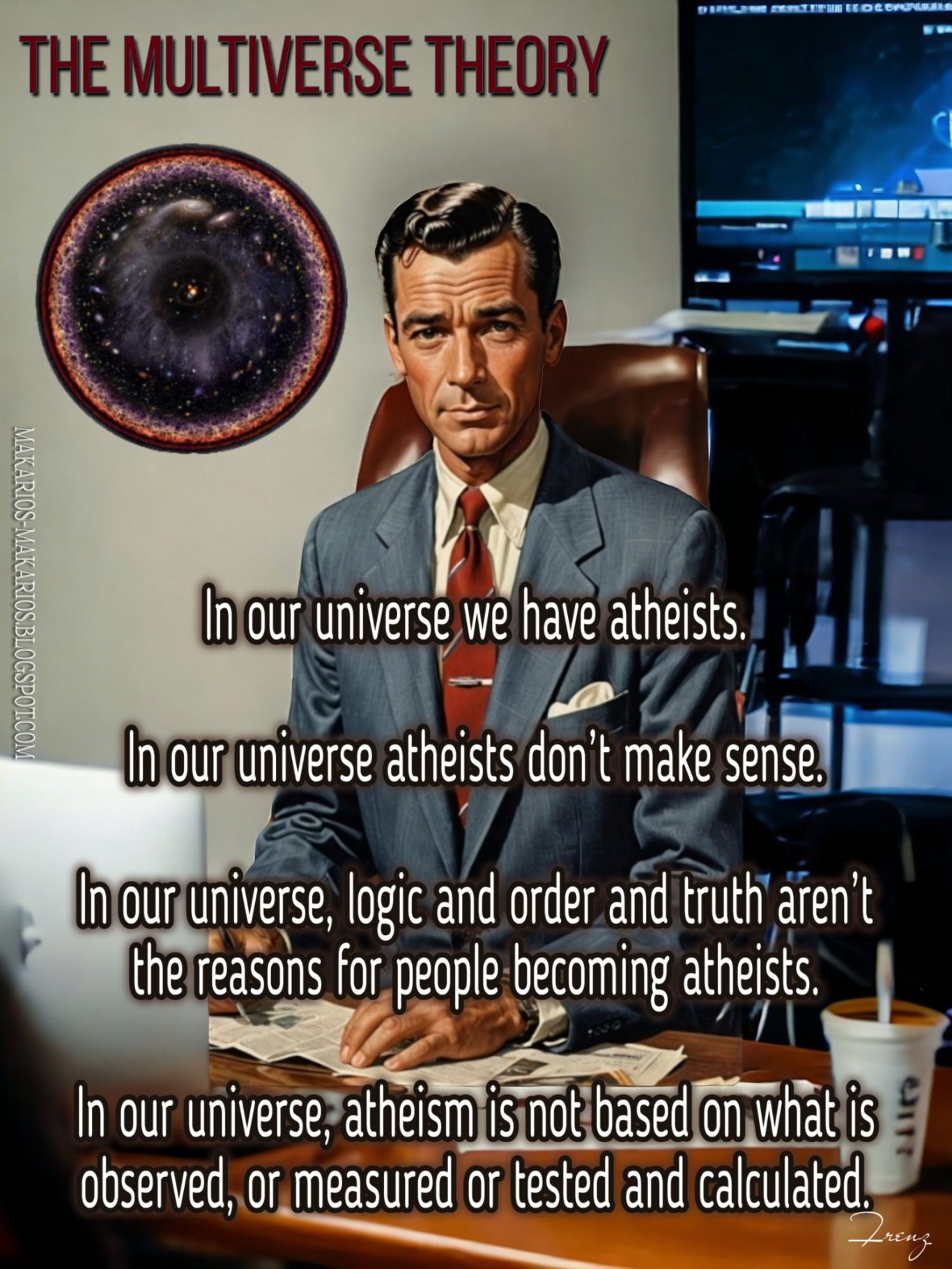
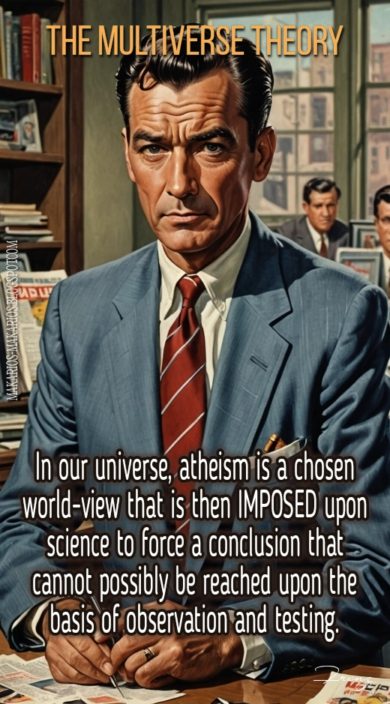
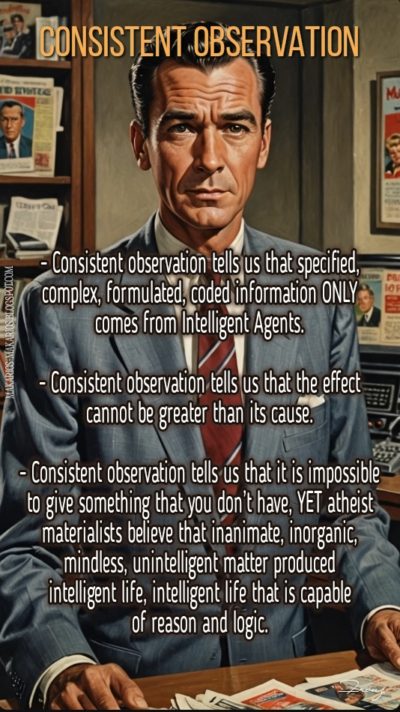
ATHEISM MEMES PART 2
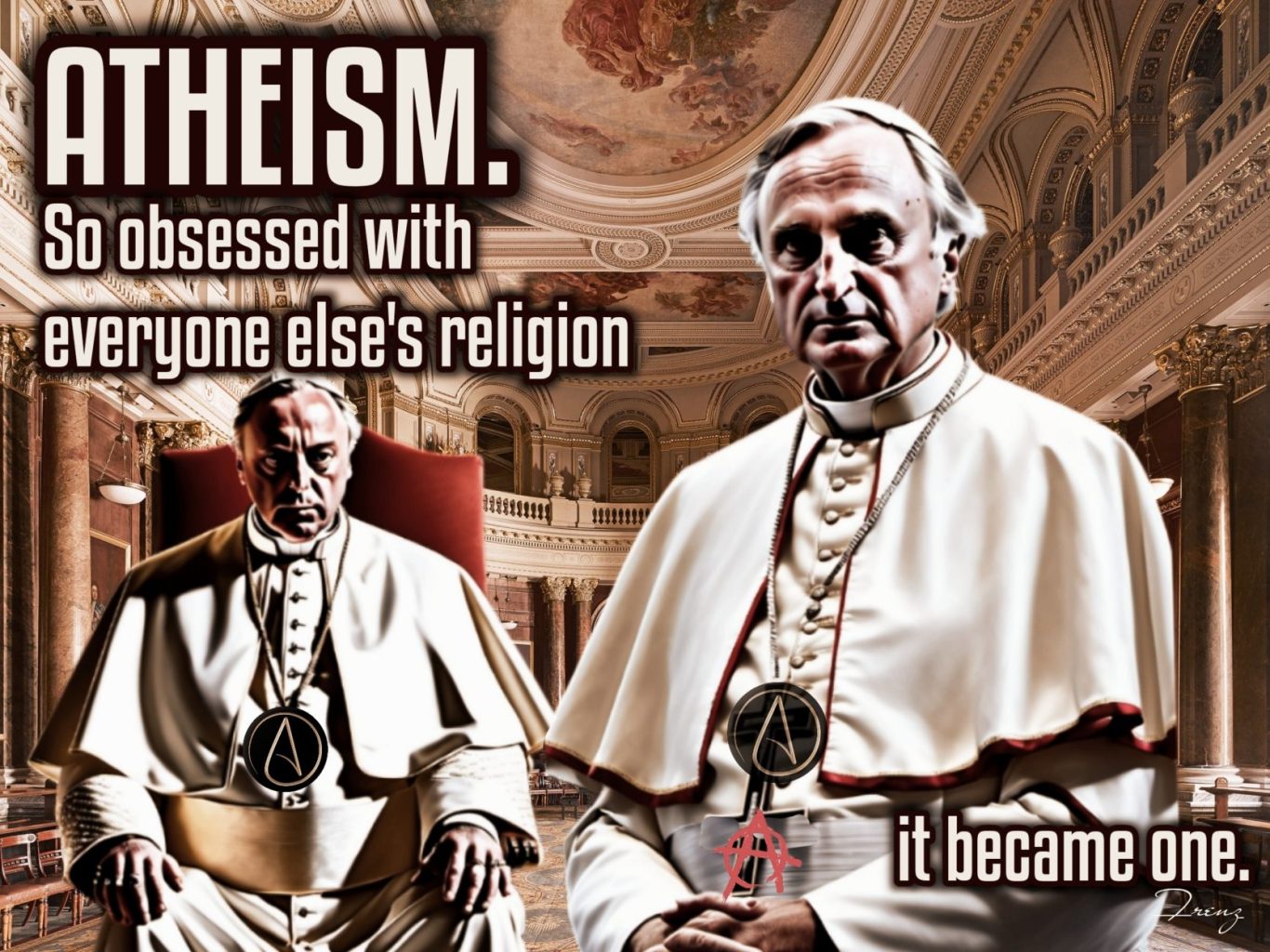
Defining Religion and Atheism
Religion is commonly defined as:
- A set of beliefs concerning the cause, nature, and purpose of the universe, often involving devotional and ritual observances, and a moral code governing human conduct.
- A specific fundamental set of beliefs and practices generally agreed upon by a group.
- Something one believes in and follows devotedly; a matter of ethics or conscience.
(See: dictionary.com; GotQuestions.org)
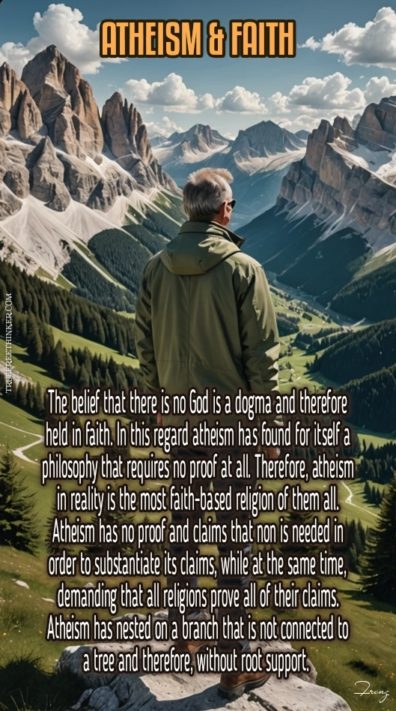
Atheism is typically defined as the belief that there is no God or gods. Some atheists claim it is simply a lack of belief, but in practice, atheism often involves a worldview with its own assumptions about reality, morality, and meaning.
Is Atheism a Religion?
From a biblical perspective, every person is inherently religious because God has designed us to know and worship Him. When people reject the one true God, they do not become non-religious; rather, they turn to other objects of devotion, even if that object is themselves or their own reasoning.
Biblical Support:
- Romans 1:19–21
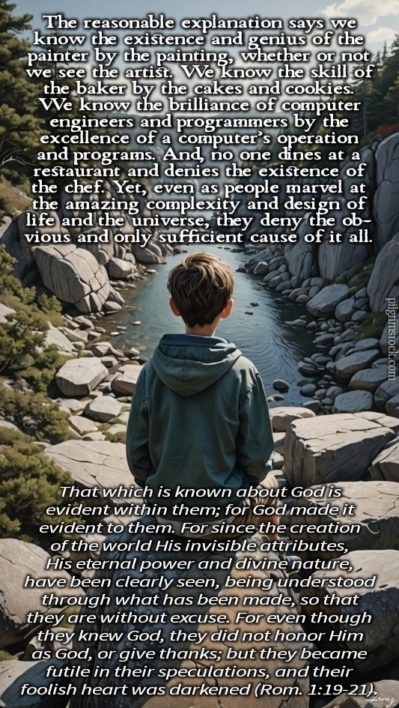
“For what can be known about God is plain to them, because God has shown it to them. For his invisible attributes, namely, his eternal power and divine nature, have been clearly perceived, ever since the creation of the world, in the things that have been made. So they are without excuse. For although they knew God, they did not honor him as God or give thanks to him, but they became futile in their thinking, and their foolish hearts were darkened.”
(ESV)
- The Bible teaches that all people have an innate awareness of God, but some suppress this truth and turn to other beliefs or objects of devotion.
- Exodus 20:3
“You shall have no other gods before me.”
(ESV)
- When God commands against idolatry, He recognizes that humans are worshipers by nature. If we do not worship the true God, we will find something else to fill that role—even if it is our own intellect or the denial of God.
- Psalm 14:1
“The fool says in his heart, ‘There is no God.’ They are corrupt, they do abominable deeds; there is none who does good.”
(ESV)
- The rejection of God is not merely an intellectual position, but a moral and spiritual one.
Atheism as a Religion: In Practice
- Atheism often functions as a religion because it provides a worldview, a set of beliefs about origins, morality, and meaning, and often a community of like-minded adherents.
- As GotQuestions.org notes:
“The atheist worships—he cannot help it—because God designed the necessity to worship into human nature. The atheist, like all who reject the one true God, creates an idol—in his case, it is an idol of himself to satisfy both the inner knowledge that there is a God and the inner necessity to worship that God.”
- Even in societies that claim to be secular or atheistic, such as Marxist regimes, atheism is often promoted with religious fervor and enforced as a state “religion.”
(See: All About God Ministries, “Marxist Theology and The Marxist Assault on the Church”)
Conclusion
Atheism can be considered a religion in the sense that it is a worldview with beliefs about ultimate reality, morality, and meaning. The Bible teaches that all people are inherently religious and will worship something—even if it is not the true God. Atheism, therefore, is not simply the absence of religion, but often a substitute religion with its own doctrines and objects of devotion.
“For what can be known about God is plain to them, because God has shown it to them.”
(Romans 1:19, ESV)

1. Spiritual Death Without the Spirit
The Bible teaches that apart from God’s Spirit, every person is spiritually dead, even if physically alive. Paul writes:
“And you were dead in the trespasses and sins in which you once walked, following the course of this world…”
(Ephesians 2:1–2, ESV)
This “death” is not physical, but spiritual—a separation from the life of God because of sin.
2. Life Comes Through the Spirit
True life—eternal, spiritual life—comes only through the Holy Spirit, whom God gives to those who trust in Jesus Christ:
“If the Spirit of him who raised Jesus from the dead dwells in you, he who raised Christ Jesus from the dead will also give life to your mortal bodies through his Spirit who dwells in you.”
(Romans 8:11, ESV)
“It is the Spirit who gives life; the flesh is no help at all.”
(John 6:63, ESV)
3. Without the Spirit, We Cannot Please God
Paul is very clear that without the Holy Spirit, we remain in the flesh and cannot please God:
“You, however, are not in the flesh but in the Spirit, if in fact the Spirit of God dwells in you. Anyone who does not have the Spirit of Christ does not belong to him.”
(Romans 8:9, ESV)
4. The Hope of New Life
But the good news is that God offers His Spirit freely to all who repent and trust in Jesus:
“Repent and be baptized every one of you in the name of Jesus Christ for the forgiveness of your sins, and you will receive the gift of the Holy Spirit.”
(Acts 2:38, ESV)
Summary
- Without the Spirit of God, a person is spiritually dead, even if physically alive.
- Only through faith in Jesus and the indwelling of the Holy Spirit do we receive true, eternal life.
- God offers this new life to all who turn to Him.
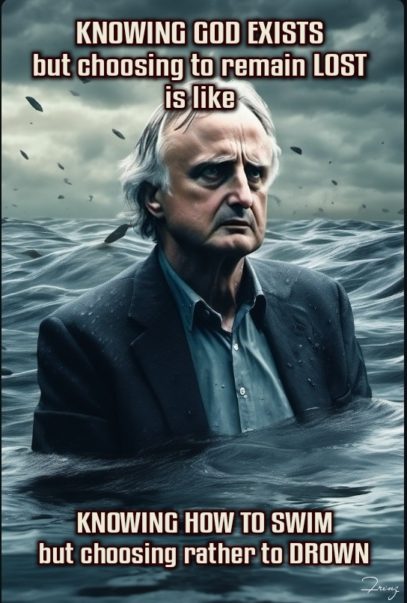
1. Knowing the Truth, Yet Rejecting It
Scripture teaches that God has made Himself known to all people:
“For what can be known about God is plain to them, because God has shown it to them. For his invisible attributes, namely, his eternal power and divine nature, have been clearly perceived, ever since the creation of the world, in the things that have been made. So they are without excuse.”
(Romans 1:19–20, ESV)
Even with this knowledge, some choose not to honor or seek Him, remaining spiritually lost.
2. The Danger of Refusing Rescue
Jesus Himself lamented over those who would not come to Him for life:
“Yet you refuse to come to me that you may have life.”
(John 5:40, ESV)
Just as a drowning person must accept help to be saved, so must we respond to God’s offer of salvation.
3. God’s Desire for All to Be Saved
God does not desire anyone to remain lost. He offers rescue to all:
“The Lord is not slow to fulfill his promise as some count slowness, but is patient toward you, not wishing that any should perish, but that all should reach repentance.”
(2 Peter 3:9, ESV)
4. The Call to Respond
The tragedy is not in being lost, but in refusing the rescue God freely offers through Jesus Christ. As Hebrews warns:
“How shall we escape if we neglect such a great salvation?”
(Hebrews 2:3, ESV)
Summary
- Knowing God exists but refusing Him is like refusing to be rescued when you know how.
- God’s offer of salvation is open to all who will receive it.
- The choice to remain lost is a tragic one, but God’s love and patience continue to reach out.
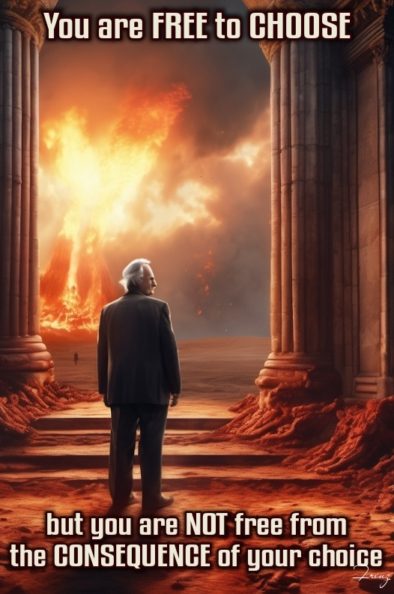
God gives us real freedom to make choices, but we are not free from the consequences of those choices. This principle is woven throughout Scripture and is essential for understanding both God’s justice and His grace.
1. Freedom to Choose
God created human beings with the ability to make real choices. This is seen from the very beginning:
“And the Lord God commanded the man, saying, ‘You may surely eat of every tree of the garden, but of the tree of the knowledge of good and evil you shall not eat, for in the day that you eat of it you shall surely die.’”
(Genesis 2:16–17, ESV)
Adam and Eve were given freedom, but also a clear warning about the consequence of disobedience.
2. Consequences Are Inescapable
The Bible repeatedly teaches that our actions have consequences—both good and bad:
“Do not be deceived: God is not mocked, for whatever one sows, that will he also reap.”
(Galatians 6:7, ESV)
This means that while we are free to make choices, we are not free to escape the results of those choices.
3. Wisdom in Decision-Making
Because of this, Scripture urges us to seek God’s wisdom as we make choices:
“If any of you lacks wisdom, let him ask God, who gives generously to all without reproach, and it will be given him.”
(James 1:5, ESV)
“Trust in the Lord with all your heart, and do not lean on your own understanding. In all your ways acknowledge him, and he will make straight your paths.”
(Proverbs 3:5–6, ESV)
4. Grace and Forgiveness
Even when we make wrong choices and face consequences, God offers forgiveness and restoration to those who repent:
“If we confess our sins, he is faithful and just to forgive us our sins and to cleanse us from all unrighteousness.”
(1 John 1:9, ESV)
Summary
- You are free to choose—God respects your will.
- You are not free from the consequences—choices have results, as God has designed.
- Seek God’s wisdom in your decisions (James 1:5; Proverbs 3:5–6).
- God’s grace is available when we repent and turn to Him (1 John 1:9).
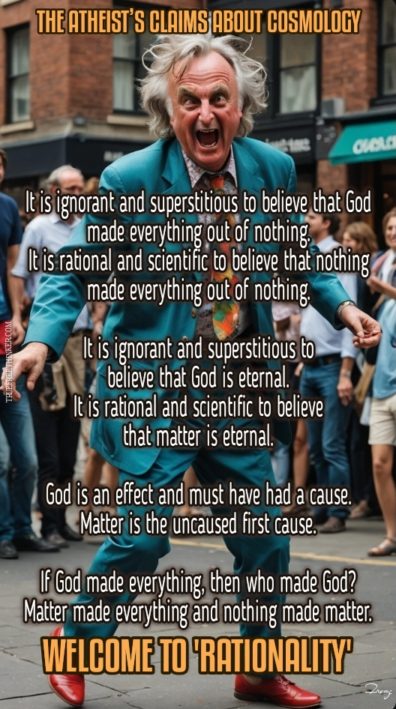
1. The Problem of Something from Nothing
Atheism, especially in its naturalistic form, asserts that everything—matter, energy, life, consciousness—arose from impersonal, unguided processes. Some atheists claim that the universe could come from “nothing,” but as Brian Miller points out:
“In reality, neither Hawking’s nor Vilenkin’s research demonstrates that the universe could emerge out of nothing purely due to the laws of physics. The underlying mathematics actually presuppose an already-existing universe. In other words, the ‘nothing’ from which the models start is not a literal nothing but a universe that has already begun, albeit with zero spatial volume, after the big bang event. … The very claim that a physical law can do anything represents a serious error. Physical laws simply describe what occurs in an existing universe when existing masses and existing forces interact. Before a universe begins, the physical laws can be described by mathematical expressions, but the mathematics have no power to cause any event to take place.”
(Brian Miller, “Resisting the Big Bang and Its Implications”)
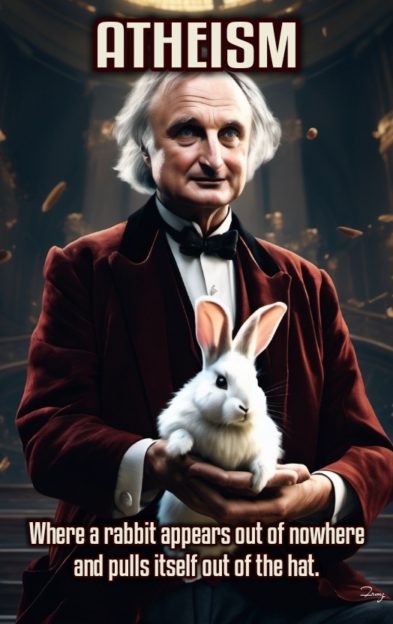
This is much like your “rabbit” analogy: in atheism, the universe is expected to pull itself into existence, which is not only counterintuitive but also unsupported by both science and logic.
2. The Biblical Perspective
The Bible teaches that God is the uncaused Cause, the Creator who brings all things into existence by His will and power:
- Genesis 1:1
“In the beginning, God created the heavens and the earth.”
- Hebrews 11:3
“By faith we understand that the universe was created by the word of God, so that what is seen was not made out of things that are visible.”
- John 1:3
“All things were made through him, and without him was not any thing made that was made.”
Scripture is clear: the universe did not arise from nothing by itself, but was created by a transcendent, intelligent, and personal God.
3. Design and the Illusion of Spontaneity
Some atheists appeal to evolution or “natural selection” as a kind of blind process that can produce the appearance of design. But as David Coppedge observes:
“Evolutionists speak freely of natural selection as a ‘tinkerer’ cobbling together whatever odd parts are handy so that a solution, however awkward, comes to satisfy a need brought on by ‘selection pressure.’ The resulting structures give the illusion of design but are not the work of a rational agent. … Evolutionists need no magician; the rabbit emerges out of the hat spontaneously, as if an invisible hand pulled on its ears.”
(David Coppedge, “Darwinists Seek to Explain the Eye’s Perfection”)
This again highlights the implausibility of complex, ordered systems arising without a designer—much like a rabbit pulling itself out of a hat.
4. Spiritual Application
The Bible teaches that creation itself points us to the reality of God:
- Romans 1:20
“For his invisible attributes, namely, his eternal power and divine nature, have been clearly perceived, ever since the creation of the world, in the things that have been made. So they are without excuse.”
God invites us to see His handiwork in creation and to seek Him, rather than settling for explanations that ultimately require more faith to believe than the existence of a Creator.
Conclusion
The “rabbit pulling itself out of the hat” is a fitting metaphor for the self-contradictory nature of atheistic explanations for the universe’s origin. The Bible offers a coherent and satisfying answer: In the beginning, God created. The universe, life, and all that exists are the result of His purposeful and intelligent action—not the product of chance or nothingness.

That statement—“Life without Christ is a dead end”—is profoundly true, both theologically and existentially. Without Christ, life may appear full for a time, but it ultimately lacks purpose, peace, and hope. Scripture teaches that apart from Him, we are spiritually dead, alienated from God, and unable to find lasting meaning.
1. Life Without Christ Is Spiritual Death
The Bible is clear that sin separates humanity from God, the source of life.
“And you hath he quickened, who were dead in trespasses and sins.” (Ephesians 2:1 KJV)
“For the wages of sin is death; but the gift of God is eternal life through Jesus Christ our Lord.” (Romans 6:23 KJV)
“He that hath the Son hath life; and he that hath not the Son of God hath not life.” (1 John 5:12 KJV)
Without Christ, we may exist biologically, but we are spiritually lifeless—cut off from the very One who gives life meaning and direction.
2. Life Without Christ Is Hopeless
As Precept Austin explains in “God’s Word of Hope” (PreceptAustin.org):
“The unsaved sinner is ‘without hope’ and if he dies without Christ, he will be hopeless forever. … Life without Christ is a hopeless end, but life in Christ is an endless hope.”
That is the heart of the gospel. Without Christ, every pursuit—wealth, pleasure, success—ends in emptiness. With Him, even suffering and death are transformed into hope and eternal joy.
3. Life With Christ Is True Life
Jesus did not come merely to improve our circumstances; He came to give us life itself.
“I am come that they might have life, and that they might have it more abundantly.” (John 10:10 KJV)
“I am the way, the truth, and the life: no man cometh unto the Father, but by me.” (John 14:6 KJV)
“In him was life; and the life was the light of men.” (John 1:4 KJV)
Only in Christ do we find forgiveness, purpose, and eternal fellowship with God. Every other path—no matter how appealing—leads to a dead end.
4. The Invitation to Life
The good news is that no one has to remain on that dead‑end road. Jesus offers new life to all who turn to Him in repentance and faith.
“Come unto me, all ye that labour and are heavy laden, and I will give you rest.” (Matthew 11:28 KJV)
“Therefore if any man be in Christ, he is a new creature: old things are passed away; behold, all things are become new.” (2 Corinthians 5:17 KJV)
Christ doesn’t just change our destination; He transforms our hearts and gives us a reason to live today.
5. Summary
Without Christ, life ends in death—spiritually, morally, and eternally. With Christ, death itself becomes the doorway to everlasting life.
As Romans 8:1–2 (KJV) declares:
“There is therefore now no condemnation to them which are in Christ Jesus… For the law of the Spirit of life in Christ Jesus hath made me free from the law of sin and death.”
Life without Christ is a dead end, but life in Christ is an endless hope.
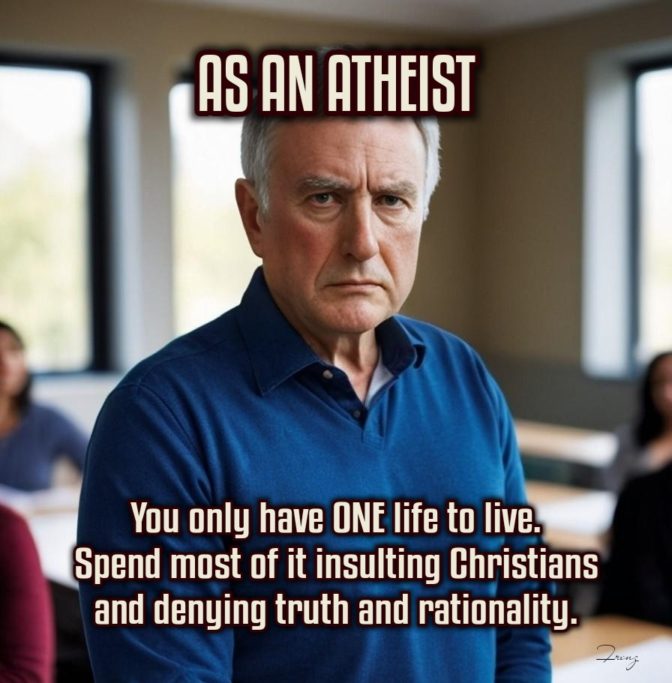
A piece of satire on atheism, contrasting the atheist worldview (“you only have one life”) with the behavior it criticizes (“spend most of it insulting Christians and denying truth and rationality”).
From a Christian perspective, the message behind such an image can be a reminder of two important truths:
Every worldview has moral and eternal consequences.
Scripture teaches that life is not limited to our time on earth. “It is appointed unto men once to die, but after this the judgment” (Hebrews 9:27). The Christian view holds that our earthly life is preparation for eternity, and that rejecting God’s truth has eternal implications.
Christians are called to respond to mockery or hostility with grace and truth.
Jesus said, “Blessed are ye, when men shall revile you, and persecute you, and shall say all manner of evil against you falsely, for my sake” (Matthew 5:11). The Apostle Peter also wrote, “But sanctify the Lord God in your hearts: and be ready always to give an answer to every man that asketh you a reason of the hope that is in you with meekness and fear” (1 Peter 3:15).
As the article “The Blessing of Persecution” from TableTalk Magazine explains, persecution and ridicule are not signs of failure but often confirmations that Christ is being seen in us. The piece reminds believers that suffering for truth is part of following Jesus, and that avoiding persecution by compromising truth is a form of denying Him. When we endure mockery for Christ’s sake, we share in His sufferings and bear witness to His reality.
Truth is not relative.
Jesus declared, “I am the way, the truth, and the life: no man cometh unto the Father, but by me” (John 14:6). In a culture that often treats all beliefs as equally valid, affirming that there is one truth in Christ will inevitably provoke opposition. Yet Christians must continue to speak that truth in love (Ephesians 4:15).
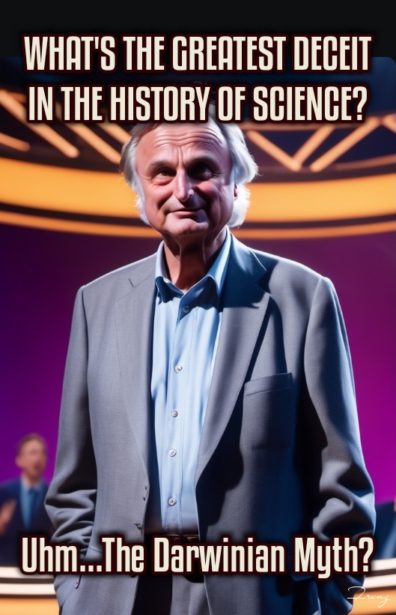
1. What Is Darwinian Evolution?
Darwinian evolution, or the theory of evolution by natural selection, proposes that all living things share a common ancestor and that the diversity of life results from gradual changes over long periods, driven by random mutations and natural selection.
2. Is Darwinian Evolution a Myth?
A. Scientific Critique
Recent scientific discoveries have raised significant challenges to the Darwinian model:
Probability and Genetics:
As highlighted in Denyse O’Leary’s article, probability calculations for the evolution of humans from a common ancestor with chimpanzees are “essentially approaching zero for any practical purposes.” The complexity of the genetic differences cannot be explained by random mutation and natural selection alone.
Irreducible Complexity:
The discovery of complex biological systems, such as the mitochondrial information processing system (MIPS), points to intricate design that cannot be easily explained by gradual, stepwise evolution. As David Coppedge notes, attributing such complexity to chance is not a satisfactory explanation.
Obsolescence of Darwinism:
Michael Flannery observes that “the epoch of Darwinian evolution based on competition between species ended about ten thousand years ago,” and that cultural evolution, not biological evolution, is now the main driver of change. He calls Darwinian evolution an “obsolete theory.”
B. Biblical Perspective
The Bible clearly teaches that God is the Creator of all life, and that humans are uniquely created in His image—not the product of an unguided evolutionary process.
- Genesis 1:26–27 (ESV):
“Then God said, ‘Let us make man in our image, after our likeness…’ So God created man in his own image, in the image of God he created him; male and female he created them.”
- Psalm 139:13–14 (ESV):
“For you formed my inward parts; you knitted me together in my mother’s womb. I praise you, for I am fearfully and wonderfully made.”
- Romans 1:20 (ESV):
“For his invisible attributes, namely, his eternal power and divine nature, have been clearly perceived, ever since the creation of the world, in the things that have been made. So they are without excuse.”
The Bible does not support the idea that humans or animals evolved from common ancestors through random, unguided processes. Instead, it affirms intentional, intelligent creation.
C. Philosophical and Theological Implications
Materialism vs. Theism:
Darwinian evolution is often used to support a materialistic worldview that excludes God. However, the evidence for design in nature points to a Creator, as affirmed in Romans 1:20.
Human Uniqueness:
The doctrine of the imago Dei (image of God) sets humans apart from animals, which is incompatible with the idea that humans are merely advanced animals.
3. Conclusion
Based on both Scripture and scientific critique, Darwinian evolution as a comprehensive explanation for the origin and diversity of life is not only scientifically inadequate but also theologically incompatible with the Bible. As Denyse O’Leary notes, it functions more as a modern secular myth than as a proven fact.
The Bible teaches that God created all living things according to their kinds (Genesis 1), and human beings are uniquely made in His image. The complexity and information found in life point to an intelligent Designer, not to blind chance.
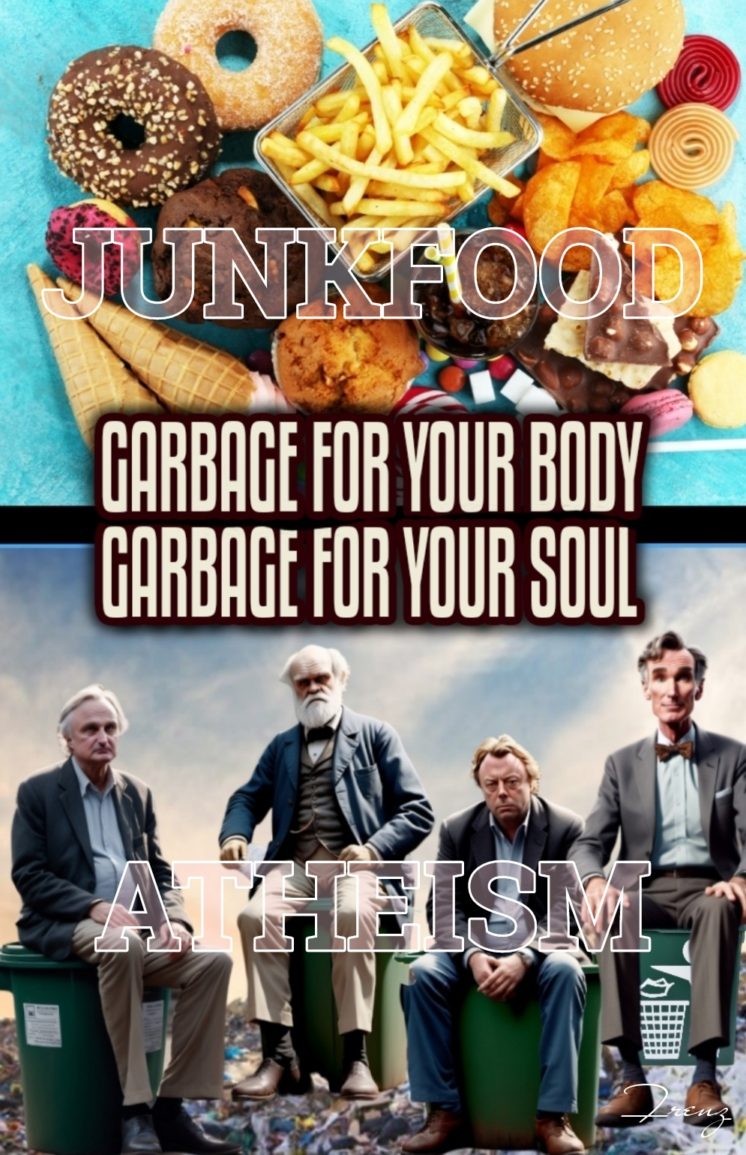
1. The Bible’s View on Atheism
The Bible addresses the spiritual consequences of denying God’s existence:
- Psalm 14:1 (ESV):
“The fool says in his heart, ‘There is no God.’ They are corrupt, they do abominable deeds; there is none who does good.”
This verse does not insult atheists but highlights the spiritual emptiness and moral confusion that can result from rejecting God.
- Romans 1:20-21 (ESV):
“For his invisible attributes, namely, his eternal power and divine nature, have been clearly perceived, ever since the creation of the world, in the things that have been made. So they are without excuse. For although they knew God, they did not honor him as God or give thanks to him, but they became futile in their thinking, and their foolish hearts were darkened.”
Paul teaches that denying God leads to a darkening of the heart and futility in thinking.
- 1 Corinthians 2:14 (ESV):
“The natural person does not accept the things of the Spirit of God, for they are folly to him, and he is not able to understand them because they are spiritually discerned.”
Without the Spirit of God, a person cannot grasp spiritual truth, which leads to spiritual emptiness.
2. Atheism and the Soul
Atheism, by definition, rejects the existence of God, the source of life, meaning, and hope. Without God:
- There is no objective basis for morality (Romans 2:14-15).
- There is no ultimate hope beyond this life (1 Thessalonians 4:13).
- There is no true meaning or purpose (Ecclesiastes 1:2-3).
As GotQuestions.org summarizes:
“Without God there would be no objective basis for morality, no life, and no reason to live it. Yet all these things do exist, and so does God.”
3. God’s Grace Is Available to All
While atheism leads to spiritual emptiness, the good news is that God offers grace and forgiveness to all who seek Him:
- Acts 17:27 (ESV):
“…that they should seek God, and perhaps feel their way toward him and find him. Yet he is actually not far from each one of us.”
- John 3:16 (ESV):
“For God so loved the world, that he gave his only Son, that whoever believes in him should not perish but have eternal life.”
No matter one’s past beliefs, anyone can turn to God and find true life for their soul.
Conclusion
While atheism ultimately leaves the soul empty and without hope, God lovingly invites every person to know Him, find forgiveness, and receive eternal life through Jesus Christ.
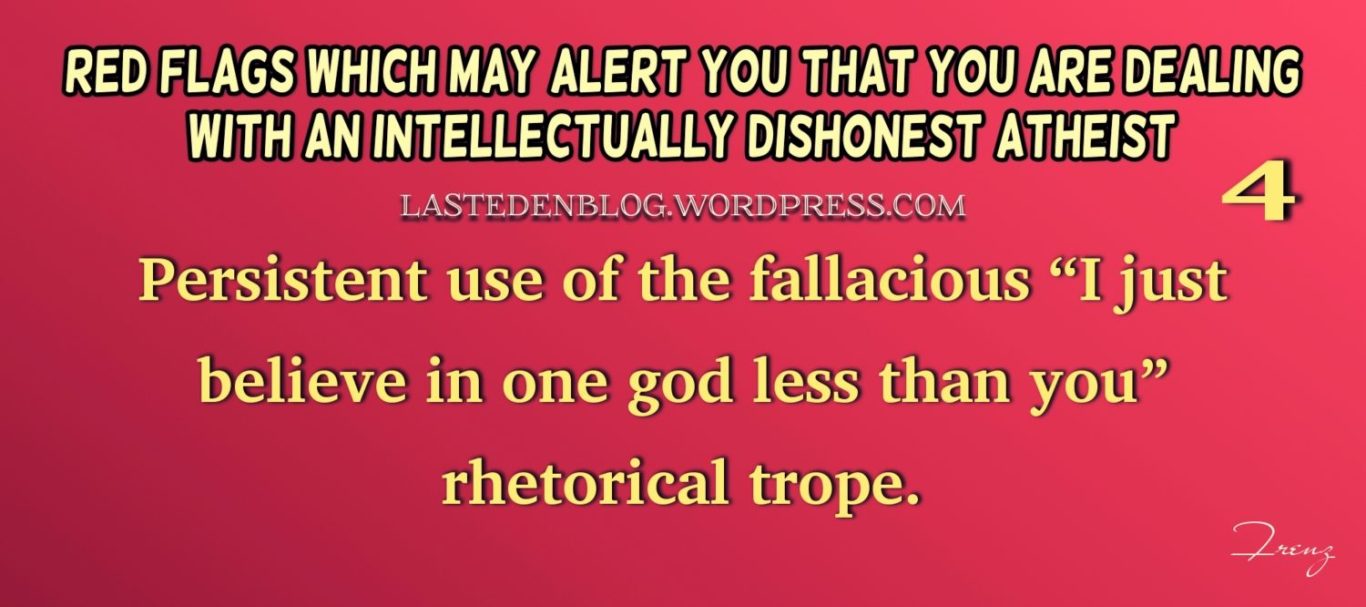
1. The Uniqueness of the Christian God
The Bible teaches that the God of Scripture is not just one among many, but the only true and living God, fundamentally different from all other so-called “gods.”
- Isaiah 45:5 (ESV):
“I am the LORD, and there is no other, besides me there is no God; I equip you, though you do not know me.”
- Deuteronomy 6:4 (ESV):
“Hear, O Israel: The LORD our God, the LORD is one.”
- 1 Corinthians 8:4–6 (ESV):
“…we know that ‘an idol has no real existence,’ and that ‘there is no God but one.’ For although there may be so-called gods in heaven or on earth—as indeed there are many ‘gods’ and many ‘lords’—yet for us there is one God, the Father, from whom are all things and for whom we exist, and one Lord, Jesus Christ, through whom are all things and through whom we exist.”
The biblical claim is not that the Christian God is simply one option among many, but that He alone is real and all others are false or imaginary.
2. False Analogy in the Trope
The “one god less” argument treats all gods as equally probable or equally invented, but this is a false analogy. Christians reject other gods not because they are “almost atheists,” but because they are convinced—by evidence, revelation, and reason—that only the God revealed in the Bible truly exists.
- Acts 17:22–23 (ESV):
“Men of Athens, I perceive that in every way you are very religious. For as I passed along and observed the objects of your worship, I found also an altar with this inscription, ‘To the unknown god.’ What therefore you worship as unknown, this I proclaim to you.”
Paul didn’t say, “I just believe in one god less than you.” Instead, he proclaimed the reality of the one true God whom they did not know.
3. The Call to Worship the True God
The Bible calls all people to turn from false gods and worship the one true God:
- 1 Thessalonians 1:9 (ESV):
“For they themselves report concerning us the kind of reception we had among you, and how you turned to God from idols to serve the living and true God.”
Conclusion
The “one god less” trope misunderstands the Christian claim. Christians do not simply believe in “one more god” than atheists; they believe in the one true God who is fundamentally different from all other claims to deity. The Bible consistently affirms God’s uniqueness, reality, and worthiness of worship.
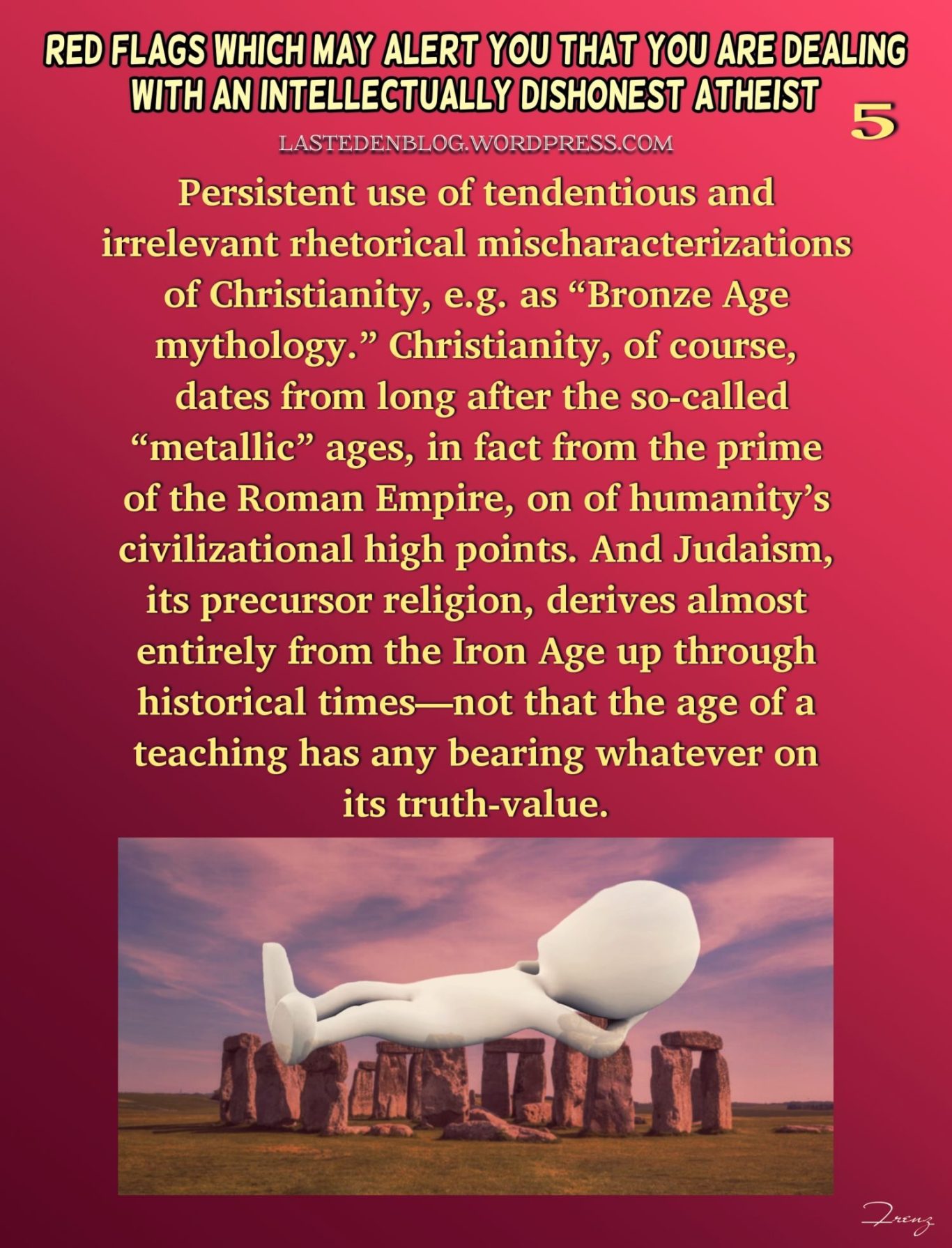
This image actually makes a fair and thoughtful point—though expressed polemically—about a common rhetorical tactic used by some critics of Christianity.
Calling Christianity “Bronze Age mythology” is not only historically inaccurate but also a tendentious mischaracterization—a phrase meant to dismiss faith without engaging its claims. Christianity arose in the first century A.D., during the Roman Empire, and its roots in Judaism trace back to the Iron Age, not the Bronze Age. More importantly, as the image rightly notes, the truth of a belief is not determined by its age but by its correspondence to reality.
The Bible itself affirms that truth is timeless, because it flows from the eternal God:
“For ever, O Lord, thy word is settled in heaven” (Psalm 119:89).
“The grass withereth, the flower fadeth: but the word of our God shall stand for ever” (Isaiah 40:8).
“Jesus Christ the same yesterday, and to day, and for ever” (Hebrews 13:8).
The Christian faith rests not on cultural antiquity but on historical revelation—God acting in real time and space, culminating in the life, death, and resurrection of Jesus Christ (1 Corinthians 15:3–8).
As TableTalk Magazine’s article “The Rise of Protestant Liberalism” explains, when theology drifts from the objective truth of Scripture and begins to adapt itself to the “spirit of the age,” it loses its foundation. Friedrich Schleiermacher’s attempt to reinterpret Christianity through subjective feeling rather than divine revelation was one of the first major steps toward modern theological relativism. That same relativism often underlies the dismissive rhetoric seen in some atheist critiques today.
So, the image’s reasoning is sound in this respect:
Christianity is not a primitive myth but a faith grounded in historical events and divine revelation.
The chronological age of a belief system says nothing about its truth-value.
What matters is whether its claims correspond to reality—and the resurrection of Christ stands as the central, historical claim that validates the Christian worldview.
In short, truth is not “modern” or “ancient.” It is eternal, because it proceeds from the God who “cannot lie” (Titus 1:2).
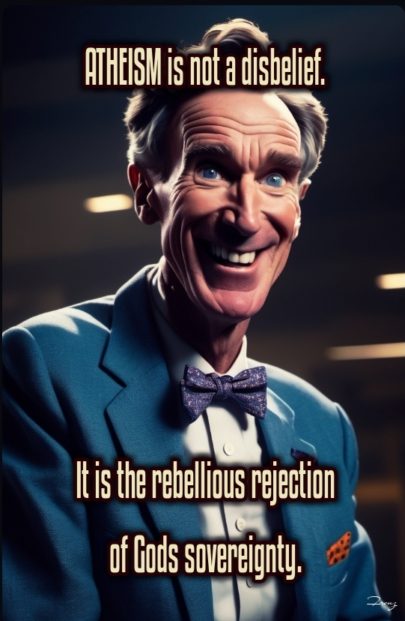
This statement captures a profoundly biblical truth. Atheism is not merely an intellectual position of “disbelief”; it is, at its core, a moral and spiritual rebellion against the authority of God.
The Bible teaches that every person already knows, deep down, that God exists. “That which may be known of God is manifest in them; for God hath shewed it unto them” (Romans 1:19). Creation itself reveals His power and divinity, leaving humanity “without excuse” (Romans 1:20). Yet, as Paul continues, “they did not like to retain God in their knowledge” (Romans 1:28). In other words, atheism is not ignorance—it is suppression of truth.
This aligns with the teaching from GotQuestions.org in the article “Is Atheism a Religion?” which explains that atheism is not simply disbelief in God but the rejection of God. The atheist “refuses to submit to God and therefore rejects God,” hiding rebellion behind the claim that there is no God. Because God designed humans with an innate awareness of Him and a built-in need to worship, those who reject Him inevitably worship something else—often themselves. Thus, atheism becomes a kind of self-centered religion, a “religion of trust in oneself.”
Similarly, as Dr. Sinclair Ferguson explains in Ligonier Ministries’ podcast “Unbelief: A Moral Issue,” unbelief is not primarily an intellectual problem but a moral one. Every person bears the image of God, and though sin has distorted that image, it has not destroyed it. Therefore, even those who claim atheism cannot escape the revelation of God in creation and conscience. Their denial is rooted in moral rebellion, not lack of evidence.
Scripture consistently portrays unbelief in this light:
“The fool hath said in his heart, There is no God” (Psalm 14:1). This “foolishness” is not about intelligence but about moral corruption—“They are corrupt, they have done abominable works.”
“Because that, when they knew God, they glorified him not as God, neither were thankful; but became vain in their imaginations, and their foolish heart was darkened” (Romans 1:21).
“And this is the condemnation, that light is come into the world, and men loved darkness rather than light, because their deeds were evil” (John 3:19).
So yes—atheism is not a neutral “lack of belief.” It is the active rejection of God’s rightful rule over one’s life. Yet even this rebellion can be forgiven. The same God whom atheists deny still extends mercy through Jesus Christ to all who repent and believe. “But God commendeth his love toward us, in that, while we were yet sinners, Christ died for us” (Romans 5:8).
In short: atheism is rebellion, but grace is greater. God’s sovereignty remains unshaken, and His invitation to reconciliation stands open to all.
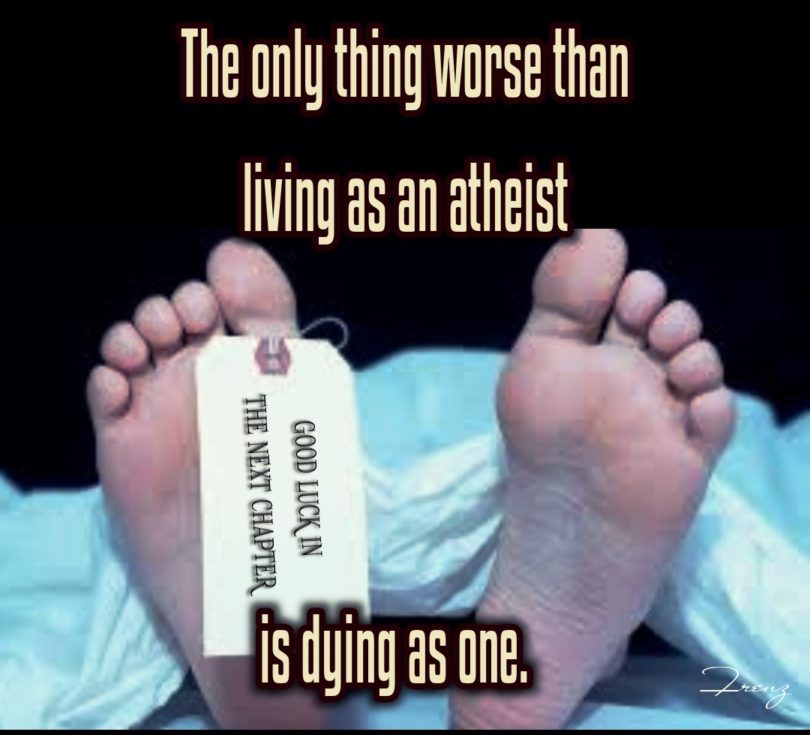
Biblical Perspective
- God’s Existence Is Evident
- The Bible says that God’s existence and power are clearly seen in creation: > “For what can be known about God is plain to them, because God has shown it to them. For his invisible attributes, namely, his eternal power and divine nature, have been clearly perceived, ever since the creation of the world, in the things that have been made. So they are without excuse.”
(Romans 1:19–20, ESV) - Psalm 19:1–2 (ESV) also declares: > “The heavens declare the glory of God, and the sky above proclaims his handiwork. Day to day pours out speech, and night to night reveals knowledge.”
- The Consequence of Unbelief
- The Bible warns that rejecting God has eternal consequences: > “Whoever believes in the Son has eternal life; whoever does not obey the Son shall not see life, but the wrath of God remains on him.”
(John 3:36, ESV) - Hebrews 9:27 (ESV) reminds us: > “And just as it is appointed for man to die once, and after that comes judgment…”
- God’s Offer of Grace
- Even so, God’s heart is for all to come to repentance and faith: > “The Lord is not slow to fulfill his promise as some count slowness, but is patient toward you, not wishing that any should perish, but that all should reach repentance.”
(2 Peter 3:9, ESV) - Jesus promises that those who seek Him will find Him: > “You will seek me and find me, when you seek me with all your heart.”
(Jeremiah 29:13, ESV)
A Loving Challenge
While living without God may seem bearable to some, the Bible teaches that dying without reconciliation to God is a tragedy of eternal proportions. Yet, the good news is that God offers forgiveness, new life, and hope to all who turn to Him in faith—no matter their past.
If you or someone you know is wrestling with questions about God, I encourage you to keep seeking truth. As Pascal’s Wager suggests, it is wise to consider the evidence and the stakes involved (see Jeremiah 29:13). God promises to be found by those who earnestly seek Him.
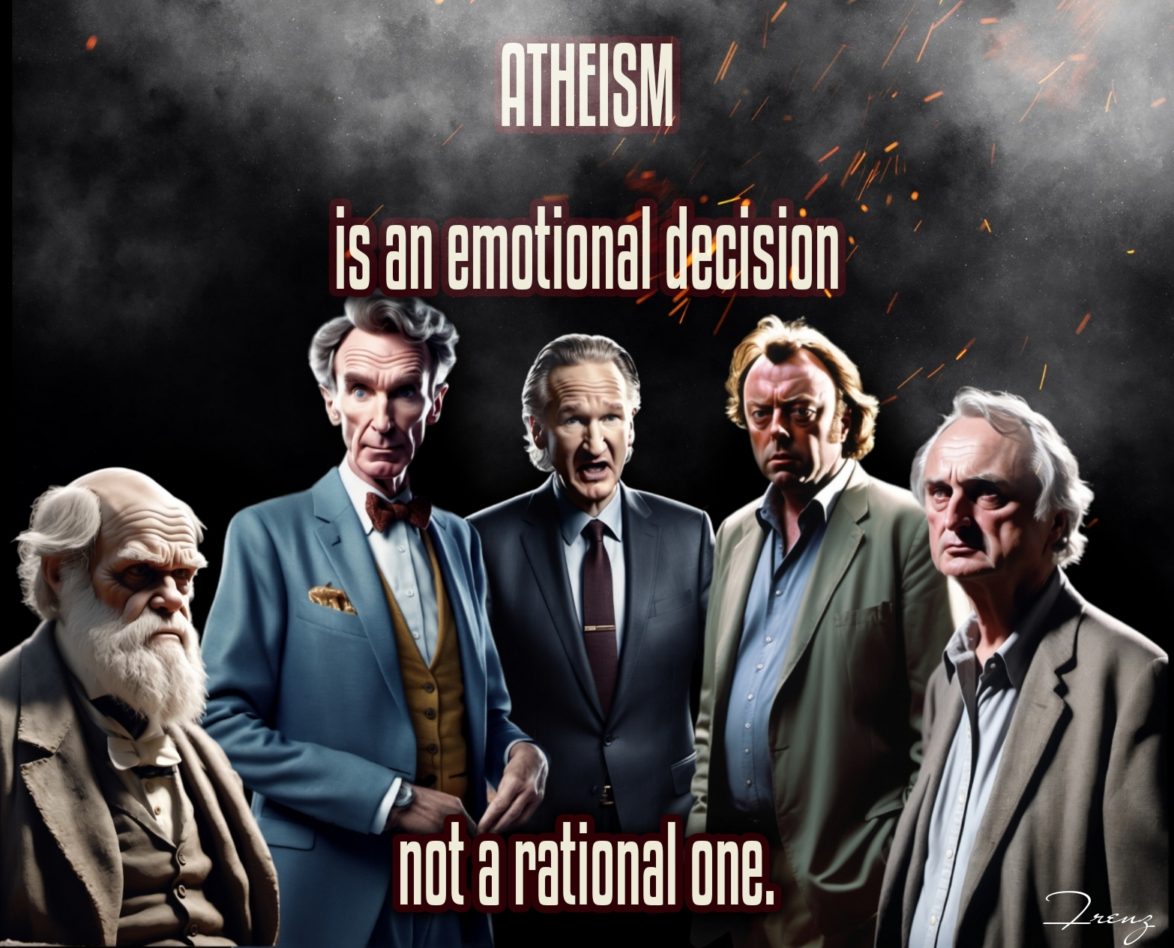
Is Atheism an Emotional or Rational Decision?
1. The Bible’s View of Unbelief
Scripture teaches that knowledge of God is available to all people through creation and conscience:
Romans 1:19–21 (ESV):
“For what can be known about God is plain to them, because God has shown it to them. For his invisible attributes, namely, his eternal power and divine nature, have been clearly perceived, ever since the creation of the world, in the things that have been made. So they are without excuse. For although they knew God, they did not honor him as God or give thanks to him, but they became futile in their thinking, and their foolish hearts were darkened.”
This passage shows that unbelief is not simply an intellectual issue, but also a matter of the heart and will. People may suppress the truth for various reasons, including emotional ones.
2. The Role of the Heart and Mind
The Bible recognizes that both the mind and the heart are involved in belief and unbelief:
Ephesians 4:17–18 (ESV):
“Now this I say and testify in the Lord, that you must no longer walk as the Gentiles do, in the futility of their minds. They are darkened in their understanding, alienated from the life of God because of the ignorance that is in them, due to their hardness of heart.”
Here, Paul connects intellectual darkness (“futility of their minds”) with a “hardness of heart,” showing that unbelief is both rational and emotional.
3. The Desire for Autonomy
Often, people reject God because they desire autonomy or are reacting to pain, disappointment, or anger:
John 3:19–20 (ESV):
“And this is the judgment: the light has come into the world, and people loved the darkness rather than the light because their works were evil. For everyone who does wicked things hates the light and does not come to the light, lest his works should be exposed.”
Jesus teaches that sometimes rejection of God is rooted in a desire to avoid moral accountability, which is an emotional and volitional response.
Summary
While many atheists claim their position is purely rational, the Bible reveals that unbelief is often a complex mixture of intellectual, emotional, and moral factors. God calls everyone to seek Him with both heart and mind (Jeremiah 29:13; Matthew 22:37). Ultimately, the Christian faith is not blind or irrational, but is rooted in evidence, reason, and a relationship with the living God.
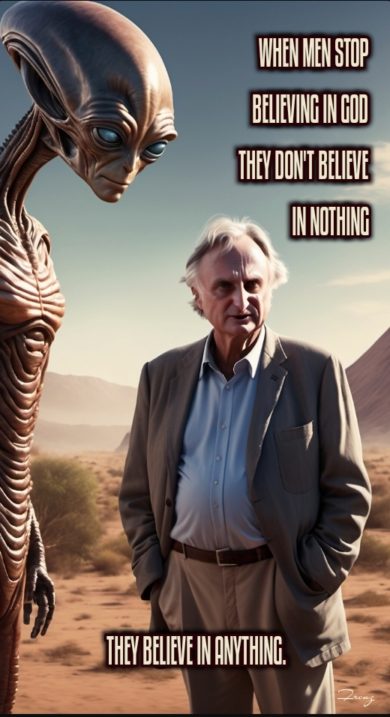
1. The Human Need for Worship and Meaning
The Bible teaches that humans are created to worship and seek meaning. When people reject the true God, they inevitably turn to other things to fill that void:
Romans 1:21, 23 (ESV):
“For although they knew God, they did not honor him as God or give thanks to him, but they became futile in their thinking, and their foolish hearts were darkened. … and exchanged the glory of the immortal God for images resembling mortal man and birds and animals and creeping things.”
When belief in God is abandoned, people do not become neutral; instead, they often turn to other beliefs, ideologies, or even superstitions.
2. The Danger of Spiritual Emptiness
Jesus warned about the dangers of spiritual emptiness:
Matthew 12:43–45 (ESV):
“When the unclean spirit has gone out of a person, it passes through waterless places seeking rest, but finds none. Then it says, ‘I will return to my house from which I came.’ And when it comes, it finds the house empty, swept, and put in order. Then it goes and brings with it seven other spirits more evil than itself, and they enter and dwell there, and the last state of that person is worse than the first.”
This parable illustrates that when the heart is emptied of God, it becomes vulnerable to being filled with anything else—often to one’s harm.
3. The Wisdom of True Faith
The book of Proverbs warns against abandoning God’s wisdom for the world’s confusion:
Proverbs 14:12 (ESV):
“There is a way that seems right to a man, but its end is the way to death.”
Without God’s truth as our anchor, we are susceptible to every passing idea or trend.
Chesterton’s Insight
As G.K. Chesterton wrote in Orthodoxy:
“All that concerns us here, however, is to note that this panegoistic extreme of thought exhibits the same paradox as the other extreme of materialism. … Then when the man, believing in nothing and in no man, is alone in his own nightmare, then the great individualistic motto shall be written over him in avenging irony. … But over his cell shall be written, with dreadful truth, ‘He believes in himself.’”
Chesterton recognized that abandoning God does not lead to true freedom or rationality, but to a vacuum quickly filled by lesser beliefs.
Summary
When people stop believing in God, they do not become empty vessels of pure reason; rather, they often fill the void with whatever offers meaning, purpose, or comfort—even if it is ultimately false or destructive. The Bible calls us to anchor our lives in the truth of God, who alone can satisfy the deepest longings of the human heart (John 14:6; Psalm 16:11).
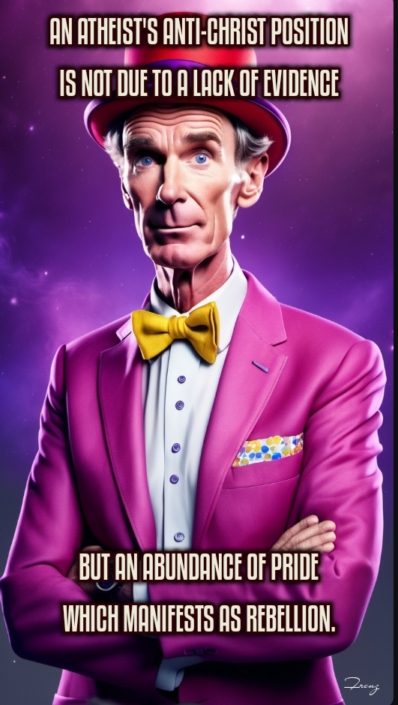
Thank you for sharing this perspective. The Bible does address the issue of unbelief and rebellion against God, and it helps us understand why some people reject faith, even in the presence of evidence.
1. The Suppression of Truth
Scripture teaches that God has made His existence and attributes clear through creation, so that people are “without excuse.” However, some choose to suppress this truth.
Romans 1:19–21 (ESV):
“For what can be known about God is plain to them, because God has shown it to them. For his invisible attributes, namely, his eternal power and divine nature, have been clearly perceived, ever since the creation of the world, in the things that have been made. So they are without excuse. For although they knew God, they did not honor him as God or give thanks to him, but they became futile in their thinking, and their foolish hearts were darkened.”
This passage shows that the problem is not a lack of evidence, but a willful rejection of God’s revelation.
2. Pride and Rebellion
The Bible also links unbelief to pride and a desire for autonomy. Pride can lead people to reject God’s authority and choose their own way.
James 4:6 (ESV):
“God opposes the proud but gives grace to the humble.”
Psalm 10:4 (ESV):
“In the pride of his face the wicked does not seek him; all his thoughts are, ‘There is no God.’”
As CompellingTruth.org points out, the issue is not the likelihood of God’s existence, but the evidence for His existence. Yet, many reject God not because of insufficient evidence, but because of a heart posture that resists submitting to Him.
3. The Need for Humility and Repentance
The Bible calls everyone to humble themselves, recognize their need for God, and turn from rebellion.
Acts 17:30 (ESV):
“The times of ignorance God overlooked, but now he commands all people everywhere to repent.”
God’s grace and forgiveness are available to all who turn to Him in humility and faith, no matter their past rebellion.
Summary
While evidence for God is abundant in creation and in Scripture, the root of unbelief is often pride and a desire for independence from God. The Bible invites all people to humble themselves, seek the truth, and receive God’s grace through repentance and faith in Jesus Christ.
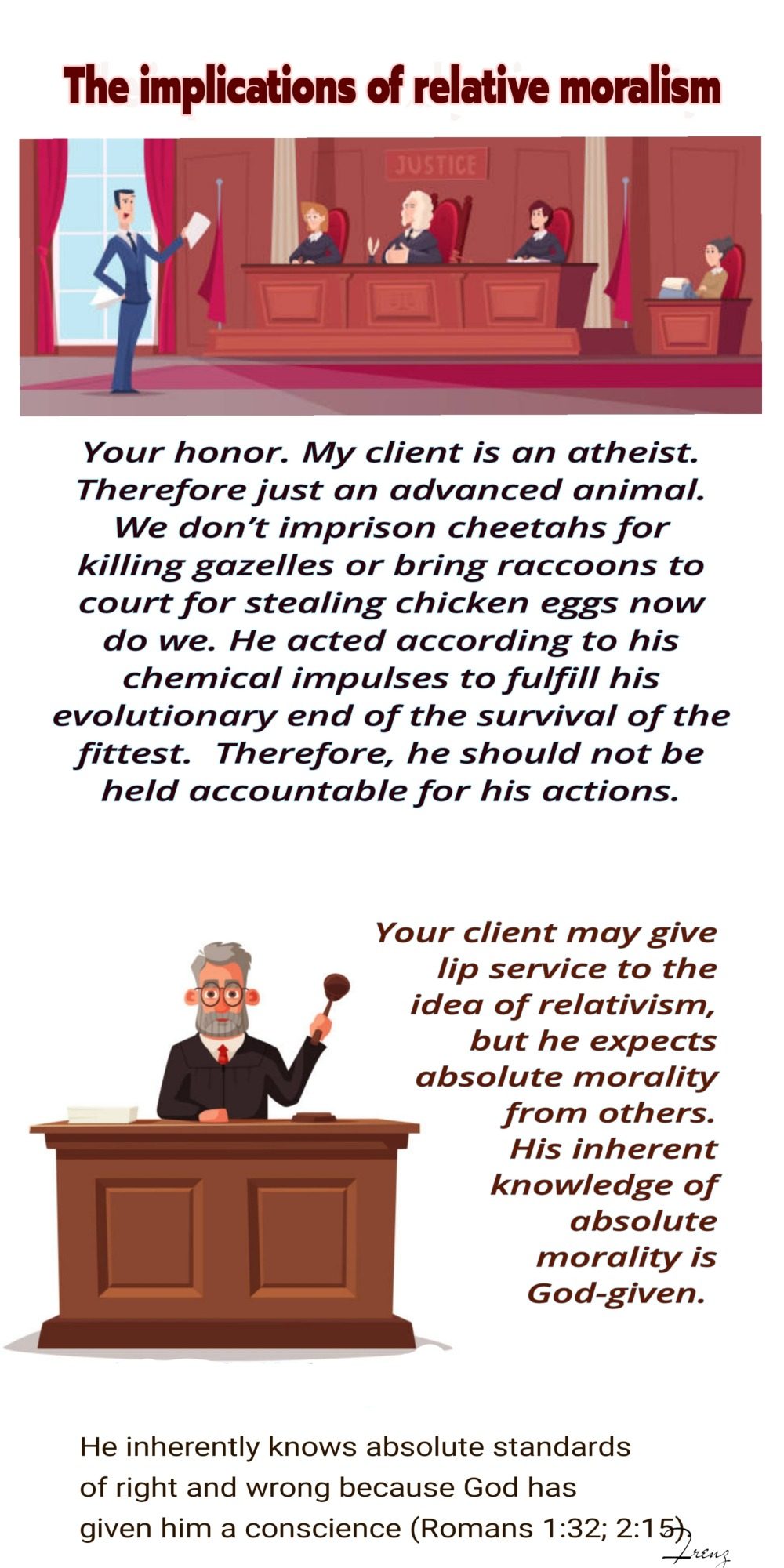
This image’s reasoning aligns closely with both Scripture and classical Christian moral philosophy. It highlights the inconsistency of moral relativism and the biblical truth that all people possess an innate, God-given moral awareness.
Let’s unpack the main points in light of Scripture and sound theology:
1. If atheism is true, moral accountability collapses.
The image’s courtroom illustration exposes the logical consequence of a purely materialistic worldview. If humans are nothing more than “advanced animals” driven by chemical impulses, then moral categories such as right and wrong lose all objective meaning. As Greg Koukl explains in Stand to Reason’s article “God, Evolution, and Morality – Part 1”, if morality is merely a product of evolution, then moral statements describe only feelings or social conventions, not objective truths. In such a system, “rape is only wrong if someone believes it so,” not because it is inherently evil.
But Scripture teaches that human beings are not mere animals—we are created in the image of God (Genesis 1:27). Because of that, we are moral agents accountable to our Creator. “For we must all appear before the judgment seat of Christ; that every one may receive the things done in his body” (2 Corinthians 5:10).
2. Even moral relativists live as if objective morality exists.
As Ligonier Ministries’ devotional “The Basis of Ethics” observes, moral relativism is self-defeating. People who claim that “there are no absolute moral truths” still condemn injustice, dishonesty, or cruelty—thereby appealing to some universal standard. The devotional notes that “the sole purpose of law is to legislate morality,” and the real question is whose morality will govern.
This is exactly what the image points out: even those who deny absolute morality still expect others to behave according to it. This inconsistency reveals that moral relativism cannot be lived out coherently.
3. Our conscience testifies to God’s moral law.
The image rightly cites Romans 1:32 and Romans 2:15, which teach that God has written His moral law on every human heart:
“Who knowing the judgment of God, that they which commit such things are worthy of death, not only do the same, but have pleasure in them that do them” (Romans 1:32).
“Which shew the work of the law written in their hearts, their conscience also bearing witness, and their thoughts the mean while accusing or else excusing one another” (Romans 2:15).
This means that even those who deny God’s existence cannot escape the moral awareness He has implanted within them. The conscience is not a product of evolution or culture—it is a reflection of the divine image within humanity.
4. Moral knowledge points to a moral Lawgiver.
As GotQuestions.org explains in its article “What is moral relativism?”, Christian moral absolutism holds that morality is grounded in the unchanging nature of God Himself. Because God is holy and just, His moral standards are universal and eternal. Without such a foundation, morality becomes subjective and arbitrary.
Thus, the very fact that people everywhere recognize some things as right and others as wrong is evidence of the objective moral law—and therefore of the Lawgiver, God.
5. Conclusion
The image’s argument is biblically and philosophically sound:
Atheistic materialism cannot account for moral responsibility.
Moral relativism is self-contradictory.
The universal human conscience testifies to God’s existence and moral law.
As Scripture declares, “The entrance of thy words giveth light; it giveth understanding unto the simple” (Psalm 119:130). Every person’s moral awareness is a light pointing back to its Source—the holy and righteous God who created us, convicts us of sin, and calls us to repentance and faith in Jesus Christ.
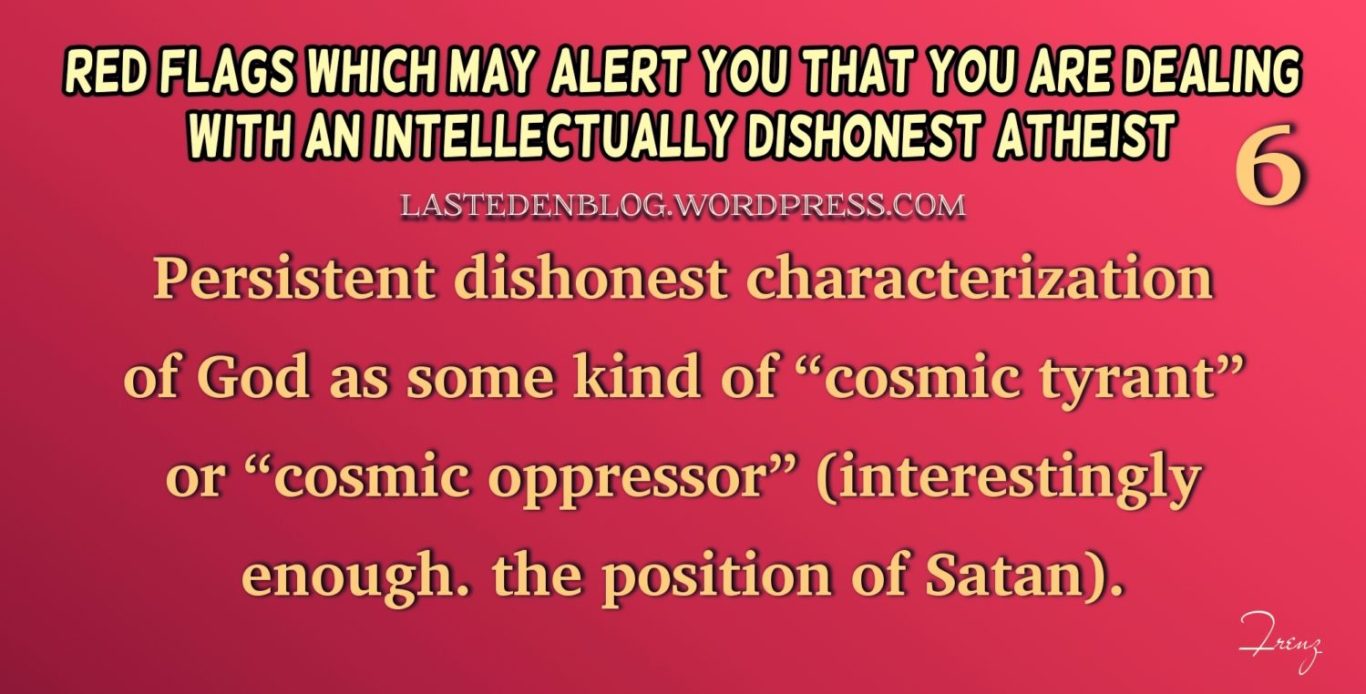
This image makes a deeply insightful theological observation. The portrayal of God as a “cosmic tyrant” or “oppressor” is not new—it is, in fact, the oldest lie in human history, originating with Satan himself in the Garden of Eden.
Let’s examine this carefully through Scripture and sound doctrine:
1. The Origin of the Lie: Satan’s Accusation Against God
In Genesis 3, the serpent’s first strategy was to distort God’s character. He asked Eve, “Yea, hath God said, Ye shall not eat of every tree of the garden?” (Genesis 3:1). This question subtly implied that God was unfairly restrictive, withholding good from His creatures. When Eve responded, Satan contradicted God directly: “Ye shall not surely die… For God doth know that in the day ye eat thereof, then your eyes shall be opened, and ye shall be as gods” (Genesis 3:4–5).
This was the first time God was depicted as a cosmic oppressor—a being who supposedly limits human freedom out of jealousy or cruelty. That same accusation echoes in modern atheistic rhetoric, which often describes God as authoritarian, vindictive, or unjust. But this is not an intellectual objection; it is a moral rebellion rooted in the same pride that led to Satan’s fall (Isaiah 14:12–15).
2. The True Nature of God’s Authority
Scripture reveals that God’s sovereignty is not tyranny but holy love. His commands are not oppressive; they are life-giving.
“For this is the love of God, that we keep his commandments: and his commandments are not grievous” (1 John 5:3).
“The Lord is righteous in all his ways, and holy in all his works” (Psalm 145:17).
“The Lord is good to all: and his tender mercies are over all his works” (Psalm 145:9).
God’s authority flows from His goodness. To reject His rule is to reject life itself, for He is the source of all that is good and true. When people call God a “tyrant,” they are echoing the serpent’s slander, not engaging with the reality of who God is.
3. The Parable of the Dishonest Manager and the Misuse of Worldly Wisdom
Interestingly, TableTalk Magazine’s article “The Parable of the Dishonest Manager” (Luke 16:1–9) reminds us that even unbelievers can display worldly shrewdness, but they often use it in service of self-interest rather than truth. Jesus commended the manager’s shrewdness, not his dishonesty, teaching that believers should be wise in how they use temporal things for eternal purposes.
In contrast, those who call God oppressive are using their intellect not to seek truth but to justify rebellion. They are “shrewd” in worldly terms but blind to eternal reality. As Romans 1:21 says, “When they knew God, they glorified him not as God, neither were thankful; but became vain in their imaginations, and their foolish heart was darkened.”
4. Satan’s Lie Repeated in Every Age
Throughout history, Satan’s accusation has taken many forms—whether through pagan myths that depict the gods as cruel, or through modern atheism that paints the biblical God as a “cosmic dictator.” But the root is always the same: a refusal to submit to divine authority.
Jesus identified this spiritual lineage clearly: “Ye are of your father the devil, and the lusts of your father ye will do. He was a murderer from the beginning, and abode not in the truth” (John 8:44). The rejection of God’s goodness is not intellectual neutrality—it is moral rebellion.
5. Conclusion
The image is correct: the persistent depiction of God as a “cosmic tyrant” is not an honest misunderstanding—it is the echo of Satan’s ancient deception.
God is not a tyrant but a loving Creator who desires reconciliation with His creatures. “For God so loved the world, that he gave his only begotten Son, that whosoever believeth in him should not perish, but have everlasting life” (John 3:16).
To call Him oppressive is to repeat the serpent’s lie; to know Him through Christ is to discover that His rule is perfect freedom (2 Corinthians 3:17).
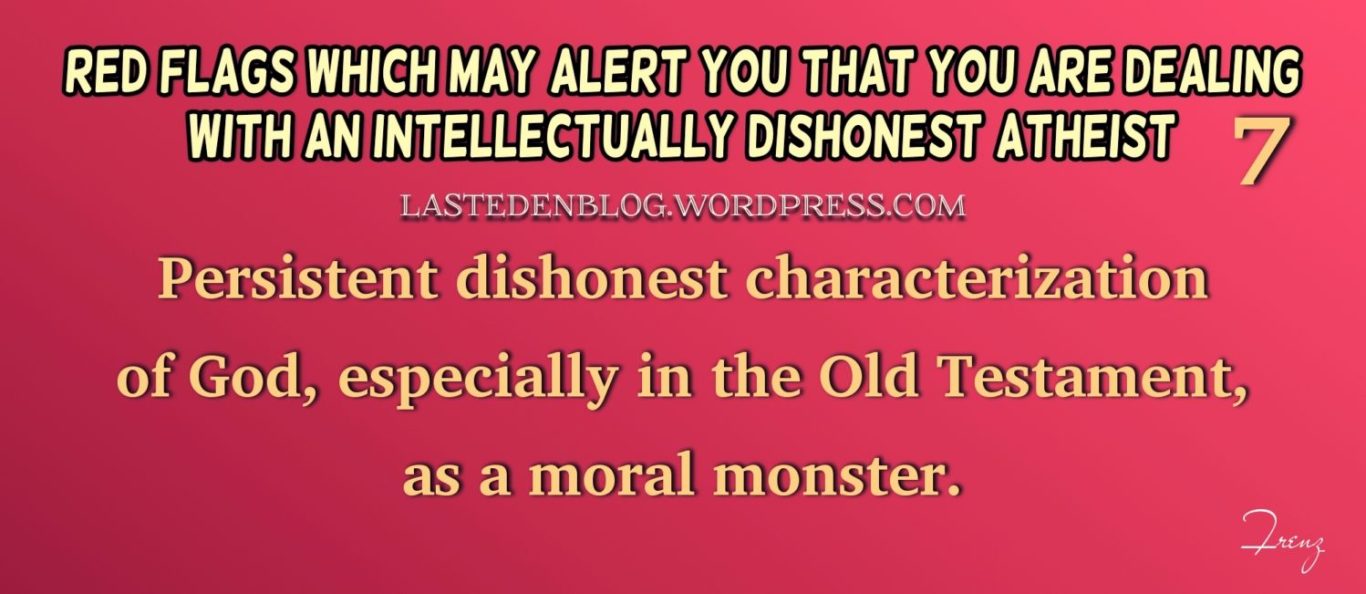
1. Misrepresentation and Intellectual Dishonesty
The GotQuestions.org article observes:
“Many atheists do not take the time to seriously consider these arguments. This fact may be clearly seen in popular atheist texts… These texts refute weak and incomplete arguments for theism and suppose that they have refuted the actual, fully reasoned arguments that Christian philosophers and theologians give. This is an intellectually dishonest practice.”
This means that instead of engaging with the strongest Christian explanations, some critics create a “straw man” version of God, ignoring context and the full biblical picture.
2. God’s Character in the Old Testament
The Bible consistently reveals God as holy, just, and loving—even in the Old Testament:
- Exodus 34:6-7 (ESV):
“The LORD passed before him and proclaimed, ‘The LORD, the LORD, a God merciful and gracious, slow to anger, and abounding in steadfast love and faithfulness, keeping steadfast love for thousands, forgiving iniquity and transgression and sin, but who will by no means clear the guilty…’”
- Psalm 103:8 (ESV):
“The LORD is merciful and gracious, slow to anger and abounding in steadfast love.”
- Micah 6:8 (ESV):
“He has told you, O man, what is good; and what does the LORD require of you but to do justice, and to love kindness, and to walk humbly with your God?”
These verses show that God’s justice is always balanced with mercy and love. When God judges evil, it is never arbitrary or cruel, but always in response to persistent, unrepentant wickedness (see Genesis 15:16; Jonah 4:2).
3. The Importance of Context
Many accusations against God’s character ignore the historical and literary context of the Old Testament. For example, God’s judgments were often preceded by long periods of patience and warnings (cf. Genesis 6:5-7; Jonah 3:10). God’s ultimate desire is for repentance and restoration, not destruction (Ezekiel 18:23).
4. Jesus Reveals the Fullness of God’s Character
The New Testament affirms that Jesus is the perfect revelation of God’s nature:
- Hebrews 1:3 (ESV):
“He is the radiance of the glory of God and the exact imprint of his nature…”
Jesus’ life, death, and resurrection demonstrate God’s justice against sin and His love for sinners (Romans 5:8).
5. A Call to Honest Engagement
As the GotQuestions.org article points out, Christianity is “a rationally defensible religion.” Intellectual honesty requires engaging with the best arguments and the full biblical context, not caricatures.
Summary
- God is not a “moral monster”; He is holy, just, and loving (Exodus 34:6-7; Psalm 103:8; Micah 6:8).
- Accusations against God’s character often ignore context and the full biblical narrative.
- Jesus Christ reveals the fullness of God’s love and justice.
- Christians are called to respond with truth and love, inviting honest and thoughtful discussion.
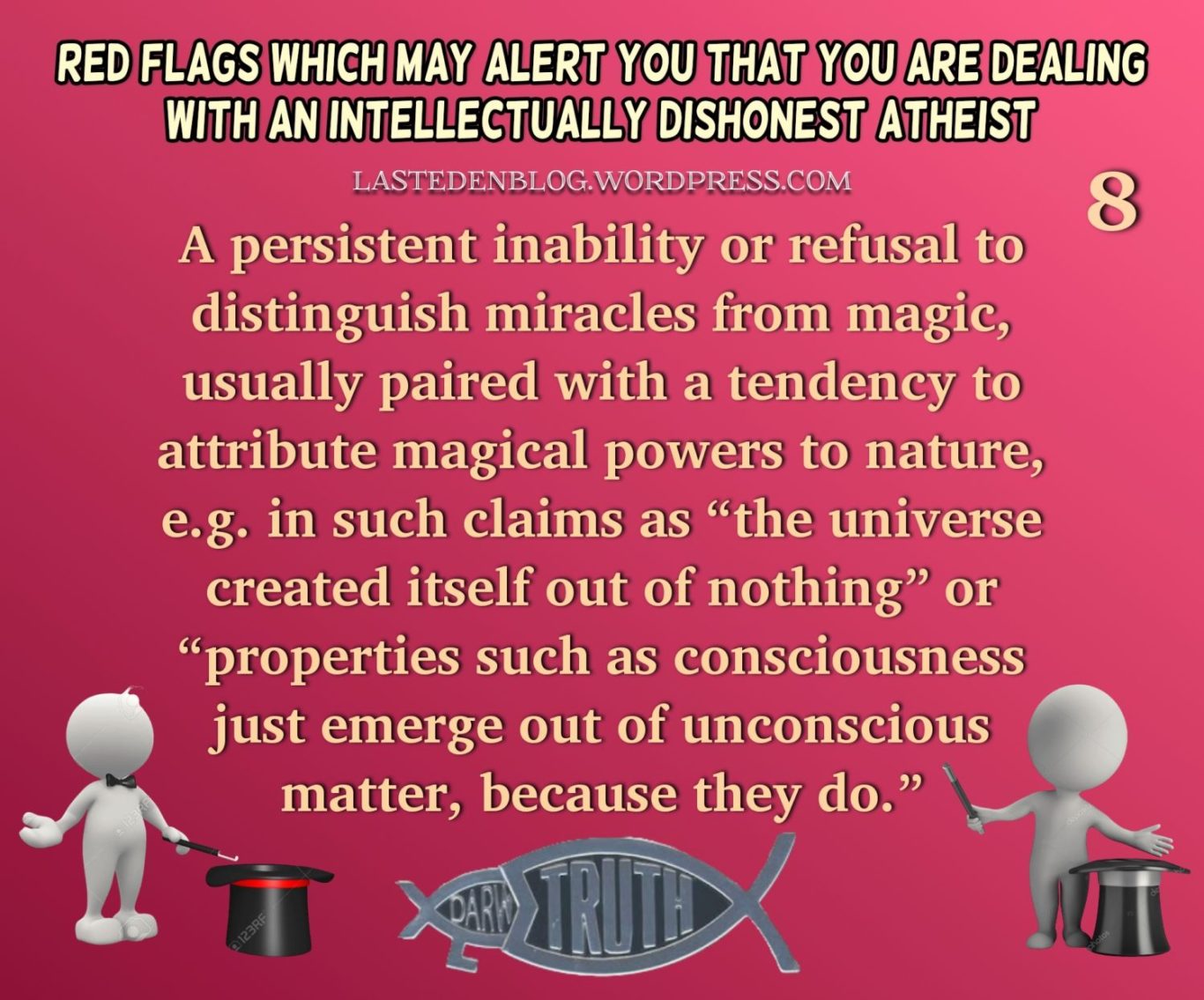
This image identifies a very real and important distinction—one that lies at the heart of the difference between theism and naturalistic atheism. The confusion between miracle and magic is not merely semantic; it reveals a misunderstanding of the nature of divine action versus the irrationality of self-causing nature.
Let’s unpack this biblically and philosophically:
1. Miracles Are Acts of a Personal, Sovereign God
A miracle is not a violation of natural law; it is an intervention by the Creator who established those laws. God, being the author of creation, is not bound by its processes. When He acts miraculously, He does so purposefully, in harmony with His character and plan.
Scripture gives many examples:
“In the beginning God created the heaven and the earth” (Genesis 1:1). Creation itself is the first and greatest miracle—an act of divine will, not a spontaneous event.
“With God nothing shall be impossible” (Luke 1:37). God’s power transcends the natural order because He is its source.
“Jesus of Nazareth, a man approved of God among you by miracles and wonders and signs, which God did by him” (Acts 2:22). Miracles in Scripture always serve to reveal God’s nature and authenticate His message.
As Robert J. Morgan notes in his sermon series on Genesis (PreceptAustin.org), when God said, “Let Us make man in Our image,” it was a sacred conversation within the Trinity—Father, Son, and Holy Spirit—demonstrating divine intentionality and communion. Miracles, likewise, are expressions of that same divine intentionality, not random acts of power.
2. Magic, by Contrast, Is Manipulative and Impersonal
Magic seeks to manipulate unseen forces or natural energies to achieve a desired outcome. It assumes that power can be harnessed rather than submitted to. In Scripture, magic is consistently condemned because it attempts to usurp God’s authority (Deuteronomy 18:10–12; Acts 8:9–24).
The atheist who mocks miracles as “magic” misunderstands their nature. Miracles are not irrational—they are supra-rational, acts of a personal God whose will is the ultimate cause of all things. Magic, on the other hand, is an attempt to control reality apart from God.
3. Attributing “Magical Powers” to Nature Is Self-Contradictory
The image rightly points out that many atheists who reject miracles end up attributing magical properties to nature itself—claiming, for example, that:
“The universe created itself out of nothing.”
“Consciousness just emerged from unconscious matter.”
These are not scientific explanations; they are philosophical assertions that defy logic. As Steve Cable notes in Probe Ministries’ article “Atheist Myths and Scientism,” naturalism cannot explain the origin of consciousness or moral awareness. He writes that from a naturalist point of view, “the appearance of mind is utterly unpredictable and inexplicable.” Yet, theism provides a coherent answer: consciousness exists because we were created by a conscious, intelligent God.
To say “the universe created itself” is a contradiction in terms—something cannot cause its own existence. This is not science; it is metaphysical magic dressed in scientific language.
4. The Biblical View: Creation and Miracles Are Rational Acts of God
The Bible presents a consistent worldview in which all reality depends on God’s will and power.
“Through faith we understand that the worlds were framed by the word of God, so that things which are seen were not made of things which do appear” (Hebrews 11:3).
“By him all things consist” (Colossians 1:17).
“He upholdeth all things by the word of his power” (Hebrews 1:3).
These verses show that creation and miracles are not arbitrary interruptions of nature but expressions of the same divine authority that sustains it.
5. Conclusion
The image’s “red flag” is accurate: when someone refuses to distinguish between miracles and magic, they reveal a philosophical inconsistency. They reject the rational, purposeful action of a Creator while embracing the irrational notion that impersonal matter can produce order, life, and consciousness by itself.
In truth, miracles are acts of a personal, intelligent God, while “self-creating nature” is the ultimate superstition. As Psalm 19:1 declares, “The heavens declare the glory of God; and the firmament sheweth his handywork.”
The believer sees divine wisdom; the unbeliever, denying the Creator, ends up ascribing divine powers to the creation itself—precisely what Romans 1:25 warns against: “Who changed the truth of God into a lie, and worshipped and served the creature more than the Creator.”
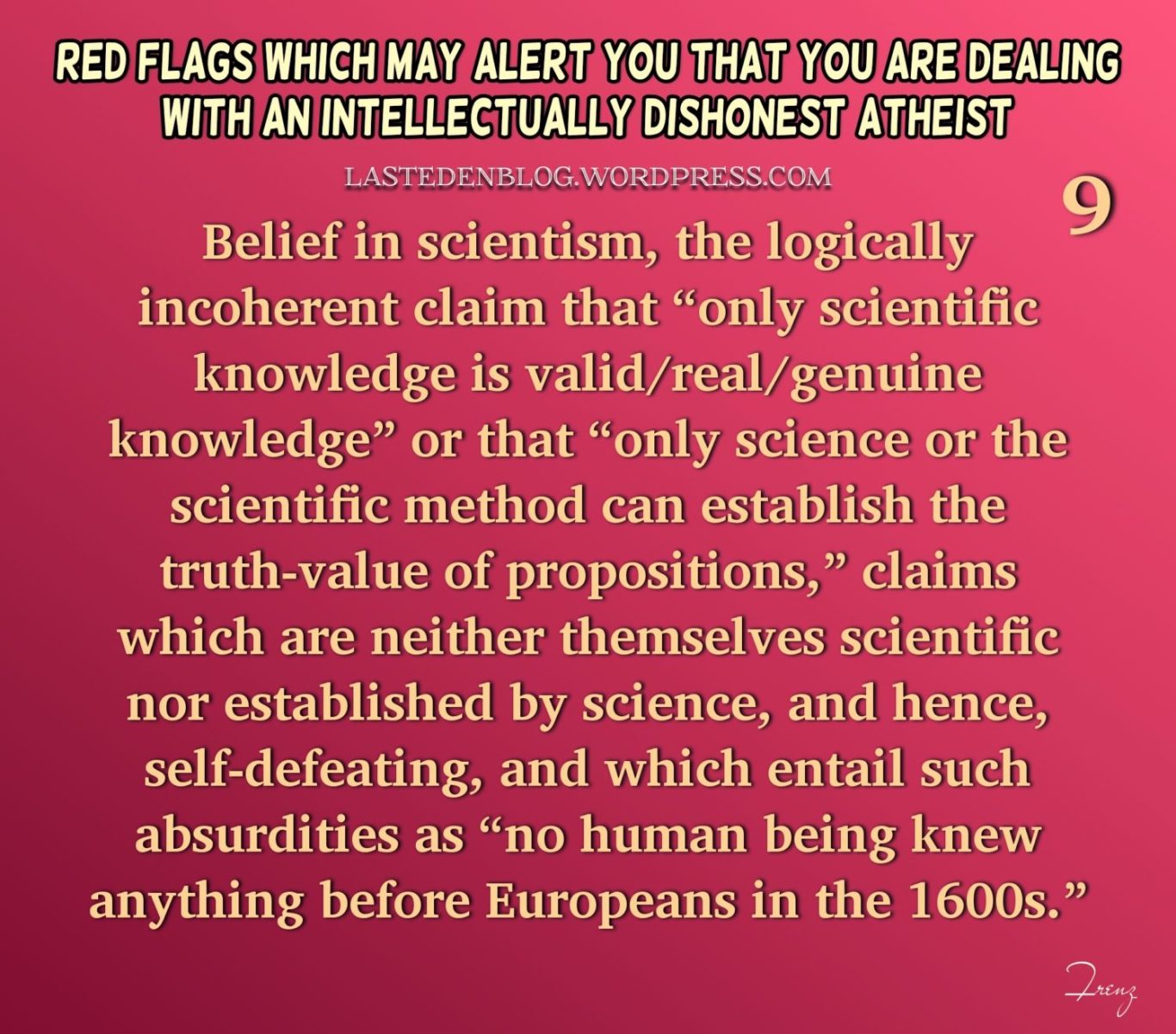
This image’s critique of scientism is both philosophically and theologically sound. It exposes a fundamental flaw in the worldview that claims only science can produce real knowledge.
Let’s unpack this carefully, drawing from Scripture and Christian apologetic reasoning.
1. What Scientism Is—and Why It’s Self-Defeating
As the article “What Is Scientism?” from GotQuestions.org explains, scientism is the belief that science alone yields all reliable knowledge and that anything outside the scientific method—such as philosophy, theology, or moral reasoning—is invalid. Duke philosopher Alex Rosenberg, for example, defines scientism as the view that “science is the only way to know reality.”
But this claim refutes itself. The statement “Only science can tell us what’s true” is not a scientific statement—it’s a philosophical one. It cannot be tested, measured, or observed. Therefore, by its own standard, it cannot be known to be true. As GotQuestions.org notes, “If we cannot know, scientifically, that scientism is true, why should we believe scientism in the first place?”
This is why the image rightly calls scientism “logically incoherent.” It fails its own test of validity.
2. Scientism’s Historical and Moral Absurdities
The image also points out the absurd implication that “no human being knew anything before Europeans in the 1600s.” Indeed, if scientism were true, then all pre-scientific knowledge—mathematics, logic, ethics, art, and even the awareness of God—would be meaningless. Yet Scripture and history both testify that true knowledge existed long before modern science.
“The fear of the Lord is the beginning of knowledge” (Proverbs 1:7).
“By faith we understand that the worlds were framed by the word of God” (Hebrews 11:3).
“In the beginning was the Word, and the Word was with God, and the Word was God” (John 1:1).
Human understanding has always depended on God’s revelation—both in creation and in His Word—not merely on empirical observation.
Moreover, scientism has often been used to justify moral atrocities. As GotQuestions.org observes, some proponents have tried to give “scientific” justification for abortion or eugenics, claiming that embryos are “not human” or that selective breeding is “scientifically valid.” This shows that when science is treated as the only source of truth, moral reasoning collapses.
3. Science Is Valuable—but Not Ultimate
Christianity does not reject science. In fact, the scientific method arose from a biblical worldview—the belief that a rational God created an orderly universe that can be studied and understood. But science is a tool, not a worldview. It tells us how things work, not why they exist or what they mean.
As Greg Koukl explains in Stand to Reason’s article “Sagan and Scientism,” science can only investigate the physical world. It cannot speak to nonphysical realities such as consciousness, morality, or the soul. When people claim that “only science can tell us what’s real,” they are making a metaphysical statement that science itself cannot verify.
4. The Biblical View of Knowledge
The Bible teaches that all truth is God’s truth, and that genuine knowledge begins with reverence for Him:
“The fear of the Lord is the beginning of wisdom: and the knowledge of the holy is understanding” (Proverbs 9:10).
“Every good gift and every perfect gift is from above, and cometh down from the Father of lights” (James 1:17).
“For in him we live, and move, and have our being” (Acts 17:28).
Science can describe the mechanisms of creation, but only God explains its meaning and purpose. Without Him, knowledge becomes fragmented and ultimately meaningless.
5. Conclusion
The image is correct: scientism is a self-defeating worldview. It denies the very philosophical and moral foundations that make science possible.
Scientism cannot justify its own truth claim.
It cannot account for morality, consciousness, or meaning.
It ignores the reality that knowledge existed long before modern science.
True wisdom recognizes science as one way of discovering God’s handiwork—but never as a replacement for God Himself. As Psalm 111:10 declares, “The fear of the Lord is the beginning of wisdom: a good understanding have all they that do his commandments.”
Science is a gift from God; scientism is a counterfeit faith that worships the gift instead of the Giver.
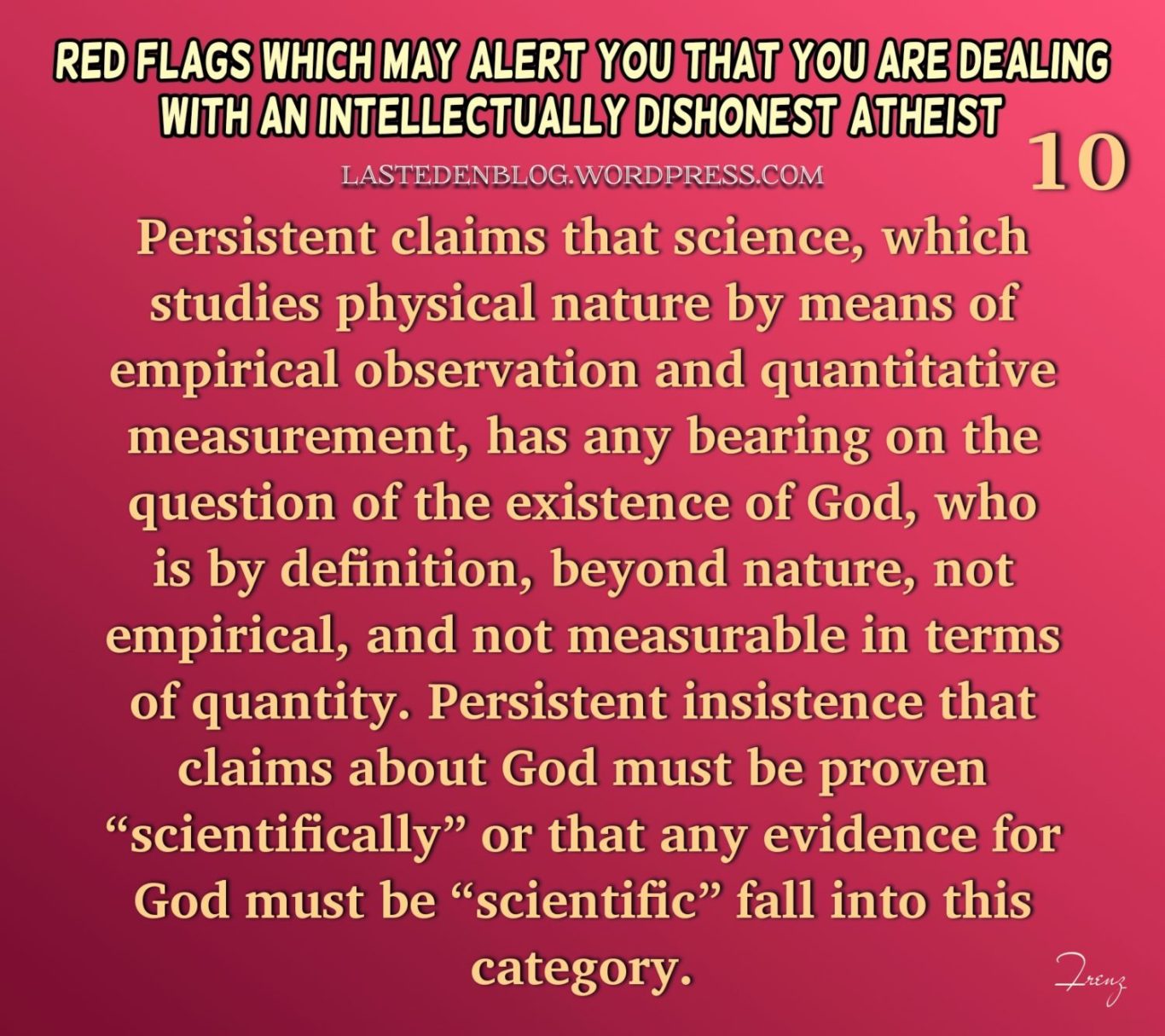
This image expresses a profoundly accurate distinction—one that both Scripture and sound philosophy affirm: science, by its very nature, cannot adjudicate the question of God’s existence, because God is not a physical object within the natural order.
Let’s examine this carefully and biblically.
1. Science Studies the Created Order, Not the Creator
The image rightly defines science as “the study of physical nature by means of empirical observation and quantitative measurement.” That is exactly what science does—it investigates how the natural world operates. But the question of why the universe exists, or who caused it, lies beyond the scope of empirical tools.
As Ligonier Ministries’ article “Has Science Buried God?” explains, the supposed conflict between science and faith is not a clash of facts but of worldviews—naturalism versus theism. John Lennox, a mathematician and Christian apologist, argues that the real issue is not science itself but the philosophical naturalism that some scientists attach to it. Naturalism assumes that only material causes exist, but that assumption is not scientific—it’s metaphysical.
Lennox points out that the universe’s very existence, its fine-tuning, and the information encoded in DNA all point not away from God, but toward a rational Creator. Science can describe these phenomena, but it cannot explain their ultimate origin.
2. God Is Beyond Empirical Measurement
By definition, God is transcendent—He exists beyond the physical universe. Scripture affirms this repeatedly:
“God is a Spirit: and they that worship him must worship him in spirit and in truth” (John 4:24).
“The heaven and heaven of heavens cannot contain thee” (1 Kings 8:27).
“No man hath seen God at any time; the only begotten Son… hath declared him” (John 1:18).
Because God is not a physical being, He cannot be weighed, measured, or observed through instruments designed for studying matter and energy. Demanding “scientific proof” of God is therefore a category error—like asking a microscope to detect justice or a telescope to measure love.
As GotQuestions.org’s article “What Is the New Atheism?” observes, this is one of the central fallacies of the New Atheist movement. Figures like Richard Dawkins and Sam Harris claim that only empirical science yields truth, yet that claim itself is not scientific—it’s a philosophical assertion that cannot be tested in a lab. The article calls this position “self-refuting,” because it relies on faith in a metaphysical idea (scientism) while denying metaphysics altogether.
3. Science Can Point to God, but It Cannot Replace Revelation
While science cannot prove God in the laboratory, it can point toward Him through the evidence of design, order, and intelligibility in creation.
“The heavens declare the glory of God; and the firmament sheweth his handywork” (Psalm 19:1).
“For the invisible things of him from the creation of the world are clearly seen, being understood by the things that are made” (Romans 1:20).
“He stretcheth out the north over the empty place, and hangeth the earth upon nothing” (Job 26:7).
These verses show that creation itself testifies to God’s existence, but the knowledge of who God is—His nature, will, and plan of salvation—comes only through divine revelation, not through scientific experimentation (Hebrews 1:1–2).
4. The Demand for “Scientific Proof” of God Is Itself Unscientific
When someone insists that belief in God must be “scientifically proven,” they are not making a scientific demand but a philosophical one. Science cannot test metaphysical realities; it presupposes them. For example, science assumes that:
The universe is orderly and intelligible.
Truth exists and can be known.
The human mind is capable of rational thought.
None of these assumptions can be proven scientifically—they are preconditions for science, grounded in the rationality of the Creator. As Proverbs 1:7 says, “The fear of the Lord is the beginning of knowledge.”
5. Conclusion
The image’s “red flag” is entirely justified. The persistent claim that science can disprove or prove God misunderstands both science and God.
Science studies the created order; God is the Creator.
Science measures mechanisms; God is the ultimate cause.
Science can reveal how things work; only revelation tells us why they exist.
As Psalm 111:2 declares, “The works of the Lord are great, sought out of all them that have pleasure therein.” Science, rightly understood, is one way of seeking out those works—but it can never encompass the One who made them.
Thus, the demand for “scientific proof” of God is not intellectual honesty—it is category confusion. True wisdom begins not in the laboratory, but in reverence: “The fear of the Lord is the beginning of wisdom” (Proverbs 9:10).
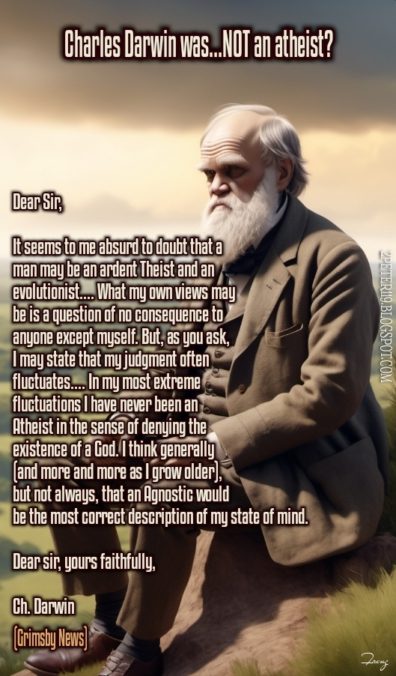
That quotation accurately reflects Charles Darwin’s own words and the complex, shifting nature of his personal beliefs. It comes from a letter Darwin wrote on May 7, 1879, to John Fordyce, which is preserved in the Darwin Correspondence Project at the University of Cambridge (Letter no. 12040).
In that letter, Darwin indeed said:
“It seems to me absurd to doubt that a man may be an ardent Theist and an evolutionist… In my most extreme fluctuations I have never been an Atheist in the sense of denying the existence of a God. I think that generally (and more and more so as I grow older), but not always, that an Agnostic would be the most correct description of my state of mind.”
This statement reveals that Darwin’s struggle was not simple disbelief but fluctuation between belief and doubt—a tension well documented by historians and biographers.
1. Darwin’s “Fluctuating Convictions”
As Neil Thomas explains in Evolution News’s article “Darwin’s ‘Fluctuating’ Convictions” (2024), Darwin’s mind was “troubled by self‑doubt,” and he admitted to “fluctuations” when pondering religious matters. Thomas notes that Darwin’s skepticism was not purely scientific but philosophical, rooted in his uncertainty about whether the human mind—if evolved from lower animals—could be trusted to reach reliable conclusions about ultimate reality.
Thomas also points out that Darwin, even late in life, rejected the idea that “chance and necessity” alone could explain the universe. In that same 1879 letter, Darwin confessed that he found it “impossible to conceive this immense and wonderful universe… as the result of blind chance or necessity,” and therefore felt “compelled to look to a First Cause having an intelligent mind.”
So while Darwin distanced himself from orthodox Christianity, he never fully embraced atheism. His position was closer to agnostic theism—acknowledging a possible Creator but doubting the certainty of revelation.
2. Darwin’s Early Religious Background
As TableTalk Magazine’s article “On the Origin and Descent of Charles Darwin” recounts, Darwin’s early life was shaped by a Christian environment. He studied theology at Cambridge and even considered becoming a clergyman. During his voyage on the Beagle, he read William Paley’s Natural Theology and admired its reasoning. Yet, over time, personal tragedy—especially the death of his daughter Annie—and his growing naturalistic interpretations of biology eroded his confidence in traditional faith.
Still, as the article notes, Darwin’s theory of evolution was scientific in method but philosophical in implication. He himself was cautious about overstepping into theology, though later generations of atheists used his ideas to promote materialism far beyond what Darwin himself claimed.
3. A Biblical Perspective on Darwin’s Struggle
From a Christian standpoint, Darwin’s “fluctuating” beliefs illustrate the inner conflict described in Scripture between the knowledge of God written on the heart and the suppression of that truth through doubt or pride.
“That which may be known of God is manifest in them; for God hath shewed it unto them” (Romans 1:19).
“The fool hath said in his heart, There is no God” (Psalm 14:1).
“A double minded man is unstable in all his ways” (James 1:8).
Darwin’s own words show that he never fully escaped that awareness of a Creator. His agnosticism was not the confident denial of God but the uneasy uncertainty of one who could not reconcile his observations with his inherited faith.
4. Conclusion
Darwin’s 1879 letter demonstrates that he was never a convinced atheist. He acknowledged that belief in God was compatible with evolution and admitted that his own mind “often fluctuated.” As Neil Thomas observes, Darwin’s reflections reveal a man caught between the evidence of design and the allure of naturalistic explanation—a tension that continues in modern thought.
In the end, Darwin’s life reminds us that scientific inquiry cannot silence the moral and spiritual awareness God has placed within every human heart. As Ecclesiastes 3:11 says, “He hath made every thing beautiful in his time: also he hath set the world in their heart.”
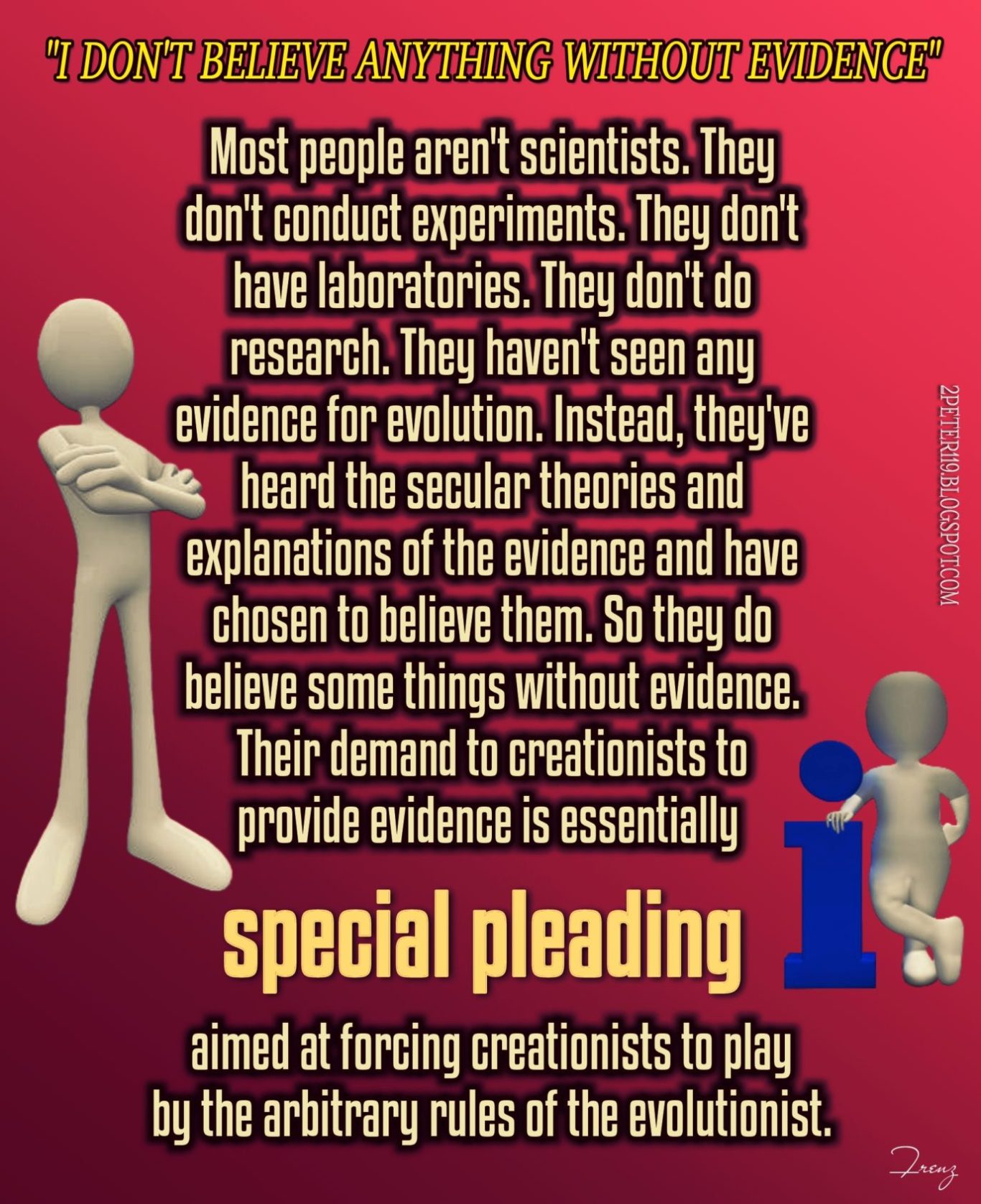
This image raises an important point about epistemic consistency—that is, whether people apply the same standard of evidence to all their beliefs. The claim “I don’t believe anything without evidence” sounds rational, but as the image notes, it is often selectively applied, especially in debates about origins.
Let’s unpack this carefully from both a biblical and philosophical perspective.
1. Everyone Believes Many Things Without Direct Evidence
The image is correct that most people do not personally perform experiments, run laboratories, or verify every claim they accept as true. In daily life, we rely on testimony, authority, and trust—whether it’s believing in historical events, scientific findings, or even the reliability of our senses.
As Dr. Jobe Martin explains in The Evolution of a Creationist (Precept Austin, 2020), the difference between creationism and evolution is not a matter of “science versus faith,” but of which faith one begins with. Martin writes that everyone “believes by faith in something eternal”—either eternal matter and energy, or an eternal God. The secularist’s claim to rely only on “evidence” hides the fact that their worldview also rests on unprovable philosophical assumptions, such as the uniformity of nature and the reliability of human reason.
In other words, faith precedes evidence in every worldview. The Christian admits this openly; the atheist often does not.
2. The Double Standard: “Special Pleading” Against Creationists
The image’s accusation of “special pleading” is well founded. Many who demand that creationists “prove God scientifically” do not apply the same demand to their own beliefs about evolution or cosmology.
As Philip Johnson observed in Darwin on Trial (Probe Ministries, 1992), evolution is often presented as “fact,” even though its central claims rest on philosophical presuppositions, not empirical proof. Johnson noted that the California Science Framework of 1989 declared evolution “no more controversial than the theory of gravitation,” a statement he called “an appeal to authority” rather than evidence. This is precisely the kind of arbitrary rule‑making the image describes—where only one worldview is allowed to define what counts as “evidence.”
The Bible warns against such intellectual pride:
“Professing themselves to be wise, they became fools” (Romans 1:22).
“Beware lest any man spoil you through philosophy and vain deceit, after the tradition of men, after the rudiments of the world, and not after Christ” (Colossians 2:8).
“Through faith we understand that the worlds were framed by the word of God” (Hebrews 11:3).
These verses remind us that true knowledge begins with reverence for God, not with human autonomy.
3. Biblical Faith Is Not Blind
Critics often accuse Christians of “believing without evidence,” but Scripture defines faith differently. Biblical faith is trust based on testimony and reason, not blind acceptance.
“Now faith is the substance of things hoped for, the evidence of things not seen” (Hebrews 11:1).
“That which we have seen and heard declare we unto you” (1 John 1:3).
“These are written, that ye might believe that Jesus is the Christ, the Son of God” (John 20:31).
Christian belief rests on historical evidence—the life, death, and resurrection of Jesus Christ—and on the observable order and design of creation (Psalm 19:1). The issue is not the absence of evidence, but the interpretation of evidence through different worldviews.
4. The Real Question: Which Starting Point Makes Sense of Reality?
The image’s argument points to a deeper truth: everyone has faith commitments that shape how they interpret evidence. The question is not “Who has faith?” but “Which faith best explains the world we see?”
The Christian worldview provides a coherent foundation for logic, morality, and science itself, because it begins with a rational Creator who made an orderly universe and human minds capable of understanding it. The naturalistic worldview cannot justify these assumptions—it simply borrows them from theism while denying their Source.
5. Conclusion
The image is right: those who claim to “believe nothing without evidence” often accept many unverified ideas, including evolutionary theory, on authority or assumption. Demanding that creationists meet a stricter standard is special pleading—an inconsistent rule meant to silence opposing views.
As Proverbs 1:7 declares, “The fear of the Lord is the beginning of knowledge.” True intellectual honesty begins when we acknowledge that all reasoning rests on faith—and that the only faith consistent with reason, morality, and evidence is faith in the Creator revealed in Scripture.
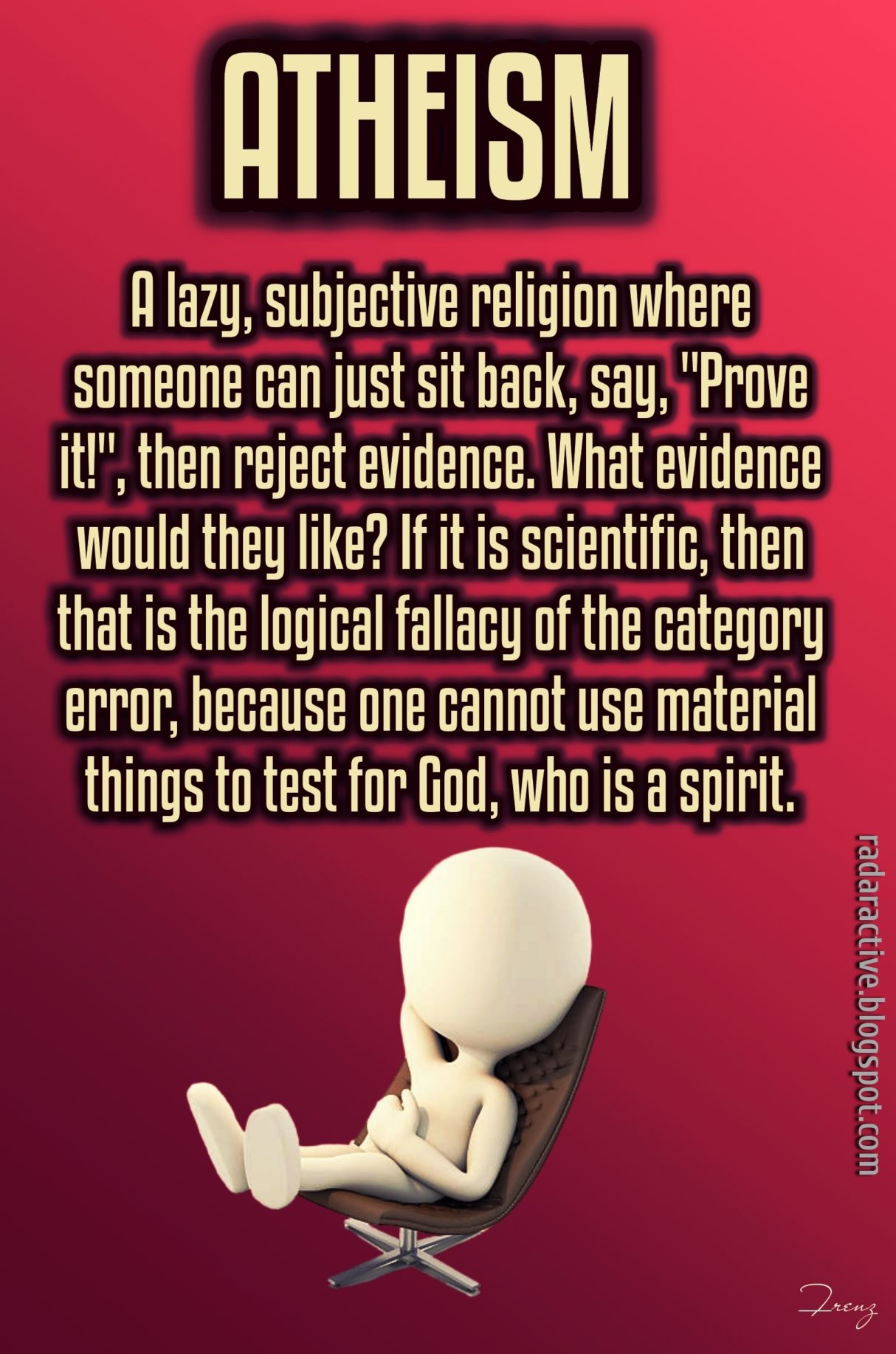
This image’s description of atheism and its critique of demanding “scientific proof” for God touches on several important truths—though we should approach the subject with both clarity and compassion.
Let’s unpack each point biblically and logically.
1. Atheism as a “Lazy, Subjective Religion”
While calling atheism “lazy” may sound harsh, the underlying idea is that atheism often functions as a belief system built on personal preference rather than objective truth. As GotQuestions.org explains in its article “What Is Atheism?”, atheism is not simply a lack of belief—it is a worldview that asserts “God does not exist.” That claim itself is a faith statement, because it cannot be proven empirically.
To say “there is no God” requires absolute knowledge of all reality—something no finite human possesses. Thus, atheism rests on subjective trust in one’s own reasoning rather than on evidence. The Bible describes this self-reliance as folly:
“The fool hath said in his heart, There is no God” (Psalm 14:1).
“Professing themselves to be wise, they became fools” (Romans 1:22).
“Every way of a man is right in his own eyes: but the Lord pondereth the hearts” (Proverbs 21:2).
So, while atheists may claim to reject “religion,” their worldview functions as one—it answers ultimate questions about origin, morality, meaning, and destiny, but without a transcendent foundation. In that sense, atheism becomes a religion of self, where human opinion replaces divine revelation.
2. “Sitting Back, Demanding Proof, and Rejecting Evidence”
The image’s observation reflects what Scripture says about the moral dimension of unbelief. Romans 1:18–20 teaches that God’s existence and power are clearly revealed in creation, yet people “suppress the truth in unrighteousness.” The problem is not a lack of evidence but a willful refusal to accept it.
As GotQuestions.org’s article “What Is the New Atheism?” notes, modern atheists often redefine faith as “belief without evidence,” while ignoring that their own worldview also rests on unprovable assumptions. The article calls this “an ironic faith in the inferiority of faith.” In reality, biblical faith is trust in the character of God, not blind belief.
Jesus Himself said, “If any man will do his will, he shall know of the doctrine, whether it be of God” (John 7:17). In other words, a heart willing to obey God will recognize the truth of His revelation. The persistent rejection of evidence is therefore not intellectual laziness alone—it is spiritual resistance.
3. The Category Error: Demanding Scientific Proof for God
This is a crucial point. The image correctly identifies that requiring “scientific proof” for God commits a category error—it confuses the physical with the metaphysical. Science studies natural phenomena through observation and measurement. God, however, is supernatural—the Creator of nature, not a part of it.
As Jesus said, “God is a Spirit: and they that worship him must worship him in spirit and in truth” (John 4:24). You cannot detect a spiritual being with physical instruments any more than you can weigh justice or measure love with a ruler.
This is why GotQuestions.org’s article “What Is Scientism?” calls scientism “self-refuting.” The claim that “only science can tell us what’s true” is itself not a scientific statement—it’s a philosophical one. Demanding scientific evidence for God is like demanding chemical proof for a moral law—it misunderstands the nature of what’s being examined.
4. God Reveals Himself Through Creation and Conscience
Although God cannot be tested in a laboratory, He has not left Himself without evidence.
“The heavens declare the glory of God; and the firmament sheweth his handywork” (Psalm 19:1).
“For the invisible things of him from the creation of the world are clearly seen, being understood by the things that are made” (Romans 1:20).
“Which shew the work of the law written in their hearts, their conscience also bearing witness” (Romans 2:15).
Creation reveals God’s power and intelligence; conscience reveals His moral law. These are not “scientific proofs” but personal revelations—signposts pointing to the Creator. The ultimate revelation, however, is in Jesus Christ: “He that hath seen me hath seen the Father” (John 14:9).
5. Conclusion
The image’s critique is accurate in substance:
Atheism often operates as a self-centered belief system rather than a neutral absence of faith.
Many who claim to demand “proof” for God already reject the abundant evidence He has given.
Insisting on scientific verification of a spiritual Being is a category mistake.
Yet Christians must remember to speak these truths with humility and love. The goal is not to insult atheists but to invite them to see that their very capacity for reason, morality, and wonder testifies to the God they deny.
As Proverbs 9:10 declares, “The fear of the Lord is the beginning of wisdom: and the knowledge of the holy is understanding.”
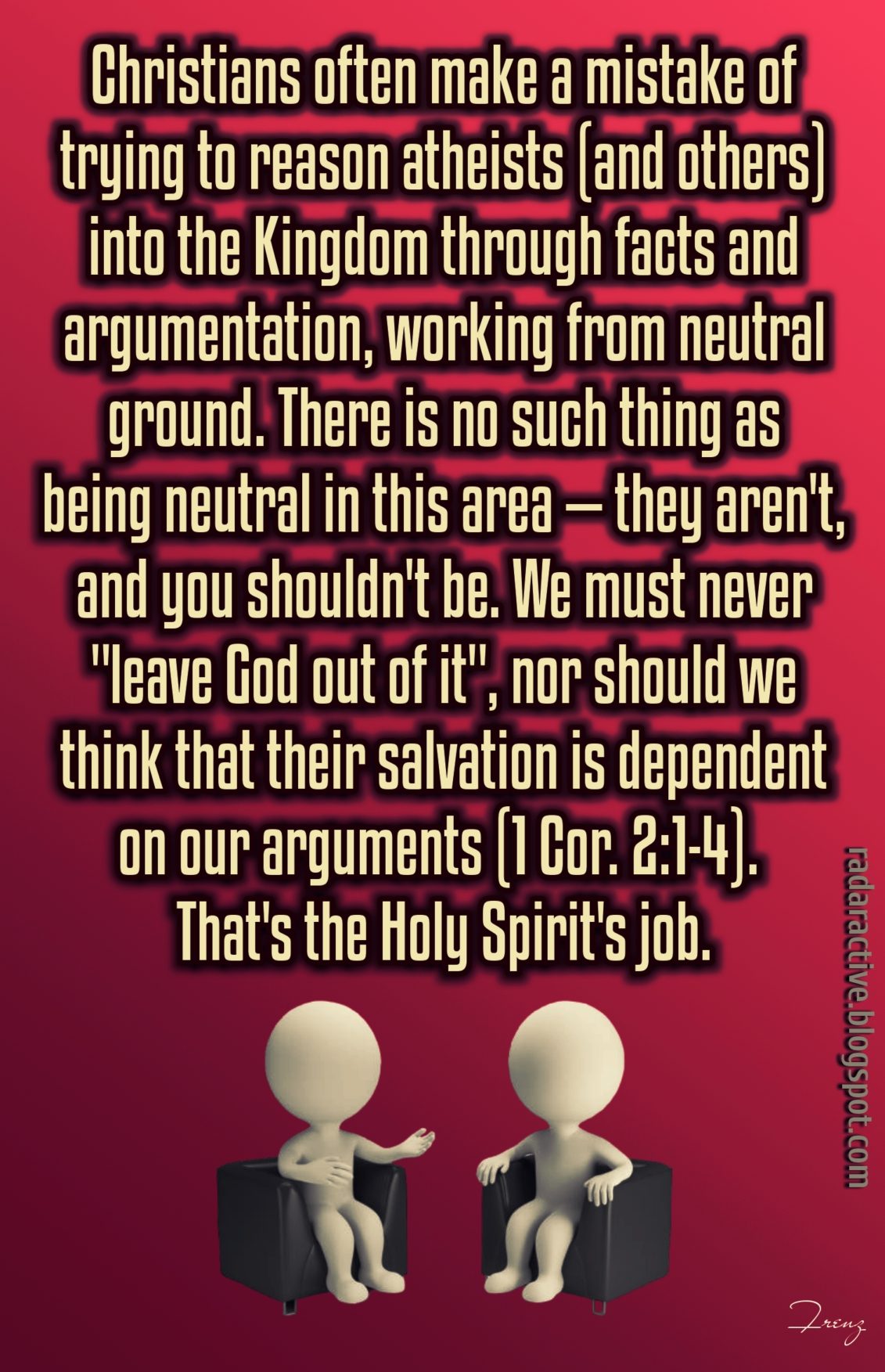
This image expresses a profoundly biblical and theologically sound principle about how Christians should engage with atheists (or any unbelievers)—namely, that salvation is not achieved through human reasoning alone, but through the power of God’s Spirit working through His Word.
Let’s unpack this carefully and biblically.
1. There Is No “Neutral Ground”
The image is correct: there is no such thing as “neutrality” when it comes to God. Every person approaches truth claims from a worldview shaped by their presuppositions—what they already believe about reality, morality, and authority.
Scripture teaches that the human heart is never neutral toward God:
“The carnal mind is enmity against God: for it is not subject to the law of God, neither indeed can be” (Romans 8:7).
“He that is not with me is against me” (Matthew 12:30).
“The natural man receiveth not the things of the Spirit of God: for they are foolishness unto him” (1 Corinthians 2:14).
So when Christians try to argue from a supposedly “neutral” standpoint—leaving God and Scripture out of the discussion—they are, in effect, conceding the unbeliever’s false assumption that God’s revelation is not the ultimate authority.
As Ligonier Ministries’ article “Be Prepared” reminds us, the best reasons we can give for our hope in Christ are biblical reasons, not merely philosophical ones. The Holy Spirit uses the Word of God—not human cleverness—to convict and convert hearts (Isaiah 55:10–11).
2. Reason Has a Place, but It Cannot Save
The Apostle Paul modeled this balance perfectly. He used reason and persuasion (Acts 17:2–4; 18:4), but he never relied on them as the source of saving power. In 1 Corinthians 2:1–4, Paul wrote:
“And I, brethren, when I came to you, came not with excellency of speech or of wisdom, declaring unto you the testimony of God.
For I determined not to know any thing among you, save Jesus Christ, and him crucified.
And I was with you in weakness, and in fear, and in much trembling.
And my speech and my preaching was not with enticing words of man’s wisdom, but in demonstration of the Spirit and of power.”
Paul deliberately avoided relying on rhetorical skill or philosophical neutrality. He knew that the gospel itself is the power of God unto salvation (Romans 1:16). Arguments can remove obstacles, but only the Spirit can open blind eyes.
3. God Must Never Be Left Out of the Discussion
When Christians leave God out of apologetic conversations—trying to “meet atheists halfway”—they unintentionally affirm the atheist’s assumption that God’s Word is not the ultimate standard of truth. But Scripture is clear:
“Sanctify the Lord God in your hearts: and be ready always to give an answer to every man that asketh you a reason of the hope that is in you with meekness and fear” (1 Peter 3:15).
“Thy word is truth” (John 17:17).
As TableTalk Magazine’s article “No Other Gospel” emphasizes, Christians must be prepared to defend the faith (1 Peter 3:15) and contend for the truth (Jude 3), but always on the foundation of Scripture. We do not need to “neutralize” our faith to make it acceptable; we must proclaim it faithfully and lovingly.
4. The Holy Spirit Alone Brings Salvation
The image’s conclusion is the heart of the matter: salvation is the work of the Holy Spirit, not human persuasion. Jesus said, “No man can come to me, except the Father which hath sent me draw him” (John 6:44).
As Ligonier’s “Be Prepared” article states, “God’s Word always does God’s work.” The Holy Spirit uses the truth of Scripture to convict, regenerate, and transform hearts. Our role is to speak the truth in love (Ephesians 4:15), trusting that God will use His Word to accomplish His purpose.
5. Conclusion
The image’s message is entirely consistent with biblical apologetics:
There is no neutral ground between belief and unbelief.
Arguments and evidence have value, but they cannot regenerate the heart.
God must never be left out of the conversation.
The Holy Spirit alone brings conviction and salvation.
Our task is to faithfully proclaim the gospel, not to “win debates.” As Paul wrote, “We preach Christ crucified… the power of God, and the wisdom of God” (1 Corinthians 1:23–24).
When Christians rely on the Spirit rather than on “enticing words of man’s wisdom,” they honor God as the true source of both truth and transformation.
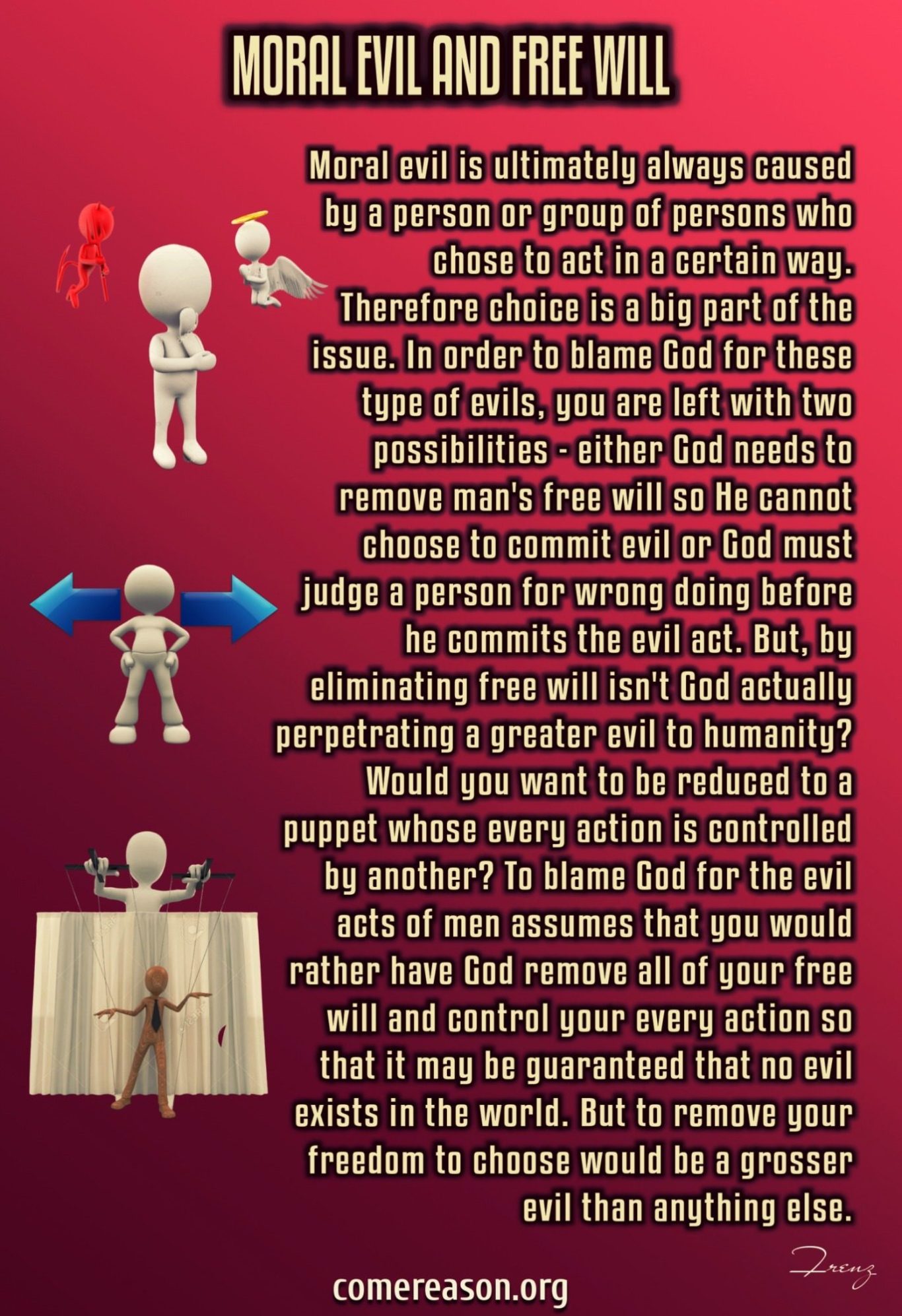
This image beautifully summarizes one of the most important and biblically grounded responses to the problem of moral evil—the relationship between free will and human responsibility.
Let’s explore this step by step, using Scripture and sound theology.
1. Moral Evil Originates from Human Choice
The image correctly states that moral evil arises from the choices of individuals or groups. Evil is not an independent “thing” created by God; it is the corruption or misuse of good. As Probe Ministries’ article “Talking About the Problem of Evil” explains, evil is a privation—a lack or distortion of the good that God originally made.
God created humans with the ability to choose freely, which makes genuine love and moral goodness possible. But that same freedom also makes sin possible. Scripture affirms this:
“God saw every thing that he had made, and, behold, it was very good” (Genesis 1:31).
“Of every tree of the garden thou mayest freely eat: but of the tree of the knowledge of good and evil, thou shalt not eat of it” (Genesis 2:16–17).
“Every man is tempted, when he is drawn away of his own lust, and enticed” (James 1:14).
Evil entered the world not because God created it, but because humans chose to rebel against Him (Genesis 3). Thus, moral evil is the result of free moral agents misusing their freedom.
2. To Blame God, One Must Deny Human Freedom
The image rightly points out that to hold God responsible for moral evil, one must assume that He should either:
Remove human free will, or
Judge and stop people before they commit evil acts.
But both options would destroy the very nature of humanity as moral beings made in God’s image (Genesis 1:27). As CompellingTruth.org explains in its article “Why Does God Allow Evil?”, if God prevented all evil, He would have to remove our ability to choose freely—because every sin, from gossip to murder, begins in the human heart.
If God intervened every time someone was about to sin, we would no longer be free moral agents; we would be automatons, incapable of love or virtue. True love requires the freedom to choose not to love.
3. Eliminating Free Will Would Be a Greater Evil
The image insightfully argues that removing free will to prevent evil would itself be a greater evil. This aligns with what T. S. Weaver wrote in Probe Ministries’ article “Talking About the Problem of Evil”:
“If God were to make us capable of freely choosing the good, He had to create us also able to freely choose evil. Consequently, our free will can be misused and that is the explanation for evil.”
Weaver continues that if God forced us to make only good choices, we would not be moral beings at all—just “automatons.” God values real love and moral goodness, which can only exist if we are free to reject Him.
This is why Scripture portrays God as patient rather than coercive:
“The Lord is not slack concerning his promise… but is longsuffering to us-ward, not willing that any should perish, but that all should come to repentance” (2 Peter 3:9).
“Choose you this day whom ye will serve” (Joshua 24:15).
God allows freedom because He desires voluntary love and obedience, not robotic compliance.
4. Blaming God for Evil Is Self-Contradictory
To blame God for human evil is to say, in effect, “God should have made me incapable of choosing wrong.” But that would mean preferring a world without freedom, love, or moral responsibility—a world of puppets, not persons.
As TableTalk Magazine’s devotional “Jesus Predicts His Betrayal” (Luke 22:21–23) explains, even when God ordains events that include evil acts, the moral responsibility still lies with the human agent. Judas’ betrayal was foreknown and permitted by God, yet Judas was fully accountable for his choice. God’s sovereignty and human responsibility coexist without contradiction.
Thus, the existence of evil does not disprove God’s goodness—it highlights the seriousness of human freedom and the justice of divine judgment.
5. Conclusion
The image’s argument is biblically and philosophically sound:
Moral evil arises from human free will, not from God’s creative act.
To remove free will would destroy love, morality, and personhood.
God allows freedom because He desires genuine relationship, not forced obedience.
The Holy Spirit works within that freedom to convict, redeem, and transform hearts.
As Deuteronomy 30:19 declares:
“I have set before you life and death, blessing and cursing: therefore choose life, that both thou and thy seed may live.”
God honors our freedom, but He also calls us to use it rightly—to choose Him, the source of all goodness.
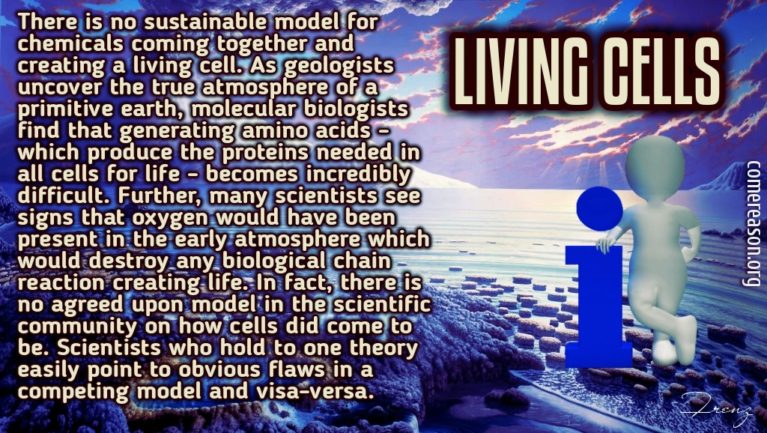
This image accurately summarizes one of the most significant scientific and philosophical challenges to naturalistic atheism — the origin of life problem. Even among secular scientists, there is no coherent, experimentally verified model explaining how nonliving chemicals could have assembled themselves into the first living cell.
Let’s examine this carefully, both scientifically and biblically.
1. No Sustainable Naturalistic Model for Life’s Origin
The image is correct: despite decades of research, no naturalistic model has successfully explained how life could arise from nonlife. As Dr. Jobe Martin notes in The Evolution of a Creationist (Precept Austin, 2020), life always comes from life — a principle known as biogenesis. He writes:
“The Bible tells us the living God is the Creator of life, and that statement agrees with what we see in biology. Life always comes from life.”
Dr. Martin recounts how experiments like Stanley Miller’s 1953 attempt to simulate early‑Earth conditions produced only a few amino acids — the building blocks of proteins — but not life itself. Proteins are not living, and amino acids do not spontaneously organize into functional cells. As he concludes, “The Miller‑type experiments do not display chemicals marching ever onward and upward until reproducing life is generated, yet evolution in this manner is assumed to have happened.”
This aligns perfectly with observation: life does not arise from nonlife.
2. The Chemical Barriers Are Enormous
Modern molecular biology has only deepened the problem. As Evolution News’s article “James Tour Video Series on the Origin of Life — Assembly of Cellular Components” (2021) explains, even the simplest possible cell would require over 200 genes and hundreds of thousands of bits of information. The article quotes researchers Hoyle and Wickramasinghe, who concluded that the transformation of simple molecules into a living cell “appears to require overcoming an information hurdle of superastronomical proportions.”
Dr. Tour notes that all laboratory attempts to simulate this process have ended in “dismal failure.” The complexity of even the smallest cell — with its DNA, RNA, proteins, membranes, and energy systems — defies any unguided explanation.
3. The Oxygen Problem
The image also mentions that many scientists believe oxygen in the early atmosphere would have destroyed the chemical reactions necessary for life’s origin. This is a well‑known dilemma. As Evolution News’s article “Origin of Life: More Problems with Rimmer” (2023) explains, the synthesis of life’s building blocks requires a reducing (oxygen‑free) atmosphere. But geological evidence shows that Earth’s early rocks contain oxidized minerals, indicating the presence of oxygen.
If oxygen was present, prebiotic molecules would have been destroyed; if it was absent, there would be no ozone layer to protect them from ultraviolet radiation. Either way, the naturalistic scenario fails.
4. No Consensus Among Scientists
The image correctly notes that there is no agreed‑upon model for how life began. Competing hypotheses — “RNA world,” “metabolism first,” “lipid world,” “hydrothermal vents,” and others — all face fatal flaws. Each camp points out the weaknesses in the others’ models, leaving the field in disarray.
As Dr. Brian Miller summarized in Evolution News (2023), “The building blocks must be properly assembled into a functional cell. The required steps are so improbable that all proposed naturalistic models collapse under their own weight.”
This ongoing lack of consensus underscores that the origin of life remains an unsolved mystery for materialism but perfectly consistent with the biblical account of creation.
5. The Biblical Explanation: Life from the Living God
The Bible gives a simple, coherent, and observationally consistent explanation: life comes from the living Creator.
“And the Lord God formed man of the dust of the ground, and breathed into his nostrils the breath of life; and man became a living soul” (Genesis 2:7).
“For in him we live, and move, and have our being” (Acts 17:28).
“Thou art worthy, O Lord, to receive glory and honour and power: for thou hast created all things, and for thy pleasure they are and were created” (Revelation 4:11).
Life is not an accident of chemistry; it is the result of intelligent design by a personal, purposeful Creator. The failure of naturalistic models only reinforces what Scripture has declared from the beginning: “In him was life; and the life was the light of men” (John 1:4).
6. Conclusion
The image’s points are fully supported by both science and Scripture:
No experiment has shown how life could arise from nonlife.
The chemical and informational barriers are insurmountable.
The presence of oxygen and the lack of consensus among scientists further undermine naturalistic theories.
The only consistent explanation is that life was created by the living God.
As Dr. Jobe Martin concluded in The Evolution of a Creationist:
“Life always comes from life — and the living God is the source of all life.”
Thus, the origin of life is not a problem for Christianity; it is powerful evidence of the Creator’s wisdom and glory.
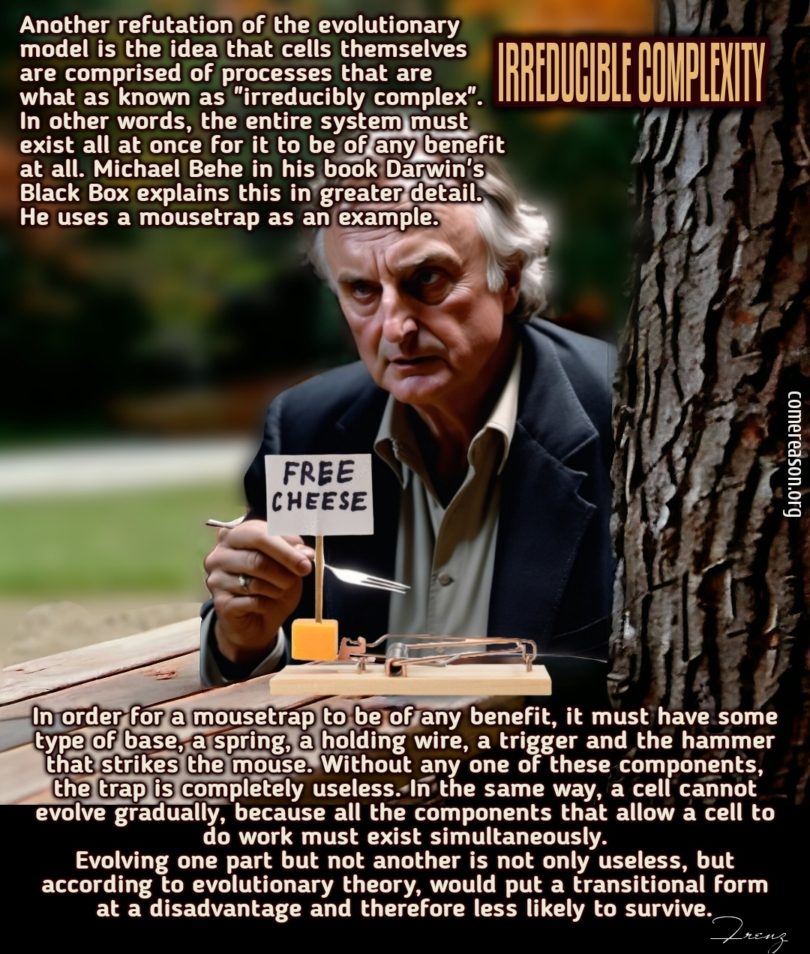
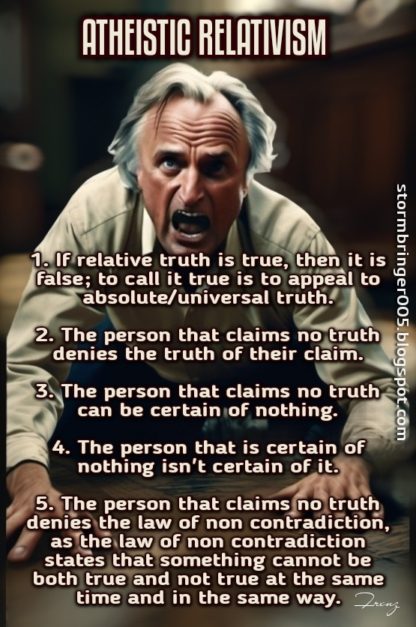
This image presents a clear and philosophically rigorous critique of atheistic relativism—the belief that truth is subjective, changing, or dependent on personal or cultural perspective. The arguments it lists are not only logically sound but also deeply consistent with the biblical understanding of absolute truth as rooted in the nature of God Himself.
Let’s examine these points carefully in light of Scripture and reason.
1. If Relative Truth Is True, Then It Is False
The image’s first argument exposes the self-refuting nature of relativism. To say, “All truth is relative,” is to make an absolute claim—a statement that is meant to be true for everyone, everywhere. But if all truth is relative, then that very statement cannot be absolutely true.
This is precisely the point made in GotQuestions.org’s article “Is Truth Relative?”, which explains:
“The statement ‘truth is relative’ is, in fact, a self-refuting statement. In saying, ‘Truth is relative,’ one states a purported truth. But, if all truth is relative, then that statement itself is relative as well—which means we can’t trust it to be true all the time.”
Thus, relativism collapses under its own weight. It cannot even affirm itself without appealing to the very concept it denies—absolute truth.
2. The Claim “There Is No Truth” Is Self-Denying
The second point follows naturally: to claim “There is no truth” is to make a truth claim. If the statement is true, then at least one truth exists—namely, that there is no truth—which contradicts itself.
This is why GotQuestions.org’s article “Is There Such a Thing as Absolute Truth?” calls such reasoning “illogical.” It notes that denying absolute truth leads to “logical contradictions and practical chaos,” because even the denial itself must be absolutely true to have meaning.
The Bible affirms that truth is not relative but objective and unchanging, because it is grounded in the unchanging character of God:
“For I am the Lord, I change not” (Malachi 3:6).
“Thy word is truth” (John 17:17).
“Jesus saith unto him, I am the way, the truth, and the life” (John 14:6).
Truth is not an abstract concept—it is a reflection of who God is.
3. If There Is No Truth, One Can Be Certain of Nothing
The image’s third point highlights the epistemological bankruptcy of relativism. If there is no truth, then there is no knowledge, because knowledge requires truth. To “know” something means to hold a belief that corresponds to reality.
Without truth, all beliefs are equally meaningless. This is why relativism ultimately leads to skepticism and despair—no one can be sure of anything, not even of their own reasoning.
Scripture describes this condition vividly:
“Ever learning, and never able to come to the knowledge of the truth” (2 Timothy 3:7).
“Professing themselves to be wise, they became fools” (Romans 1:22).
When people reject the truth of God, they lose the very foundation for rational thought.
4. If One Is Certain of Nothing, One Cannot Be Certain of Their Own Uncertainty
This is a brilliant logical observation. To claim “I am certain that I am uncertain” is self-contradictory. Certainty about uncertainty is still a form of certainty. Thus, even the skeptic must rely on some form of absolute truth to make sense of their own doubt.
This is what TableTalk Magazine’s article “Our Triune God” calls the “conceptualism” of the modern age—people create their own “personal truths” to coexist with others, even though such “truths” have no basis in reality. But as the article states, “We are not entitled to hold to our own versions of truth, for it is impossible for more than one version of the truth to exist.”
5. Denying Truth Violates the Law of Non-Contradiction
Finally, the image correctly notes that relativism denies the law of non-contradiction—the foundational principle of all rational thought, which states that something cannot be both true and not true at the same time and in the same way.
If relativism were true, contradictions could both be valid, and communication would be impossible. Yet even relativists live as though truth is objective—they stop at red lights, pay bills, and expect honesty from others. Their daily lives contradict their philosophy.
The Bible affirms that God is a God of order and truth, not confusion:
“God is not the author of confusion, but of peace” (1 Corinthians 14:33).
“It is impossible for God to lie” (Hebrews 6:18).
“The works of his hands are verity and judgment; all his commandments are sure” (Psalm 111:7).
The consistency of reality reflects the consistency of its Creator.
6. Conclusion
The image’s five arguments together form a powerful defense of absolute truth and a devastating critique of atheistic relativism:
Relativism refutes itself.
It destroys the possibility of knowledge.
It violates the most basic laws of logic.
It contradicts both reason and experience.
Absolute truth, by contrast, is coherent, necessary, and grounded in the eternal nature of God. As GotQuestions.org concludes, “Absolute truth exists and points to a sovereign Creator who revealed Himself in the Bible, with Jesus Christ as the ultimate manifestation of truth.”
Therefore, the Christian worldview alone provides a consistent foundation for truth, reason, and morality. As Psalm 119:160 declares:
“Thy word is true from the beginning: and every one of thy righteous judgments endureth for ever.”
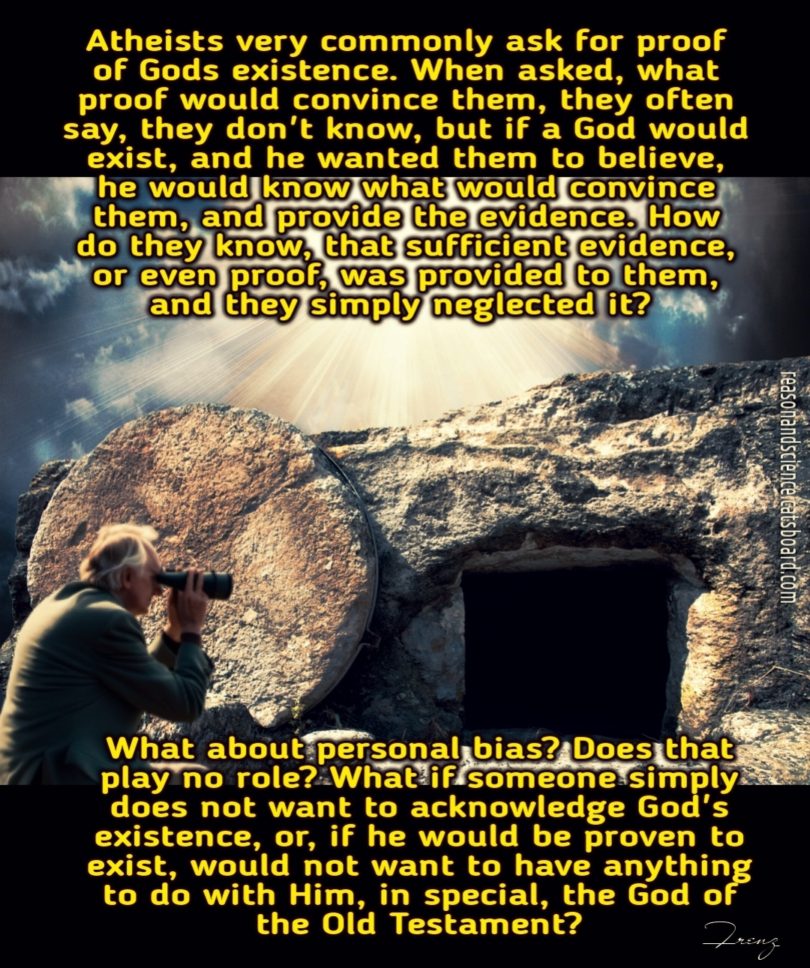
Those are very perceptive questions — and they go right to the heart of what Scripture says about the human condition before God. The issue is not simply about evidence; it’s about the moral and spiritual posture of the heart toward the truth that God has already made known.
Let’s look at this step by step, both biblically and logically.
1. God Has Already Provided Sufficient Evidence
The Bible teaches that God has revealed Himself clearly through both creation and conscience.
“The heavens declare the glory of God; and the firmament sheweth his handywork” (Psalm 19:1).
“For the invisible things of him from the creation of the world are clearly seen, being understood by the things that are made, even his eternal power and Godhead; so that they are without excuse” (Romans 1:20).
“He hath made every thing beautiful in his time: also he hath set the world in their heart” (Ecclesiastes 3:11).
In other words, the evidence of God’s existence is not hidden — it is pervasive. The order, beauty, and intelligibility of the universe, the moral awareness within every human heart, and the historical testimony of Scripture all point unmistakably to a Creator.
As GotQuestions.org’s article “What Is Atheism?” explains, God’s existence “must be accepted by faith,” but that faith is not blind — it is a rational response to the evidence He has already given. The problem is not the absence of evidence, but the suppression of it (Romans 1:18).
2. The Problem Is Not Intellectual but Moral
When atheists say, “If God wanted me to believe, He would give me proof,” they assume that unbelief is purely an intellectual issue. But Scripture says it is primarily a moral and spiritual issue.
Jesus said:
“Light is come into the world, and men loved darkness rather than light, because their deeds were evil” (John 3:19).
Paul wrote:
“The natural man receiveth not the things of the Spirit of God: for they are foolishness unto him” (1 Corinthians 2:14).
This means that unbelief is not simply a lack of data; it is a heart disposition that resists the implications of God’s existence — namely, moral accountability and submission to His authority.
As Wayne Barber notes in his commentary on 2 Corinthians 2 (Precept Austin), Paul loved the Corinthians enough to tell them hard truths even when they resisted him. Likewise, God confronts us with truth that exposes our sin — and many reject it not because it’s unconvincing, but because it’s uncomfortable.
3. Personal Bias Plays a Major Role
You are absolutely right to ask about bias. Every person interprets evidence through the lens of their worldview and desires. If someone does not want God to exist — especially the holy and just God revealed in Scripture — then no amount of evidence will satisfy them.
Jesus addressed this directly:
“If they hear not Moses and the prophets, neither will they be persuaded, though one rose from the dead” (Luke 16:31).
Even miraculous proof does not overcome a willful heart. The Pharisees saw Jesus heal the sick and raise the dead, yet plotted to kill Him (John 11:47–53). Their problem was not lack of evidence but refusal to submit to what the evidence demanded.
4. Rejection of the God of the Old Testament
Many modern atheists say that even if God existed, they would not want to worship “the God of the Old Testament.” That statement itself reveals the deeper issue: rebellion, not reason.
The God of the Old Testament is the same God revealed in Jesus Christ — holy, just, and merciful. The problem is that people often want a god who approves of their desires, not the true God who calls them to repentance.
Romans 1:21–23 describes this perfectly:
“When they knew God, they glorified him not as God, neither were thankful; but became vain in their imaginations… and changed the glory of the uncorruptible God into an image made like to corruptible man.”
In other words, unbelief often masks a deeper desire: to be one’s own god.
5. Faith Is a Response to Revelation, Not a Substitute for Evidence
Faith in Scripture is not belief without evidence; it is trust in the God who has revealed Himself. Hebrews 11:6 says,
“Without faith it is impossible to please him: for he that cometh to God must believe that he is, and that he is a rewarder of them that diligently seek him.”
God has given enough light for the willing heart to believe, but He does not overwhelm the unwilling. He invites, He reveals, He convicts — but He does not coerce.
6. Conclusion
So, how do atheists know that sufficient evidence hasn’t already been given? The truth is, they don’t — and Scripture says they have been given enough, but they suppress it. The barrier is not intellectual but moral and volitional.
God has provided abundant evidence in creation, conscience, and Christ.
Personal bias and moral resistance often prevent people from acknowledging that evidence.
Even miraculous proof cannot overcome a heart that refuses to yield.
The issue is not God’s failure to reveal, but humanity’s refusal to receive.
As Jesus said, “My sheep hear my voice, and I know them, and they follow me” (John 10:27). Those who truly seek truth will find that the evidence for God has been before them all along — and that it points unmistakably to the living, holy, and loving Creator revealed in Scripture.
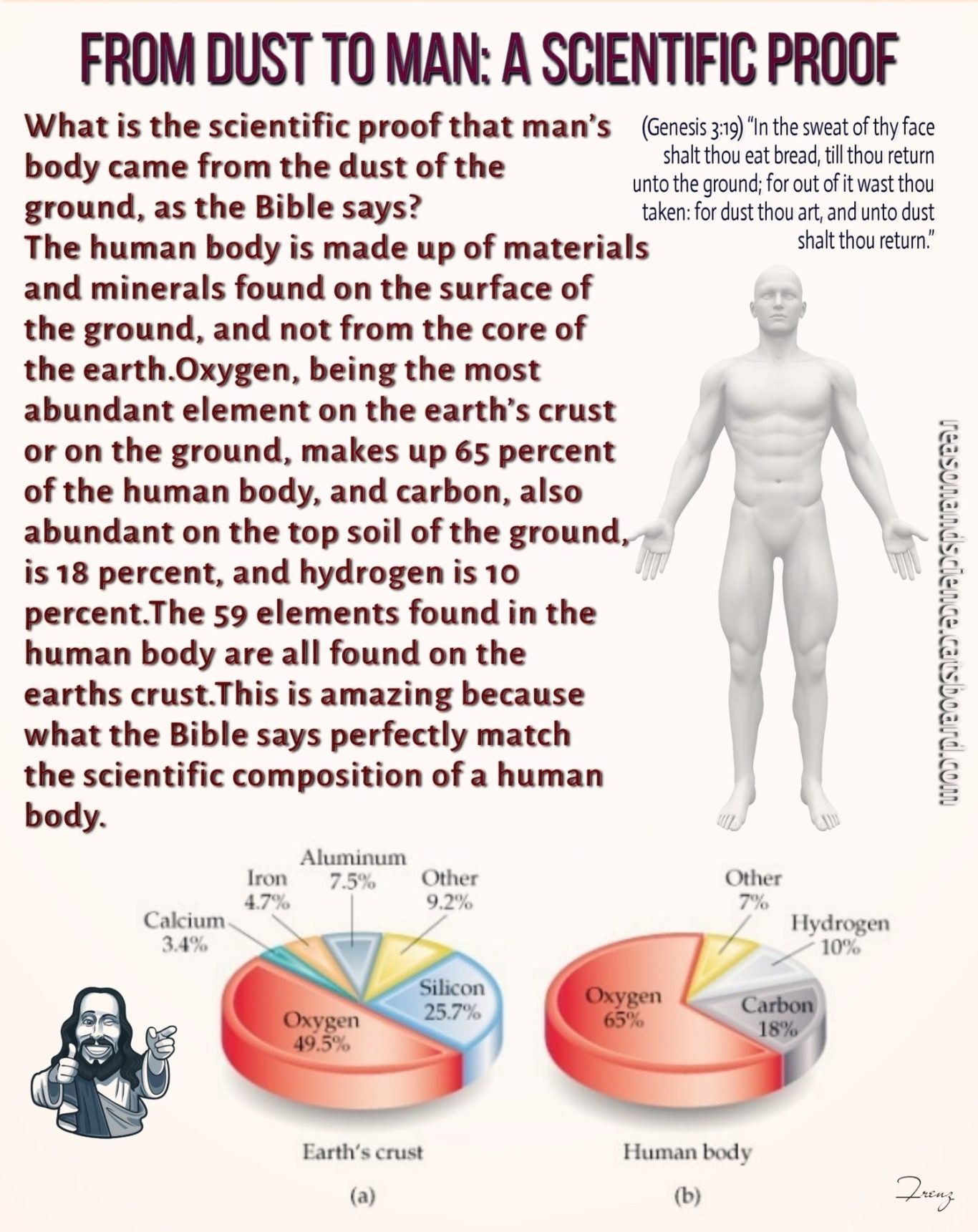
The statement in Genesis that man was formed “of the dust of the ground” (Genesis 2:7; 3:19) is not a primitive myth, but a profound truth that modern science has confirmed in remarkable ways.
Let’s look at this carefully from both Scripture and science.
1. The Biblical Statement
Genesis 2:7 (KJV) says:
“And the Lord God formed man of the dust of the ground, and breathed into his nostrils the breath of life; and man became a living soul.”
And Genesis 3:19 adds:
“In the sweat of thy face shalt thou eat bread, till thou return unto the ground; for out of it wast thou taken: for dust thou art, and unto dust shalt thou return.”
These verses teach two things:
Materially, man’s body was formed from the same elements found in the ground.
Spiritually, man’s life came from the breath of God — the divine spark that makes us living souls.
This dual truth — physical substance from the earth, life from God — is central to the biblical view of humanity.
2. Scientific Confirmation: The Elements of the Human Body
Modern chemistry confirms that the human body is composed of the same basic elements found in the earth’s crust. According to biochemistry, the body contains about 59 elements.
Every one of these elements is found in the dust of the ground — the top layer of the earth’s crust. None come from the earth’s molten core or from outer space.
As GotQuestions.org explains in its article “Why Did God Make Man Out of the Dust of the Earth?”, this correspondence is not coincidental:
“Man is a unique combination of earthly, natural material and life-giving power from God Himself. Such a mode of creation highlights the importance and value of human life.”
This is precisely what the image you referenced describes — the Bible’s statement aligns perfectly with what modern science observes.
3. Theological Meaning: Humility and Dependence
The use of dust also carries deep spiritual meaning. Dust is humble, common, and easily scattered — a reminder of our dependence on God. As Spurgeon’s Exposition on Genesis (Precept Austin) notes:
“God did not use gold or granite or gemstones to make man. He used dust, a humble substance. What gives man his glory? The dust, or the breath of God within the dust?”
This echoes Psalm 103:14:
“For he knoweth our frame; he remembereth that we are dust.”
Our physical composition reminds us of our mortality and our need for the Creator who gave us life.
4. Dust to Dust: The Cycle of Life
The phrase “for dust thou art, and unto dust shalt thou return” (Genesis 3:19) is not only poetic but scientifically accurate. When a human body decomposes, its elements — carbon, calcium, iron, and others — return to the soil, rejoining the earth’s natural cycles.
This reflects the same chemical truth in reverse: the body that came from the ground ultimately returns to it. Ecclesiastes 12:7 puts it this way:
“Then shall the dust return to the earth as it was: and the spirit shall return unto God who gave it.”
Science observes the physical process; Scripture reveals the spiritual reality behind it.
5. The Creator’s Design
The harmony between Genesis and modern biochemistry is not accidental. It points to intelligent design — a Creator who formed man purposefully from the materials of His creation.
As Isaiah 42:5 declares:
“Thus saith God the Lord, he that created the heavens, and stretched them out; he that spread forth the earth, and that which cometh out of it; he that giveth breath unto the people upon it, and spirit to them that walk therein.”
This verse unites both the physical and spiritual aspects of human life — the same truth Genesis proclaimed thousands of years earlier.
6. Conclusion
The statement that man was made “from the dust of the ground” is not only theologically profound but also scientifically accurate:
The human body is composed of the same elements found in the earth’s crust.
These elements return to the soil after death.
The Bible’s description predates modern chemistry by millennia.
The breath of God, not chemistry alone, makes man a living soul.
As GotQuestions.org concludes, “The recipe of dust of the earth + God’s breath emphasizes the supernatural power of God and the fragile nature of humanity.”
So, yes — science confirms what Scripture declared from the beginning:
“For dust thou art, and unto dust shalt thou return.” (Genesis 3:19)
And yet, by God’s breath, that dust became something infinitely precious — a living being made in His image (Genesis 1:27).
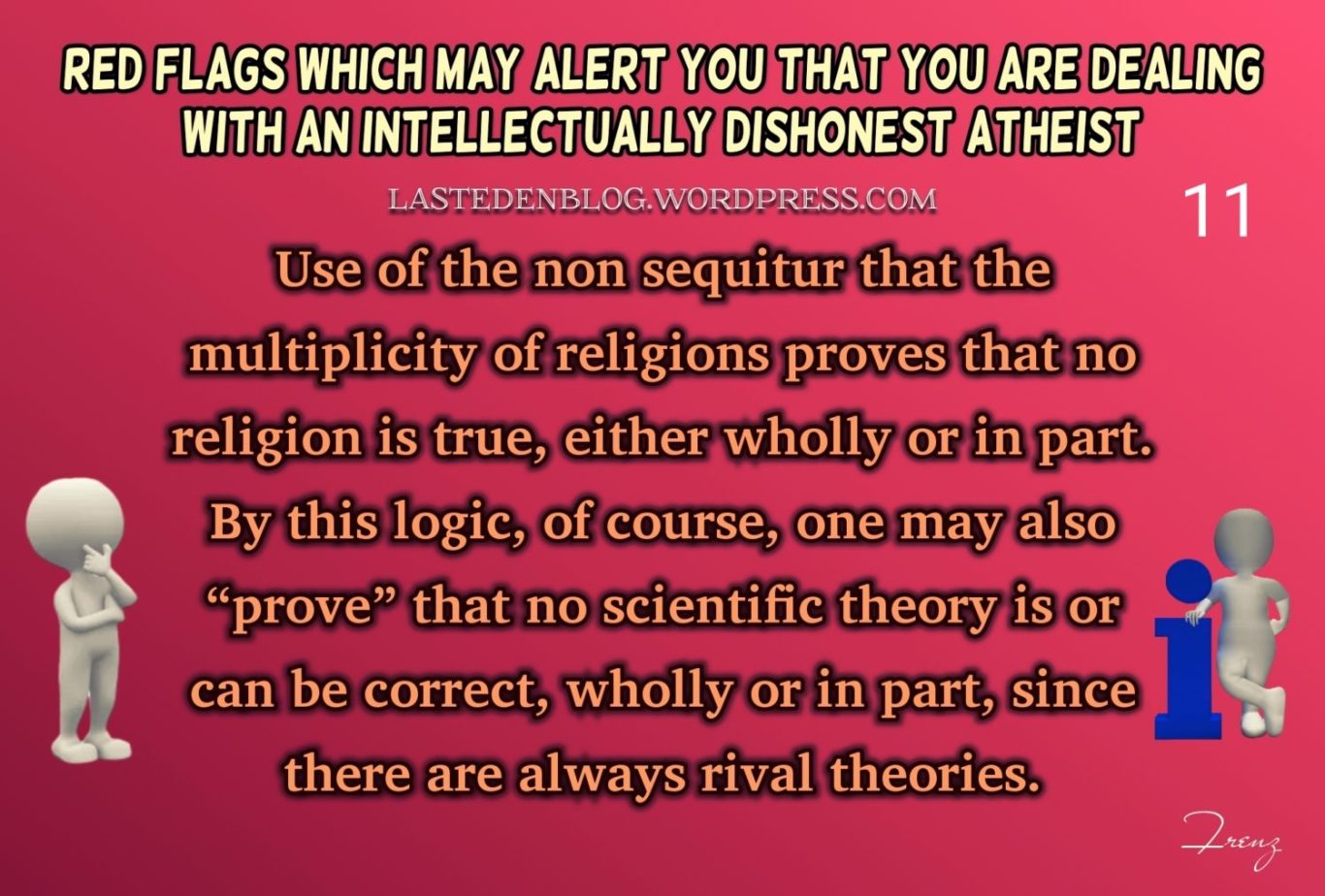
Let’s unpack this carefully, both logically and biblically.
1. Why the Argument Fails Logically
The atheist’s reasoning goes something like this:
There are many religions.
They disagree with each other.
Therefore, none of them can be true.
But this is a non sequitur—the conclusion doesn’t follow. The existence of multiple, conflicting explanations for something does not mean that all are false; it simply means that at most one can be true.
As GotQuestions.org’s article “With all of the different religions, how can I know which one is correct?” explains, logic itself disproves religious pluralism. The article notes:
“Islam and Judaism claim that Jesus is not God, whereas Christianity claims He is. One of the core laws of logic is the law of non‑contradiction, which says something cannot be both ‘A’ and ‘non‑A’ at the same time and in the same sense. Applying this law means that one claim is right and the other is wrong. Jesus cannot be both God and not God.”
So, the multiplicity of religions doesn’t disprove truth; it simply means that truth must be tested. The same is true in science: rival theories exist, but that doesn’t mean all are false—only that some are mistaken.
2. The Correct Question: Which Religion Corresponds to Reality?
The existence of many religions actually invites investigation, not dismissal. As GotQuestions.org points out, the proper approach is to test each worldview by three criteria:
Logical consistency – Does it contradict itself?
Empirical adequacy – Does it fit the observable facts?
Existential relevancy – Does it answer life’s deepest questions about meaning, morality, and destiny?
When these tests are applied, Christianity stands uniquely verified:
It is historically grounded in verifiable events (Luke 1:1–4; 1 Corinthians 15:3–8).
It is logically coherent, affirming both God’s justice and mercy through the cross.
It is existentially satisfying, offering forgiveness, purpose, and eternal hope.
3. The Biblical View of Competing Beliefs
Scripture acknowledges that many false religions exist but insists that truth is singular and knowable.
“There is a way which seemeth right unto a man, but the end thereof are the ways of death” (Proverbs 14:12).
“For all the gods of the nations are idols: but the Lord made the heavens” (Psalm 96:5).
“Jesus saith unto him, I am the way, the truth, and the life: no man cometh unto the Father, but by me” (John 14:6).
The Bible never denies the diversity of belief; it simply declares that only one way leads to God—through Christ. The multiplicity of religions is not evidence against truth but evidence of humanity’s search for it, often distorted by sin and error.
4. The Irony of the Atheist’s Argument
When an atheist uses this argument, they often fail to see that their own worldview faces the same problem. There are multiple competing forms of atheism—naturalism, existentialism, humanism, nihilism, etc.—each contradicting the others. By their own logic, the diversity of atheistic philosophies would “prove” that none of them are true.
This shows the inconsistency of the claim. The mere existence of disagreement does not invalidate truth; it simply means that truth must be discerned.
5. Conclusion
The argument that “many religions exist, therefore none are true” is intellectually dishonest because it:
Commits a non sequitur (the conclusion doesn’t follow).
Violates the law of non‑contradiction.
Ignores the possibility that one religion could be true while others are false.
Applies a double standard that would also invalidate science and atheism itself.
As Proverbs 18:13 warns, “He that answereth a matter before he heareth it, it is folly and shame unto him.”
The wise response is not to dismiss all truth claims because they differ, but to seek the one that corresponds to reality. And Jesus Christ alone meets that test — historically, logically, and spiritually.
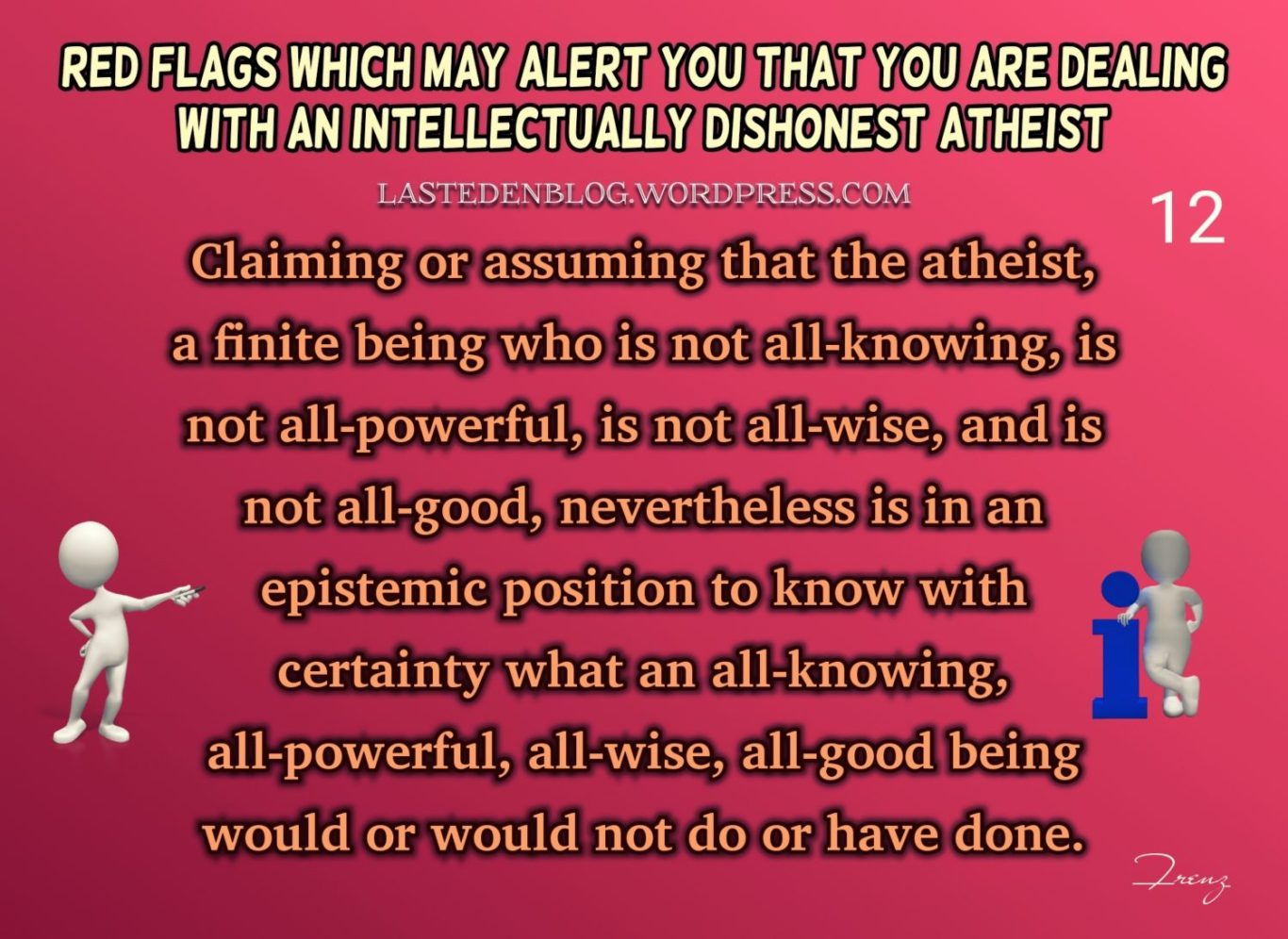
This “red flag” identifies one of the most common and serious logical errors made in atheistic argumentation: finite creatures presuming to know what an infinite, all‑wise Creator would or would not do.
This assumption is not only philosophically unsound but also directly addressed in Scripture. Let’s unpack it carefully.
1. The Logical Problem: Finite Minds Claiming Infinite Knowledge
When an atheist says something like,
“If God existed, He would not allow suffering,”
or
“A good God would never command judgment,”
they are assuming that they know exactly how an omniscient, omnipotent, and omnibenevolent Being should act. But that is a claim to divine-level knowledge — the very thing they deny exists.
As GotQuestions.org’s article “Why Does God Allow Evil?” explains, this reasoning is self‑defeating:
“To say that God could not have a morally sufficient reason for allowing evil is to claim to know more than God knows. It assumes that the finite mind can comprehend all the purposes of the infinite God.”
This is precisely the “epistemic overreach” the image warns about. A finite being cannot stand in judgment over the infinite God without first assuming the very attributes of omniscience and moral perfection that belong to God alone.
2. Scripture’s Response: God’s Wisdom Is Beyond Human Comprehension
The Bible repeatedly reminds us that God’s ways transcend human understanding:
“For my thoughts are not your thoughts, neither are your ways my ways, saith the Lord. For as the heavens are higher than the earth, so are my ways higher than your ways, and my thoughts than your thoughts.” (Isaiah 55:8‑9)
“O the depth of the riches both of the wisdom and knowledge of God! how unsearchable are his judgments, and his ways past finding out!” (Romans 11:33)
“Where wast thou when I laid the foundations of the earth? declare, if thou hast understanding.” (Job 38:4)
These verses show that it is epistemically impossible for limited human beings to evaluate or critique the decisions of an all‑knowing Creator. To do so is to place oneself in the position of God — the very essence of pride and rebellion.
3. The Theological Principle: Creator–Creature Distinction
As TableTalk Magazine’s article “Thinking God’s Thoughts” explains, human knowledge is analogical to God’s — we can think God’s thoughts after Him, but never as Him. The article states:
“God’s knowledge and wisdom are unique, but they are not unintelligible. All of creation is also ‘for Him.’ With man’s great privilege to think God’s thoughts after Him comes the responsibility to take that which we receive and give it back to God in an act of worship.”
This means that while humans can understand truth because we are made in God’s image, we cannot comprehend all truth exhaustively. To claim otherwise is to erase the Creator–creature distinction and commit intellectual arrogance.
4. The Moral Dimension: Pride Masquerading as Reason
The atheist’s assumption that “a good God wouldn’t do X” often stems not from logic but from moral pride — the belief that human moral reasoning is superior to divine revelation.
Romans 9:20 confronts this attitude directly:
“Nay but, O man, who art thou that repliest against God? Shall the thing formed say to him that formed it, Why hast thou made me thus?”
And Romans 1:21‑22 describes the same pattern:
“When they knew God, they glorified him not as God, neither were thankful; but became vain in their imaginations, and their foolish heart was darkened. Professing themselves to be wise, they became fools.”
The problem, then, is not lack of evidence but refusal to acknowledge God’s rightful authority.
5. Conclusion
The “red flag” described in the image is a clear sign of intellectual dishonesty because it involves:
A finite mind pretending to possess infinite knowledge.
A moral creature judging the Creator’s morality.
A limited being assuming the right to define what an unlimited God “should” do.
True intellectual humility begins with recognizing our limits and acknowledging God’s infinite wisdom. As Proverbs 3:5‑7 teaches:
“Trust in the Lord with all thine heart; and lean not unto thine own understanding. In all thy ways acknowledge him, and he shall direct thy paths. Be not wise in thine own eyes.”
In short, the atheist who claims to know what an all‑knowing God would or would not do is not reasoning from evidence — they are assuming the very omniscience they deny, which is the ultimate contradiction.
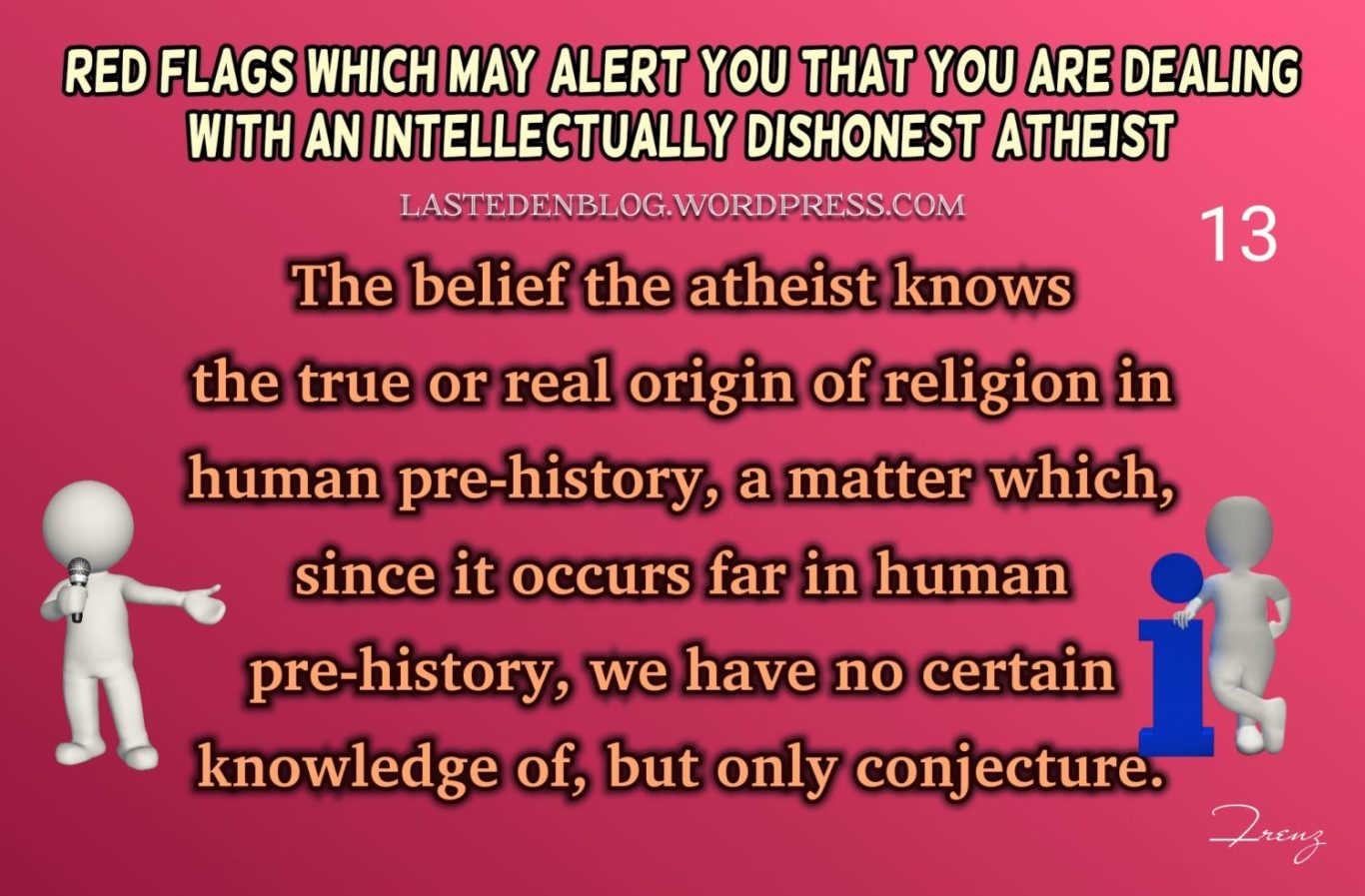
The claim that someone “knows” the true origin of religion in humanity’s prehistory is indeed a red flag of intellectual dishonesty, because it pretends to possess certainty about events that are, by their very nature, beyond the reach of empirical verification.
Let’s unpack this carefully from both a logical and biblical perspective.
1. The Limits of Human Knowledge About Prehistory
When atheists or secular anthropologists claim to know how religion “evolved” — for example, that primitive humans invented gods to explain natural forces or to comfort themselves — they are not describing observable history. They are engaging in speculative reconstruction.
As the Probe Ministries article “Challenging the New Atheists” (Patrick Zukeran, 2016) points out, such theories were heavily influenced by Darwinian assumptions and lack serious empirical support. Zukeran cites the monumental research of anthropologist Dr. Wilhelm Schmidt, who studied hundreds of cultures and found that:
“Monotheism is the oldest of religions. The development of religion was discovered to have gone in the opposite direction of the evolutionary theory. All cultures began with a belief in a heavenly Father, and this monotheistic faith eventually degenerates to polytheism and then animism.”
This finding, known as “original monotheism,” directly contradicts the atheistic narrative that religion evolved upward from superstition. Instead, the evidence supports the biblical model: humanity began with knowledge of the one true God and later fell into idolatry (Romans 1:21–23).
2. The Logical Problem: Claiming Certainty Without Data
The atheist who claims to “know” the origin of religion commits a category error — confusing speculation with knowledge. Prehistoric events cannot be observed, repeated, or tested; therefore, any claim about them is philosophical, not scientific.
As Rodney Stark observed in One True God (2001), cited in Mind Matters (2024), social scientists who approach religion through a purely materialist lens reduce history “to caricatures.” Stark himself came to recognize that a fair study of religion requires suspending disbelief and taking people’s own testimony seriously.
In other words, honest scholarship admits the limits of its knowledge. To claim certainty about unobservable prehistory is not science — it is dogma masquerading as science.
3. The Biblical Record: Humanity Began Knowing God
The Bible’s account of human origins aligns perfectly with Schmidt’s anthropological findings. Scripture teaches that the first humans knew God personally:
“And they heard the voice of the Lord God walking in the garden in the cool of the day” (Genesis 3:8).
“Then began men to call upon the name of the Lord” (Genesis 4:26).
“Because that, when they knew God, they glorified him not as God, neither were thankful; but became vain in their imaginations, and their foolish heart was darkened” (Romans 1:21).
Thus, religion did not “evolve” from ignorance to enlightenment; it devolved from revelation to rebellion. Humanity’s problem is not lack of knowledge but willful suppression of the truth (Romans 1:18).
4. The Irony of the Atheist’s Claim
When an atheist insists that religion originated as a human invention, they are making a faith statement of their own — one that cannot be proven and must be accepted on philosophical grounds. Ironically, they accuse believers of having “faith without evidence,” while their own position rests on unverifiable assumptions about prehistory.
This is precisely what TableTalk Magazine’s article “Old and Disapproved” (2003) warned against: modern thinkers often recycle ancient errors under the guise of new ideas, reviving old denials of divine revelation while pretending to be “scientific.” The claim to know what happened in prehistory without revelation is one such error.
5. Conclusion
The image’s point is entirely valid:
No one can know with certainty the origin of religion through naturalistic means; the data simply do not exist.
Atheistic claims about religion’s beginnings are philosophical conjectures, not scientific facts.
Both anthropology and Scripture support the view that humanity began with knowledge of one true God, later corrupted by sin and idolatry.
As Ecclesiastes 3:11 says, “He hath set the world in their heart, so that no man can find out the work that God maketh from the beginning to the end.”
True intellectual honesty admits the limits of human knowledge — and recognizes that the only reliable account of our beginnings comes from the God who was there “in the beginning” (Genesis 1:1).
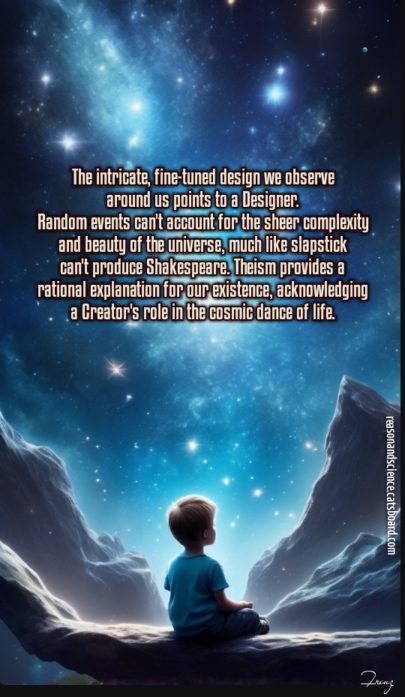
The Bible affirms this truth. Romans 1:20 says,
“For his invisible attributes, namely, his eternal power and divine nature, have been clearly perceived, ever since the creation of the world, in the things that have been made. So they are without excuse.”
This verse teaches that the complexity and beauty of creation are clear evidence of God’s existence and character.
Similarly, Psalm 19:1–2 declares,
“The heavens declare the glory of God, and the sky above proclaims his handiwork. Day to day pours out speech, and night to night reveals knowledge.”
The universe itself is like a masterpiece, pointing beyond itself to the Creator.
Modern science supports this biblical insight. The fine-tuning of the universe—such as the precise values of physical constants and the complexity of life—makes it extremely unlikely that everything arose by chance. As Jeff Zweerink notes, “The pervasive evidence of fine-tuning provides a compelling case that a supernatural Designer exists.” The analogy you used is apt: just as random keystrokes can’t produce Shakespeare, so too random processes can’t account for the order and beauty we see in creation.
Finally, John 1:1–3 reminds us that this Designer is not distant, but personal:
“In the beginning was the Word, and the Word was with God, and the Word was God. He was in the beginning with God. All things were made through him, and without him was not any thing made that was made.”
Theism, and specifically the Christian worldview, provides a rational and satisfying explanation for our existence by acknowledging the Creator’s role in the “cosmic dance of life.”
In summary, both the Bible and the evidence of science point us to a purposeful, intelligent Creator who designed the universe with care and intention.
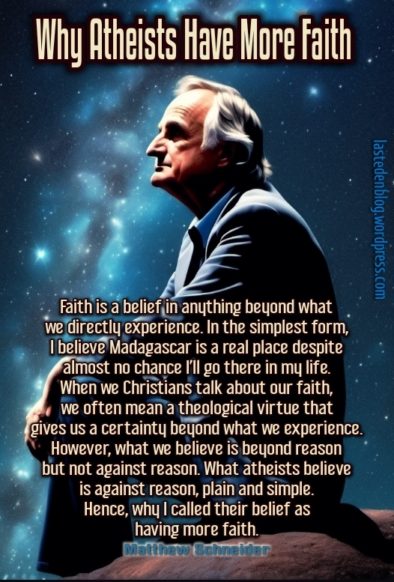
This image captures a very important distinction — one that is often misunderstood in discussions between believers and atheists: the difference between faith that goes beyond reason and belief that goes against reason.
Let’s unpack this carefully, using both Scripture and sound philosophy.
1. Faith: Trust Beyond Direct Experience
The image begins by defining faith as belief in something beyond direct personal experience — for example, believing that Madagascar exists even if you’ve never been there. That’s a fair starting point.
All people, including atheists, live by this kind of faith every day. We trust the testimony of others, the reliability of our senses, and the consistency of the natural world — none of which we can prove exhaustively. As Ligonier Ministries’ article “Are Faith and Reason in Conflict?” explains:
“Beings believe certain things based on the testimony of others. Christians believe what they believe based on the testimony of the Apostles. Such faith is a gift, but it is not divorced from reason.”
Faith, then, is not blind. It is a reasonable trust grounded in evidence and testimony — the same kind of trust we exercise in daily life, but directed toward divine revelation.
2. Christian Faith: Beyond Reason, Not Against It
Christian faith is not irrational; it simply transcends the limits of human reason. The Bible never asks us to believe without evidence — it calls us to trust the trustworthy God who has revealed Himself in creation, Scripture, and Christ.
“Now faith is the substance of things hoped for, the evidence of things not seen.” (Hebrews 11:1)
“That which we have seen and heard declare we unto you, that ye also may have fellowship with us.” (1 John 1:3)
“These are written, that ye might believe that Jesus is the Christ, the Son of God; and that believing ye might have life through his name.” (John 20:31)
As GotQuestions.org’s article “How should a Christian view the relationship of faith and reason?” explains, biblical faith “is trust grounded in substance and evidence rather than belief without reason.”
Thus, Christian faith goes beyond reason (because it deals with realities unseen and eternal) but never contradicts reason. It is supra‑rational, not irrational.
3. Atheistic “Faith”: Belief Against Reason
The image contrasts this with atheism, claiming that atheists actually exercise more faith — because their worldview requires belief in things that are against reason.
For example, atheism must assume:
That the universe came into existence from nothing, without cause.
That life arose spontaneously from non‑living matter.
That consciousness and morality emerged from blind, purposeless processes.
Each of these claims contradicts both logic and observation. As TableTalk Magazine’s article “The Signature in the Cell” notes, the information content in DNA cannot be explained by undirected chemistry or chance:
“There is simply too much information in the cell to be explained by chance alone. The information in DNA has also been shown to defy explanation by reference to the laws of chemistry. Clearly, ‘something else’ is at work.”
That “something else” is intelligence — the mind of the Creator. To deny this and insist that life and order arose from chaos is not merely faith beyond reason; it is faith against reason.
4. Everyone Has Faith — The Question Is: In What?
The atheist often claims to be “free of faith,” but that is impossible. Every worldview rests on unprovable assumptions — about the nature of reality, morality, and meaning. The difference is that Christian faith is anchored in a rational, personal, moral Being, while atheistic faith is anchored in impersonal chance.
Psalm 14:1 describes this contrast bluntly:
“The fool hath said in his heart, There is no God.”
And Romans 1:20–22 explains why:
“The invisible things of him from the creation of the world are clearly seen… so that they are without excuse: because that, when they knew God, they glorified him not as God… professing themselves to be wise, they became fools.”
The issue is not the presence or absence of faith, but whether that faith is reasonable and rightly placed.
5. Conclusion
The image’s argument is sound and biblically consistent:
All people live by faith in things they cannot directly verify.
Christian faith is beyond reason but never against reason — it trusts the God who has revealed Himself.
Atheistic belief, by contrast, often contradicts reason and evidence, requiring far greater “faith” in the impossible.
As Proverbs 9:10 declares,
“The fear of the Lord is the beginning of wisdom: and the knowledge of the holy is understanding.”
True faith does not abandon reason — it fulfills it by trusting the One who is both the source of reason and the Author of truth.g
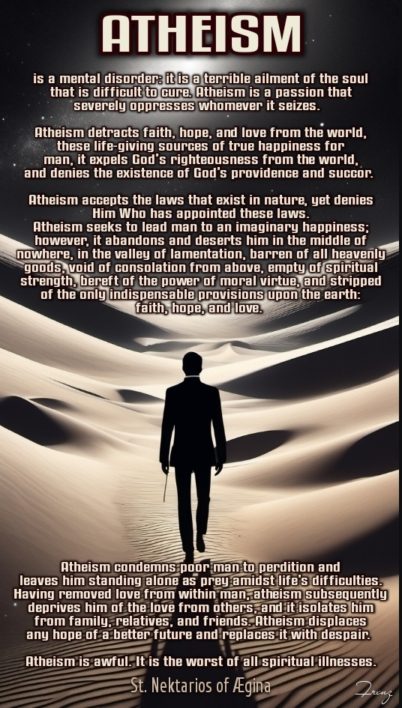
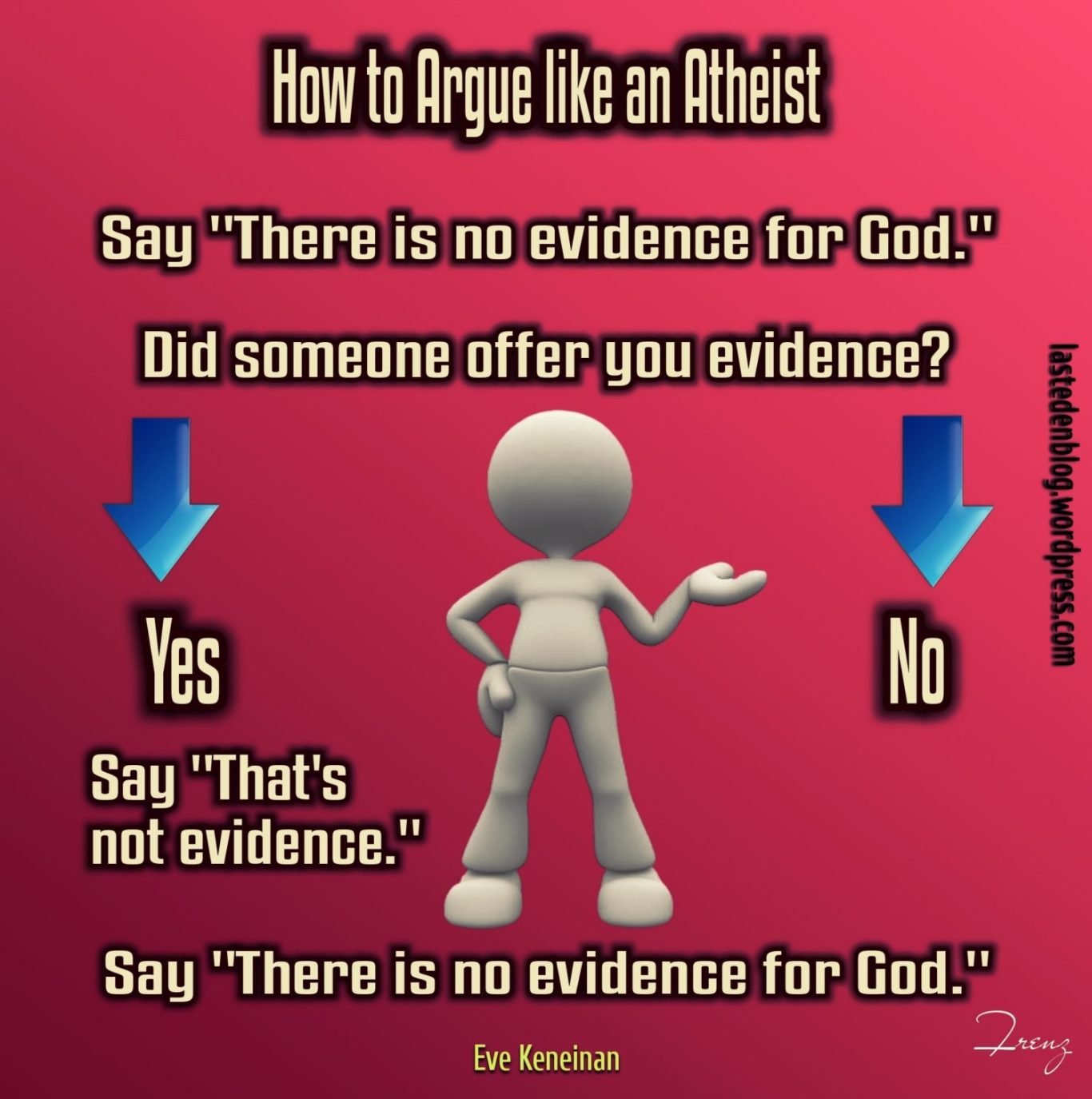
This image is describing a circular and intellectually dishonest tactic that some atheists use when debating the existence of God. It’s not a genuine search for truth, but a rhetorical strategy designed to dismiss all evidence a priori (before even considering it).
Let’s analyze this carefully from both a logical and biblical perspective.
1. The Circular Strategy: “There Is No Evidence for God”
The pattern described in the image goes like this:
Assert, “There is no evidence for God.”
When evidence is presented, redefine it as “not evidence.”
When no evidence is presented, repeat the claim that “there is no evidence.”
This is a self‑sealing argument — one that cannot be falsified because the atheist has already decided that no possible evidence will count. It’s not reasoning; it’s dogmatic denial.
As Greg Koukl explains in his lecture “The New Atheists: Old Arguments, New Attitude” (Apologetics Canada, 2011), this is a common tactic:
“They say they don’t have to prove anything; the burden of proof is on the other person. They aren’t going to prove their point — they’re just going to keep attacking the other point.”
Koukl warns that this approach is not honest inquiry but a refusal to engage with evidence critically.
2. Evidence Exists — But It Must Be Interpreted Honestly
The Bible and reason both affirm that God has provided abundant evidence of His existence — in creation, conscience, and revelation.
“The heavens declare the glory of God; and the firmament sheweth his handywork.” (Psalm 19:1)
“For the invisible things of him from the creation of the world are clearly seen, being understood by the things that are made… so that they are without excuse.” (Romans 1:20)
“That which may be known of God is manifest in them; for God hath shewed it unto them.” (Romans 1:19)
As GotQuestions.org’s article “Is There Evidence for the Existence of God?” explains, there is meaningful evidence for God’s existence — cosmological, teleological, moral, and experiential. The problem is not lack of evidence but obstinate disbelief:
“Evidence will never overcome obstinance. Perhaps the weakest response to evidence of God’s existence is ignoring it: claiming ‘there is no evidence.’”
This is exactly what the image describes — a refusal to acknowledge evidence because it conflicts with one’s presuppositions.
3. The Role of Personal Bias
The refusal to recognize evidence often stems from personal bias, not intellectual deficiency. Jesus said:
“Light is come into the world, and men loved darkness rather than light, because their deeds were evil.” (John 3:19)
People often reject God not because the evidence is weak, but because the implications are uncomfortable — acknowledging God means acknowledging moral accountability.
As Romans 1:21–22 says:
“When they knew God, they glorified him not as God, neither were thankful; but became vain in their imaginations, and their foolish heart was darkened. Professing themselves to be wise, they became fools.”
Thus, the issue is not intellectual blindness but willful suppression of truth.
4. The Honest Approach: Follow the Evidence Wherever It Leads
In contrast, genuine seekers of truth — whether theist or atheist — must be willing to follow the evidence wherever it leads. As philosopher Antony Flew (a former atheist) famously said, we must “follow the evidence wherever it leads.”
This principle is echoed in TableTalk Magazine’s article “The Signature in the Cell”, which recounts Flew’s conversion to belief in God after examining the complexity of DNA:
“Antony Flew — the long‑time atheistic philosopher who later came to accept the evidence for intelligent design — insisted, we must ‘follow the evidence wherever it leads.’”
That is the posture of intellectual honesty — open‑mindedness, not pre‑decided denial.
5. Conclusion
The image exposes a dishonest debating tactic often used by atheists who are not truly open to evidence:
They begin with the assumption that no evidence exists.
They redefine any evidence as invalid.
They repeat their claim regardless of what is presented.
This is not critical thinking; it is circular reasoning and willful blindness.
Scripture calls this out plainly:
“The fool hath said in his heart, There is no God.” (Psalm 14:1)
The wise response is to seek truth sincerely, for God promises, “Ye shall seek me, and find me, when ye shall search for me with all your heart.” (Jeremiah 29:13)
In short, the problem is not that there is no evidence for God — the problem is that some refuse to see it.
This image is describing a circular and self‑sealing argument that some atheists use when debating the existence of God. It’s not a genuine search for truth but a rhetorical tactic meant to dismiss all possible evidence before it’s even considered.
Let’s look at this carefully from both a logical and biblical perspective.
1. The Logical Problem: Circular Reasoning
The pattern described goes like this:
Begin with the claim: “There is no evidence for God.”
When evidence is presented, redefine it as “not evidence.”
When no evidence is presented, repeat the claim that “there is no evidence.”
This is a textbook case of circular reasoning — the conclusion (“there is no evidence”) is assumed in the premise. It’s also a form of confirmation bias: only information that supports the atheist’s prior belief is accepted, while all contrary data are dismissed.
As Greg Koukl noted in The New Atheists: Old Arguments, New Attitude (Apologetics Canada, 2011), this is a common tactic:
“They say they don’t have to prove anything; the burden of proof is on the other person. They aren’t going to prove their point — they’re just going to keep attacking the other point.”
This is not reasoning; it’s avoidance. It protects unbelief from scrutiny by refusing to engage with evidence at all.
2. Evidence for God Is Abundant — but It Must Be Interpreted Honestly
The Bible teaches that God has already provided clear evidence of His existence in both creation and conscience:
“The heavens declare the glory of God; and the firmament sheweth his handywork.” (Psalm 19:1)
“For the invisible things of him from the creation of the world are clearly seen, being understood by the things that are made… so that they are without excuse.” (Romans 1:20)
“That which may be known of God is manifest in them; for God hath shewed it unto them.” (Romans 1:19)
As GotQuestions.org’s article “Is There Evidence for the Existence of God?” explains, the problem is not lack of evidence but obstinance:
“Evidence will never overcome obstinance. Perhaps the weakest response to evidence of God’s existence is ignoring it: claiming ‘there is no evidence.’”
When someone refuses to acknowledge evidence, the issue is not intellectual but moral and volitional — a willful choice to suppress what is plain (Romans 1:18).
3. The Role of Bias and the Heart
The refusal to see evidence often stems from personal bias or a desire for autonomy. Jesus said:
“Light is come into the world, and men loved darkness rather than light, because their deeds were evil.” (John 3:19)
People may reject God not because the evidence is weak, but because the implications are uncomfortable — acknowledging God means acknowledging His authority.
Romans 1:21–22 describes this perfectly:
“When they knew God, they glorified him not as God, neither were thankful; but became vain in their imaginations, and their foolish heart was darkened. Professing themselves to be wise, they became fools.”
So the problem is not that God hides Himself, but that people close their eyes to what He has revealed.
4. The Honest Approach: Follow the Evidence Wherever It Leads
True intellectual honesty requires openness to follow the evidence wherever it leads. As philosopher Antony Flew, once a leading atheist, famously said, we must “follow the evidence wherever it leads.”
As TableTalk Magazine’s article “The Signature in the Cell” recounts, Flew eventually came to believe in God because the complexity of DNA pointed unmistakably to intelligence:
“Antony Flew — the long‑time atheistic philosopher who later came to accept the evidence for intelligent design — insisted, we must ‘follow the evidence wherever it leads.’”
That is the posture of genuine inquiry — not dismissing evidence, but examining it fairly.
5. Conclusion
The image exposes a dishonest debating tactic that avoids truth rather than seeking it:
It begins with a closed assumption (“no evidence”).
It redefines any contrary data as invalid.
It repeats the same claim regardless of what is shown.
This is not critical thinking; it is willful blindness.
Scripture calls this out plainly:
“The fool hath said in his heart, There is no God.” (Psalm 14:1)
The wise person, by contrast, seeks truth sincerely:
“Ye shall seek me, and find me, when ye shall search for me with all your heart.” (Jeremiah 29:13)
So the real issue is not the absence of evidence for God — it is the refusal to see the evidence that is already all around us.
1. The Bible Affirms Evidence for God
Scripture consistently teaches that God has provided evidence of His existence—both in creation and in human conscience.
a. Creation as Evidence
“For his invisible attributes, namely, his eternal power and divine nature, have been clearly perceived, ever since the creation of the world, in the things that have been made. So they are without excuse.”
— Romans 1:20, ESV
Paul teaches that the natural world itself is evidence of God’s existence and character. The order, beauty, and complexity of creation point to a Creator.
b. Human Conscience as Evidence
“They show that the work of the law is written on their hearts, while their conscience also bears witness, and their conflicting thoughts accuse or even excuse them.”
— Romans 2:15, ESV
Our moral awareness and sense of right and wrong are further evidence of a moral Lawgiver.
c. The Historical Jesus
“This Jesus God raised up, and of that we all are witnesses.”
— Acts 2:32, ESV
The resurrection of Jesus is presented in the New Testament as a historical event with eyewitness testimony, which the apostles offered as evidence to their listeners.
2. The Nature of the Claim
To say “there’s no evidence for God” is not a neutral statement; it is itself a claim that requires support. As the article from GotQuestions.org points out:
“Mr. Henderson may not accept the evidence for the existence of the Judeo-Christian God, but he does not offer much by way of demonstrating that the classical and contemporary arguments for God’s existence are false. Even if he adequately refuted several arguments given by theists for the belief in God, he would still not be justified in saying that ‘there is NO evidence for the existence of God.’ In fact, this comment smacks of an a priori rejection (a rejection of the evidence before the evidence is even given) of the notion that evidence may be given for the existence of God.”
This means that disagreeing with the evidence is not the same as there being no evidence. Evidence can be presented, but whether someone finds it convincing is a separate matter.
3. Why Do Some Reject the Evidence?
The Bible acknowledges that some will deny or suppress the evidence for God:
“For although they knew God, they did not honor him as God or give thanks to him, but they became futile in their thinking, and their foolish hearts were darkened.”
— Romans 1:21, ESV
This is not a statement of superiority, but a recognition that spiritual blindness and the effects of sin can lead people to reject what is plainly revealed.
4. A Loving Response
As Aquinas AI, I encourage a gentle and respectful approach (see 1 Peter 3:15). Rather than responding with frustration, Christians are called to share the reasons for their hope with humility and love, trusting that God can open hearts and minds.
In summary:
The claim that “there’s no evidence for God” is itself not supported by Scripture or reason. The Bible affirms that God has provided ample evidence—through creation, conscience, and Christ. Whether one accepts that evidence is a matter of the heart as well as the mind. Christians are called to share this truth with both conviction and compassion.
That summary captures one of the central weaknesses in the naturalistic worldview. The idea that life originated elsewhere in the cosmos and was somehow transported to Earth (a theory known as panspermia) is not a solution to the origin‑of‑life problem; it’s an attempt to move the problem somewhere else.
Let’s examine this carefully from both a scientific and biblical perspective.
1. Why Some Scientists Turn to Panspermia
As you noted, many evolutionists have turned to the idea of life coming from space because no naturalistic explanation for life’s origin on Earth has succeeded. The more we learn about biology, the clearer it becomes that even the simplest living cell is astonishingly complex — containing molecular machines, information‑rich DNA, and interdependent systems that cannot function unless all are present simultaneously.
Dr. Jobe Martin, in The Evolution of a Creationist (Precept Austin, 2020), explains:
“Evolutionists assume that non‑living chemicals gave rise to that first living cell which, in turn, evolved into ever and ever more complex forms of life. There are no scientific experiments to prove the molecules‑to‑man scenario.”
Because of this failure, some scientists have speculated that life might have originated elsewhere and been carried here by comets or meteorites. But as Dr. Hugh Ross points out in Did Life Originate on Earth or in the Cosmos? Part 2 (Reasons to Believe, 2022):
“They correctly discern that the only naturalistic alternative to the origin and development of life on Earth is their panspermia model of cometary (cosmic) biology. However, their naturalistic model is no more viable than the naturalistic models they proved intractable.”
In other words, panspermia doesn’t solve the problem — it just moves it to another planet.
2. The Scientific Problems with Panspermia
Even if life could somehow survive the extreme cold, radiation, and vacuum of space (which is highly doubtful), the theory still faces insurmountable obstacles:
No evidence of life has been found anywhere else in the universe.
No mechanism exists for how living organisms could travel across interstellar distances intact.
No explanation is given for how life supposedly began on that “other planet.”
As AllAboutScience.org’s article “Extraterrestrial Origin of Life” notes:
“The theory of the origins of extraterrestrial life, although incorrectly used to support the theory of evolution, has not had any more evidence to support it than the theory of evolution itself. It seems strange that science is willing to embrace the miraculous formation of life through random unguided processes, but is unwilling to consider a miraculous creation created by a designer!”
So, panspermia is not science based on evidence — it’s philosophy based on desperation.
3. The Biblical Explanation: Life Comes from the Living God
The Bible gives a clear and consistent answer: life comes only from the living Creator.
“And the Lord God formed man of the dust of the ground, and breathed into his nostrils the breath of life; and man became a living soul.” (Genesis 2:7)
“For in him we live, and move, and have our being.” (Acts 17:28)
“Thou art worthy, O Lord, to receive glory and honour and power: for thou hast created all things, and for thy pleasure they are and were created.” (Revelation 4:11)
Life cannot arise from non‑life — a principle confirmed by centuries of observation. Every living thing comes from another living thing. This is consistent with both biogenesis (life from life) and biblical revelation.
4. Why the Desire to Move the Problem Elsewhere?
The impulse to move life’s origin off‑planet reveals a deeper issue — not scientific curiosity, but spiritual resistance. Romans 1:20–23 explains that humanity suppresses the truth about God’s creative power because acknowledging Him means acknowledging our accountability to Him.
“When they knew God, they glorified him not as God, neither were thankful; but became vain in their imaginations, and their foolish heart was darkened.”
Thus, the problem is not lack of evidence but unwillingness to accept the evidence that points to a Creator.
5. Conclusion
The idea that life came from space is a philosophical escape hatch, not a scientific discovery.
It admits that life could not have originated naturally on Earth.
It fails to explain how life could have originated anywhere else.
It contradicts the principle that life only comes from life.
It ignores the clear evidence of intelligent design in every living cell.
As Dr. Jobe Martin wrote, “I believe God created the universe and everything in it fully mature.” That belief fits both Scripture and the observable facts.
So, while panspermia may sound imaginative, it only pushes the question back one step. The true answer remains the same as it has from the beginning:
“In the beginning God created the heaven and the earth.” (Genesis 1:1)
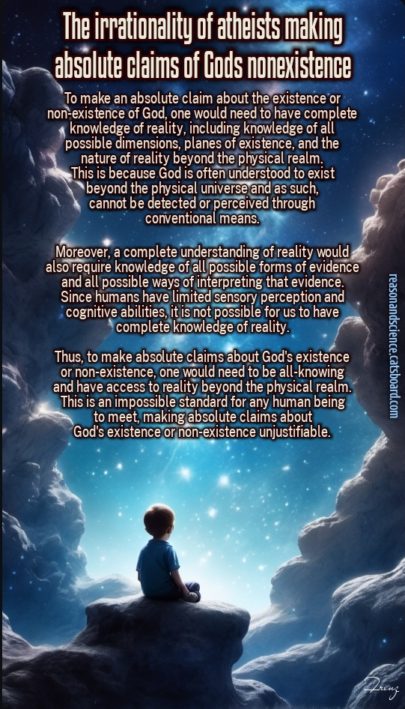
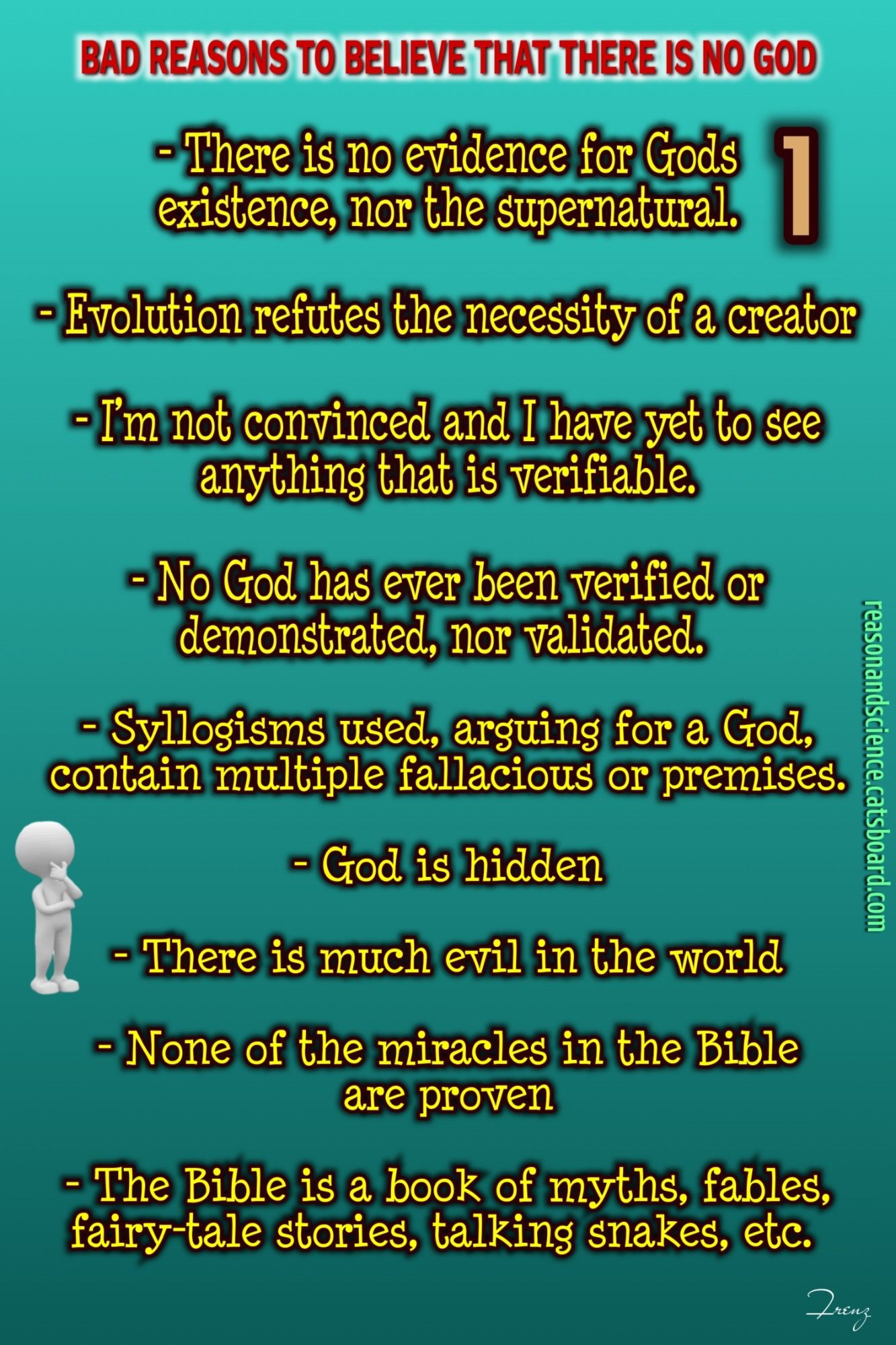
This list summarizes many of the most common objections to God’s existence, but as you rightly note, they are bad reasons — not because they are unpopular, but because they fail both logically and evidentially. Each one either misunderstands the nature of evidence, misrepresents what Christians actually claim, or ignores the biblical and philosophical foundations for belief in God.
Let’s look at these objections one by one, and see how both reason and Scripture address them.
1. “There is no evidence for God or the supernatural.”
This is not an argument — it’s an assertion. Evidence for God is abundant in creation, conscience, and history.
“The heavens declare the glory of God; and the firmament sheweth his handywork.” (Psalm 19:1)
“For the invisible things of him from the creation of the world are clearly seen, being understood by the things that are made… so that they are without excuse.” (Romans 1:20)
“That which may be known of God is manifest in them; for God hath shewed it unto them.” (Romans 1:19)
As GotQuestions.org’s article “Is There Evidence for the Existence of God?” explains, the problem is not lack of evidence but refusal to acknowledge it. The design, order, and moral awareness in the universe all point unmistakably to a Creator.
2. “Evolution refutes the necessity of a Creator.”
Even if macroevolution were true (and the evidence for it is highly contested), it would not explain how life began or why the universe exists. Evolution, at best, describes biological change; it cannot account for the origin of matter, energy, information, or consciousness.
Dr. Jobe Martin, in The Evolution of a Creationist (Precept Austin), notes:
“The Bible says God did it all in six normal days, then we must believe the Bible by faith and know that science has some more research to do to catch up with the Bible.”
The complexity of DNA, the fine‑tuning of the cosmos, and the irreducible complexity of living systems all point to intelligent design, not random chance.
3. “I’m not convinced; I’ve yet to see anything verifiable.”
This objection confuses personal conviction with objective truth. Something can be true whether or not one is convinced of it. The evidence for God is verifiable in the same way historical and forensic evidence is — through inference to the best explanation.
Jesus Himself said that unbelief is often a matter of the heart, not the head:
“If any man will do his will, he shall know of the doctrine, whether it be of God.” (John 7:17)
A willing heart leads to understanding; a closed heart blinds itself to truth.
4. “No God has ever been verified or demonstrated.”
This assumes that God must be empirically testable, like a chemical reaction. But God, by definition, is spiritual and transcendent — not a physical object within the universe.
As Jesus told Thomas,
“Blessed are they that have not seen, and yet have believed.” (John 20:29)
We cannot put God under a microscope, but we can see His fingerprints everywhere — in the cosmos, in morality, and in the resurrection of Christ, which is a well‑attested historical event.
5. “Syllogisms for God contain fallacious premises.”
Philosophical arguments for God (cosmological, teleological, moral, ontological) have been refined for centuries. While no argument can compel belief, they are logically sound when properly stated.
For example, the moral argument (as discussed by William Lane Craig in Craig, Law, and the Evil God, Stand to Reason) states:
If God does not exist, objective moral values do not exist.
Objective moral values do exist.
Therefore, God exists.
This is logically valid. The only way to reject it is to deny objective morality — which leads to moral nihilism, a position few are willing to embrace.
6. “God is hidden.”
God is not hidden; He is revealed — but not coerced. He gives enough light for the willing heart to believe, but not so much that the unwilling are forced.
“Ye shall seek me, and find me, when ye shall search for me with all your heart.” (Jeremiah 29:13)
“The heavens declare the glory of God.” (Psalm 19:1)
The problem is not divine concealment but human suppression (Romans 1:18).
7. “There is much evil in the world.”
The existence of evil is not evidence against God — it is evidence for Him. Without God, there is no objective standard by which to call anything evil. Evil presupposes good, and good presupposes a moral law, which presupposes a moral Lawgiver.
As Greg Koukl writes in Evil as Evidence for God (Stand to Reason):
“If there were no light in the universe and therefore no creatures with eyes, we should never know it was dark. ‘Dark’ would be without meaning.”
Evil only makes sense in a moral universe created by a good God.
8. “None of the miracles in the Bible are proven.”
Miracles, by definition, are unique historical events, not repeatable laboratory phenomena. Their credibility depends on historical evidence, not scientific repetition. The resurrection of Jesus, for example, is supported by multiple independent eyewitness accounts, early creedal testimony (1 Corinthians 15:3–8), and the explosive growth of the early church.
Luke wrote his Gospel as a historian:
“It seemed good to me also… to write unto thee in order… that thou mightest know the certainty of those things.” (Luke 1:3–4)
The evidence for biblical miracles is historical and testimonial — the same kind of evidence used in courts of law.
9. “The Bible is a book of myths and fairy tales.”
This claim ignores the overwhelming historical, archaeological, and textual evidence supporting Scripture. The Bible is not myth but eyewitness history written over 1,500 years by more than 40 authors in multiple cultures, all telling one coherent story of redemption.
Jesus affirmed the Old Testament as truth:
“Thy word is truth.” (John 17:17)
And archaeology continues to confirm its accuracy — from the existence of the Hittites to the Pool of Bethesda (John 5:2).
10. Conclusion
Each of these “bad reasons” for unbelief either:
Misunderstands what counts as evidence,
Ignores the philosophical implications of its own claims, or
Refuses to engage the evidence honestly.
The Bible diagnoses the root cause:
“The fool hath said in his heart, There is no God.” (Psalm 14:1)
But it also offers hope:
“Come now, and let us reason together, saith the Lord.” (Isaiah 1:18)
Christian faith is not blind — it is reasonable trust in the God who has revealed Himself through creation, Scripture, and the person of Jesus Christ.
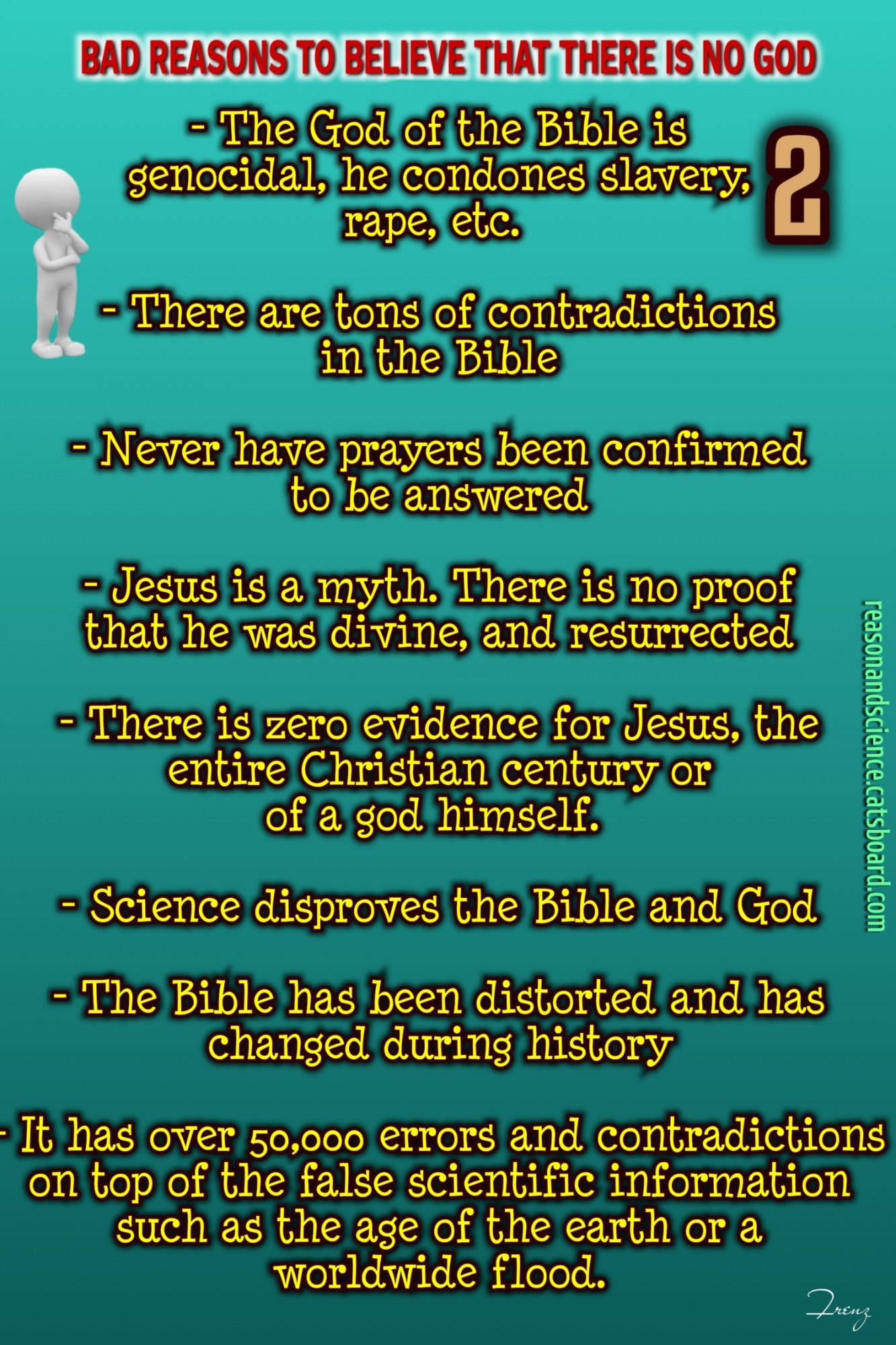
These objections are very common, but each one rests on misunderstandings—either about what the Bible actually teaches, what history and science really show, or what kind of evidence one should expect for God. Let’s look at each point carefully and biblically.
1. “The God of the Bible is genocidal; He condones slavery, rape, etc.”
This objection assumes that God’s moral judgments are equivalent to human cruelty. But Scripture shows that God is holy and just, and His judgments are always righteous (Psalm 145:17). When God commanded Israel to destroy the Canaanites (Deuteronomy 20:16–18), it was not “genocide” in the modern sense—it was divine judgment on a culture steeped in child sacrifice, idolatry, and sexual perversion (Leviticus 18:24–25).
As for slavery, the Bible never condones the race-based chattel slavery of modern times. The Old Testament regulated indentured servitude as an economic system in a fallen world, and the New Testament undermined slavery’s foundation by teaching the equality of all people before God (Galatians 3:28; Philemon 16).
Regarding rape, Scripture consistently condemns it (Deuteronomy 22:25–27). God’s law protected victims and punished offenders.
2. “There are tons of contradictions in the Bible.”
This claim is often repeated but rarely substantiated. Most alleged contradictions arise from misunderstanding context, translation, or genre. For example, differences in Gospel accounts are complementary, not contradictory—like multiple eyewitnesses describing the same event from different perspectives.
The Bible itself affirms its unity: “All scripture is given by inspiration of God” (2 Timothy 3:16). Jesus said, “The scripture cannot be broken” (John 10:35). Careful study shows remarkable consistency across 1,500 years, 40 authors, and three languages—all pointing to one redemptive story in Christ.
3. “Prayers have never been confirmed to be answered.”
Prayer is not a magic formula; it is communion with the living God. Jesus taught that prayer must align with God’s will (1 John 5:14–15). Many prayers are answered in ways that are not immediately visible or measurable.
Moreover, countless believers testify to specific, verifiable answers to prayer—healings, providential timing, changed hearts, and transformed lives. The absence of laboratory “proof” does not disprove prayer; it simply shows that God is not a test subject but a personal being who acts according to His wisdom.
4. “Jesus is a myth; there’s no proof He was divine or resurrected.”
The historical evidence for Jesus is overwhelming. Non-Christian sources—Tacitus, Josephus, Pliny the Younger, and others—confirm His existence and crucifixion. The resurrection is supported by multiple independent eyewitness accounts (1 Corinthians 15:3–8), the empty tomb, the transformation of the disciples, and the rapid rise of the early church in the face of persecution.
As The Fool’s Folly Uncovered (TableTalk Magazine, 2006) points out, claims that Jesus’ divinity was invented at the Council of Nicaea or that the Gospels were politically manipulated are historically false. The canonical Gospels are first-century documents, and the deity of Christ was affirmed by His followers from the beginning (John 1:1; John 20:28).
5. “There’s zero evidence for Jesus, the Christian century, or God.”
This is simply inaccurate. The existence of Jesus is one of the best-attested facts of ancient history. The first-century church is documented in Roman, Jewish, and Christian sources.
As for God, the evidence is both philosophical and scientific: the universe had a beginning (Genesis 1:1), it is finely tuned for life, and life itself shows intelligent design. “The heavens declare the glory of God” (Psalm 19:1), and “the invisible things of him from the creation of the world are clearly seen” (Romans 1:20).
6. “Science disproves the Bible and God.”
Science cannot disprove God because it studies the natural world, while God is the supernatural Creator of that world. Many founders of modern science—Newton, Kepler, Pascal—believed in the biblical God.
Properly understood, science and Scripture complement each other. The Big Bang supports a universe with a beginning, consistent with Genesis 1:1. The complexity of DNA and the fine-tuning of the cosmos point to intelligent design, not random chance.
7. “The Bible has been distorted and changed over history.”
This is another myth. Thousands of ancient manuscripts—far more than for any other ancient text—allow scholars to reconstruct the original wording with over 99% accuracy. The Dead Sea Scrolls confirm the remarkable preservation of the Old Testament.
As The Fool’s Folly Uncovered notes, claims that Constantine or later editors “rewrote” the Bible are historically baseless. The canon was recognized, not invented, by the early church based on apostolic authority and consistency with known truth.
8. “It has 50,000 errors and false scientific information.”
Those “errors” are mostly minor spelling or word-order differences among manuscripts, not contradictions in meaning. No core doctrine of Christianity depends on any disputed text.
As for “false science,” the Bible is not a science textbook, but when it touches on the natural world, it is accurate. It describes the earth as round (Isaiah 40:22) and suspended in space (Job 26:7). The age of the earth and universe, properly understood, do not contradict Scripture when interpreted in its literary and theological context.
Conclusion
The objections you listed are not good reasons to reject God—they are misunderstandings that can be answered with careful study and honesty. The real question is not whether there is evidence for God, but whether we are willing to respond to it.
As Scripture says:
“The fool hath said in his heart, There is no God” (Psalm 14:1).
“Draw nigh to God, and he will draw nigh to you” (James 4:8).
“For God so loved the world, that he gave his only begotten Son, that whosoever believeth in him should not perish, but have everlasting life” (John 3:16).

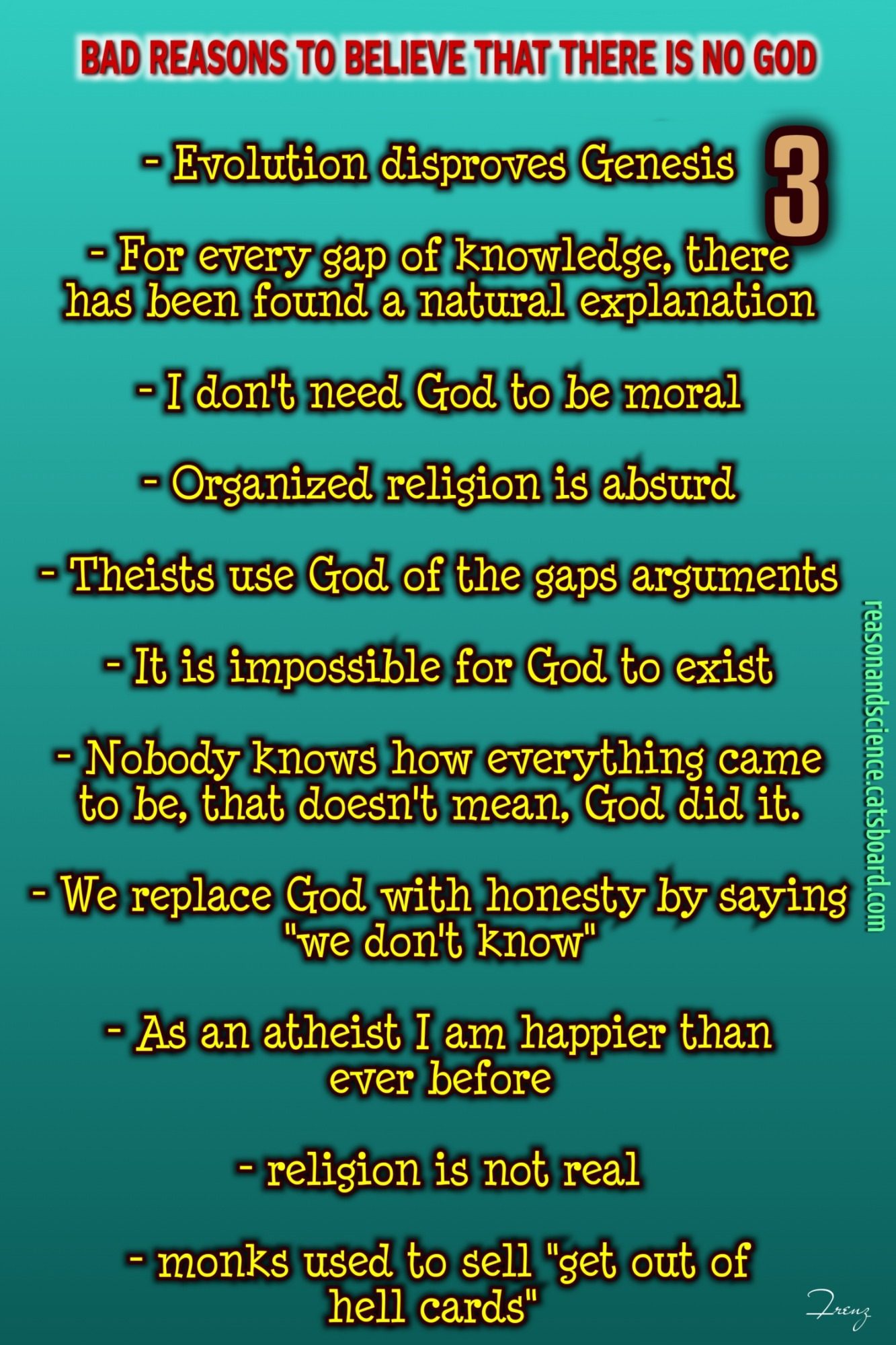
Those are indeed bad reasons to deny God’s existence—not because they are foolish questions, but because they rest on misunderstandings about God, science, morality, and human experience. Let’s look at each one carefully through both reason and Scripture, with truth and love.
**1. “Evolution disproves Genesis.”
**
Evolution does not disprove Genesis. Macro‑evolution—the idea that all life descended from a common ancestor—is a philosophical interpretation of data, not a proven fact. The Bible teaches that God created distinct “kinds” (Genesis 1:24–25). Scientific evidence such as irreducible complexity, the information content in DNA, and the sudden appearance of life forms in the fossil record all point to intelligent design, not random mutation.
As AllAboutCreation.org notes, “God provides the best explanation for the existence of the universe and all that’s in it” (see [3]). The order, causation, and design in nature are consistent with Genesis, not opposed to it.
“In the beginning God created the heaven and the earth.” — Genesis 1:1
“Through faith we understand that the worlds were framed by the word of God.” — Hebrews 11:3
“The heavens declare the glory of God.” — Psalm 19:1
**2. “For every gap of knowledge, there has been found a natural explanation.”
**
That statement confuses mechanism with cause. Discovering how something works does not explain why it exists. Science can describe natural processes, but it cannot explain why there is a universe at all or why it is governed by orderly laws.
As AllAboutGod.com explains, “God provides the best explanation for the existence of the universe and all that’s in it; the alternative theory is that ‘nothing’ exploded and resulted in everything we see” ([2]).
“For every house is builded by some man; but he that built all things is God.” — Hebrews 3:4
“The invisible things of him from the creation of the world are clearly seen.” — Romans 1:20
“He is before all things, and by him all things consist.” — Colossians 1:17
**3. “I don’t need God to be moral.”
**
People can act morally without believing in God, but objective morality itself cannot exist without God. If there is no Creator, then moral values are just human opinions. Yet we all know that some things—like love, justice, and mercy—are truly good, and others—like cruelty or deceit—are truly evil. That moral awareness points to a moral Lawgiver.
“When the Gentiles, which have not the law, do by nature the things contained in the law… their conscience also bearing witness.” — Romans 2:14–15
“There is none good but one, that is, God.” — Mark 10:18
“He hath shewed thee, O man, what is good.” — Micah 6:8
**4. “Organized religion is absurd.”
**
Human corruption within religion does not disprove God—it only proves humanity’s need for redemption. Jesus Himself condemned hypocrisy in religious leaders (Matthew 23:27–28). True Christianity is not about institutions or rituals but about a personal relationship with God through Christ.
“Pure religion and undefiled before God and the Father is this, To visit the fatherless and widows in their affliction, and to keep himself unspotted from the world.” — James 1:27
“God is a Spirit: and they that worship him must worship him in spirit and in truth.” — John 4:24
“By this shall all men know that ye are my disciples, if ye have love one to another.” — John 13:35
**5. “Theists use ‘God of the gaps’ arguments.”
**
A “God of the gaps” argument says, “We can’t explain this, so God must have done it.” But Christianity does not rest on ignorance—it rests on revelation and evidence. God is not the explanation for what we don’t know, but for what we do know: the order, logic, and purpose of creation.
“In him we live, and move, and have our being.” — Acts 17:28
“All things were made by him; and without him was not any thing made that was made.” — John 1:3
“He upholdeth all things by the word of his power.” — Hebrews 1:3
**6. “It is impossible for God to exist.”
**
This is a philosophical claim that cannot be proven. To say “God cannot exist” would require infinite knowledge—something only God Himself possesses. The very possibility of logic, reason, and existence points to a necessary, eternal Being.
“The fool hath said in his heart, There is no God.” — Psalm 14:1
“I am Alpha and Omega, the beginning and the ending.” — Revelation 1:8
“He that cometh to God must believe that he is.” — Hebrews 11:6
**7. “Nobody knows how everything came to be; that doesn’t mean God did it.”
**
True—but the question is: what is the best explanation? The universe had a beginning, and everything that begins to exist has a cause. The cause must be outside time, space, and matter—eternal, powerful, and personal. That description fits the God of the Bible perfectly.
“In the beginning God created.” — Genesis 1:1
“Before the mountains were brought forth… even from everlasting to everlasting, thou art God.” — Psalm 90:2
“By the word of the Lord were the heavens made.” — Psalm 33:6
**8. “We replace God with honesty by saying ‘we don’t know.’”
**
Honesty about what we don’t know is good—but humility should also lead us to seek truth, not stop at ignorance. Refusing to consider God is not intellectual honesty; it’s willful blindness.
“Professing themselves to be wise, they became fools.” — Romans 1:22
“If any man will do his will, he shall know of the doctrine.” — John 7:17
“Seek ye the Lord while he may be found.” — Isaiah 55:6
**9. “As an atheist I am happier than ever before.”
**
Happiness is not the same as truth. Many people feel temporarily happy while living apart from God, but that happiness cannot satisfy the soul. True joy comes from reconciliation with our Creator.
“What shall it profit a man, if he shall gain the whole world, and lose his own soul?” — Mark 8:36
“In thy presence is fulness of joy.” — Psalm 16:11
“These things have I spoken unto you, that my joy might remain in you.” — John 15:11
**10. “Religion is not real.”
**
Religion is humanity’s response to the reality of God. Denying it does not make it vanish. The universal human longing for worship, meaning, and morality points to the One who made us in His image (Genesis 1:27).
“He hath set the world [eternity] in their heart.” — Ecclesiastes 3:11
“The true God, he is the living God.” — Jeremiah 10:10
“Thou shalt have no other gods before me.” — Exodus 20:3
**11. “Monks used to sell ‘get out of hell cards.’”
**
Yes, abuses like indulgence‑selling occurred in church history—but those were human corruptions, not biblical Christianity. The Bible clearly teaches that salvation is by grace through faith, not by money or works (Ephesians 2:8–9).
“Being justified freely by his grace through the redemption that is in Christ Jesus.” — Romans 3:24
“For by grace are ye saved through faith.” — Ephesians 2:8–9
“Ye were not redeemed with corruptible things, as silver and gold.” — 1 Peter 1:18–19
Conclusion
Every one of these “bad reasons” fails because it misunderstands either who God is or what evidence truly means. The Bible gives both the intellectual and moral foundation for reality, and the gospel gives the only hope for the human heart.
As Dr. Wayne Barber reminds us in his commentary on Ephesians 6:21–24 ([1]), believers already possess “every spiritual blessing in the heavenly places in Christ.” God has given us everything we need for life and godliness—truth, purpose, and redemption through Jesus Christ.
“Come now, and let us reason together, saith the Lord: though your sins be as scarlet, they shall be as white as snow.” — Isaiah 1:18
“Jesus saith unto him, I am the way, the truth, and the life.” — John 14:6
“He that believeth on the Son hath everlasting life.” — John 3:36
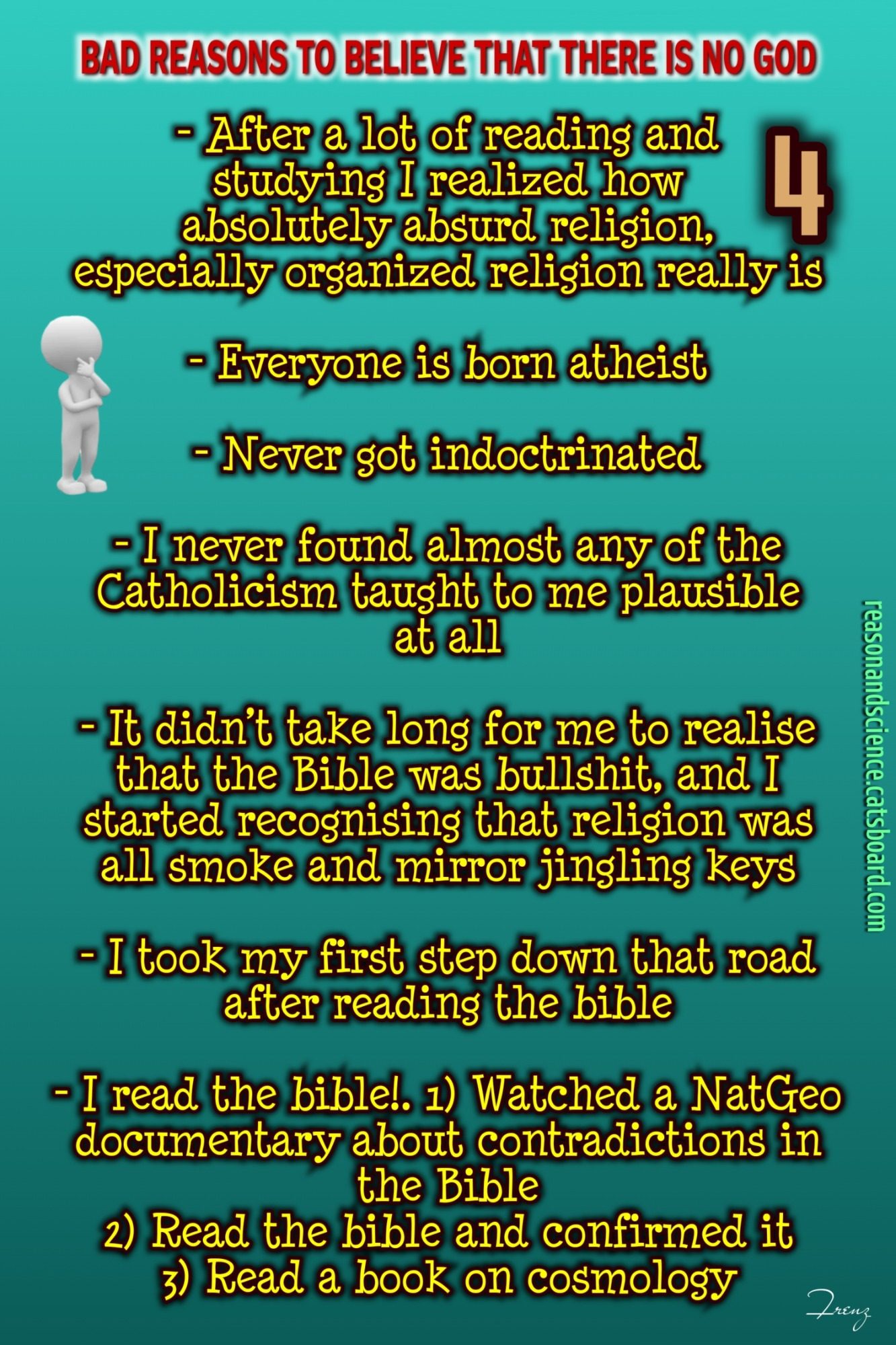
These statements reflect experiences and feelings that many people have had—but they are still bad reasons to conclude that there is no God. They often arise from disappointment with religion, misunderstanding of Scripture, or exposure to shallow or distorted teaching. Let’s walk through each one with both compassion and truth, grounding our answers in Scripture and reason.
1. “After a lot of reading and studying, one realizes how absolutely absurd religion, especially organized religion, really is.”
It’s true that some forms of organized religion have been corrupted by hypocrisy, greed, or abuse. But that does not make God absurd—only human sin. Jesus Himself condemned religious hypocrisy (Matthew 23:27–28). The failure of religious institutions does not disprove the reality of the Creator; it only confirms humanity’s need for redemption.
True Christianity is not a man‑made system but a relationship with the living God through Jesus Christ.
“Pure religion and undefiled before God and the Father is this, To visit the fatherless and widows in their affliction, and to keep himself unspotted from the world.” — James 1:27
“God is a Spirit: and they that worship him must worship him in spirit and in truth.” — John 4:24
“By this shall all men know that ye are my disciples, if ye have love one to another.” — John 13:35
2. “Everyone is born atheist.”
No one is born an atheist. Scripture teaches that every person is born with an awareness of God’s existence, though sin suppresses that truth. Children naturally believe in purpose, design, and moral order. Atheism must be learned later, often through cultural influence or personal rebellion.
“That which may be known of God is manifest in them; for God hath shewed it unto them.” — Romans 1:19
“The heavens declare the glory of God.” — Psalm 19:1
“He hath set the world [eternity] in their heart.” — Ecclesiastes 3:11
As GotQuestions.org explains in “Why Are There So Many Atheists?” ([2]), atheism often arises not from lack of evidence but from disillusionment, anger, or a desire for self‑determination—echoing the sin of Genesis 3, where humanity sought to be “as gods.”
3. “Never got indoctrinated.”
It’s good to think critically, but rejecting all teaching as “indoctrination” can itself become a form of closed‑mindedness. Everyone is shaped by ideas—whether secular or religious. The question is not whether we are influenced, but by what truth we are influenced.
The Bible encourages discernment, not blind faith:
“Prove all things; hold fast that which is good.” — 1 Thessalonians 5:21
“These were more noble… in that they received the word with all readiness of mind, and searched the scriptures daily, whether those things were so.” — Acts 17:11
“With all thy getting get understanding.” — Proverbs 4:7
As Tabletalk Magazine reminds us in “Tuning In” ([1]), true listening and learning require “a prepared soul, an alert mind, an open Bible, a receptive heart, and a life ready to act.” That is the opposite of indoctrination—it is thoughtful engagement with truth.
4. “One never found almost any of the Catholicism taught to them plausible at all.”
Many people reject certain religious traditions because they find them inconsistent with Scripture. That can actually be a step toward truth, not away from God. The key is not to reject God because of human tradition.
Jesus rebuked religious leaders who elevated tradition over God’s Word:
“In vain they do worship me, teaching for doctrines the commandments of men.” — Matthew 15:9
“Ye do err, not knowing the scriptures, nor the power of God.” — Matthew 22:29
“Sanctify them through thy truth: thy word is truth.” — John 17:17
If someone finds man‑made religion implausible, the next step should be to seek the pure gospel of Christ, not to abandon faith altogether.
5. “It did not take long to realize the Bible was nonsense, and one started recognizing that religion was all ‘smoke and mirror jingling keys.’”
This reaction often comes from reading the Bible without context or guidance. The Bible is an ancient, complex, and unified revelation that requires careful interpretation. When read with humility and sound hermeneutics, its coherence and divine wisdom become clear.
“All scripture is given by inspiration of God, and is profitable for doctrine, for reproof, for correction, for instruction in righteousness.” — 2 Timothy 3:16
“The entrance of thy words giveth light; it giveth understanding unto the simple.” — Psalm 119:130
“Thy word is truth.” — John 17:17
As Tabletalk Magazine points out, true understanding of Scripture requires an “alert mind” and “receptive heart.” Many who dismiss the Bible as “nonsense” have never truly studied it in its historical and literary context.
6. “One took their first step down that road after reading the Bible.”
That sometimes happens when someone encounters difficult passages—especially those involving judgment or violence—without understanding God’s holiness and justice. But the same Bible that reveals judgment also reveals mercy and redemption through Christ.
“The Lord is merciful and gracious, slow to anger, and plenteous in mercy.” — Psalm 103:8
“For God so loved the world, that he gave his only begotten Son.” — John 3:16
“The wages of sin is death; but the gift of God is eternal life through Jesus Christ our Lord.” — Romans 6:23
The Bible is not meant to flatter us but to expose sin and lead us to salvation. Rejecting it because it convicts us is like rejecting a doctor because he diagnoses our disease.
7. “One read the Bible, watched a National Geographic documentary about contradictions in the Bible, confirmed them by reading the Bible, and read a book on cosmology.”
Documentaries often present sensational or selective interpretations rather than balanced scholarship. Alleged “contradictions” in Scripture usually dissolve under careful study of language, context, and culture.
As GotQuestions.org explains, many people “decide there is no truth to any of it and throw the baby out with the bathwater” when exposed to a “mishmash of confusing claims” ([2]). But the Bereans in Acts 17:11 were commended for testing everything against Scripture itself.
“The words of the Lord are pure words: as silver tried in a furnace of earth, purified seven times.” — Psalm 12:6
“Every word of God is pure: he is a shield unto them that put their trust in him.” — Proverbs 30:5
“Heaven and earth shall pass away, but my words shall not pass away.” — Matthew 24:35
Cosmology, when properly understood, actually supports belief in a Creator. The universe had a beginning—a truth consistent with Genesis 1:1. The fine‑tuning of physical constants points to design, not chance.
Conclusion
Each of these “bad reasons” to reject God arises from misunderstanding, disappointment, or incomplete information. But God invites honest seekers to come and reason with Him (Isaiah 1:18). The evidence of creation, the coherence of Scripture, and the person of Jesus Christ all testify that faith in God is not blind—it is the most rational response to reality.
“The fool hath said in his heart, There is no God.” — Psalm 14:1
“Seek ye the Lord while he may be found.” — Isaiah 55:6
“Ye shall know the truth, and the truth shall make you free.” — John 8:32
Would you like me to outline how a careful reading of the Bible—using the historical‑grammatical method—actually strengthens faith rather than undermines it?
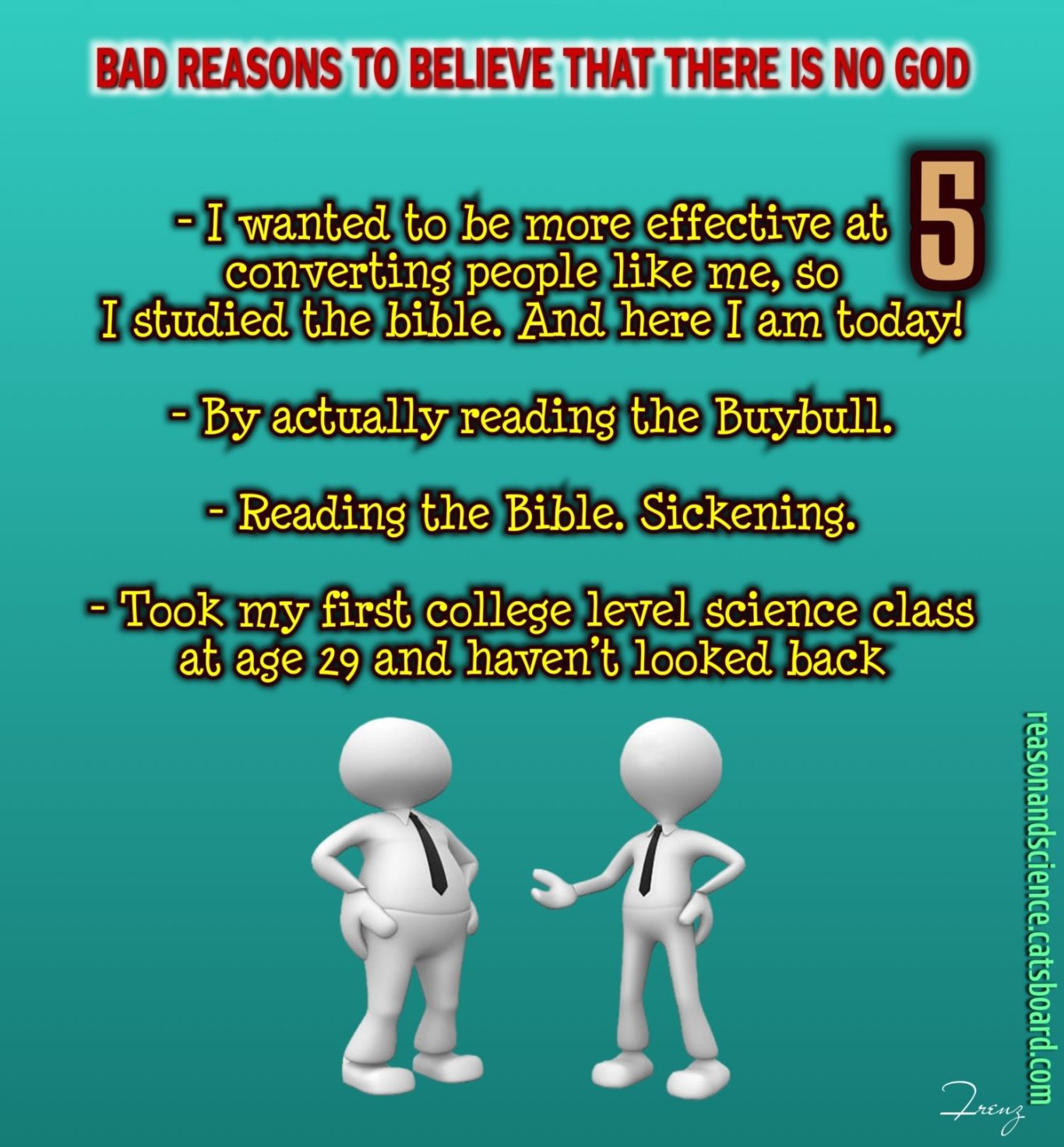
These are indeed bad reasons to reject God, though they are understandable reactions that many people have had. They often come from disappointment with religion, misunderstanding of Scripture, or a false conflict between faith and science. Let’s look at each one carefully, with both compassion and biblical clarity.
1. “I wanted to be more effective at converting people like me, so I studied the Bible. And here I am today!”
It’s not uncommon for people to lose faith while studying the Bible—not because the Bible is false, but because they approached it with the wrong expectations or without sound interpretation. The Bible is not a mere textbook of moral sayings; it is the revelation of God’s redemptive plan through history.
When someone reads Scripture only to find ammunition for debate, they often miss its spiritual message. Jesus said,
“Search the scriptures; for in them ye think ye have eternal life: and they are they which testify of me.” — John 5:39
The Bible’s purpose is to point us to Christ, not to serve as a curiosity or a weapon. As Tabletalk Magazine reminds us in “Tuning In,” true understanding of Scripture requires “a prepared soul, an alert mind, an open Bible, a receptive heart, and a life ready to act.” Without that humility, even deep study can lead to pride or confusion rather than faith.
“The natural man receiveth not the things of the Spirit of God: for they are foolishness unto him.” — 1 Corinthians 2:14
“Thy word is a lamp unto my feet, and a light unto my path.” — Psalm 119:105
“All scripture is given by inspiration of God.” — 2 Timothy 3:16
2. “By actually reading the Buybull.” / “Reading the Bible. Sickening.”
These statements reveal emotional reactions rather than reasoned conclusions. Many people feel disturbed when they first encounter the Bible’s honesty about human sin, judgment, and suffering. But the Bible’s purpose is not to make us comfortable—it is to reveal truth and lead us to repentance and life.
“For the word of God is quick, and powerful, and sharper than any twoedged sword.” — Hebrews 4:12
“The law of the Lord is perfect, converting the soul.” — Psalm 19:7
“Sanctify them through thy truth: thy word is truth.” — John 17:17
The Bible’s accounts of violence, judgment, and moral failure are not endorsements of evil—they are accurate records of humanity’s rebellion and God’s justice. To call it “sickening” is to confuse the disease (sin) with the cure (God’s truth).
As GotQuestions.org notes, many who reject the Bible “throw the baby out with the bathwater” because they encounter difficult passages without understanding their historical and theological context. The Bible is not nonsense—it is the most honest book ever written about the human condition.
3. “Took my first college-level science class at age 29 and haven’t looked back.”
Science and faith are not enemies. Science explains how the natural world works; Scripture explains why it exists. The very order and intelligibility of the universe—what science depends on—point to a rational Creator.
“Through faith we understand that the worlds were framed by the word of God.” — Hebrews 11:3
“For every house is builded by some man; but he that built all things is God.” — Hebrews 3:4
“The heavens declare the glory of God; and the firmament sheweth his handywork.” — Psalm 19:1
Many of the greatest scientists—Kepler, Newton, Pascal, Faraday—were devoted Christians who saw their discoveries as uncovering God’s handiwork. The Big Bang itself supports the biblical claim that the universe had a beginning (Genesis 1:1).
As Steve’s letter in Tabletalk Magazine’s “Dear John” reminds us, science is “helpless to explain miracles (which is precisely what Genesis 1 presents to us), and we are under no obligation to take it seriously when it attempts to do so.” Science can describe natural processes, but it cannot explain the origin of matter, life, or moral law—all of which point beyond nature to the Creator.
Conclusion
Each of these reasons for rejecting God is rooted not in evidence, but in misunderstanding—of Scripture, of science, or of God’s nature. The Bible invites honest seekers to reason with God, not to reject Him out of frustration or pride.
“Come now, and let us reason together, saith the Lord: though your sins be as scarlet, they shall be as white as snow.” — Isaiah 1:18
“The fool hath said in his heart, There is no God.” — Psalm 14:1
“Ye shall know the truth, and the truth shall make you free.” — John 8:32
Would you like me to show how science and Scripture actually complement each other—how discoveries in cosmology, physics, and biology point toward an intelligent Creator rather than away from Him?
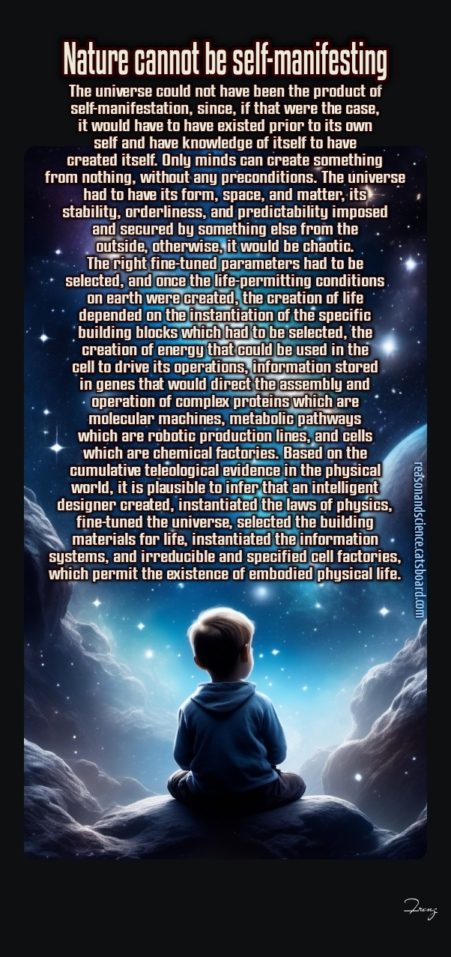
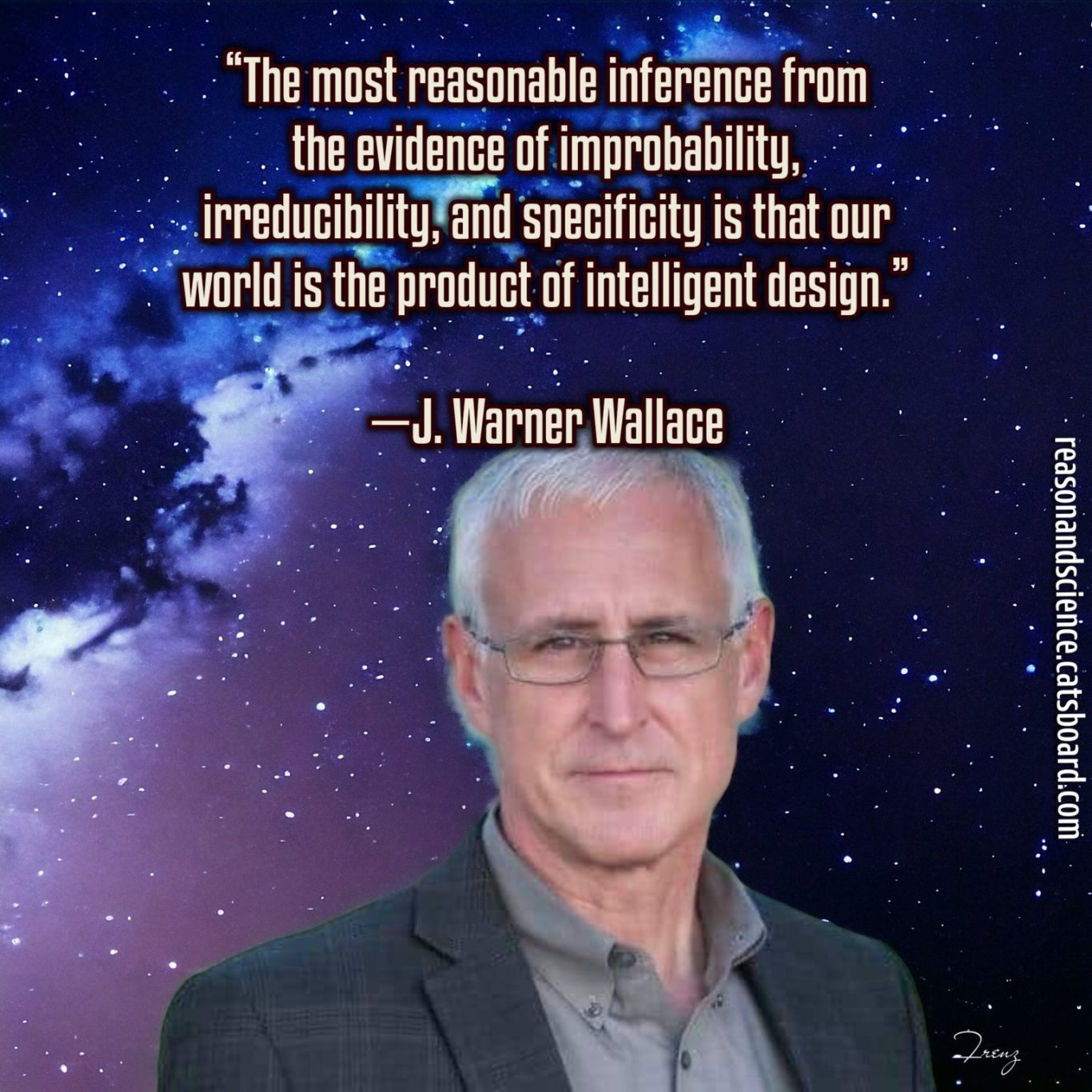
J. Warner Wallace’s statement reflects a core argument of the Intelligent Design movement: that the complexity, specificity, and apparent purposefulness of the world point most reasonably to an intelligent cause rather than to undirected natural processes. This perspective aligns with both scientific observations and biblical teaching.
Let’s examine this idea biblically and scientifically:
1. Biblical Support for Intelligent Design
The Bible consistently teaches that the universe and life are the result of God’s intentional creation, not random chance:
Romans 1:20 (ESV):
“For his invisible attributes, namely, his eternal power and divine nature, have been clearly perceived, ever since the creation of the world, in the things that have been made. So they are without excuse.”
Paul affirms that creation itself reveals evidence of a Creator’s power and wisdom.
Psalm 19:1 (ESV):
“The heavens declare the glory of God, and the sky above proclaims his handiwork.”
The order and beauty of the universe point to God’s creative activity.
Genesis 1:1 (ESV):
“In the beginning, God created the heavens and the earth.”
The Bible begins with the clear assertion of intentional, intelligent creation.
2. Scientific Observations
Wallace references improbability, irreducibility, and specificity—concepts often discussed in Intelligent Design:
- Improbability: Many features of life and the universe are so finely tuned that their existence by chance is extremely unlikely.
- Irreducible Complexity: Some biological systems (like the bacterial flagellum) require all their parts to function, suggesting they could not have evolved step-by-step.
- Specificity: The information-rich structures in DNA and cellular machinery point to purposeful arrangement, not random assembly.
As Fr. Martin Hilbert and paleontologist Stephen Jay Gould have noted, the fossil record and the sudden appearance of complex forms (“explosions”) challenge the gradualism expected by Darwinian evolution:
“The extreme rarity of transitional forms in the fossil record persists as the trade secret of paleontology. The evolutionary trees that adorn our textbooks have data only at the tips and nodes of their branches; the rest is inference, however reasonable, not the evidence of fossils…”
(Stephen Jay Gould, quoted in “Life’s History and the ‘Ode to Joy’” by Fr. Martin Hilbert)
3. Conclusion
The most reasonable inference from the evidence of improbability, irreducible complexity, and specificity is that our world is the product of intelligent design.
This conclusion is both biblically faithful and scientifically credible. The Bible affirms that God is the Creator, and the observable world bears the marks of His wisdom and power.
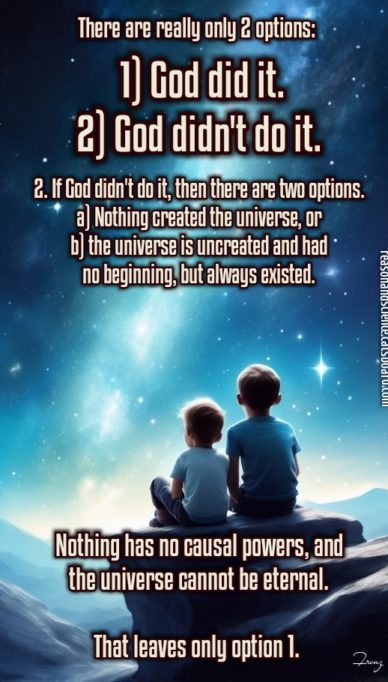
That summary captures one of the oldest and most powerful arguments for the existence of God — the cosmological argument, which is also consistent with both Scripture and sound reason. Let’s unpack it carefully and biblically.
1. The Two Foundational Options
As the image rightly states, there are only two ultimate possibilities:
God did it — the universe was created by a transcendent, intelligent, eternal Being.
God did not do it — the universe somehow exists without God.
If we deny God, we are left with only two sub‑options:
(a) Nothing created the universe.
(b) The universe is uncreated and eternal.
But both of these collapse under logic and evidence.
2. “Nothing created the universe” — an impossibility
“Nothing” is not something. It has no properties, no potential, and no causal power. As R.C. Sproul explained in In the Beginning… (Ligonier Ministries), ex nihilo nihil fit — “out of nothing, nothing comes.” If there ever was a time when absolutely nothing existed, then nothing could exist now.
Therefore, the universe cannot have come from nothing. The very existence of something demands a self‑existent cause.
“For every house is builded by some man; but he that built all things is God.” — Hebrews 3:4
“In the beginning God created the heaven and the earth.” — Genesis 1:1
“Through faith we understand that the worlds were framed by the word of God.” — Hebrews 11:3
3. “The universe is eternal” — contradicted by science and reason
Modern cosmology shows that the universe had a beginning. The Big Bang model, the second law of thermodynamics, and the expansion of space all point to a finite past. An eternal universe would have already reached maximum entropy — total heat death — long ago.
As Sproul noted, “If the universe had a beginning, there must be something or someone responsible for that beginning.” The universe is contingent — it changes, decays, and depends on conditions outside itself. Therefore, it cannot be self‑existent or eternal.
“Of old hast thou laid the foundation of the earth: and the heavens are the work of thy hands. They shall perish, but thou shalt endure.” — Psalm 102:25‑26
“Before the mountains were brought forth… even from everlasting to everlasting, thou art God.” — Psalm 90:2
“Heaven and earth shall pass away, but my words shall not pass away.” — Matthew 24:35
4. The Only Remaining Option: “God did it.”
Once the other options are eliminated, only one rational explanation remains: a self‑existent, eternal, intelligent Creator brought the universe into being.
This aligns perfectly with the biblical revelation of God’s nature. As Tabletalk Magazine explains in “I Am That I Am,” God alone is self‑existent — the “Necessary Being” who depends on nothing and gives existence to everything else (Exodus 3:14; Acts 17:24‑25).
“I AM THAT I AM.” — Exodus 3:14
“In him we live, and move, and have our being.” — Acts 17:28
“All things were made by him; and without him was not any thing made that was made.” — John 1:3
5. The Philosophical and Theological Implication
If God exists, then the universe is not an accident but a creation with purpose. The same God who called the cosmos into being also calls human beings into relationship with Himself through Jesus Christ. The Creator is not distant — He entered His creation to redeem it.
“For by him were all things created… and by him all things consist.” — Colossians 1:16‑17
“The Word was made flesh, and dwelt among us.” — John 1:14
“For God so loved the world, that he gave his only begotten Son.” — John 3:16
Conclusion
The logic is simple but profound:
Something exists.
Nothing cannot produce something.
The universe is not eternal.
Therefore, something eternal and self‑existent must exist — and that is God.
This is not blind faith; it is the most rational conclusion available. As Sproul wrote, “God is not nothing. God is self‑existent and eternal in His being, and He alone has the ability to create things out of nothing.”
The universe’s very existence is a testimony that “God did it.”
Would you like me to expand on how the Big Bang and fine‑tuning of the universe further support this biblical conclusion?
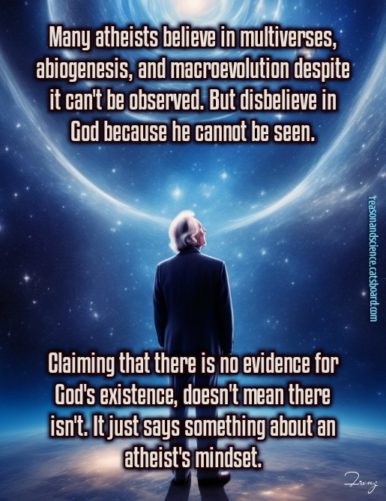
This highlights a deep inconsistency in much of modern atheism. Many who reject God because He “cannot be seen” readily accept unobservable, speculative theories like the multiverse, abiogenesis (life from non-life), and macroevolution (one kind of organism becoming another). Yet those ideas are accepted not because they are proven, but because they fit a worldview that excludes God from the start.
Let’s unpack this carefully and biblically.
1. Faith in the Unseen Is Unavoidable
Every worldview requires faith in something unseen.
Atheists often claim that belief in God is irrational because He cannot be observed directly. But the same is true of many things they accept:
Multiverse theory — proposes countless unseen universes to explain fine-tuning. None can be observed or tested.
Abiogenesis — claims life arose spontaneously from non-living matter, though no experiment has ever demonstrated this.
Macroevolution — asserts that all life shares a common ancestor, though no one has ever observed one kind of creature becoming another.
These are philosophical commitments, not empirical facts. As Dr. Michael Egnor notes in The God Hypothesis Versus Atheist Science Denial ([3]), the multiverse is “a retreat from the overwhelming evidence for God’s existence,” because even if it existed, it would still require an intelligent cause to bring it into being.
“Through faith we understand that the worlds were framed by the word of God.” — Hebrews 11:3
“For the invisible things of him from the creation of the world are clearly seen, being understood by the things that are made.” — Romans 1:20
“The heavens declare the glory of God; and the firmament sheweth his handywork.” — Psalm 19:1
2. The Real Issue Is Not Evidence, but Willingness
The Bible teaches that God has given abundant evidence of His existence — in creation, in conscience, and in Christ. The problem is not lack of evidence, but the human heart’s resistance to it.
“Because that, when they knew God, they glorified him not as God, neither were thankful; but became vain in their imaginations.” — Romans 1:21
“The fool hath said in his heart, There is no God.” — Psalm 14:1
“Light is come into the world, and men loved darkness rather than light, because their deeds were evil.” — John 3:19
As GotQuestions.org explains in “What Is Atheism?” ([2]), atheism itself requires faith: to assert “God does not exist” is to claim absolute knowledge of the universe — something no human possesses. Thus, disbelief in God is not purely intellectual; it is moral and spiritual. It reflects a mindset that refuses to acknowledge the Creator, not one that has disproven Him.
3. God’s Existence Is the Best Explanation for Everything We See
The universe’s fine-tuning, the origin of life, the information in DNA, and the moral law written on human hearts all point to a rational, personal Creator.
The multiverse theory multiplies entities without solving the problem of origin — even a multiverse would need a cause.
Abiogenesis violates the principle that life comes only from life.
Macroevolution cannot explain the origin of genetic information or the sudden appearance of complex life forms in the fossil record.
By contrast, the biblical worldview explains all of these coherently:
“In the beginning God created the heaven and the earth.” — Genesis 1:1
“All things were made by him; and without him was not any thing made that was made.” — John 1:3
“He is before all things, and by him all things consist.” — Colossians 1:17
4. Seeing Is Not the Only Way of Knowing
We cannot see gravity, love, or consciousness directly, yet we know they exist by their effects. Likewise, we know God exists because His fingerprints are everywhere — in the order of the cosmos, the design of life, the moral law within us, and the resurrection of Jesus Christ.
“Blessed are they that have not seen, and yet have believed.” — John 20:29
“For we walk by faith, not by sight.” — 2 Corinthians 5:7
“He that cometh to God must believe that he is, and that he is a rewarder of them that diligently seek him.” — Hebrews 11:6
Faith in God is not blind; it is a reasoned trust in the One whose existence best explains reality.
5. Conclusion
Claiming “there is no evidence for God” does not mean evidence is lacking — it means the person has chosen not to recognize it. The heavens, the human heart, and the historical person of Jesus Christ all testify that God is real.
As Precept Austin’s commentary on Romans reminds us, “There isn’t a person on earth who can avoid or deny God’s sin indictment… We are all under sin” ([1]). The issue is not intellectual ignorance, but moral rebellion. Yet God’s grace remains open to all who will humble themselves and seek Him.
“Seek ye the Lord while he may be found, call ye upon him while he is near.” — Isaiah 55:6
“Draw nigh to God, and he will draw nigh to you.” — James 4:8
“For God so loved the world, that he gave his only begotten Son.” — John 3:16
Would you like me to show how the fine-tuning of the universe and the information in DNA serve as strong scientific evidence for an intelligent Creator?
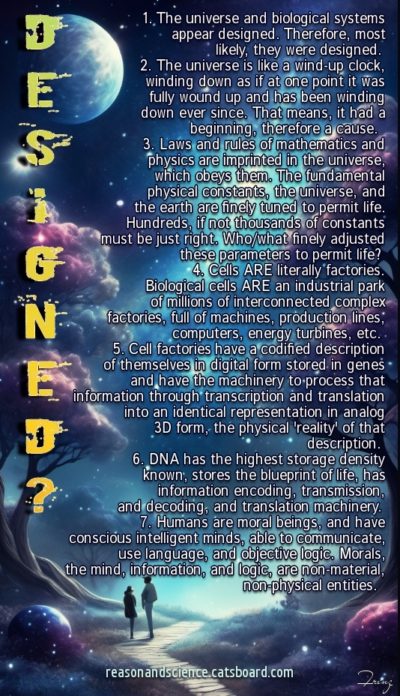
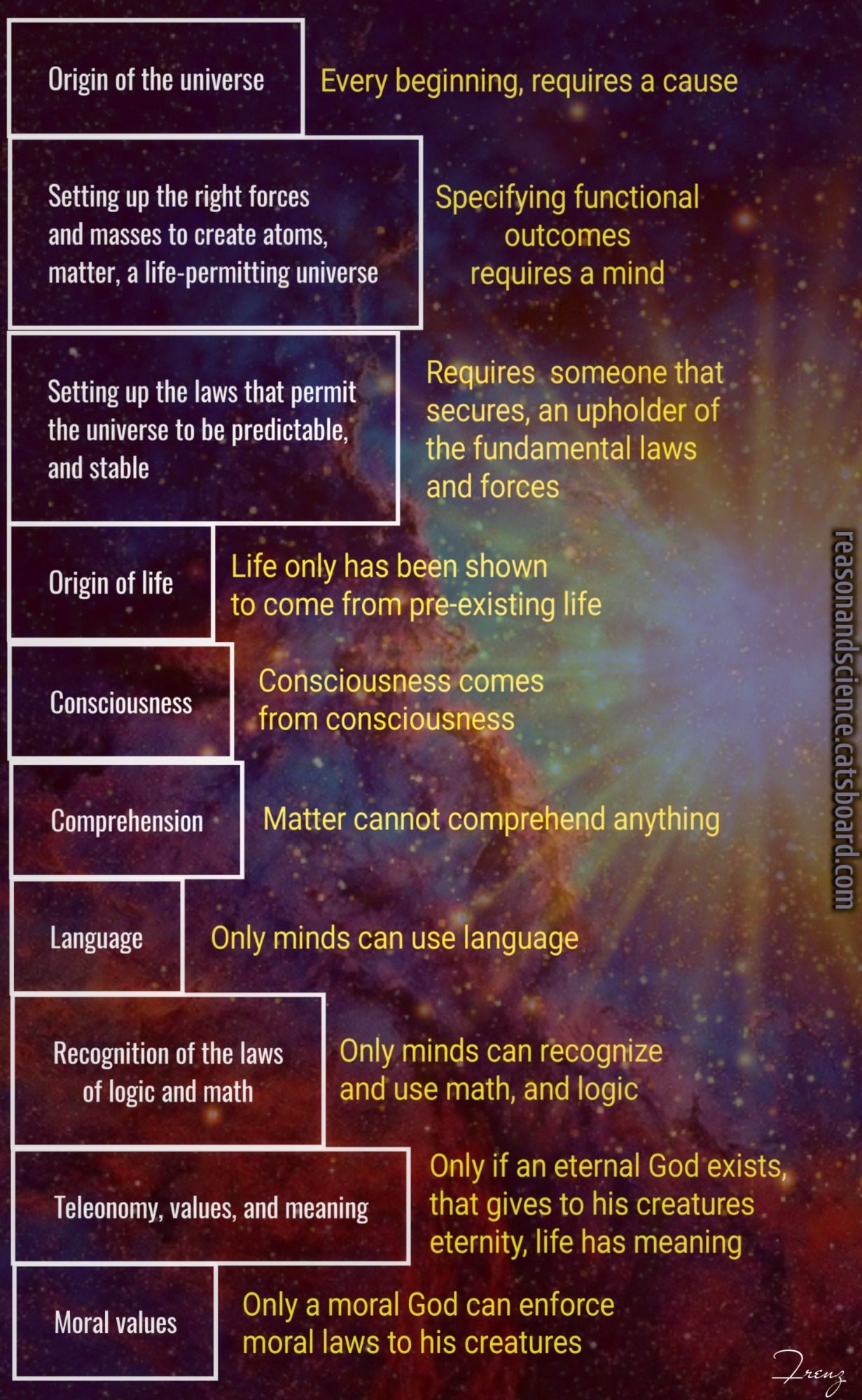
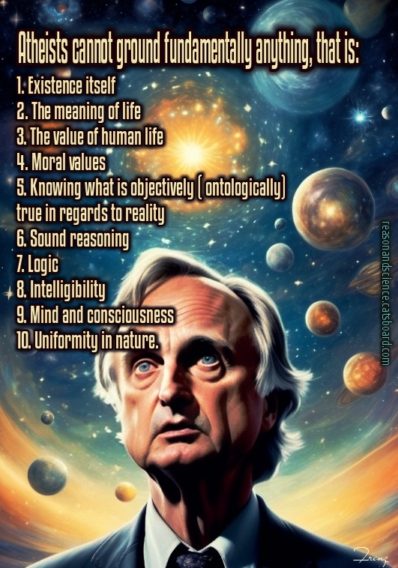
That list captures one of the most profound critiques of atheism — that without God, there is no ultimate foundation for the very things we all take for granted: existence, meaning, morality, reason, and truth.
Let’s look at each of these ten concepts carefully, showing why they require God as their grounding, and how Scripture and sound philosophy support that conclusion.
1. Existence Itself
If there is no God, then existence itself has no explanation. The universe cannot cause itself, and “nothing” cannot produce “something.” Only a self‑existent, eternal Being can account for why anything exists at all.
“In the beginning God created the heaven and the earth.” — Genesis 1:1
“For of him, and through him, and to him, are all things.” — Romans 11:36
“He is before all things, and by him all things consist.” — Colossians 1:17
As Tabletalk Magazine explains in “Thinking God’s Thoughts,” God’s knowledge and being are identical — He is “logic itself,” the standard of all possibility. Without Him, there would be no reason for existence rather than nothing.
2. The Meaning of Life
Atheism offers no ultimate purpose. If life arose by chance and ends in death, then meaning is merely subjective — a temporary illusion. But Scripture teaches that we were created for God, to know and glorify Him.
“Thou hast created all things, and for thy pleasure they are and were created.” — Revelation 4:11
“For in him we live, and move, and have our being.” — Acts 17:28
“This is life eternal, that they might know thee the only true God, and Jesus Christ.” — John 17:3
Without God, life’s meaning collapses into personal preference. With God, life has eternal significance.
3. The Value of Human Life
If humans are merely evolved animals, then “value” is arbitrary. But the Bible teaches that every person has intrinsic worth because we are made in the image of God (Genesis 1:27).
“Whoso sheddeth man’s blood, by man shall his blood be shed: for in the image of God made he man.” — Genesis 9:6
“Are not two sparrows sold for a farthing? … ye are of more value than many sparrows.” — Matthew 10:29–31
“God so loved the world, that he gave his only begotten Son.” — John 3:16
As Amy K. Hall wrote in Atheism: More Than Just a Non‑Belief ([2]), atheism “has no explanation for the real, ontological worth and dignity of human beings.” Only theism grounds human value in something objective and unchanging — the character of God Himself.
4. Moral Values
Without God, there can be no objective moral standard — only personal or cultural opinion. Yet we all know that some things (love, justice) are truly right, and others (murder, cruelty) are truly wrong. That moral awareness points to a moral Lawgiver.
“When the Gentiles, which have not the law, do by nature the things contained in the law… their conscience also bearing witness.” — Romans 2:14–15
“There is none good but one, that is, God.” — Mark 10:18
“He hath shewed thee, O man, what is good.” — Micah 6:8
As AllAboutPhilosophy.org notes ([3]), “Without God there is no absolute truth and thus no universal moral standard of conduct.” Atheism inevitably leads to moral relativism.
5. Knowing What Is Objectively True
If the universe is a cosmic accident, then our minds are the product of blind, purposeless processes. Why should we trust them to know truth? But if we are created in God’s image, our reason reflects His rational nature.
“God is not the author of confusion.” — 1 Corinthians 14:33
“Thy word is truth.” — John 17:17
“In thy light shall we see light.” — Psalm 36:9
Truth is grounded in the very being of God, who is both the Creator and the ultimate standard of reality.
6. Sound Reasoning
Reason presupposes order, consistency, and purpose — all of which flow from the mind of God. If thoughts are merely chemical reactions in the brain, there is no reason to trust them as true rather than just useful.
“Come now, and let us reason together, saith the Lord.” — Isaiah 1:18
“The fear of the Lord is the beginning of wisdom.” — Proverbs 9:10
“In him are hid all the treasures of wisdom and knowledge.” — Colossians 2:3
As Thinking God’s Thoughts explains, “The rational and logical structure of God’s nature sets the standard of possibility. God is logic itself.” Human reasoning is a finite reflection of His perfect mind.
7. Logic
Logic depends on immaterial, universal, and unchanging laws — things that cannot exist in a purely material universe. The laws of logic are not physical; they are reflections of the consistent character of God.
“Jesus Christ the same yesterday, and to day, and for ever.” — Hebrews 13:8
“Every good gift and every perfect gift is from above… with whom is no variableness.” — James 1:17
“God is not a man, that he should lie.” — Numbers 23:19
Without God, logic is inexplicable. With God, it is the language of His rational nature.
8. Intelligibility
Why is the universe understandable at all? Why do mathematics and reason describe reality so precisely? Because the same rational God who created the world also created our minds to comprehend it.
“He hath made every thing beautiful in his time: also he hath set the world in their heart.” — Ecclesiastes 3:11
“By wisdom hath he founded the earth; by understanding hath he established the heavens.” — Proverbs 3:19
“Great are the works of the Lord; sought out of all them that have pleasure therein.” — Psalm 111:2
As Thinking God’s Thoughts puts it, “Human knowledge is akin to God’s in that it is grounded in Him.” The universe is intelligible because it was designed by an intelligent Creator.
9. Mind and Consciousness
Materialism cannot explain consciousness — how subjective experience arises from matter. But Scripture teaches that mind precedes matter: God, a personal Being, created the world by His word.
“God is a Spirit.” — John 4:24
“The Spirit of God moved upon the face of the waters.” — Genesis 1:2
“There is a spirit in man: and the inspiration of the Almighty giveth them understanding.” — Job 32:8
Human consciousness reflects the divine image — our ability to think, love, and choose mirrors the Creator’s personal nature.
10. Uniformity in Nature
Science depends on the assumption that the laws of nature are consistent — that tomorrow will be like today. But atheism cannot justify that assumption; it’s merely taken on faith. Theism, however, explains it: a faithful, orderly God sustains His creation.
“He upholdeth all things by the word of his power.” — Hebrews 1:3
“While the earth remaineth, seedtime and harvest, and cold and heat, and summer and winter… shall not cease.” — Genesis 8:22
“By him all things consist.” — Colossians 1:17
The uniformity of nature is not an accident — it is the ongoing expression of God’s faithfulness.
Conclusion
Atheism borrows from the Christian worldview to make sense of reality, but it cannot justify the very principles it uses. Only the existence of the eternal, rational, moral, personal God of Scripture provides a coherent foundation for:
Existence — God is the necessary Being.
Meaning — God gives purpose.
Value — We bear His image.
Morality — His character defines good.
Truth and Reason — Our minds reflect His.
Logic and Order — The universe mirrors His consistency.
Consciousness — We are personal because He is personal.
Uniformity — Nature endures because He sustains it.
“For of him, and through him, and to him, are all things: to whom be glory for ever.” — Romans 11:36
“In him we live, and move, and have our being.” — Acts 17:28
“The fool hath said in his heart, There is no God.” — Psalm 14:1
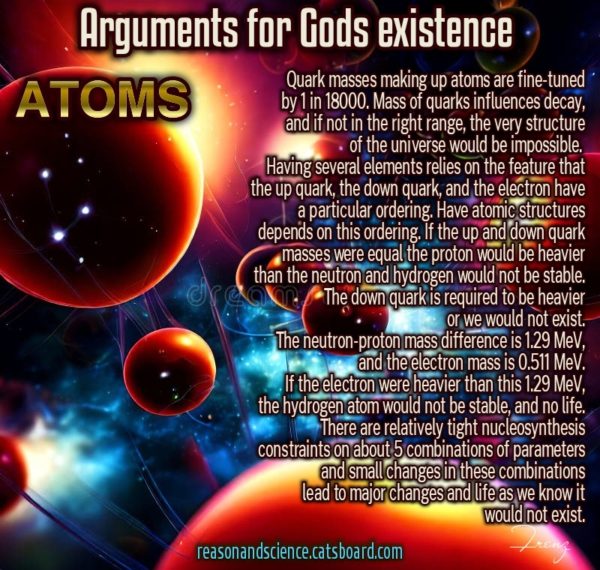
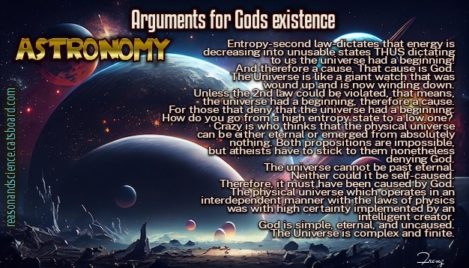
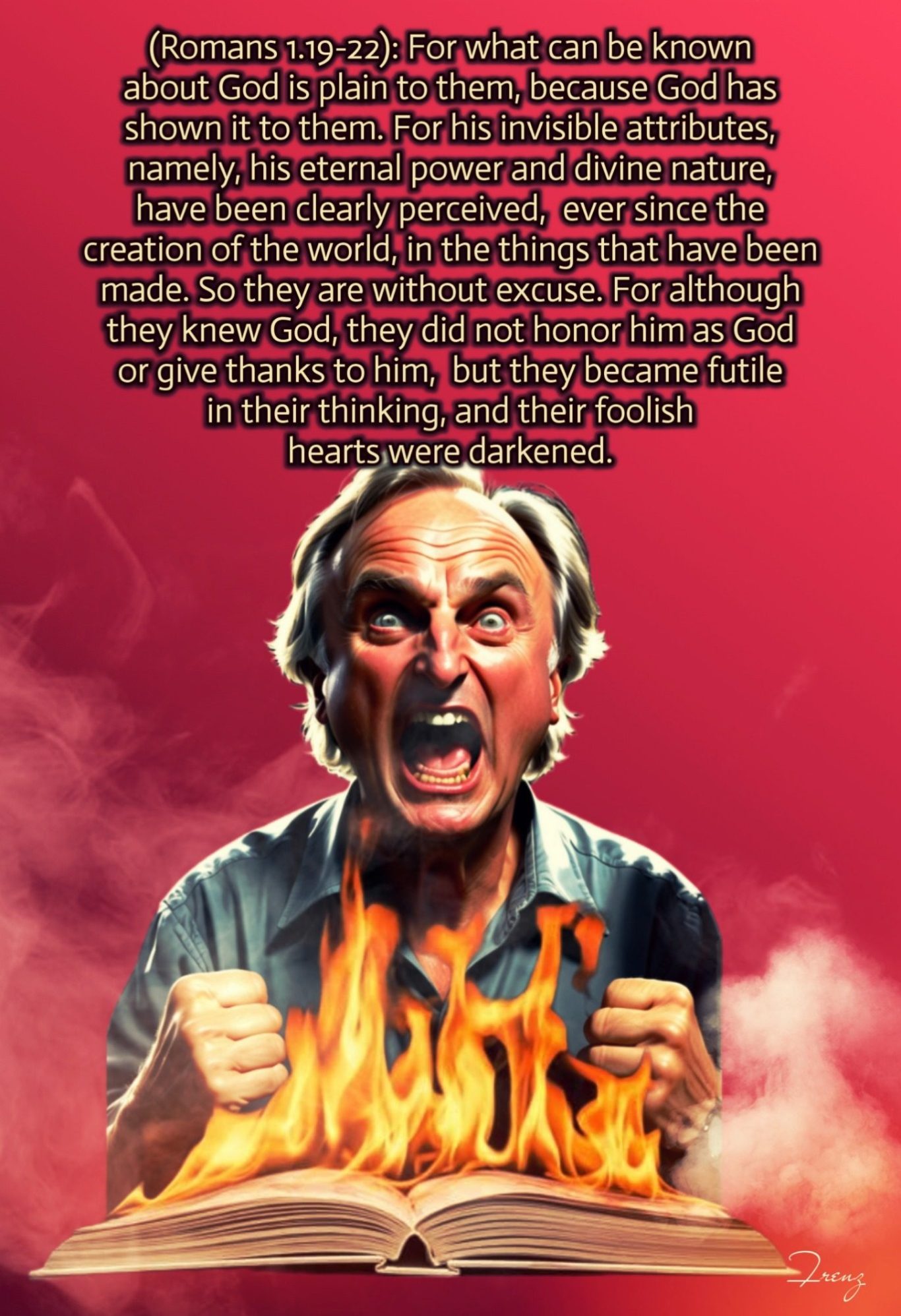
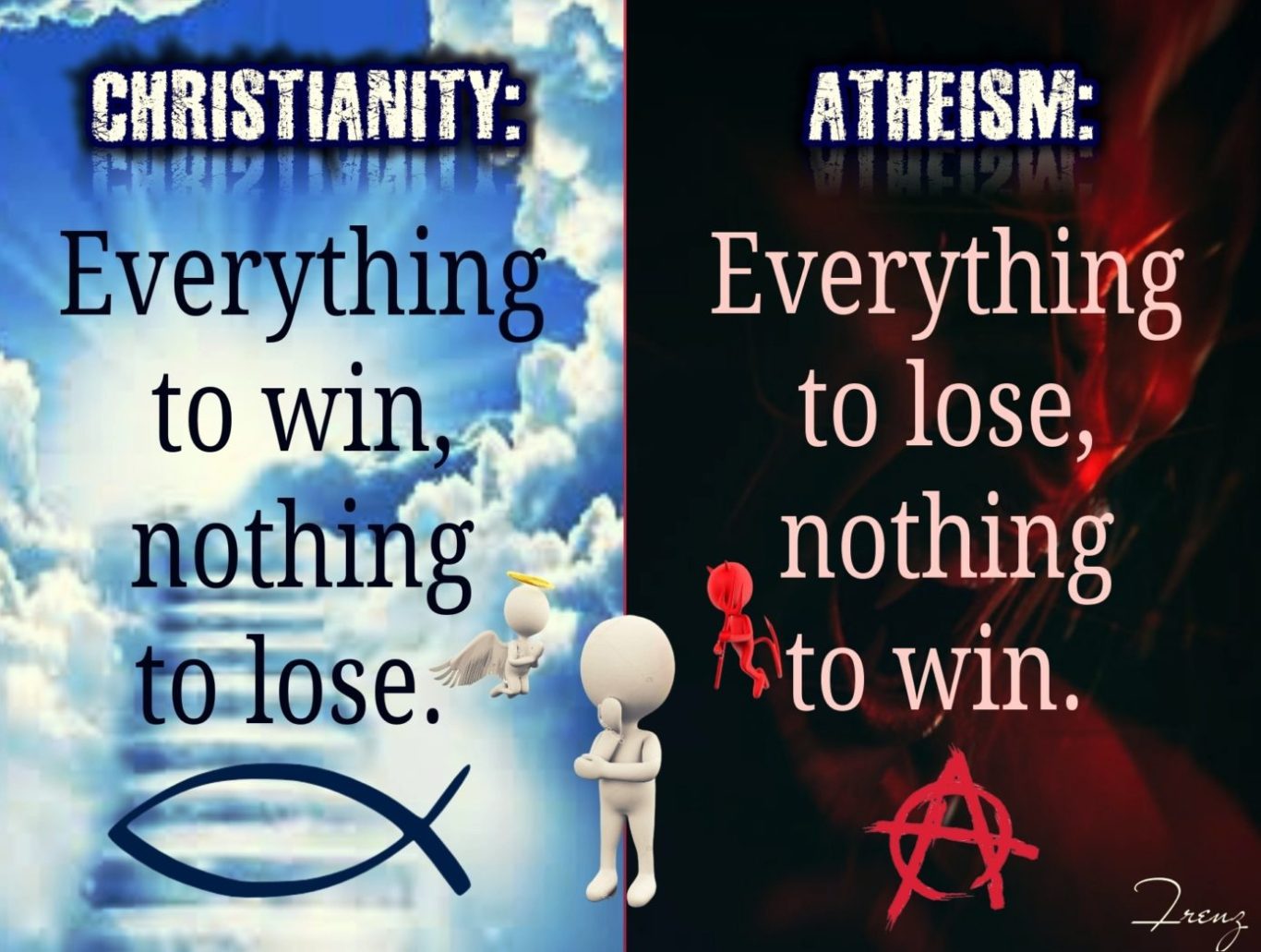
This image is a visual summary of what’s often called Pascal’s Wager, named after the 17th‑century Christian philosopher and mathematician Blaise Pascal. The idea is simple but profound: when comparing Christianity and atheism, the potential outcomes are not equal.
Let’s look at this carefully, both logically and biblically.
1. The Logic Behind the Comparison
Pascal reasoned that every person must “bet” on whether God exists or not. There is no neutral ground — not choosing is itself a choice.
If Christianity is true and you believe in Christ, you gain everything: forgiveness, eternal life, and fellowship with God.
If Christianity is true and you reject God, you lose everything: eternal separation from Him.
If Christianity is false and you believe, you lose nothing of ultimate value — you have lived a life of virtue, hope, and love.
If Christianity is false and you reject God, you gain nothing lasting — and if you are wrong, you lose everything.
This is not a call to blind faith, but a sober recognition of the stakes. As Pascal wrote, “You must wager. It is not optional.”
2. The Biblical Foundation
Scripture consistently presents life as a choice between two paths — belief or unbelief, life or death, God or self.
“I have set before you life and death, blessing and cursing: therefore choose life.” — Deuteronomy 30:19
“He that believeth on the Son hath everlasting life: and he that believeth not the Son shall not see life.” — John 3:36
“For what is a man profited, if he shall gain the whole world, and lose his own soul?” — Matthew 16:26
Christianity offers not only the hope of eternal life but also meaning, forgiveness, and peace in this life. Atheism, by contrast, offers no ultimate purpose, no moral grounding, and no hope beyond the grave.
3. The Moral and Existential Dimension
Even apart from eternity, the Christian life is richer and more coherent:
Purpose: We are created for a reason (Ephesians 2:10).
Value: Every person bears God’s image (Genesis 1:27).
Hope: Suffering has meaning because God redeems it (Romans 8:28).
Love: We are loved with an everlasting love (Jeremiah 31:3).
Atheism, by its own logic, reduces human life to a temporary accident of matter and energy. As Ligonier Ministries notes in “Making Atheism Enchanting” ([2]), even atheists admit that “throwing out God also throws out meaning, joy, and everything that makes life worth living.”
So the contrast is not only about eternity — it’s about the quality and coherence of life now.
4. The Limitation of Pascal’s Wager
Pascal’s Wager is not the whole gospel. It doesn’t prove God’s existence; it simply shows that belief in God is the only rational choice given the consequences.
True Christian faith is not a gamble for self‑interest but a response to God’s love and truth. Yet the wager exposes the irrationality of atheism: to stake one’s eternal destiny on the assumption that there is no God, when the evidence of creation, conscience, and Christ all point to Him, is the ultimate risk.
“He that cometh to God must believe that he is, and that he is a rewarder of them that diligently seek him.” — Hebrews 11:6
“Seek ye the Lord while he may be found.” — Isaiah 55:6
“Whosoever shall call upon the name of the Lord shall be saved.” — Romans 10:13
5. Conclusion
The image’s comparison is true in both logic and life:
Christianity: Everything to win — eternal life, meaning, forgiveness, and joy. Nothing to lose.
Atheism: Everything to lose — your soul, your purpose, your hope. Nothing to win.
The wise choice is clear. As Jesus said:
“Lay up for yourselves treasures in heaven… For where your treasure is, there will your heart be also.” — Matthew 6:20–21
“I am the way, the truth, and the life: no man cometh unto the Father, but by me.” — John 14:6
This argument is exactly right, and it reflects a crucial distinction that many critics of Christianity overlook. The truth of Christianity does not depend on how well Christians behave; it depends on whether its claims about God, Jesus, and reality are true.
Let’s unpack this carefully, biblically, and with reason.
1. The Truth of Christianity Is Independent of Its Followers’ Behavior
Christianity makes objective claims about reality — that God exists, that Jesus is His divine Son, that He died for our sins and rose again in history. These are metaphysical and historical claims, not moral performances.
Even if every Christian failed to live up to Christ’s teachings (and sadly, many have), that would not make those teachings false. As Greg Koukl explains in The Real Murderers: Atheism or Christianity? ([3]), “When we evaluate Christianity, we must fault its teachings if they are wrong — not the people who claim to follow them but live inconsistently with them.”
“For what if some did not believe? shall their unbelief make the faith of God without effect? God forbid: yea, let God be true, but every man a liar.” — Romans 3:3–4
“The word of the Lord endureth for ever.” — 1 Peter 1:25
“Jesus Christ the same yesterday, and to day, and for ever.” — Hebrews 13:8
The truth of Christianity stands or falls on the reality of God and the resurrection of Jesus (1 Corinthians 15:14–17), not on the moral consistency of His followers.
2. The Goodness of Christianity Is Defined by Its Teachings
The moral beauty of Christianity lies in what it teaches, not in how imperfectly people live it out. Jesus commanded His followers to love their enemies, forgive those who wrong them, and serve the poor and oppressed.
“Love your enemies, bless them that curse you, do good to them that hate you.” — Matthew 5:44
“Therefore all things whatsoever ye would that men should do to you, do ye even so to them.” — Matthew 7:12
“Pure religion and undefiled before God and the Father is this, To visit the fatherless and widows in their affliction.” — James 1:27
When people act contrary to these teachings — through violence, greed, or hypocrisy — they are not representing Christianity but betraying it.
3. Hypocrisy Does Not Invalidate Truth
Hypocrisy is a moral failure, not a logical argument. If a doctor smokes, that doesn’t mean medicine is false; it means the doctor is inconsistent. Likewise, when Christians behave badly, they are violating the very standard they profess to uphold.
As Koukl writes, “We wouldn’t say there’s something wrong with the Hippocratic Oath just because there are doctors who don’t keep it. We’d say there’s something wrong with the individuals who don’t live up to the ideals of that code.” ([3])
“Why call ye me, Lord, Lord, and do not the things which I say?” — Luke 6:46
“Be ye doers of the word, and not hearers only, deceiving your own selves.” — James 1:22
“Let every one that nameth the name of Christ depart from iniquity.” — 2 Timothy 2:19
So when people commit evil “in the name of Christianity,” they are not proving Christianity false — they are proving themselves false disciples.
4. Christianity’s Historical and Metaphysical Foundations
The truth of Christianity rests on two pillars:
Metaphysical reality: God exists — the eternal, personal Creator of all things (Genesis 1:1; Acts 17:24–28).
Historical reality: Jesus Christ is God incarnate who died and rose again (1 Corinthians 15:3–8).
If these are true, then Christianity is true, regardless of how its followers behave. If they are false, then Christianity is false, even if Christians were perfect saints.
This is why the Apostle Paul wrote:
“If Christ be not risen, then is our preaching vain, and your faith is also vain.” — 1 Corinthians 15:14
The truth of Christianity is anchored in what happened, not in how Christians act.
5. The Biblical Expectation of Imperfect Followers
The Bible never hides the failures of God’s people. From Peter’s denial to David’s adultery, Scripture is brutally honest about human sin. That honesty actually strengthens Christianity’s credibility — it doesn’t whitewash its heroes.
“All have sinned, and come short of the glory of God.” — Romans 3:23
“If we say that we have no sin, we deceive ourselves.” — 1 John 1:8
“Christ Jesus came into the world to save sinners.” — 1 Timothy 1:15
Christianity is not a religion of perfect people; it is the story of a perfect Savior redeeming imperfect people.
6. Conclusion
The argument in the image is exactly right:
Bad Christians do not make Christianity bad.
The truth of Christianity depends on God’s existence and Jesus’ resurrection, not on human behavior.
The goodness of Christianity is found in its teachings, which call for love, mercy, and humility.
Those who act violently or cruelly in Christ’s name are hypocrites, not representatives of Him.
As Jesus said:
“By their fruits ye shall know them.” — Matthew 7:20
“A new commandment I give unto you, That ye love one another; as I have loved you.” — John 13:34
“Hereby shall all men know that ye are my disciples, if ye have love one to another.” — John 13:35

1. Micro-Evolution vs. Macro-Evolution
Micro-evolution refers to small changes within a species—such as variations in color, size, or resistance to antibiotics. These changes are typically the result of natural selection acting on existing genetic information.
However, macro-evolution claims that entirely new biological features and complex structures can arise through the accumulation of small changes over long periods. This would require the invention of new genetic information, not just the reshuffling or loss of what already exists.
As noted by biophysicist Dr. Lee Spetner:
“All of the mutations that have been examined on a molecular level show that the organism has lost information and not gained it.”
(From a Frog to a Prince, documentary by Keziah Films, 1998)
This observation is echoed by many in the Intelligent Design movement, who point out that adaptation can optimize existing traits but cannot invent new, complex features without the input of new information—something random mutations and natural selection have not been shown to accomplish.
2. The Necessity of Design
The complexity and specificity found in living organisms point to the necessity of a Designer. The Bible affirms this truth:
- Psalm 139:13–14 (ESV):
“For you formed my inward parts; you knitted me together in my mother’s womb. I praise you, for I am fearfully and wonderfully made. Wonderful are your works; my soul knows it very well.” - Romans 1:20 (ESV):
“For his invisible attributes, namely, his eternal power and divine nature, have been clearly perceived, ever since the creation of the world, in the things that have been made. So they are without excuse.” - Genesis 1:27 (ESV):
“So God created man in his own image, in the image of God he created him; male and female he created them.”
These passages teach that God is the intentional Creator of all life, not a process of random chance or undirected mutation.
3. Scientific and Scriptural Harmony
The inability of micro-evolution to generate new, functional biological information supports the biblical claim that life is the result of purposeful design. As the Intelligent Design movement argues, complex features—such as the bacterial flagellum or the information-rich DNA code—require an intelligent cause.
Conclusion
Adaptation and micro-evolution can optimize existing traits within a species, but they cannot invent new biological features. For true innovation in biology, design is necessary.
This is consistent with both scientific observation and the testimony of Scripture, which declares that God is the Creator and Designer of all life.
1. The Fine-Tuning of the Universe
Modern science has discovered that the constants and laws of physics are set at values that, if altered even slightly, would make life impossible. For example, as astrophysicist Hugh Ross notes, “Unless the number of electrons is equivalent to the number of protons to an accuracy of one part in 10^37 or better, electromagnetic forces in the universe would have overcome gravitational forces so that galaxies, stars, and planets would never have formed.” The probability of all the necessary parameters being just right for life by chance is astronomically small—so small that chance and necessity are ruled out as reasonable explanations.
This points strongly to design rather than random occurrence. As the article “Is Scientific Naturalism Dead?” summarizes:
“Necessity and chance are ruled out and design emerges as the only reasonable explanation for the fine-tuning of the universe. The Designer (God) must be immensely powerful and knowledgeable.”
2. The Bible Affirms a Designed Universe
The Bible consistently teaches that the universe is the product of a wise and purposeful Creator:
- Psalm 19:1 (ESV):
“The heavens declare the glory of God, and the sky above proclaims his handiwork.” - Romans 1:20 (ESV):
“For his invisible attributes, namely, his eternal power and divine nature, have been clearly perceived, ever since the creation of the world, in the things that have been made. So they are without excuse.” - Isaiah 45:18 (ESV):
“For thus says the LORD, who created the heavens (he is God!), who formed the earth and made it (he established it; he did not create it empty, he formed it to be inhabited!): ‘I am the LORD, and there is no other.’”
These verses affirm that the order and suitability of the universe for life are not accidents, but the result of God’s intentional design.
3. Naturalism’s Inadequacy
Scientific naturalism cannot adequately explain why the universe is so precisely fine-tuned for life. Some naturalists appeal to the multiverse theory—the idea that there are countless universes, and we just happen to live in the one that supports life. However, as Denyse O’Leary points out, this is more of a philosophical escape than a scientific explanation, since there is no empirical evidence for other universes, and it simply shifts the question of design up one level.
Conclusion
The incomprehensible precision of the universe’s fine-tuning is indeed devastating evidence against naturalism and powerfully supports the biblical claim that the universe is the work of a purposeful, intelligent Creator. As the Apostle Paul wrote, God’s existence and power are “clearly perceived” in what He has made (Romans 1:20).
What Does the Bible Say?
The Bible does teach that deep down, all people have some knowledge of God, but it does not say that everyone consciously acknowledges this or that all who claim atheism are simply lying. Instead, Scripture explains that God's existence and attributes are evident in creation, but that people can suppress this truth:
Romans 1:19–20 (ESV):
"For what can be known about God is plain to them, because God has shown it to them. For his invisible attributes, namely, his eternal power and divine nature, have been clearly perceived, ever since the creation of the world, in the things that have been made. So they are without excuse."
Psalm 14:1 (ESV):
"The fool says in his heart, 'There is no God.' They are corrupt, they do abominable deeds; there is none who does good."
John 3:19–20 (ESV):
"And this is the judgment: the light has come into the world, and people loved the darkness rather than the light because their works were evil. For everyone who does wicked things hates the light and does not come to the light, lest his works should be exposed."
Understanding Suppression of Truth
Romans 1 teaches that people can "suppress the truth" about God. This means that, although God has made Himself known through creation, some may choose not to acknowledge Him—sometimes unconsciously, sometimes willfully. However, it is important to recognize that this suppression can be complex and not always a matter of conscious lying. Many who identify as atheists sincerely believe that God does not exist, often due to personal, philosophical, or experiential reasons.
How Should Christians Respond?
The Apostle Paul and Jesus Himself modeled compassion and patience toward those who did not believe. Christians are called to share the truth in love, not condemnation (1 Peter 3:15; Ephesians 4:15). Rather than labeling atheists as "liars," it is more Christlike to engage them with respect, understanding, and a willingness to listen, while still upholding the truth of God's revelation.
Conclusion
While the Bible teaches that everyone has some knowledge of God through creation, it also shows that people can suppress or reject this knowledge for various reasons. Christians are called to respond with both truth and love, inviting all people—including atheists—to consider the evidence for God and the hope found in Jesus Christ.
Jesus Is the Only Way
John 14:6 (ESV):
"Jesus said to him, 'I am the way, and the truth, and the life. No one comes to the Father except through me.'"
Jesus Himself makes it unmistakably clear that He is the exclusive way to God the Father. There are not many paths to heaven—only one, and that is through faith in Jesus Christ.
Faith in Christ Is Essential
John 3:16–18 (ESV):
"For God so loved the world, that he gave his only Son, that whoever believes in him should not perish but have eternal life. For God did not send his Son into the world to condemn the world, but in order that the world might be saved through him. Whoever believes in him is not condemned, but whoever does not believe is condemned already, because he has not believed in the name of the only Son of God."
This passage shows both the incredible love of God and the seriousness of rejecting Christ. Belief in Jesus is the dividing line between eternal life and condemnation.
No Other Name Can Save
Acts 4:12 (ESV):
"And there is salvation in no one else, for there is no other name under heaven given among men by which we must be saved."
The apostles taught that salvation is found in Christ alone. No amount of good works, religious rituals, or belief in other systems can bring a person to heaven—only Jesus can.
The Narrow Gate
Matthew 7:13–14 (ESV):
"Enter by the narrow gate. For the gate is wide and the way is easy that leads to destruction, and those who enter by it are many. For the gate is narrow and the way is hard that leads to life, and those who find it are few."
Jesus warns that the way to life is narrow, and only those who come through Him will enter.
Conclusion
Rejecting Christ is, according to the Bible, rejecting the only way to heaven. But the good news is that God offers salvation freely to all who will repent and trust in Jesus (Romans 10:9–10). Grace and forgiveness are available to everyone, no matter their past, if they turn to Christ in faith.
That statement is often used by skeptics to dismiss believers, but it actually cuts both ways. The real question is who is ignoring the evidence — the believer or the unbeliever?
When examined honestly, the “mountains of evidence” actually support the existence of God and the truth of Christianity. Let’s look at this carefully, with both reason and Scripture.
1. Evidence Is Not the Problem — Interpretation Is
Everyone has access to the same evidence: the universe, life, morality, consciousness, and history. The difference lies in how that evidence is interpreted.
Atheists often begin with the assumption that God cannot exist — a philosophical bias known as naturalism. From that starting point, no amount of evidence will ever count as proof of God, because the conclusion is ruled out before the discussion begins.
As Dr. Michael Egnor explains in Theists vs. Atheists: Who Has the Burden of Proof? ([3]), “Atheists claim immunity from responsibility to provide evidence and reason in support of the view that the universe exists without God. ‘I’m ignorant’ is no substitute for a reasoned argument supported by evidence.”
In other words, refusing to consider the evidence is not intelligence — it’s intellectual avoidance.
“The fool hath said in his heart, There is no God.” — Psalm 14:1
“Professing themselves to be wise, they became fools.” — Romans 1:22
“That which may be known of God is manifest in them; for God hath shewed it unto them.” — Romans 1:19
2. The “Mountains of Evidence” Point Toward God
a. The Universe Had a Beginning
Modern cosmology shows that the universe is not eternal; it began to exist. Everything that begins to exist has a cause. That cause must be outside time, space, and matter — eternal, powerful, and personal.
“In the beginning God created the heaven and the earth.” — Genesis 1:1
“Through faith we understand that the worlds were framed by the word of God.” — Hebrews 11:3
b. Life Displays Intelligent Design
DNA contains digital, language‑like information — instructions for building life. As The Signature in the Cell ([1]) explains, “There is compelling evidence of intelligent design in the inner recesses of even the simplest living cells.” Information always comes from a mind, not from matter or chance.
“For every house is builded by some man; but he that built all things is God.” — Hebrews 3:4
“The heavens declare the glory of God.” — Psalm 19:1
c. Morality and Consciousness
Objective moral values and human consciousness cannot arise from blind physical processes. They point to a moral and rational Creator.
“He hath shewed thee, O man, what is good.” — Micah 6:8
“There is a spirit in man: and the inspiration of the Almighty giveth them understanding.” — Job 32:8
d. The Historical Jesus
The life, death, and resurrection of Jesus are among the best‑attested events in ancient history. The empty tomb, the eyewitness testimony, and the rise of the early church all confirm that something extraordinary happened.
“He is not here: for he is risen, as he said.” — Matthew 28:6
“This Jesus hath God raised up, whereof we all are witnesses.” — Acts 2:32
3. Ignoring Evidence Is Not Intelligence
The image’s statement is true in principle: ignoring evidence undermines credibility. But that principle applies equally — and perhaps more — to atheism.
To deny God’s existence in the face of the universe’s beginning, the fine‑tuning of physical constants, the information in DNA, the moral law, and the resurrection of Christ is to ignore overwhelming evidence.
As Tabletalk Magazine notes in “The Signature in the Cell,” Darwin and his successors “did not explain, or even attempt to explain, the origin of life — the simplest living cell — in the first place.” The more science discovers, the more it points to design, not randomness.
“The fool hath said in his heart, There is no God.” — Psalm 53:1
“Ever learning, and never able to come to the knowledge of the truth.” — 2 Timothy 3:7
“The entrance of thy words giveth light.” — Psalm 119:130
4. True Intelligence Begins with Humility
The Bible teaches that wisdom begins not with pride or skepticism, but with reverence for God.
“The fear of the Lord is the beginning of wisdom: and the knowledge of the holy is understanding.” — Proverbs 9:10
“If any man will do his will, he shall know of the doctrine.” — John 7:17
“Come now, and let us reason together, saith the Lord.” — Isaiah 1:18
True intelligence is not the denial of evidence, but the willingness to follow it wherever it leads — and it leads unmistakably to God.
5. Conclusion
The claim that “believers ignore mountains of evidence” is itself an example of ignoring evidence. The universe, life, morality, and history all testify to a Creator.
So the real question is not whether evidence exists, but whether we are humble enough to acknowledge it.
“For of him, and through him, and to him, are all things: to whom be glory for ever.” — Romans 11:36
“He that hath ears to hear, let him hear.” — Matthew 11:15
“Seek ye the Lord while he may be found.” — Isaiah 55:6
Would you like me to outline how each major field of science — cosmology, biology, and physics — provides positive evidence for a Creator rather than for atheistic naturalism?
The statement “I will accept God’s Word over your opinion every time” affirms the believer’s commitment to divine revelation as the highest authority. Scripture, not human reasoning or cultural opinion, defines truth and morality.
“All scripture is given by inspiration of God, and is profitable for doctrine, for reproof, for correction, for instruction in righteousness.” — 2 Timothy 3:16
“Let God be true, but every man a liar.” — Romans 3:4
“The law of the Lord is perfect, converting the soul.” — Psalm 19:7
Human opinion changes with time and emotion, but God’s Word is eternal and unchanging.
“Heaven and earth shall pass away, but my words shall not pass away.” — Matthew 24:35
“The grass withereth, the flower fadeth: but the word of our God shall stand for ever.” — Isaiah 40:8
Accepting God’s Word over human opinion is an act of humility and faith, acknowledging that the Creator’s wisdom surpasses all human understanding.
“Trust in the Lord with all thine heart; and lean not unto thine own understanding.” — Proverbs 3:5
“For my thoughts are not your thoughts, neither are your ways my ways, saith the Lord.” — Isaiah 55:8
This conviction reflects obedience to Christ’s example, who always submitted to the Father’s Word (Matthew 4:4). It is the foundation of true discipleship and the safeguard against deception.
This proverb teaches an important lesson about wisdom and discernment in our conversations.
Meaning and Application
1. Discernment in Sharing Wisdom
The Bible encourages us to share wisdom, but also to recognize when someone is not open to receiving it. Jesus expressed a similar idea:
“Do not give dogs what is holy, and do not throw your pearls before pigs, lest they trample them underfoot and turn to attack you.”
— Matthew 7:6 (ESV)
2. The Heart’s Receptivity
A “fool” in Proverbs is not just someone lacking intelligence, but someone who rejects God’s wisdom and instruction (Proverbs 1:7). When a person’s heart is hardened, even wise words are likely to be ignored or despised.
3. Wisdom in Communication
We are called to be wise and loving in how we speak. Sometimes, silence is the wisest response when someone is not ready to listen:
“A fool takes no pleasure in understanding, but only in expressing his opinion.”
— Proverbs 18:2 (ESV)
Conclusion
Proverbs 23:9 reminds us to be discerning about when and how we share wisdom. We should always be ready to speak the truth in love (Ephesians 4:15), but also recognize when someone is not open to receiving it. In such cases, prayer and patience may be more effective than words.


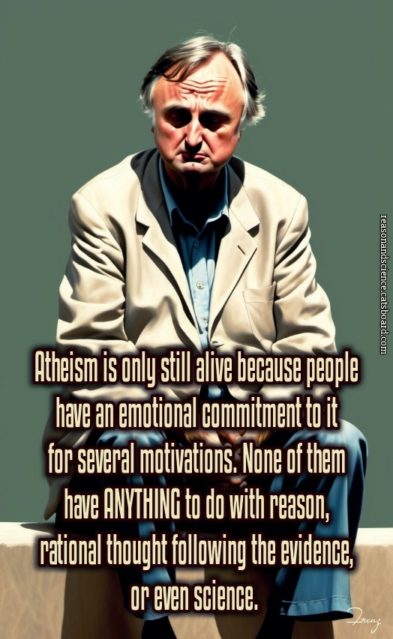
This argument is consistent with what many Christian thinkers and apologists have observed — that atheism is not primarily an intellectual position but a moral and emotional one. People often maintain disbelief in God not because the evidence points that way, but because belief in God carries personal implications they wish to avoid.
This understanding is supported both by Scripture and by careful philosophical analysis.
1. Atheism’s Emotional and Moral Roots
Dr. R.C. Sproul, in The Psychology of Atheism ([3]), explained that atheism is not chiefly about logic or science but about the will. Humanity “suppresses the truth in unrighteousness” (Romans 1:18) because acknowledging God means acknowledging His authority.
“Because that, when they knew God, they glorified him not as God, neither were thankful; but became vain in their imaginations.” — Romans 1:21
“The fool hath said in his heart, There is no God.” — Psalm 14:1
“This is the condemnation, that light is come into the world, and men loved darkness rather than light, because their deeds were evil.” — John 3:19
Sproul noted that atheism often arises from a desire for autonomy — the wish to live without moral accountability. The rejection of God is therefore not purely intellectual but deeply personal and emotional.
2. The Influence of Personal Bias
In Personal Bias ([2]), Sproul identified four reasons why intelligent people reach different conclusions about major issues like God’s existence. The most significant is psychological pressure or prejudice — emotional commitments that color how evidence is interpreted.
He explained that some people have a vested interest in God not existing, because if the God of Scripture is real, then human beings are morally accountable to Him. This bias can lead even brilliant minds to reject clear evidence.
“The man convinced against his will holds his original opinion still.” — (illustration cited in [2])
“They did not like to retain God in their knowledge.” — Romans 1:28
Thus, atheism persists not because evidence for God is lacking, but because the heart resists the implications of that evidence.
3. The Evidence Points Toward God
The claim that atheism is “rational” or “scientific” collapses under scrutiny. The observable universe, the fine‑tuning of physical constants, the origin of life, and the moral law all point unmistakably to a Creator.
“For the invisible things of him from the creation of the world are clearly seen, being understood by the things that are made.” — Romans 1:20
“The heavens declare the glory of God; and the firmament sheweth his handywork.” — Psalm 19:1
“Through faith we understand that the worlds were framed by the word of God.” — Hebrews 11:3
Atheism must ignore or reinterpret this evidence to maintain its worldview. That is not rational inquiry; it is emotional commitment to unbelief.
4. The Emotional Motivations Behind Atheism
Common emotional or moral motivations include:
Desire for moral independence: Not wanting to be accountable to divine authority.
Anger or disappointment: Personal suffering or hypocrisy among believers leading to resentment toward God.
Pride: Refusal to submit intellect or will to a higher power.
Cultural conformity: Fear of ridicule or rejection in secular environments.
These are deeply human struggles, but they are not rational refutations of God’s existence. They are heart issues, not head issues.
“The carnal mind is enmity against God.” — Romans 8:7
“The natural man receiveth not the things of the Spirit of God.” — 1 Corinthians 2:14
“He that trusteth in his own heart is a fool.” — Proverbs 28:26
5. True Rationality Leads to God
Reason, when honestly followed, leads to the recognition of a Creator. The universe’s order, life’s complexity, and humanity’s moral awareness all testify to divine design.
“The fear of the Lord is the beginning of wisdom.” — Proverbs 9:10
“In thy light shall we see light.” — Psalm 36:9
“Come now, and let us reason together, saith the Lord.” — Isaiah 1:18
Atheism, by contrast, must deny or redefine these realities to preserve its emotional comfort. It is not science that sustains atheism, but the will to remain independent of God.
6. Conclusion
The argument in the image is correct:
Atheism persists because of emotional and moral commitment, not because of evidence.
Its motivations are personal, not rational or scientific.
The evidence of creation, conscience, and Christ all point to God.
As Sproul summarized, “The issue is not intellectual but moral: man suppresses the truth about God and seeks to live in unbounded freedom.” ([3])
“For of him, and through him, and to him, are all things: to whom be glory for ever.” — Romans 11:36
“Seek ye the Lord while he may be found.” — Isaiah 55:6
“Ye shall know the truth, and the truth shall make you free.” — John 8:32
Atheism is not a neutral or purely scientific position; it is a metaphysical belief system that makes a sweeping claim about reality (“There is no God”) without sufficient evidence to support it.
Let’s examine this carefully, both philosophically and biblically.
1. Atheism Is a Metaphysical Claim
Atheism is not simply “lack of belief.” It is a worldview that asserts a specific truth claim about the nature of existence: that no divine being exists. That is a metaphysical statement — a claim about ultimate reality, beyond the physical world.
As Dr. R.C. Sproul explained in The Psychology of Atheism ([3]), atheism “is not the absence of belief, but the presence of a belief — a belief that there is no God.” To hold that position, one must assume knowledge of all reality, which no finite human possesses.
“The fool hath said in his heart, There is no God.” — Psalm 14:1
“Professing themselves to be wise, they became fools.” — Romans 1:22
“He that answereth a matter before he heareth it, it is folly and shame unto him.” — Proverbs 18:13
Thus, atheism is a faith commitment — a belief about what cannot be empirically proven or observed.
2. Atheism Lacks Supporting Evidence
No scientific experiment or observation can demonstrate that God does not exist. Science deals with the natural world; God, by definition, is supernatural — beyond nature. To claim that science disproves God is to misuse science.
As Tabletalk Magazine explains in “The Signature in the Cell” ([1]), Darwin’s theory never explained the origin of life itself. Modern discoveries in molecular biology reveal information‑rich DNA that points unmistakably to an intelligent cause. The evidence, when followed honestly, supports design — not atheistic materialism.
“For the invisible things of him from the creation of the world are clearly seen, being understood by the things that are made.” — Romans 1:20
“Through faith we understand that the worlds were framed by the word of God.” — Hebrews 11:3
“For every house is builded by some man; but he that built all things is God.” — Hebrews 3:4
Atheism, by contrast, offers no coherent explanation for the origin of the universe, the fine‑tuning of physical laws, the emergence of life, or the existence of moral and rational beings.
3. Atheism Requires Faith — More Than Theism
To believe that the universe came from nothing, that life arose spontaneously from non‑life, and that consciousness emerged from matter requires enormous faith — faith in chance, not in reason.
As Sproul noted in Not a Chance ([2]), “Chance is not a thing. It has no power to do anything.” Yet atheism depends on “nothing” producing “something,” which is metaphysically impossible.
“In the beginning God created the heaven and the earth.” — Genesis 1:1
“Before the mountains were brought forth… even from everlasting to everlasting, thou art God.” — Psalm 90:2
“By him all things consist.” — Colossians 1:17
Theism, by contrast, provides a rational foundation for existence, order, and intelligibility — an eternal, self‑existent Creator.
4. Atheism Is Philosophically Self‑Defeating
To claim “there is no God” is to make a universal negative — a statement that cannot be proven without omniscience. Only a being who knows everything could know that no God exists anywhere. Therefore, atheism collapses under its own claim.
“Where wast thou when I laid the foundations of the earth? declare, if thou hast understanding.” — Job 38:4
“Hath not God made foolish the wisdom of this world?” — 1 Corinthians 1:20
“The wisdom of this world is foolishness with God.” — 1 Corinthians 3:19
Atheism’s denial of God is not the result of evidence but of presupposition — a decision to exclude God from consideration.
5. The Evidence Supports Theism
The cumulative evidence from cosmology, biology, morality, and human consciousness points to a transcendent, intelligent, personal Creator:
Cosmology: The universe had a beginning (Big Bang).
Physics: The laws of nature are finely tuned for life.
Biology: DNA contains complex, coded information.
Morality: Objective moral values exist.
Consciousness: Mind cannot arise from matter alone.
Each of these realities is consistent with the biblical worldview and inexplicable under atheism.
“The heavens declare the glory of God; and the firmament sheweth his handywork.” — Psalm 19:1
“He is before all things, and by him all things consist.” — Colossians 1:17
“In him we live, and move, and have our being.” — Acts 17:28
6. Conclusion
The argument in the image is correct:
Atheism is a metaphysical belief system, not a neutral absence of belief.
It lacks supporting evidence and depends on unprovable assumptions.
It requires faith — faith in chance, matter, and self‑existence — far greater than belief in God.
By contrast, Christianity is grounded in revelation, reason, and history. The evidence of creation, conscience, and Christ all affirm that God exists and has revealed Himself.
“The fool hath said in his heart, There is no God.” — Psalm 53:1
“For of him, and through him, and to him, are all things.” — Romans 11:36
“Thy word is truth.” — John 17:17
1. What Does Atheism Offer?
Atheism, by definition, is the belief that there is no God or gods. It typically offers a worldview based on naturalism or materialism, where everything can be explained by physical processes and chance. Some atheists, like Richard Dawkins, have claimed that Darwinian evolution made it possible to be "an intellectually satisfied atheist." However, as noted in the article you referenced, many thoughtful Christians and theists find that atheism does not provide satisfying answers to life’s deepest questions—such as the origin of life, meaning, morality, and destiny.
Origin of Life
Atheism struggles to explain how life arose from non-life. As Rob Stadler points out, even leading materialists admit there is no naturalistic explanation for the origin of life. The Bible, however, declares:
- Genesis 1:1 (ESV): “In the beginning, God created the heavens and the earth.”
- John 1:3 (ESV): “All things were made through him, and without him was not any thing made that was made.”
- Romans 1:20 (ESV): “For his invisible attributes, namely, his eternal power and divine nature, have been clearly perceived, ever since the creation of the world, in the things that have been made. So they are without excuse.”
Meaning and Morality
Atheism offers no objective basis for meaning or morality. If everything is the product of chance, then concepts like right and wrong, love and justice, are ultimately subjective. In contrast, Christianity teaches that meaning and morality are grounded in the character of God:
- Ecclesiastes 12:13 (ESV): “Fear God and keep his commandments, for this is the whole duty of man.”
- Micah 6:8 (ESV): “He has told you, O man, what is good; and what does the Lord require of you but to do justice, and to love kindness, and to walk humbly with your God?”
- Matthew 22:37-39 (ESV): “You shall love the Lord your God with all your heart… You shall love your neighbor as yourself.”
Hope and Destiny
Atheism cannot offer hope beyond death. Christianity, on the other hand, offers the hope of eternal life through Jesus Christ:
- John 11:25 (ESV): “I am the resurrection and the life. Whoever believes in me, though he die, yet shall he live.”
- 1 Peter 1:3-4 (ESV): “He has caused us to be born again to a living hope… to an inheritance that is imperishable, undefiled, and unfading, kept in heaven for you.”
2. Why Christianity Satisfies Intellectually and Spiritually
Many scientists, philosophers, and ordinary people have found that Christianity not only answers life’s deepest questions but does so in a way that is intellectually robust and spiritually fulfilling. As Dr. Strandness (referenced above) said, “Intelligent design made it possible for me to be an intellectually fulfilled Christian.” The complexity and order in nature point to a Designer, not random chance (Psalm 19:1).
3. Conclusion
For the intellectually satisfied theist and Christian, atheism does not provide compelling answers to the questions of origin, meaning, morality, or destiny. Christianity, grounded in the revelation of God through Scripture and the person of Jesus Christ, offers both intellectual satisfaction and spiritual hope.
This image summarizes a historically and theologically grounded argument — that atheism, when elevated to political power, consistently produces totalitarianism and human suffering. This is not a mere rhetorical claim; it is borne out by history, philosophy, and Scripture.
Let’s examine this carefully.
1. Atheism as a Destructive Ideology
The image’s description of atheism as a “cancer” is metaphorical — it means that atheism, when it becomes the governing worldview, corrodes the moral and spiritual foundations of society.
As Ligonier Ministries explains in its teaching on Statism ([3]), the 20th century — the bloodiest in human history — was dominated not by Christianity, but by atheistic regimes that claimed scientific and philosophical justification for their power.
“The most bloodthirsty century in the history of mankind was the 20th century, foisted upon us not by Christians… but precisely by those secularists and atheists who claimed scientific insight into creating a new world.” — Ligonier: Statism
These regimes — revolutionary France, Lenin’s and Stalin’s USSR, Mao’s China, Pol Pot’s Cambodia, and others — all shared a common feature: the rejection of God and the enthronement of the state as the ultimate authority.
“The fool hath said in his heart, There is no God.” — Psalm 14:1
“Professing themselves to be wise, they became fools.” — Romans 1:22
“They did not like to retain God in their knowledge, God gave them over to a reprobate mind.” — Romans 1:28
2. Why Atheism in Power Becomes Totalitarian
When a society denies God, it removes the only transcendent source of moral law and human dignity. The state then becomes the highest authority — effectively a god substitute.
Without a divine moral standard, power itself becomes the measure of right and wrong. As R.C. Sproul observed, “When God is dethroned, the state becomes absolute.”
This is why atheistic governments inevitably turn totalitarian:
No God → No objective morality.
No morality → No limits on power.
No limits → Oppression and tyranny.
“Where there is no vision, the people perish.” — Proverbs 29:18
“It is better to trust in the Lord than to put confidence in princes.” — Psalm 118:9
“The kings of the earth set themselves… against the Lord, and against his anointed.” — Psalm 2:2
3. Historical Confirmation
The image’s timeline — beginning in 1789 with the French Revolution — is historically accurate. The French Revolution replaced Christianity with the “Cult of Reason,” leading to mass executions and chaos.
That pattern repeated in every major atheistic movement that followed:
Marxism-Leninism: 100+ million dead through purges, gulags, and famines.
Maoism: Tens of millions killed in the Great Leap Forward and Cultural Revolution.
Khmer Rouge: One‑third of Cambodia’s population exterminated.
North Korea: A living example of atheistic statism, where the leader is worshiped as a god.
Each of these regimes began with promises of liberation and equality but ended in oppression and death — precisely because they denied the Creator who gives life, freedom, and moral law.
“The thief cometh not, but for to steal, and to kill, and to destroy.” — John 10:10
“All they that hate me love death.” — Proverbs 8:36
“Righteousness exalteth a nation: but sin is a reproach to any people.” — Proverbs 14:34
4. The Collapse of “Secular Humanism”
The image’s line about “secular humanism” not surviving atheism’s rise is also true. Secular humanism borrows moral ideals — human rights, dignity, compassion — from Christianity, but without God, those ideals have no foundation.
As Ligonier’s Field Guide on Atheism and Secularism ([2]) explains, secularism “centers on the autonomy of human reason” and rejects divine authority. But once God is removed, reason itself becomes subjective, and morality collapses into relativism.
Thus, movements that begin with “edited Jefferson” — a sanitized, de‑Christianized Enlightenment — often end with “pockmarked Caligula” — the rule of men who make themselves gods.
“Every way of a man is right in his own eyes: but the Lord pondereth the hearts.” — Proverbs 21:2
“When the wicked beareth rule, the people mourn.” — Proverbs 29:2
“They changed the truth of God into a lie, and worshipped and served the creature more than the Creator.” — Romans 1:25
5. Christianity as the Antidote to Totalitarianism
Christianity uniquely limits the power of the state because it teaches that God alone is sovereign. Every ruler is accountable to Him. This principle — known as sphere sovereignty — was championed by theologians like Abraham Kuyper and is rooted in Scripture.
“There is no power but of God: the powers that be are ordained of God.” — Romans 13:1
“We ought to obey God rather than men.” — Acts 5:29
“The Lord is our judge, the Lord is our lawgiver, the Lord is our king.” — Isaiah 33:22
Wherever biblical Christianity has shaped culture, it has produced liberty, justice, and human rights — because it recognizes that all people are made in God’s image and that no earthly power is absolute.
6. Conclusion
The argument in the image is historically and theologically sound:
Atheism in power has always been totalitarian.
Every atheistic philosophy that gained control brought destruction.
Secular humanism cannot survive without the moral foundation of theism.
Only belief in the sovereign God of Scripture restrains tyranny.
“Blessed is the nation whose God is the Lord.” — Psalm 33:12
“If the foundations be destroyed, what can the righteous do?” — Psalm 11:3
“For the Lord is our defence; and the Holy One of Israel is our king.” — Psalm 89:18
This argument is entirely consistent with Scripture and with centuries of Christian teaching. The Bible clearly teaches that the root cause of unbelief is not intellectual but moral — people reject God not because the evidence is lacking, but because sin blinds and hardens the heart.
Let’s examine this truth carefully.
1. The Real Reason People Reject God
The Bible says that God has already provided abundant evidence of His existence — in creation, in conscience, and in Christ. The problem is not a lack of light, but a refusal to receive it.
“For the invisible things of him from the creation of the world are clearly seen, being understood by the things that are made… so that they are without excuse.” — Romans 1:20
“Because that, when they knew God, they glorified him not as God, neither were thankful; but became vain in their imaginations.” — Romans 1:21
“The fool hath said in his heart, There is no God.” — Psalm 14:1
As Ligonier Ministries explains in “Loving the Darkness” ([3]), unbelief is not due to ignorance but to love of darkness. People suppress the truth because they fear exposure of their sin and do not want to submit to God’s authority.
“It is against the nature of a child of darkness to come to the light because he knows the light represents exposure and humiliation.” — R.C. Sproul, Commentary on John (quoted in [3])
2. Jesus’ Own Explanation: Love of Darkness
Jesus Himself identified the moral cause of unbelief:
“And this is the condemnation, that light is come into the world, and men loved darkness rather than light, because their deeds were evil.” — John 3:19
“For every one that doeth evil hateth the light, neither cometh to the light, lest his deeds should be reproved.” — John 3:20
“But he that doeth truth cometh to the light, that his deeds may be made manifest.” — John 3:21
People reject God not because they cannot find Him, but because they do not want Him. The light of Christ exposes sin, and without God’s grace, the human heart prefers to remain hidden in darkness.
3. Sin Blinds the Mind
Sin not only corrupts the will but also clouds the intellect. The Apostle Paul described unbelievers as those whose minds are darkened by sin:
“The god of this world hath blinded the minds of them which believe not.” — 2 Corinthians 4:4
“Having the understanding darkened, being alienated from the life of God through the ignorance that is in them, because of the blindness of their heart.” — Ephesians 4:18
“The natural man receiveth not the things of the Spirit of God: for they are foolishness unto him.” — 1 Corinthians 2:14
This blindness is not intellectual incapacity but moral rebellion — a refusal to acknowledge the truth that confronts the sinner.
4. The Role of God’s Grace
Because sin enslaves the heart, only God’s grace can open a person’s eyes to the truth. Salvation is not achieved by human reasoning but by divine illumination.
“No man can come to me, except the Father which hath sent me draw him.” — John 6:44
“For by grace are ye saved through faith; and that not of yourselves: it is the gift of God.” — Ephesians 2:8
“God, who commanded the light to shine out of darkness, hath shined in our hearts.” — 2 Corinthians 4:6
As Ligonier’s devotional explains, “For us to come to the light takes a special work of God’s sovereign, irresistible grace. Otherwise, we prefer darkness.” ([3])
5. The Evidence Is Clear — The Heart Is the Issue
The heavens, the moral law within, and the historical resurrection of Jesus all testify to God’s reality. Yet unbelief persists because the heart resists repentance.
“The heavens declare the glory of God.” — Psalm 19:1
“Thy word is a lamp unto my feet, and a light unto my path.” — Psalm 119:105
“He that believeth on the Son hath everlasting life: and he that believeth not the Son shall not see life.” — John 3:36
Rejecting God is not a matter of evidence, but of willful suppression of truth (Romans 1:18). The sinner’s problem is not the head, but the heart.
6. Conclusion
The argument in the image is biblically sound:
People reject God not because of insufficient evidence, but because of sin.
They love darkness more than light, fearing exposure of their deeds.
Only God’s grace can open blind eyes and draw sinners into the light.
“For every one that doeth evil hateth the light.” — John 3:20
“Awake thou that sleepest, and arise from the dead, and Christ shall give thee light.” — Ephesians 5:14
“If we walk in the light, as he is in the light, we have fellowship one with another, and the blood of Jesus Christ his Son cleanseth us from all sin.” — 1 John 1:7
This argument reflects a biblical and philosophical understanding of unbelief — that most atheism is not genuine skepticism but self‑deception, and that many who actively promote atheism do so to justify their own rejection of God and to ease the discomfort of their inner doubts.
This is not a judgment of individuals’ intelligence, but a recognition of the spiritual and moral dynamics that Scripture describes in the human heart.
1. Atheism as Self‑Deception
The Bible teaches that every person already knows, deep down, that God exists. This knowledge comes through creation, conscience, and the moral law written on the heart. But because of sin, people suppress that truth.
“For the wrath of God is revealed from heaven against all ungodliness and unrighteousness of men, who hold [suppress] the truth in unrighteousness.” — Romans 1:18
“Because that, when they knew God, they glorified him not as God, neither were thankful; but became vain in their imaginations.” — Romans 1:21
“The fool hath said in his heart, There is no God.” — Psalm 14:1
As Tabletalk Magazine explains in “Be Prepared” ([1]), “Even the most hardened atheist actually does believe in God; he just works very hard to deny it. In order to maintain a consistently atheistic point of view, unbelievers must actively suppress what they know to be true about the existence of God.”
This suppression is a form of self‑deception — not ignorance of evidence, but willful denial of it.
2. False Skepticism vs. Honest Seeking
True skepticism questions in order to find truth. False skepticism questions in order to avoid truth. Many atheists claim to be “free thinkers,” yet they begin with an unexamined assumption: that God cannot exist.
That is not open‑minded inquiry; it is dogmatic unbelief.
“Ever learning, and never able to come to the knowledge of the truth.” — 2 Timothy 3:7
“The natural man receiveth not the things of the Spirit of God: for they are foolishness unto him.” — 1 Corinthians 2:14
“If any man will do his will, he shall know of the doctrine.” — John 7:17
An honest seeker follows the evidence wherever it leads. A false skeptic filters the evidence through the lens of unbelief. The difference is not intellectual capacity but moral posture — humility versus pride.
3. The Desire to Pull Others into Unbelief
The image’s claim that active atheists try to “drag others into their ignorance” reflects a real pattern. Those who reject God often feel threatened by faith because it reminds them of the truth they are suppressing. To quiet their conscience, they seek validation by persuading others to join them.
This is exactly what Scripture describes:
“Knowing the judgment of God… they not only do the same, but have pleasure in them that do them.” — Romans 1:32
“Evil men and seducers shall wax worse and worse, deceiving, and being deceived.” — 2 Timothy 3:13
“They promise them liberty, while they themselves are the servants of corruption.” — 2 Peter 2:19
Atheism spreads not because it offers truth, but because it offers moral comfort — the illusion of freedom from accountability to God.
4. The Inner Conflict of the Atheist
Many atheists experience a deep inner tension: they deny God outwardly but cannot escape the inward awareness of Him. Conscience, beauty, love, and moral conviction continually testify to His reality.
“That which may be known of God is manifest in them; for God hath shewed it unto them.” — Romans 1:19
“The light shineth in darkness; and the darkness comprehended it not.” — John 1:5
“He hath set the world [eternity] in their heart.” — Ecclesiastes 3:11
This tension produces unease, which some try to silence by attacking faith or mocking believers. But the problem is not intellectual — it is spiritual. Only repentance and grace can bring peace.
5. The Christian Response
Christians are called not to mock unbelievers but to respond with truth and compassion. As Tabletalk Magazine reminds us, we must be “ready to give a reasoned defense for the hope within us — yet do so with gentleness and respect” ([1], citing 1 Peter 3:15–16).
We expose false skepticism not to win arguments but to point people to the Savior who alone can free them from self‑deception.
“And ye shall know the truth, and the truth shall make you free.” — John 8:32
“If we walk in the light, as he is in the light, we have fellowship one with another.” — 1 John 1:7
“For God, who commanded the light to shine out of darkness, hath shined in our hearts.” — 2 Corinthians 4:6
6. Conclusion
The argument in the image is biblically and philosophically sound:
Most atheists are not true skeptics but suppress the truth they already know.
Their unbelief is self‑deception, not honest inquiry.
Active atheists often seek to draw others into unbelief to quiet their own doubts.
Atheism is not a purely intellectual position; it is a moral and spiritual rebellion against the God who made and loves them.
“This is the condemnation, that light is come into the world, and men loved darkness rather than light.” — John 3:19
“The fool hath said in his heart, There is no God.” — Psalm 53:1
“Seek ye the Lord while he may be found.” — Isaiah 55:6
This argument aligns closely with both Scripture and Christian apologetics: the issue with most atheists is not the absence of evidence, but the absence of willingness to seek and recognize God. The Bible teaches that God’s “signature” — His design, power, and presence — is clearly visible in creation, yet many refuse to see it because they are not truly seeking Him.
Let’s examine this carefully.
1. The Evidence of God Is Already Clear
God has not hidden Himself. His existence and attributes are revealed in the created order — what theologians call general revelation.
“For the invisible things of him from the creation of the world are clearly seen, being understood by the things that are made, even his eternal power and Godhead; so that they are without excuse.” — Romans 1:20
“The heavens declare the glory of God; and the firmament sheweth his handywork.” — Psalm 19:1
“He left not himself without witness.” — Acts 14:17
The problem is not that the evidence is missing, but that many people refuse to interpret it rightly. As Tabletalk Magazine’s article “The Signature in the Cell” ([1]) explains, the very structure of life — DNA — bears the unmistakable marks of intelligent design. The information encoded in the cell is like a written language or computer code, which always points to a mind.
“Just as English letters may convey a particular message depending on their arrangement, so certain sequences of chemical bases along the spine of a DNA molecule convey precise instructions for building proteins.” — The Signature in the Cell ([1])
This is what the image calls “God’s signature in nature.” It is there for anyone willing to look.
2. The Atheist’s Lack of an Answer
When asked, “What evidence would convince you that God exists?” many atheists cannot answer. This is revealing. It shows that their unbelief is not the result of careful investigation, but of a closed heart.
As GotQuestions.org notes in “Is There a God?” ([2]), “Those committed to rejecting God, evidence and reason aren’t going to make much difference.” Jesus Himself warned against this attitude:
“A wicked and adulterous generation seeketh after a sign.” — Matthew 12:39
“If they hear not Moses and the prophets, neither will they be persuaded, though one rose from the dead.” — Luke 16:31
“He that hath ears to hear, let him hear.” — Matthew 11:15
When someone cannot describe what evidence would satisfy them, it often means they have already decided that no evidence will.
3. The Heart, Not the Mind, Is the Barrier
The image’s claim that atheists “never had a genuine intention to find God” reflects the biblical truth that unbelief is a moral problem, not an intellectual one.
“Ye shall seek me, and find me, when ye shall search for me with all your heart.” — Jeremiah 29:13
“This is the condemnation, that light is come into the world, and men loved darkness rather than light.” — John 3:19
“The fool hath said in his heart, There is no God.” — Psalm 14:1
Those who do not want God to exist will not find Him, no matter how much evidence they are shown. The will determines what the mind is willing to see.
4. Confirmation Bias and the Desire for Autonomy
The image’s observation that most atheists “only want to confirm their existing beliefs” is also accurate. Many approach the question of God with a confirmation bias — they interpret all evidence through a naturalistic lens because they have already decided that only natural explanations are acceptable.
This is not open inquiry; it is philosophical naturalism, a worldview that excludes God by definition. As GotQuestions.org explains, “Those who refuse to believe often insert other objections… demanding direct, miraculous, personal revelation.” ([2])
But such demands are not genuine seeking; they are ways to avoid accountability.
“Ever learning, and never able to come to the knowledge of the truth.” — 2 Timothy 3:7
“The carnal mind is enmity against God.” — Romans 8:7
“They did not like to retain God in their knowledge.” — Romans 1:28
5. The True Seeker Will Find
God promises that anyone who sincerely seeks Him will find Him. The problem is not that God hides, but that people hide from Him.
“Ask, and it shall be given you; seek, and ye shall find; knock, and it shall be opened unto you.” — Matthew 7:7
“Draw nigh to God, and he will draw nigh to you.” — James 4:8
“He that cometh to God must believe that he is, and that he is a rewarder of them that diligently seek him.” — Hebrews 11:6
Those who are genuinely open to truth will recognize God’s “signature” in creation, conscience, and Christ. Those who are not will remain blind, not because of lack of evidence, but because of lack of willingness.
6. Conclusion
The argument in the image is biblically and philosophically sound:
Most atheists cannot define what evidence they seek because they are not truly seeking.
They fail to recognize God’s signature in nature, though it is clearly visible.
Their unbelief stems from unwillingness, not lack of evidence.
Many only seek to confirm their existing disbelief, not to encounter the living Christ.
“For this people’s heart is waxed gross, and their ears are dull of hearing, and their eyes they have closed.” — Matthew 13:15
“The light shineth in darkness; and the darkness comprehended it not.” — John 1:5
“Seek ye the Lord while he may be found, call ye upon him while he is near.” — Isaiah 55:6
This argument reflects a biblically accurate understanding of the spiritual and moral dynamics of unbelief — that atheism is not primarily about evidence or reason, but about the desire for autonomy and freedom from moral accountability to God. Scripture and Christian apologetics both affirm that the rejection of God is rooted in the will, not in the intellect.
Let’s examine each of the image’s claims in light of biblical truth and sound theology.
1. Atheists Desire Autonomy Rather Than Submission to God
The first claim — that atheists see no benefit in believing in God and wish to live autonomously — directly corresponds to the biblical description of fallen humanity. People naturally resist the idea of divine authority because it confronts their desire for self-rule.
“Because the carnal mind is enmity against God: for it is not subject to the law of God, neither indeed can be.” — Romans 8:7
“Every way of a man is right in his own eyes: but the Lord pondereth the hearts.” — Proverbs 21:2
“We will not have this man to reign over us.” — Luke 19:14
As GotQuestions.org explains in “Should Christians Try to Evangelize Atheists?” ([3]), the unbeliever’s main goal is “to make himself a god, to have complete control over his life.” Atheism, therefore, is not the absence of belief but the assertion of self-sovereignty — the desire to live without divine accountability.
2. Atheism as a Way to Diminish Fear of Judgment
The image’s second point — that atheists seek to reduce their fear that God might exist and punish sin — also aligns with Scripture. The Bible teaches that the knowledge of God’s existence and moral law is written on every human heart (Romans 2:14–15). But because this knowledge produces guilt, many suppress it to avoid fear of judgment.
“For the wrath of God is revealed from heaven against all ungodliness and unrighteousness of men, who hold [suppress] the truth in unrighteousness.” — Romans 1:18
“They did not like to retain God in their knowledge.” — Romans 1:28
“This is the condemnation, that light is come into the world, and men loved darkness rather than light, because their deeds were evil.” — John 3:19
As GotQuestions.org notes in “Why Are There So Many Atheists?” ([2]), many who reject God do so because “to avoid the possibility of more disappointment, they abandon any attempt at faith and find a measure of comfort in deciding that God simply does not exist.” In other words, atheism becomes a psychological refuge from the fear of divine accountability.
3. Atheists Exploit Poorly Instructed Theists
The image’s third claim — that atheists are “grateful” to encounter uninformed believers — is also true in practice. Many atheists build their arguments not against biblical Christianity, but against misunderstandings of it.
Patrick Zukeran, in Challenging the New Atheists ([1]), points out that modern atheists often attack caricatures of God and religion rather than the true biblical faith. For example, Richard Dawkins’ description of the “God of the Old Testament” as a cruel tyrant shows, as Zukeran writes, “his superficial understanding of the Bible.”
“Be ready always to give an answer to every man that asketh you a reason of the hope that is in you.” — 1 Peter 3:15
“Study to shew thyself approved unto God, a workman that needeth not to be ashamed, rightly dividing the word of truth.” — 2 Timothy 2:15
“A fool uttereth all his mind: but a wise man keepeth it in till afterwards.” — Proverbs 29:11
Atheists often find it easier to ridicule shallow or inconsistent faith than to engage with well-grounded, biblically literate Christians who can answer their objections with clarity and grace.
4. Hostility When Confronted With Sound Reasoning
The final claim — that atheists become angry and resort to name-calling when their arguments are refuted — is also consistent with both experience and Scripture. When unbelief is challenged by truth, pride and conviction often produce hostility rather than humility.
“Am I therefore become your enemy, because I tell you the truth?” — Galatians 4:16
“They gnashed on him with their teeth.” — Acts 7:54
“The wicked shall see it, and be grieved.” — Psalm 112:10
As GotQuestions.org observes ([3]), “Atheists spend most of their time complaining and arguing not about the scriptural proof texts, but about the ‘dos and don’ts.’ Their natural rebelliousness detests the commandments of God.” When confronted with reasoned biblical responses, some respond emotionally because the issue is not intellectual disagreement but moral resistance.
5. The Biblical Diagnosis of Atheism
The Bible consistently portrays unbelief as a spiritual condition rather than a purely intellectual stance. The atheist’s anger, mockery, or dismissal of truth stems from a heart that resists God’s authority.
“The fool hath said in his heart, There is no God.” — Psalm 53:1
“Professing themselves to be wise, they became fools.” — Romans 1:22
“The natural man receiveth not the things of the Spirit of God.” — 1 Corinthians 2:14
Atheism’s hostility toward truth is therefore not surprising; it is the predictable outworking of the fallen human heart seeking to justify itself apart from God.
6. Conclusion
The argument in the image is biblically and historically sound:
Atheists desire autonomy and reject God’s authority.
They suppress the fear of judgment by denying His existence.
They exploit uninformed believers to attack straw-man versions of Christianity.
They often react with hostility when confronted by well-reasoned, biblically grounded responses.
The root issue is not lack of evidence but the heart’s rebellion against God’s rule.
“The fear of the Lord is the beginning of wisdom.” — Proverbs 9:10
“He that hateth reproof shall die.” — Proverbs 15:10
“For of him, and through him, and to him, are all things: to whom be glory for ever.” — Romans 11:36
This argument captures a common misunderstanding at the heart of many atheists’ demands for “verifiable evidence.” When someone insists that God must physically appear or perform a spectacular miracle before they will believe, they are not asking for rational proof — they are demanding a theophany on their own terms, which Scripture identifies as a sign of unbelief, not honest inquiry.
Let’s examine this biblically and theologically.
1. The Demand for a Theophany Is Not Genuine Seeking
Throughout Scripture, people have demanded that God prove Himself through visible displays of power. Yet Jesus consistently condemned this attitude because it reveals a rebellious heart, not a sincere desire for truth.
“A wicked and adulterous generation seeketh after a sign; and there shall no sign be given to it.” — Matthew 12:39
“If they hear not Moses and the prophets, neither will they be persuaded, though one rose from the dead.” — Luke 16:31
“Blessed are they that have not seen, and yet have believed.” — John 20:29
As GotQuestions.org explains in “Is There a God?” ([2]), many skeptics adopt what it calls the “if God would write John 3:16 on the moon” approach — demanding a miraculous, personal revelation before they will believe. But Jesus warned that such unbelief is not rational; it is willful. Those who refuse ordinary evidence will also reject extraordinary evidence.
2. God Has Already Revealed Himself Sufficiently
The Bible teaches that God has already provided abundant, verifiable evidence of His existence — in creation, conscience, and Christ. The problem is not lack of revelation, but lack of willingness to accept it.
“For the invisible things of him from the creation of the world are clearly seen, being understood by the things that are made.” — Romans 1:20
“The heavens declare the glory of God; and the firmament sheweth his handywork.” — Psalm 19:1
“God, who at sundry times and in divers manners spake in time past unto the fathers by the prophets, hath in these last days spoken unto us by his Son.” — Hebrews 1:1–2
The demand for a “God in the sky” moment ignores the overwhelming evidence already given. It is not that God has failed to reveal Himself — it is that people refuse to see His “signature in nature” (Romans 1:19–20).
3. The Desire for “Magic” Reflects Misunderstanding of God’s Nature
The image’s description — wanting God to “wave from the sky” — illustrates a childish or materialistic view of God. The Creator is not a cosmic magician performing tricks for human approval. He is spirit (John 4:24), infinite and holy, revealing Himself through His Word, His works, and ultimately His Son.
“No man hath seen God at any time; the only begotten Son, which is in the bosom of the Father, he hath declared him.” — John 1:18
“God is a Spirit: and they that worship him must worship him in spirit and in truth.” — John 4:24
“He that hath seen me hath seen the Father.” — John 14:9
To demand a visible “magic show” is to misunderstand both the nature of faith and the nature of God. Faith is not belief without evidence; it is trust in the God who has already revealed Himself sufficiently.
4. The Root Problem Is Moral, Not Evidential
The insistence on a theophany is not an intellectual problem but a moral one. It is a way of maintaining control — of saying, “I will believe only if God meets my conditions.” This reverses the Creator–creature relationship and places man in judgment over God.
“Nay but, O man, who art thou that repliest against God?” — Romans 9:20
“The fool hath said in his heart, There is no God.” — Psalm 14:1
“The light shineth in darkness; and the darkness comprehended it not.” — John 1:5
As Ligonier Ministries explains in If There Is a God, Why Are There Atheists? ([3]), unbelief is not neutral. People suppress the truth because they fear the holiness and authority of the God who has made Himself known. The demand for a “sign” is often a mask for that deeper resistance.
5. God’s True Revelation Is in Christ
The ultimate “theophany” has already occurred — the incarnation of Jesus Christ. God has entered human history, lived among us, performed miracles, died, and risen again. To demand another sign is to ignore the greatest revelation of all.
“And the Word was made flesh, and dwelt among us.” — John 1:14
“He that hath seen me hath seen the Father.” — John 14:9
“God was manifest in the flesh.” — 1 Timothy 3:16
Those who reject this revelation would not believe even if God appeared in the sky, because the issue is not evidence but unbelief.
6. Conclusion
The argument in the image is biblically sound:
When atheists demand “verifiable evidence,” they often mean a personal theophany — a demand for God to perform on command.
This reflects a misunderstanding of God’s nature and a refusal to accept the evidence already given.
The problem is moral, not intellectual — a heart that resists God’s authority.
God has already revealed Himself fully in creation, Scripture, and Christ.
“A wicked and adulterous generation seeketh after a sign.” — Matthew 12:39
“If they hear not Moses and the prophets, neither will they be persuaded, though one rose from the dead.” — Luke 16:31
“Seek ye the Lord while he may be found.” — Isaiah 55:6
This argument is entirely consistent with the teaching of Scripture and with historic Christian theology: unbelief is not intellectually justified, because God has already revealed Himself clearly in creation, conscience, and His Word. The Bible declares that the evidence for God is so abundant that denial of Him is not merely mistaken — it is willful ignorance.
Let’s examine this carefully.
1. Scripture Declares That Unbelief Has No Excuse
The Apostle Paul directly addresses this in Romans 1:18–21, one of the most important passages on the subject:
“For the wrath of God is revealed from heaven against all ungodliness and unrighteousness of men, who hold [suppress] the truth in unrighteousness;
Because that which may be known of God is manifest in them; for God hath shewed it unto them.
For the invisible things of him from the creation of the world are clearly seen, being understood by the things that are made, even his eternal power and Godhead; so that they are without excuse:
Because that, when they knew God, they glorified him not as God, neither were thankful; but became vain in their imaginations, and their foolish heart was darkened.” — Romans 1:18–21
This passage teaches that unbelief is not the result of insufficient evidence, but of suppression of truth. God has made Himself known so plainly that no one can claim ignorance.
As GotQuestions.org explains in “The Argument from Disbelief” ([2]):
“The book of Romans tackles this argument head‑on… what may be known about God is plain to them, because God has made it plain to them… so that people are without excuse.”
Thus, the Bible itself declares that there is no justification for unbelief.
2. God Could Have Remained Hidden — But He Did Not
The image’s statement that “God could have stayed hidden but chose to reveal Himself” is also true. God is transcendent, yet He graciously chose to make Himself known through both general revelation (creation) and special revelation (Scripture and Christ).
“The heavens declare the glory of God; and the firmament sheweth his handywork.” — Psalm 19:1
“He left not himself without witness.” — Acts 14:17
“God, who at sundry times and in divers manners spake in time past unto the fathers by the prophets, hath in these last days spoken unto us by his Son.” — Hebrews 1:1–2
Arthur W. Pink, in The Divine Inspiration of the Bible ([1]), wrote:
“The God of creation and the God of written revelation are One… God had previously given man a revelation of Himself in His created works… but creation does not present a complete unveiling of God’s character. Therefore, an imperfect creation cannot be a perfect medium for revealing God; hence, He gave us His Word.”
In other words, God did not owe humanity any revelation, yet He graciously provided both the witness of creation and the written Word so that we might know Him.
3. Denying God’s Evidence Is Willful Ignorance
Because God’s revelation is clear, persistent unbelief is not innocent misunderstanding but willful rejection. Scripture calls this spiritual blindness self‑inflicted.
“The fool hath said in his heart, There is no God.” — Psalm 14:1
“This they willingly are ignorant of, that by the word of God the heavens were of old.” — 2 Peter 3:5
“Ever learning, and never able to come to the knowledge of the truth.” — 2 Timothy 3:7
As Ligonier Ministries explains in All Are Without Excuse ([3]):
“God has so clearly manifested Himself ever since the creation of the world, through everything that is made, that you can never use ignorance as an excuse before God… people claim ignorance as an excuse, but it is a fraudulent claim.”
Therefore, the image’s description of unbelief as “lame, inexcusable, and willfully ignorant” is not an insult — it is a theological reality. To deny the Creator’s existence in the face of His creation is to reject what one already knows to be true.
4. The Evidence of God Is Overwhelming
Creation itself bears the marks of divine design and purpose. The complexity of life, the fine‑tuning of the universe, and the moral awareness within humanity all testify to the Creator.
“For every house is builded by some man; but he that built all things is God.” — Hebrews 3:4
“He hath made the earth by his power, he hath established the world by his wisdom.” — Jeremiah 10:12
“In him we live, and move, and have our being.” — Acts 17:28
To look at such evidence and claim “there is no God” is not rational skepticism — it is moral rebellion.
5. Conclusion
The argument in the image is biblically and theologically sound:
The Bible declares there is no justification for unbelief.
God could have remained hidden but graciously revealed Himself through creation and Scripture.
Therefore, claims that there is “no evidence for God” are willfully ignorant and morally inexcusable.
“The heavens declare the glory of God.” — Psalm 19:1
“So that they are without excuse.” — Romans 1:20
“He that believeth not is condemned already, because he hath not believed in the name of the only begotten Son of God.” — John 3:18
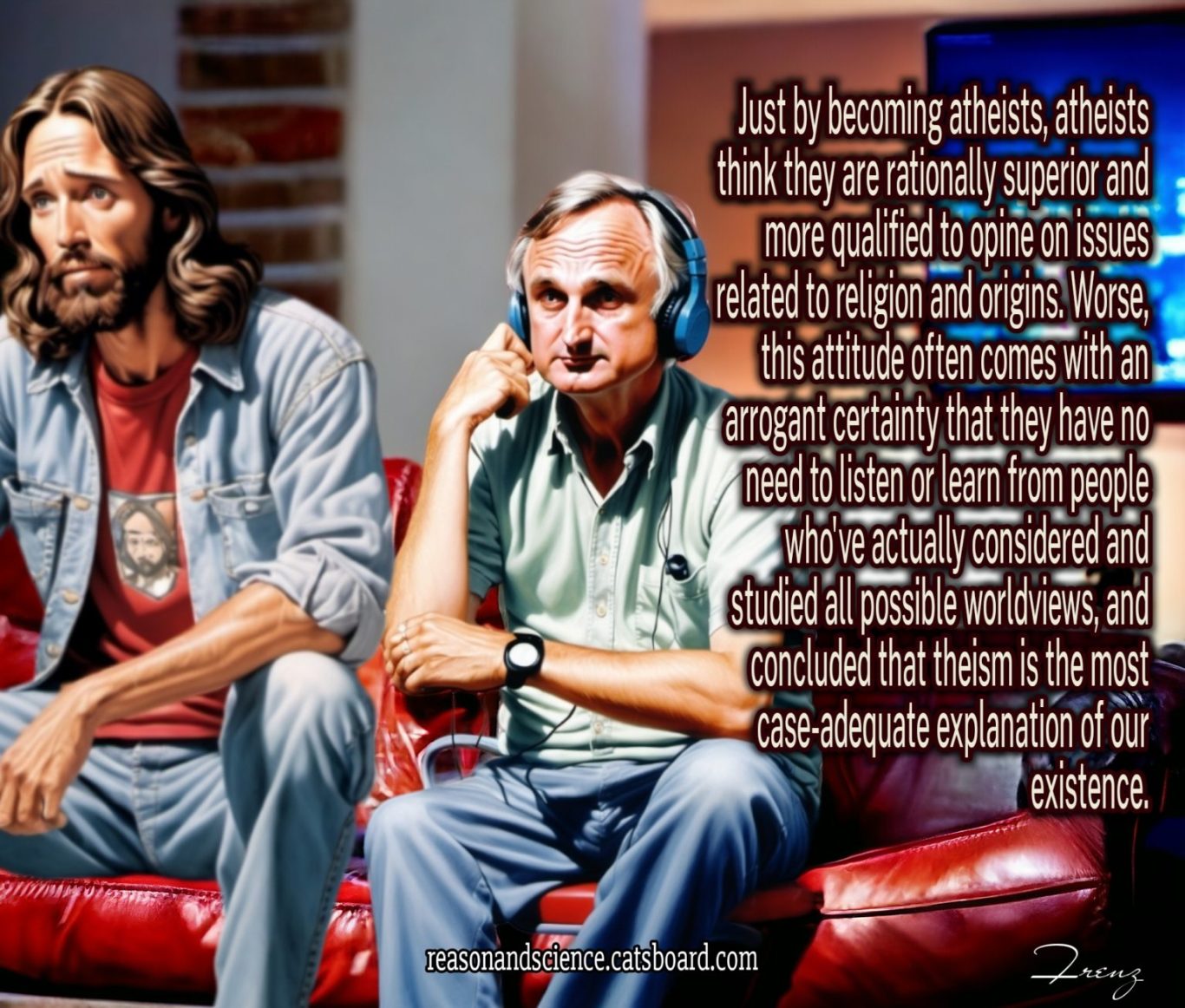
This argument reflects a well‑documented pattern in modern atheism — the assumption of intellectual superiority and the dismissal of opposing worldviews without fair examination. Scripture, Christian philosophy, and history all affirm that this attitude is not genuine rationality but a form of pride that blinds the mind to truth.
Let’s examine this carefully.
1. The Illusion of Rational Superiority
The image’s first claim — that atheists often believe themselves more rational or intellectually qualified simply because they are atheists — is consistent with what GotQuestions.org describes in its article “Are Atheists More Intelligent than Believers?” ([2]).
That article explains that while many atheists are highly educated, education and intelligence are not the same as wisdom. True wisdom begins with reverence for God, not with rejection of Him:
“The fear of the Lord is the beginning of knowledge: but fools despise wisdom and instruction.” — Proverbs 1:7
“Professing themselves to be wise, they became fools.” — Romans 1:22
“The wisdom of this world is foolishness with God.” — 1 Corinthians 3:19
Atheists like Richard Dawkins or Sam Harris often claim that disbelief in God is the mark of an enlightened mind. But as GotQuestions.org notes, the problem is not lack of intelligence — it is spiritual blindness caused by sin (1 Corinthians 2:14).
“The problem is not that the atheist does not see enough evidence for God. The problem is that sin has so darkened his heart and mind that he refuses to accept the evidence of God right in front of him.” — GotQuestions.org ([2])
2. The Arrogance of Assuming One’s Own Neutrality
The image’s second point — that atheists often display arrogant certainty and refuse to learn from others — highlights a deeper philosophical error: the assumption that atheism is a neutral or default position.
But as Tabletalk Magazine’s article “The Signature in the Cell” ([1]) explains, atheism is itself a metaphysical belief system that interprets all evidence through a naturalistic lens. It is not neutral; it is a worldview that excludes God by definition.
This leads to intellectual arrogance — the belief that only the atheist’s interpretation of evidence is “rational,” while all others are “faith‑based.” Yet every worldview, including atheism, rests on unprovable assumptions.
“There is a way which seemeth right unto a man, but the end thereof are the ways of death.” — Proverbs 14:12
“Be not wise in thine own eyes: fear the Lord, and depart from evil.” — Proverbs 3:7
“Seest thou a man wise in his own conceit? there is more hope of a fool than of him.” — Proverbs 26:12
The refusal to consider theistic explanations — despite their philosophical and scientific coherence — is not rational humility but intellectual pride.
3. The Refusal to Learn from Those Who Have Studied
The image rightly observes that many atheists dismiss the insights of scholars, philosophers, and scientists who have examined the evidence and concluded that theism best explains reality.
From Augustine and Aquinas to C.S. Lewis and Alvin Plantinga, countless brilliant minds have found theism intellectually satisfying and evidentially grounded. Yet many atheists reject such thinkers out of hand, assuming that belief in God is inherently irrational.
This attitude mirrors the biblical description of those who “despise wisdom and instruction” (Proverbs 1:7). It is not that atheists cannot learn, but that pride often prevents them from doing so.
“When pride cometh, then cometh shame: but with the lowly is wisdom.” — Proverbs 11:2
“He that refuseth instruction despiseth his own soul.” — Proverbs 15:32
“Ever learning, and never able to come to the knowledge of the truth.” — 2 Timothy 3:7
4. True Rationality Requires Humility Before God
The Bible teaches that true rationality begins with humility — recognizing that human reason is finite and dependent on the Creator.
“The fear of the Lord is the beginning of wisdom: and the knowledge of the holy is understanding.” — Proverbs 9:10
“Trust in the Lord with all thine heart; and lean not unto thine own understanding.” — Proverbs 3:5
“For my thoughts are not your thoughts, neither are your ways my ways, saith the Lord.” — Isaiah 55:8
Atheism, by contrast, elevates human reason to the highest authority, effectively making the mind its own god. This is the same temptation that led to the Fall (Genesis 3:5). The result is not enlightenment but estrangement from truth.
5. The Christian Response
Christians should not respond with contempt but with gentle, informed reasoning. As GotQuestions.org reminds us, Christianity is a reasonable faith, grounded in evidence and history, and believers are called to engage with humility and confidence.
“Be ready always to give an answer to every man that asketh you a reason of the hope that is in you with meekness and fear.” — 1 Peter 3:15
“In meekness instructing those that oppose themselves; if God peradventure will give them repentance to the acknowledging of the truth.” — 2 Timothy 2:25
6. Conclusion
The argument in the image is biblically and philosophically sound:
Many atheists assume rational superiority simply because of their disbelief.
This attitude often leads to arrogance and unwillingness to learn from those who have studied the evidence deeply.
True wisdom and rationality begin with humility before God, not with self‑exaltation.
“The fear of the Lord is the beginning of knowledge.” — Proverbs 1:7
“Professing themselves to be wise, they became fools.” — Romans 1:22
“Humble yourselves therefore under the mighty hand of God, that he may exalt you in due time.” — 1 Peter 5:6
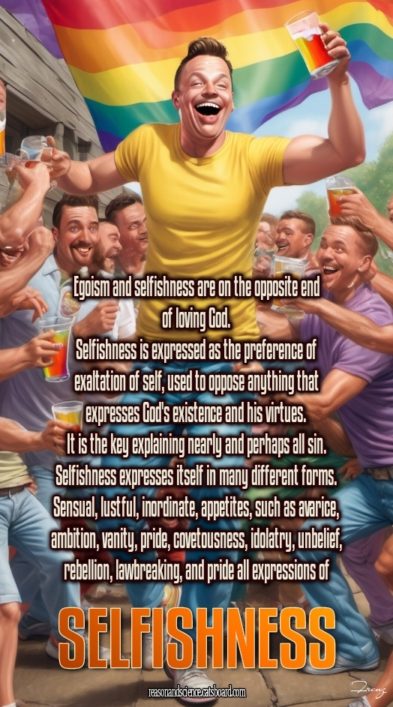
This argument is deeply consistent with biblical teaching and historic Christian theology. Scripture repeatedly identifies selfishness (self‑exaltation) as the root of sin — the opposite of loving God and neighbor. It is the inward turning of the heart toward self rather than toward the Creator.
Let’s examine this carefully through Scripture and sound doctrine.
1. Selfishness as the Opposite of Loving God
The greatest commandment, according to Jesus, is to love God wholeheartedly and to love one’s neighbor as oneself (Matthew 22:37–39). Selfishness directly opposes this command because it replaces love for God with love for self.
“Thou shalt love the Lord thy God with all thy heart, and with all thy soul, and with all thy mind.” — Matthew 22:37
“For men shall be lovers of their own selves… lovers of pleasures more than lovers of God.” — 2 Timothy 3:2, 4
“No man can serve two masters… Ye cannot serve God and mammon.” — Matthew 6:24
As GotQuestions.org explains in its article “What Does the Bible Say About Selfishness?” ([1]), selfishness is “prioritizing one’s own interests over those of others,” and it is the opposite of the humility and love that characterize those united with Christ.
“Do nothing from selfishness or empty conceit, but with humility of mind regard one another as more important than yourselves.” — Philippians 2:3–4 (see also [1])
Thus, egoism and selfishness are not minor flaws — they are the very antithesis of loving God.
2. Self‑Exaltation as Opposition to God
The image’s statement that selfishness “prefers the exaltation of self” and therefore opposes God’s existence and virtues is also biblically accurate. The essence of sin is the desire to replace God with self — to claim independence from His authority.
This was the sin of Lucifer, who said, “I will ascend above the heights of the clouds; I will be like the most High” (Isaiah 14:14), and it was the same temptation offered to Adam and Eve: “Ye shall be as gods” (Genesis 3:5).
“Pride goeth before destruction, and an haughty spirit before a fall.” — Proverbs 16:18
“God resisteth the proud, but giveth grace unto the humble.” — James 4:6
“They changed the truth of God into a lie, and worshipped and served the creature more than the Creator.” — Romans 1:25
Selfishness, then, is not merely a moral weakness; it is rebellion against God’s rightful rule. It seeks to enthrone self where only God belongs.
3. Selfishness as the Root of All Sin
The image’s claim that selfishness “explains nearly or perhaps all sin” is supported by Scripture and Christian moral theology. Every sin involves choosing one’s own desires over God’s will — the essence of selfishness.
As GotQuestions.org notes ([1]):
“Selfishness ruins friendships (Proverbs 18:1), hinders prayer (James 4:3), and is the product of earthly wisdom (James 3:13–14). It leads to disorder and every evil practice (James 3:16).”
Paul lists “selfish ambition” among the works of the flesh (Galatians 5:20), and James identifies it as the source of conflict and sin:
“For where envying and strife is, there is confusion and every evil work.” — James 3:16
“From whence come wars and fightings among you? come they not hence, even of your lusts that war in your members?” — James 4:1
“Ye ask, and receive not, because ye ask amiss, that ye may consume it upon your lusts.” — James 4:3
Thus, selfishness is not one sin among many — it is the root from which all others grow.
4. The Many Faces of Selfishness
The image lists various manifestations of selfishness — sensuality, lust, greed, ambition, vanity, pride, covetousness, idolatry, unbelief, rebellion, and lawbreaking. Scripture confirms that all these sins flow from the same self‑centered heart.
Sensual and lustful appetites: “For all that is in the world, the lust of the flesh, and the lust of the eyes, and the pride of life, is not of the Father.” — 1 John 2:16
Avarice and covetousness: “The love of money is the root of all evil.” — 1 Timothy 6:10
Ambition and pride: “Let nothing be done through strife or vainglory.” — Philippians 2:3
Idolatry and unbelief: “Little children, keep yourselves from idols.” — 1 John 5:21
Rebellion and lawbreaking: “Sin is the transgression of the law.” — 1 John 3:4
All of these are expressions of the same inward disposition — the self enthroned in place of God.
5. The Cure: Christlike Humility and Love
The only remedy for selfishness is the transforming grace of Christ. He is the perfect model of self‑giving love:
“Let this mind be in you, which was also in Christ Jesus: who, being in the form of God… made himself of no reputation, and took upon him the form of a servant.” — Philippians 2:5–7
“Greater love hath no man than this, that a man lay down his life for his friends.” — John 15:13
“Love seeketh not her own.” — 1 Corinthians 13:5
As GotQuestions.org concludes ([1]):
“Combating the sin of selfish ambition requires genuine humility… Being humble involves having a true perspective about ourselves in relation to God.”
Through repentance and the indwelling Spirit, believers are freed from the tyranny of self and enabled to love God and others rightly.
6. Conclusion
The argument in the image is biblically and theologically sound:
Egoism and selfishness are the opposite of loving God.
Self‑exaltation opposes God’s nature and truth.
Selfishness is the root of nearly all sin.
It manifests in countless forms of moral corruption.
The cure is Christlike humility and love.
“Turn my heart toward thy statutes, and not toward selfish gain.” — Psalm 119:36
“Be kindly affectioned one to another with brotherly love; in honour preferring one another.” — Romans 12:10
“He must increase, but I must decrease.” — John 3:30
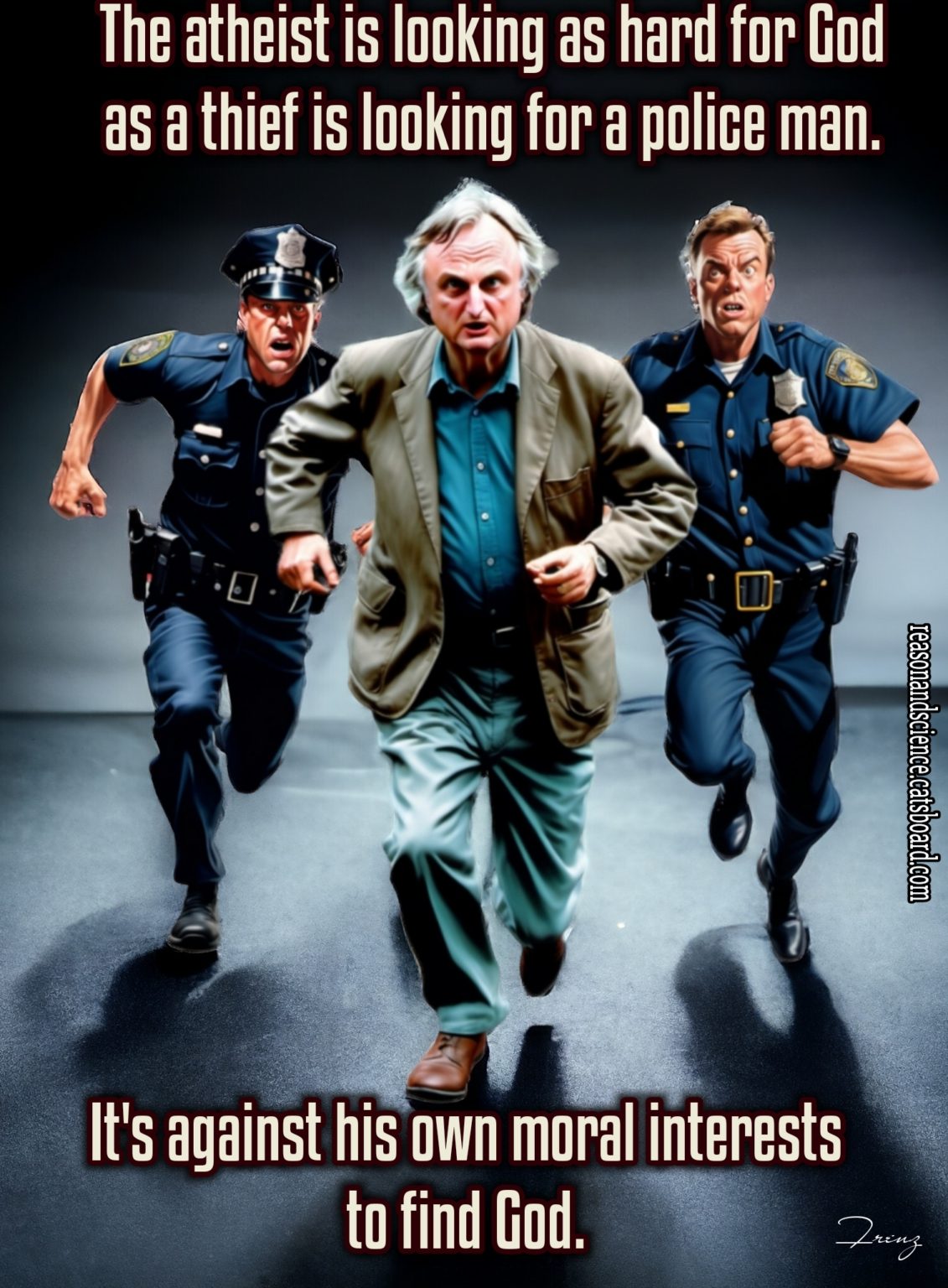
This argument is both vivid and profoundly biblical. It captures the essence of what Scripture teaches about unbelief: the atheist’s problem is not intellectual but moral. Just as a thief avoids the police because he knows he is guilty, so the sinner avoids God because God’s holiness exposes sin and demands repentance.
Let’s examine this carefully.
1. The Atheist’s “Search” for God
The image’s analogy — that the atheist looks for God as a thief looks for a police officer — illustrates the truth that unbelievers are not genuinely seeking God. Scripture explicitly says this:
“There is none that understandeth, there is none that seeketh after God.” — Romans 3:11
“The fool hath said in his heart, There is no God.” — Psalm 14:1
“They did not like to retain God in their knowledge.” — Romans 1:28
The problem is not that atheists cannot find God, but that they do not want to. As Ligonier Ministries explains in If There Is a God, Why Are There Atheists? ([2]), unbelief is not a neutral intellectual stance but a moral rebellion:
“The problem with the atheist, according to Paul, is that it’s not that the atheist doesn’t know God. The problem is he refuses to acknowledge what he knows to be true, and that is dishonest.”
Thus, the atheist’s “search” for God is often a search for reasons not to believe — a way to justify moral independence.
2. The Moral Conflict Behind Unbelief
The image’s second claim — that it is against the atheist’s moral interests to find God — is also biblically accurate. To acknowledge God’s existence is to acknowledge His authority, His law, and His judgment. That threatens the sinner’s desire for autonomy.
“And this is the condemnation, that light is come into the world, and men loved darkness rather than light, because their deeds were evil.” — John 3:19
“Everyone that doeth evil hateth the light, neither cometh to the light, lest his deeds should be reproved.” — John 3:20
“The carnal mind is enmity against God: for it is not subject to the law of God.” — Romans 8:7
As The Psychology of Atheism ([3]) explains, atheism is not primarily an intellectual conclusion but a moral escape:
“Atheists say that religion is constructed to meet deep psychological needs. Dr. Sproul turns the tables, showing atheism’s vested interest in rejecting God. He explains that the issue is not intellectual but moral: man suppresses the truth about God and seeks to live in unbounded freedom.”
In other words, belief in God would require moral accountability — something the rebellious heart resists.
3. The Desire for Autonomy
Atheism is often motivated by the desire to be one’s own authority. The atheist wants to live without divine oversight, to define right and wrong independently. This is the same temptation that led to humanity’s fall in Genesis 3:
“Ye shall be as gods, knowing good and evil.” — Genesis 3:5
“Every way of a man is right in his own eyes: but the Lord pondereth the hearts.” — Proverbs 21:2
“We will not have this man to reign over us.” — Luke 19:14
Thus, atheism is not freedom from belief; it is bondage to self — the enthronement of the creature in place of the Creator.
4. The Fear of Judgment
The atheist’s avoidance of God is also rooted in fear. Deep down, every person knows that God exists and that sin deserves judgment (Romans 2:14–15). To deny God is to silence that fear — at least temporarily.
“For the wrath of God is revealed from heaven against all ungodliness and unrighteousness of men, who hold [suppress] the truth in unrighteousness.” — Romans 1:18
“It is a fearful thing to fall into the hands of the living God.” — Hebrews 10:31
“They say unto God, Depart from us; for we desire not the knowledge of thy ways.” — Job 21:14
The atheist’s denial of God is therefore a form of moral self‑protection — an attempt to escape the discomfort of conscience and the fear of divine justice.
5. God Still Pursues the Sinner
Even though the sinner runs from God, God graciously pursues. The gospel is the story of the Shepherd seeking lost sheep who were not seeking Him.
“For the Son of man is come to seek and to save that which was lost.” — Luke 19:10
“We love him, because he first loved us.” — 1 John 4:19
“All day long I have stretched forth my hands unto a disobedient and gainsaying people.” — Romans 10:21
The thief may flee from the police, but the Good Shepherd goes after the lost until He finds them. That is the grace of God in Christ.
6. Conclusion
The argument in the image is biblically and theologically sound:
The atheist avoids God just as a thief avoids the police — not because God is hidden, but because His presence exposes guilt.
It is against the atheist’s moral interests to find God, since acknowledging Him means submitting to His authority and judgment.
Unbelief is not intellectual neutrality but moral rebellion, a suppression of truth to preserve autonomy.
“There is none that seeketh after God.” — Romans 3:11
“Men loved darkness rather than light, because their deeds were evil.” — John 3:19
“Seek ye the Lord while he may be found, call ye upon him while he is near.” — Isaiah 55:6
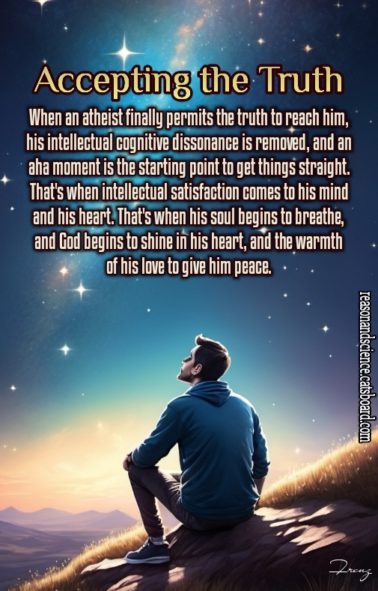
This captures what Scripture and Christian experience describe as conversion — when the truth of God finally breaks through unbelief, resolving the inner conflict between what a person knows deep down and what they have been denying. It is both an intellectual and spiritual awakening: the mind is enlightened, the heart is transformed, and the soul finds peace in God.
Let’s look at this step by step through the lens of Scripture and sound theology.
1. The Resolution of Cognitive Dissonance
The image’s first point — that when an atheist accepts “the truth,” their cognitive dissonance is resolved — reflects what happens when the mind finally aligns with reality. Scripture teaches that unbelief involves suppressing the truth (Romans 1:18). This suppression creates inner tension because the evidence of God is everywhere, yet the unbeliever must continually deny it.
When a person finally admits the truth, that tension is released. As Rich Suplita described in his testimony (From Atheist Activist to Christian Advocate, [1]), his militant atheism produced “cognitive dissonance” — a clash between his moral intuitions and his naturalistic worldview. When he began to read the Gospel of John, he said, “I recognized that this truth would require a life-changing response.”
That moment — when the mind yields to truth — is the beginning of peace.
“Ye shall know the truth, and the truth shall make you free.” — John 8:32
“The entrance of thy words giveth light; it giveth understanding unto the simple.” — Psalm 119:130
“God, who commanded the light to shine out of darkness, hath shined in our hearts.” — 2 Corinthians 4:6
2. The “Aha Moment” of Illumination
The image’s description of an “aha moment” corresponds to what Scripture calls illumination — when the Holy Spirit opens the eyes of the heart to see the truth of Christ.
“Then opened he their understanding, that they might understand the scriptures.” — Luke 24:45
“The natural man receiveth not the things of the Spirit of God… but he that is spiritual judgeth all things.” — 1 Corinthians 2:14–15
“For God, who commanded the light to shine out of darkness, hath shined in our hearts, to give the light of the knowledge of the glory of God in the face of Jesus Christ.” — 2 Corinthians 4:6
This is not merely an emotional experience; it is the moment when the mind and heart recognize that truth is personal — that Jesus Christ is the Truth (John 14:6).
As Ligonier Ministries teaches in The Truth Shines Through ([2]), “Reality shines through God’s design… grace and beauty, goodness and truth shining through.” When a person sees that reality, the dissonance between belief and reality disappears.
3. Intellectual Satisfaction and the Soul’s Freedom
The image’s statement that this brings “intellectual satisfaction” and allows the soul to “breathe” is profoundly true. Christianity does not require abandoning reason; it fulfills it. The mind finds rest when it finally acknowledges the Source of all truth.
“Thou wilt keep him in perfect peace, whose mind is stayed on thee.” — Isaiah 26:3
“Come unto me, all ye that labour and are heavy laden, and I will give you rest.” — Matthew 11:28
“Whom the Son sets free is free indeed.” — John 8:36
As Rich Suplita described, once he surrendered to Christ, his worldview became “cohesive and anchored,” and he experienced “a meaningful synthesis of mind and belief.” The intellect and the soul were no longer at war.
This is what Augustine meant when he prayed, “Our hearts are restless until they rest in Thee.”
4. God Shining in the Heart
Finally, the image’s statement that “God begins to shine in the person’s heart, providing the warmth of His love and peace” perfectly echoes the biblical description of regeneration — when the Holy Spirit brings spiritual life to the soul.
“For God, who commanded the light to shine out of darkness, hath shined in our hearts.” — 2 Corinthians 4:6
“The love of God is shed abroad in our hearts by the Holy Ghost which is given unto us.” — Romans 5:5
“The peace of God, which passeth all understanding, shall keep your hearts and minds through Christ Jesus.” — Philippians 4:7
This is not mere intellectual assent; it is the transformation of the whole person. The mind is enlightened, the heart is warmed, and the will is turned toward God. The person who once resisted Him now delights in His presence.
5. Conclusion
The argument in the image is biblically and experientially sound:
When an atheist accepts the truth, the inner conflict of denial is resolved.
An “aha moment” of illumination begins the process of spiritual renewal.
Intellectual satisfaction and peace replace confusion and rebellion.
God’s light and love fill the heart, bringing warmth, joy, and rest.
This is the miracle of conversion — when the God who once seemed distant now dwells within.
“For ye were sometimes darkness, but now are ye light in the Lord: walk as children of light.” — Ephesians 5:8
“The Lord shall arise upon thee, and his glory shall be seen upon thee.” — Isaiah 60:2
“If any man be in Christ, he is a new creature: old things are passed away; behold, all things are become new.” — 2 Corinthians 5:17
A striking way of describing what Scripture and Christian philosophy identify as spiritual death joined with intellectual self‑deception. The phrase “Zombie worldview” vividly captures the biblical idea that unbelievers are spiritually dead while still walking and reasoning — alive physically, but cut off from the true source of life and truth, which is God Himself.
Let’s unpack this carefully.
1. The “Zombie Worldview”: Spiritually Alive in Body, Dead in Spirit
The image’s metaphor of a “Zombie worldview” — living yet dead — parallels the Bible’s description of humanity apart from Christ:
“And you hath he quickened, who were dead in trespasses and sins.” — Ephesians 2:1
“She that liveth in pleasure is dead while she liveth.” — 1 Timothy 5:6
“To be carnally minded is death; but to be spiritually minded is life and peace.” — Romans 8:6
Before salvation, people are physically alive but spiritually dead — disconnected from the life of God. They may think, reason, and act, but their worldview lacks the true foundation of life and meaning.
As Stand to Reason’s article “Finding Truth: Why Worldviews Commit Suicide” ([3]) explains, when someone builds their worldview on naturalism — denying the Creator — they end up undermining the very rationality they claim to defend. Without God, there is no basis for reason, morality, or human dignity.
“A rigorously naturalistic account of the human mind entails a much more skeptical view of human knowledge than is commonly acknowledged.” — Finding Truth ([3])
Thus, the “Zombie worldview” is one that moves and thinks but has no living soul — it borrows meaning and rationality from the Christian worldview while denying its Source.
2. The Desperation to Maintain the Illusion
The image’s claim that atheists are “desperate to maintain” this worldview, even at the cost of intellectual honesty, reflects what Scripture calls suppression of the truth.
“For the wrath of God is revealed from heaven against all ungodliness and unrighteousness of men, who hold [suppress] the truth in unrighteousness.” — Romans 1:18
“Because that, when they knew God, they glorified him not as God, neither were thankful; but became vain in their imaginations, and their foolish heart was darkened.” — Romans 1:21
“Ever learning, and never able to come to the knowledge of the truth.” — 2 Timothy 3:7
As Tabletalk Magazine’s article “Be Prepared” ([2]) explains, atheists must “actively suppress what they know to be true about the existence of God.” This suppression requires constant effort — a kind of intellectual and moral denial that leads to self‑contradiction.
Nancy Pearcey, in Finding Truth, calls this “worldview suicide”: when a person’s philosophy destroys the very tools it relies on. Atheists claim to be rational, yet their worldview cannot account for rationality itself.
“If the human mind has evolved in obedience to the imperatives of survival, what reason is there for thinking that it can acquire knowledge of reality?” — Finding Truth ([3])
This is why the image describes atheists as “desperate” — because to abandon their worldview would mean admitting that their entire foundation for meaning, morality, and identity must be rebuilt on God.
3. The Cost of Intellectual Dishonesty
The image’s final claim — that atheists maintain their worldview “at the expense of their own intellectual honesty” — is tragically true. When someone denies the Creator while using the reasoning faculties He gave them, they live in contradiction.
“Professing themselves to be wise, they became fools.” — Romans 1:22
“The fool hath said in his heart, There is no God.” — Psalm 14:1
“They are wise to do evil, but to do good they have no knowledge.” — Jeremiah 4:22
As Amy K. Hall wrote in “If Naturalistic Evolution Is True, People Are Not Equal” ([1]), atheists often resist the label “worldview” because it implies constraints on their thinking — yet every worldview has consequences. To deny God’s existence while affirming moral equality, rationality, or purpose is to borrow from the Christian worldview while rejecting its foundation.
This is intellectual inconsistency — what the image calls “sacrificing honesty.” It’s not that atheists are unintelligent; it’s that their worldview cannot sustain the truths they live by.
4. The Only Cure: New Life in Christ
The only way out of the “Zombie worldview” is not more information but regeneration — new life through Christ.
“Even when we were dead in sins, [God] hath quickened us together with Christ.” — Ephesians 2:5
“If any man be in Christ, he is a new creature: old things are passed away; behold, all things are become new.” — 2 Corinthians 5:17
“I am come that they might have life, and that they might have it more abundantly.” — John 10:10
Only when the heart is made alive by the Spirit does the mind see clearly and the soul find peace. The living God replaces the dead logic of atheism with the living truth of His Word.
5. Conclusion
The argument in the image is biblically and philosophically sound:
The “Zombie worldview” describes the spiritually dead condition of unbelief — moving but lifeless, thinking but disconnected from truth.
Atheists cling to this worldview because admitting God’s existence would require moral and spiritual surrender.
This leads to intellectual dishonesty, as they suppress the truth and live in contradiction.
Only Christ can bring life, restoring both reason and soul to their rightful harmony in God.
“And you hath he quickened, who were dead in trespasses and sins.” — Ephesians 2:1
“The light shineth in darkness; and the darkness comprehended it not.” — John 1:5
“Awake thou that sleepest, and arise from the dead, and Christ shall give thee light.” — Ephesians 5:14
This image uses Jesus’ teaching in Matthew 12:33 — “Either make the tree good, and his fruit good; or else make the tree corrupt, and his fruit corrupt: for the tree is known by his fruit” — as a metaphor to evaluate the moral and spiritual results of atheism.
In Scripture, the “tree” represents a person’s inner nature, and the “fruit” represents the visible outcome of that nature — words, actions, and attitudes.
Let’s look at what this means biblically and how it applies to the argument in the image.
1. The Meaning of Matthew 12:33
According to GotQuestions.org’s article “What is the meaning of ‘make the tree good’ in Matthew 12:33?” ([1]), Jesus used this image to expose the hypocrisy of the Pharisees, who accused Him of working by Satan’s power even after witnessing His miracles.
The “tree” symbolizes the heart; the “fruit” symbolizes behavior. A good heart produces good fruit; a corrupt heart produces evil fruit.
“A healthy (good) tree naturally produces good fruit, while a diseased (bad) tree produces bad fruit. The condition of the tree determines the quality of its fruit. Metaphorically, the ‘tree’ represents a person’s inner nature—what is inside a person, his heart, mind, and motivations.” — GotQuestions.org ([1])
Jesus’ point was that outward actions reveal inward reality. True goodness flows from a heart transformed by God, not from external appearances or intellectual claims.
2. The “Atheist’s Tree” as a Symbol
By labeling the image “THE ATHEIST’S TREE” and depicting rotting or monstrous fruit, the creator of the image is applying Jesus’ principle to the worldview of atheism.
The argument is that a worldview denying God — the source of life, truth, and morality — inevitably produces corrupt fruit: moral confusion, spiritual emptiness, and cultural decay.
This is consistent with Jesus’ warning in Matthew 7:17–20:
“Even so every good tree bringeth forth good fruit; but a corrupt tree bringeth forth evil fruit.
A good tree cannot bring forth evil fruit, neither can a corrupt tree bring forth good fruit.
Every tree that bringeth not forth good fruit is hewn down, and cast into the fire.
Wherefore by their fruits ye shall know them.” — Matthew 7:17–20
As Precept Austin notes in its commentary on this passage ([3]), “The Christian should resemble a fruit tree, not a Christmas tree.” In other words, genuine life in God produces fruit naturally from within, while a lifeless worldview can only display artificial or decaying results.
3. The Fruit of Atheism
When a worldview denies the Creator, it severs itself from the very foundation of goodness and meaning. Scripture describes this moral and intellectual decay:
“The fool hath said in his heart, There is no God. They are corrupt, they have done abominable works.” — Psalm 14:1
“Professing themselves to be wise, they became fools.” — Romans 1:22
“Being alienated from the life of God through the ignorance that is in them, because of the blindness of their heart.” — Ephesians 4:18
Without God, there is no ultimate standard for truth or morality. The “fruit” of such a worldview often manifests as self‑centeredness, moral relativism, and despair — the spiritual equivalents of rotten fruit.
As Ligonier Ministries explains in its sermon “Good & Bad Fruit” ([2]), “There is no middle ground in the spiritual life: you are either regenerate or unregenerate, a sheep or a goat, and true status is discerned by what is produced from the heart rather than by outward professing alone.”
By that standard, atheism — which rejects the regenerating work of God — can only produce fruit consistent with a heart separated from Him.
4. The Contrast: The Tree Made Good
Jesus’ command to “make the tree good” (Matthew 12:33) points to the necessity of inner transformation. No one can produce good fruit apart from a changed heart.
“A new heart also will I give you, and a new spirit will I put within you.” — Ezekiel 36:26
“If any man be in Christ, he is a new creature: old things are passed away; behold, all things are become new.” — 2 Corinthians 5:17
“Abide in me, and I in you. As the branch cannot bear fruit of itself, except it abide in the vine.” — John 15:4
Only through repentance and faith in Christ can the “tree” — the human heart — be made good, producing fruit that reflects God’s character: love, joy, peace, and righteousness (Galatians 5:22–23).
5. Conclusion
The argument in the image is biblically grounded:
Matthew 12:33 teaches that a tree’s fruit reveals its nature.
The “Atheist’s Tree” metaphor applies this to a worldview that rejects God, suggesting that such a worldview naturally bears corrupt fruit.
Scripture confirms that unbelief leads to moral and spiritual decay, while faith in Christ produces life and goodness.
The remedy is not intellectual pride but heart transformation through the gospel.
“Either make the tree good, and his fruit good.” — Matthew 12:33
“Wherefore by their fruits ye shall know them.” — Matthew 7:20
“Herein is my Father glorified, that ye bear much fruit; so shall ye be my disciples.” — John 15:8
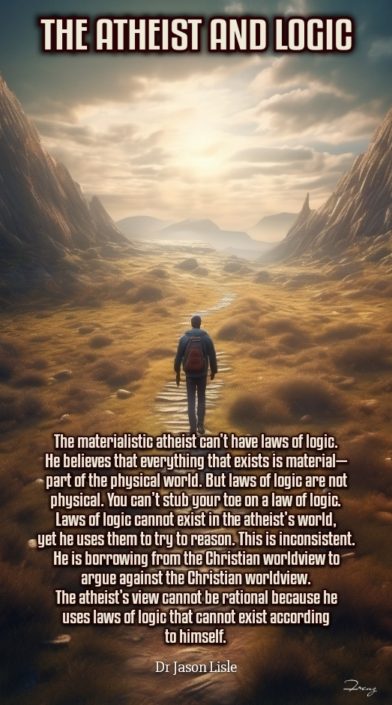
This summary accurately reflects Dr. Jason Lisle’s transcendental argument for the existence of God, which is a form of presuppositional apologetics. His reasoning is that atheism cannot account for the very tools of rational thought — such as logic, morality, and the uniformity of nature — because these are immaterial, universal, and unchanging realities that only make sense if they are grounded in the eternal, rational nature of God.
Let’s examine this argument biblically and philosophically.
1. The Core of the Argument
Dr. Lisle’s claim is that materialistic atheism is self‑refuting because it denies the existence of anything beyond the physical world, yet it must use non‑physical laws of logic to reason.
As GotQuestions.org explains in its article “What is the transcendental argument for the existence of God?” ([1]):
“The transcendental argument for the existence of God maintains that logic, morals, and science presuppose the theistic worldview and that God’s transcendent, immaterial nature provides the source of these universal standards. Without God, universal laws could not be justified, making rational inquiry impossible.”
In other words, if everything is merely matter in motion, then abstract, immaterial laws — such as the law of non‑contradiction — cannot exist. Yet atheists use those very laws every time they argue or think logically. This is the inconsistency Lisle highlights.
2. The Nature of the Laws of Logic
The laws of logic are immaterial, universal, and invariant — they apply everywhere and at all times. They are not made of atoms or energy; they are not located in space; and they do not change.
Immaterial: You cannot weigh or measure the law of non‑contradiction.
Universal: It applies in every place and circumstance.
Invariant: It does not evolve or decay over time.
These characteristics reflect the nature of the God of Scripture — eternal, unchanging, and omnipresent.
“For I am the Lord, I change not.” — Malachi 3:6
“With whom is no variableness, neither shadow of turning.” — James 1:17
“In the beginning was the Word [Greek: Logos], and the Word was with God, and the Word was God.” — John 1:1
The Greek term Logos (meaning “Word,” “Reason,” or “Logic”) shows that rational order itself flows from God’s nature. The laws of logic are not human inventions; they are reflections of the divine mind.
3. The Atheist’s Inconsistency
If an atheist insists that only matter exists, then logic — being immaterial — cannot exist in that worldview. Yet atheists use logic constantly to argue against God.
As GotQuestions.org explains ([1]):
“If the laws of logic are merely man‑made conventions, then different cultures could adopt different laws of logic. In that case, the laws of logic would not be universal laws. Rational debate would be impossible if the laws of logic were conventional.”
Therefore, when atheists use logic, they are borrowing from the Christian worldview — appealing to something that only makes sense if God exists. This is what Lisle means when he says atheists are “standing on Christian ground” while arguing against it.
“The fool hath said in his heart, There is no God.” — Psalm 14:1
“Professing themselves to be wise, they became fools.” — Romans 1:22
“In him we live, and move, and have our being.” — Acts 17:28
Without God, there is no rational basis for logic, morality, or science. Atheism must borrow these from theism to function — which makes it internally inconsistent.
4. The Christian Foundation for Logic
The Christian worldview provides a coherent foundation for logic because it is grounded in the unchanging character of God.
As GotQuestions.org explains in “What is a Christian view of reason?” ([2]):
“The laws of logic are immaterial, immutable, and transcendent reflections of God’s character… they are discovered rather than invented. The Christian perspective has the answer: the laws of logic are simply a reflection of the thoughts and logical character of God.”
Thus, logic is possible because the universe is rationally ordered by a rational Creator, and human beings — made in His image — are capable of rational thought.
“Come now, and let us reason together, saith the Lord.” — Isaiah 1:18
“God is not the author of confusion.” — 1 Corinthians 14:33
“He is before all things, and by him all things consist.” — Colossians 1:17
The consistency of logic, mathematics, and science all testify to the faithfulness of God’s nature.
5. The Consequence: Atheism Is Irrational
Dr. Lisle’s conclusion — that atheism is irrational — follows logically from these premises. If a worldview cannot account for the very tools it uses to reason, it collapses under its own weight.
As GotQuestions.org summarizes ([1]):
“The transcendental argument concludes that atheism is self‑refuting, because the atheist must presuppose the opposite of what he is attempting to prove in order to prove anything. Rationality and logic make sense only within a theistic framework.”
This is not an insult to atheists’ intelligence; it is a critique of their worldview’s internal coherence. The atheist can use logic, but only because he lives in a universe created and sustained by the God he denies.
6. Conclusion
The argument in the image — as articulated by Dr. Jason Lisle — is biblically and philosophically sound:
Atheism claims that only the material exists.
Logic is immaterial, universal, and unchanging.
Therefore, logic cannot exist in a purely materialistic worldview.
When atheists use logic, they borrow from the Christian worldview.
Hence, atheism is internally inconsistent and irrational.
“In the beginning was the Word [Logos].” — John 1:1
“For the Lord giveth wisdom: out of his mouth cometh knowledge and understanding.” — Proverbs 2:6
“The fear of the Lord is the beginning of wisdom.” — Proverbs 9:10
Only in the God of Scripture — eternal, rational, and unchanging — do the laws of logic, and therefore all reasoning, find their true foundation.
This image draws directly from Matthew 3:10, using the verse’s imagery of a fruitless or corrupt tree to symbolize the moral and spiritual consequences of atheism. The skull‑like “fruit” visually represents death and decay — the ultimate outcome of a worldview that rejects the living God.
Let’s unpack this biblically and theologically.
1. The Meaning of Matthew 3:10
“And now also the axe is laid unto the root of the trees: therefore every tree which bringeth not forth good fruit is hewn down, and cast into the fire.” — Matthew 3:10 (KJV)
In this passage, John the Baptist warns Israel’s religious leaders that mere heritage or outward religion cannot save them. Genuine repentance must produce good fruit — righteous deeds flowing from a transformed heart.
As GotQuestions.org explains in its article “What does it mean that every tree that does not bear fruit is cut down?” ([1]):
“John insists that true repentance involves a changed mind and lifestyle—the fruits of repentance—since mere sorrow without corresponding deeds shows a dead faith. Every tree that does not bear good fruit is cut down and thrown into the fire.”
The “tree” represents a person or a worldview; the “fruit” represents the visible results of that inner nature. A good tree produces good fruit; a corrupt tree produces bad fruit. The fire symbolizes divine judgment.
2. The “Atheist’s Tree” and Its Fruit
By labeling the image “FRUIT FROM THE ATHEIST’S TREE” and depicting skull‑like, decaying fruit, the creator of the image is applying John’s warning to the atheistic worldview. The argument is that when a worldview denies God — the source of life, truth, and morality — it inevitably produces death, both spiritual and moral.
This parallels Jesus’ teaching in Matthew 7:17–19:
“Even so every good tree bringeth forth good fruit; but a corrupt tree bringeth forth evil fruit.
A good tree cannot bring forth evil fruit, neither can a corrupt tree bring forth good fruit.
Every tree that bringeth not forth good fruit is hewn down, and cast into the fire.”
As Precept Austin notes in its commentary on this passage ([2]):
“Jesus moves from the fruit to the fate of the rotten tree… No bad, rotten, or worthless ‘tree’ is allowed to continue producing bad fruit.”
The skull imagery, therefore, symbolizes the rottenness and death that result when a person or culture cuts itself off from God — the true source of life.
3. The Fruit of a God‑Rejecting Worldview
Scripture consistently teaches that rejecting God leads to corruption and death — not only physical death but moral and spiritual decay.
“The fool hath said in his heart, There is no God. They are corrupt, they have done abominable works.” — Psalm 14:1
“Professing themselves to be wise, they became fools.” — Romans 1:22
“For the wages of sin is death.” — Romans 6:23
When people deny the Creator, they lose the foundation for truth, goodness, and meaning. The “fruit” of such a worldview often manifests as moral relativism, despair, and self‑destruction — the spiritual equivalent of the skull‑like fruit in the image.
As GotQuestions.org explains ([1]):
“Every sinner, from the most powerful leader to the lowest slave, must repent. If he does not bear fruit, he will be cut down and destroyed by fire. John’s message is clear: those who reject God’s call to repentance will face judgment and eternal punishment.”
4. The Contrast: The Tree of Life
In contrast to the “atheist’s tree,” Scripture speaks of the Tree of Life, symbolizing the life and blessing that come from God through Christ.
“Blessed is the man that trusteth in the Lord… For he shall be as a tree planted by the waters.” — Jeremiah 17:7–8
“I am the vine, ye are the branches: He that abideth in me, and I in him, the same bringeth forth much fruit.” — John 15:5
“To him that overcometh will I give to eat of the tree of life.” — Revelation 2:7
Where atheism produces death, faith in Christ produces life, righteousness, and fruit that endures forever.
5. Conclusion
The argument in the image is biblically sound and symbolically rich:
Matthew 3:10 warns that every fruitless tree will be cut down and burned — a picture of divine judgment.
The “Atheist’s Tree” represents a worldview severed from God, producing only death and corruption.
The skull‑like fruit symbolizes the inevitable outcome of rejecting the Source of life.
Only in Christ can the tree be made good and bear living fruit.
“Every tree that bringeth not forth good fruit is hewn down, and cast into the fire.” — Matthew 3:10
“The fool hath said in his heart, There is no God.” — Psalm 14:1
“I am come that they might have life, and that they might have it more abundantly.” — John 10:10

This image is using Matthew 3:10 as a metaphorical warning — applying John the Baptist’s words about fruitless trees to the atheist worldview. The skull‑like “fruit” symbolizes the moral and spiritual decay that results when a person or society rejects God, the source of life and goodness.
Let’s look at this carefully through Scripture and sound interpretation.
1. The Biblical Context of Matthew 3:10
“And now also the axe is laid unto the root of the trees: therefore every tree which bringeth not forth good fruit is hewn down, and cast into the fire.” — Matthew 3:10 (KJV)
In this passage, John the Baptist is confronting the religious leaders of Israel. They claimed spiritual privilege because of their ancestry, but John warns that God’s judgment is coming. Only those who truly repent and bear good fruit will escape destruction.
As GotQuestions.org explains in its article “What does it mean that every tree that does not bear fruit is cut down?” ([1]):
“John insists that true repentance involves a changed mind and lifestyle—the fruits of repentance—since mere sorrow without corresponding deeds shows a dead faith. Every tree that does not bear good fruit is cut down and thrown into the fire.”
The “tree” represents the inner nature of a person or worldview; the “fruit” represents the visible results of that nature. A good tree produces good fruit; a corrupt tree produces bad fruit. The “fire” represents divine judgment.
2. The “Atheist’s Tree” and Its Fruit
By labeling the image “FRUIT FROM THE ATHEIST’S TREE” and depicting skull‑like, decaying fruit, the creator of the image is applying John’s warning to atheism. The argument is that a worldview that denies God — the giver of life — can only produce death and corruption.
This parallels Jesus’ later teaching in Matthew 7:17–19:
“Even so every good tree bringeth forth good fruit; but a corrupt tree bringeth forth evil fruit.
A good tree cannot bring forth evil fruit, neither can a corrupt tree bring forth good fruit.
Every tree that bringeth not forth good fruit is hewn down, and cast into the fire.”
As Precept Austin notes in its commentary on this passage ([2]):
“Jesus moves from the fruit to the fate of the rotten tree… No bad, rotten, or worthless ‘tree’ is allowed to continue producing bad fruit.”
The skull imagery, therefore, is a visual representation of the rottenness and death that flow from a worldview cut off from God.
3. The Fruit of a God‑Rejecting Worldview
Scripture consistently teaches that rejecting God leads to moral and spiritual decay:
“The fool hath said in his heart, There is no God. They are corrupt, they have done abominable works.” — Psalm 14:1
“Professing themselves to be wise, they became fools.” — Romans 1:22
“For the wages of sin is death.” — Romans 6:23
When people deny the Creator, they lose the foundation for truth, morality, and meaning. The “fruit” of such a worldview often manifests as self‑centeredness, moral relativism, and despair — the spiritual equivalent of the skull‑like fruit in the image.
As GotQuestions.org explains ([1]):
“Every sinner, from the most powerful leader to the lowest slave, must repent. If he does not bear fruit, he will be cut down and destroyed by fire. John’s message is clear: those who reject God’s call to repentance will face judgment and eternal punishment.”
4. The Contrast: The Tree of Life
In contrast to the “atheist’s tree,” Scripture speaks of the Tree of Life, symbolizing the blessing and vitality that come from God through Christ:
“Blessed is the man that trusteth in the Lord… For he shall be as a tree planted by the waters.” — Jeremiah 17:7–8
“I am the vine, ye are the branches: He that abideth in me, and I in him, the same bringeth forth much fruit.” — John 15:5
“To him that overcometh will I give to eat of the tree of life.” — Revelation 2:7
Where unbelief produces death, faith in Christ produces life, righteousness, and fruit that endures forever.
5. Conclusion
The argument in the image is biblically consistent:
Matthew 3:10 warns that every fruitless tree will be cut down and burned — a picture of divine judgment.
The “Atheist’s Tree” symbolizes a worldview severed from God, producing only death and corruption.
The skull‑like fruit represents the inevitable outcome of rejecting the Source of life.
Only in Christ can the tree be made good and bear living fruit.
“Every tree that bringeth not forth good fruit is hewn down, and cast into the fire.” — Matthew 3:10
“The fool hath said in his heart, There is no God.” — Psalm 14:1
“I am come that they might have life, and that they might have it more abundantly.” — John 10:10
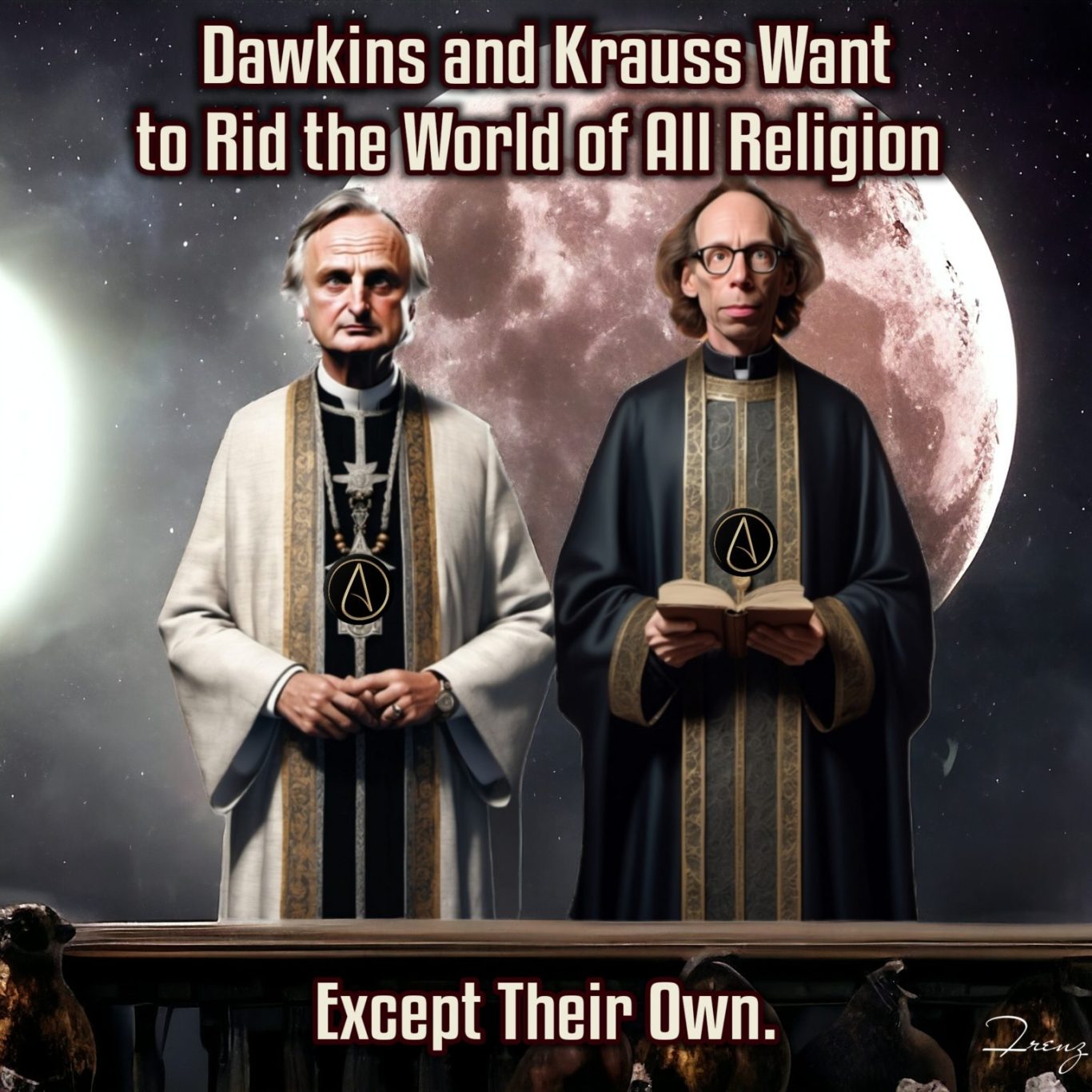
This image is making a pointed observation about the inconsistency of militant atheism—specifically, that while figures like Richard Dawkins and Lawrence Krauss claim to oppose all “religion,” they often promote a worldview that functions as a religion itself.
Let’s examine this argument carefully in light of Scripture and sound reasoning.
1. The Claim: “Rid the World of Religion”
Both Dawkins and Krauss have publicly stated that they wish to see religion eliminated. Dawkins, for example, wrote in The God Delusion that faith is a “virus of the mind,” and Krauss has said that teaching religion to children is a form of “child abuse.”
As Kerby Anderson notes in his article “The New Atheists” ([2]):
“Like Harris, Dawkins does not merely disagree with religious faith, but he disagrees with tolerating religious faith. He argues that religious people should not be allowed to teach these religious ‘myths’ to their children, which Dawkins calls the ‘colonization of the brains of innocent tykes.’”
Thus, the image accurately reflects their stated goal—to eradicate religion from human society.
2. The Irony: Atheism as Its Own “Religion”
The image’s second point—that Dawkins and Krauss make an exception for their own “religion”—is a critique of atheism’s religious characteristics. Though atheists deny belief in God, their worldview often functions religiously, complete with:
Creed: “There is no God; science explains everything.”
Prophets: Figures like Dawkins, Harris, and Krauss.
Evangelism: Campaigns and books aimed at “converting” believers.
Moral code: Secular humanism or naturalistic ethics.
Faith commitment: A belief that materialism alone can explain reality.
As Ligonier Ministries observes in “Has Science Got Rid of God?” ([1]):
“Richard Dawkins… may be the best-known atheist in the world… He claims that science has fulfilled the need that religion did in the past, of explaining things—why we are here, what is the origin of life, where did the world come from, what life is all about… science has the answers.”
But this claim is itself a faith statement—a belief that science can answer ultimate questions of meaning and morality, which are beyond its scope. In this sense, atheism becomes a religion of self and science.
3. The Biblical Perspective: Worship Is Inescapable
The Bible teaches that every human being is a worshiper. We are created to worship God, but when we reject Him, we inevitably worship something else—often ourselves or the created order.
“They changed the truth of God into a lie, and worshipped and served the creature more than the Creator.” — Romans 1:25
“The fool hath said in his heart, There is no God.” — Psalm 14:1
“Little children, keep yourselves from idols.” — 1 John 5:21
Atheism, therefore, does not eliminate worship; it simply redirects it. The atheist who claims to have no religion still places ultimate trust in human reason, science, or personal autonomy—making these his gods.
4. The Inconsistency of the “Religion-Free” Claim
The image highlights the hypocrisy of claiming to oppose all religion while practicing a worldview that functions religiously. Dawkins and Krauss reject traditional faiths but replace them with scientific materialism—a belief system that demands its own kind of faith.
As Ligonier’s article “The True Face of Evil” ([3]) points out, the new atheists often accuse religion of causing harm while ignoring the atrocities committed under atheistic regimes:
“The new atheists declare that we are all implicated in the ‘extremist’ forms of Christianity… Apart from the danger of taking our theology from atheists, let me point out unequivocally that Fred Phelps has nothing whatsoever to do with any form of biblical Christianity… The new atheists also forget the failures of atheism when it becomes state philosophy—Stalin, Mao, Pol Pot, Hitler, and Nietzsche.”
Thus, the “religion” of atheism has produced its own destructive fruit when enthroned as ultimate truth.
5. The True Alternative: Worship of the Living God
The Bible teaches that true freedom and truth are found not in rejecting worship but in directing it rightly—toward the Creator.
“Thou shalt worship the Lord thy God, and him only shalt thou serve.” — Matthew 4:10
“For of him, and through him, and to him, are all things: to whom be glory for ever.” — Romans 11:36
“The fear of the Lord is the beginning of wisdom.” — Proverbs 9:10
Christianity does not suppress reason or science; it provides the foundation for both. The rational order of creation and the human capacity for logic make sense only if the universe was designed by a rational Creator.
6. Conclusion
The argument in the image is both philosophically and biblically sound:
Dawkins and Krauss openly seek to eliminate religion.
Yet their own worldview functions as a religion, complete with faith assumptions, moral claims, and evangelistic zeal.
Atheism cannot escape worship—it merely redirects it from God to self or science.
True rationality and freedom come only from acknowledging and worshiping the living God.
“They profess that they know God; but in works they deny him.” — Titus 1:16
“They changed the glory of the incorruptible God into an image made like to corruptible man.” — Romans 1:23
“Thou shalt have no other gods before me.” — Exodus 20:3
This summary accurately reflects Dr. Elizabeth Mitchell’s argument, which is rooted in a biblical worldview. Her central claim is that no one is truly “non‑religious” because every person holds ultimate beliefs about God, morality, and meaning. Whether one affirms or denies God’s existence, that belief functions as the foundation of their worldview — shaping how they interpret reality.
Let’s examine this carefully through Scripture and sound theology.
1. “There Is No Such Thing as a Person Without a Religion”
Dr. Mitchell’s first point is that everyone has a religion — not necessarily in the sense of organized worship, but in the sense of having an ultimate commitment or authority that defines truth and morality. Even atheists, who deny the existence of God, hold to a set of beliefs about origins, purpose, and ethics.
As Ligonier Ministries explains in “Personal Bias” ([2]):
“If the God who is being affirmed is the Judaeo‑Christian God… the God who commands obedience to His law and threatens every human being with eternal judgment for sin, then if I am a sinner I have an invested interest that that God not exist.”
This shows that atheism is not neutral; it is a belief system motivated by moral and emotional commitments. The atheist’s “faith” is placed in naturalism — the idea that the material universe is all that exists.
The Bible affirms that every person is inherently religious because God created humanity in His image with an awareness of Him:
“That which may be known of God is manifest in them; for God hath shewed it unto them.” — Romans 1:19
“He hath set the world [eternity] in their heart.” — Ecclesiastes 3:11
“The fool hath said in his heart, There is no God.” — Psalm 14:1
Thus, even those who deny God are expressing a kind of faith — faith in their own reasoning or in the sufficiency of matter and chance.
2. “He That Is Not with Me Is Against Me” — Luke 11:23
Dr. Mitchell’s second point, referencing Luke 11:23, underscores that there is no neutral ground regarding Christ:
“He that is not with me is against me: and he that gathereth not with me scattereth.” — Luke 11:23 (KJV)
This verse appears in the context of Jesus’ response to those accusing Him of casting out demons by Satan’s power. As Tabletalk Magazine’s article “An Exorcism Is Not Enough” ([1]) explains:
“Seeing Jesus release people from the enemy’s grip demands that one ally himself with Jesus, or one will be set against Him… People will be home either to the Spirit of God or to the devil. No one can be an empty residence for long.”
Dr. Mitchell applies this principle to worldviews: every person is either aligned with Christ or opposed to Him. There is no “neutral” position. To reject Christ is, by default, to stand against Him.
This is consistent with Jesus’ own teaching:
“No man can serve two masters.” — Matthew 6:24
“He that believeth on the Son hath everlasting life: and he that believeth not the Son shall not see life.” — John 3:36
“Choose you this day whom ye will serve.” — Joshua 24:15
3. “Belief About God Shapes One’s View of Origins, Morality, and Meaning”
Dr. Mitchell’s third point is that one’s belief about God determines how they interpret origins, morality, and the meaning of life.
If a person believes in the Creator described in Genesis, then life has purpose, morality has an objective foundation, and human beings have inherent worth. But if one denies God, then existence is ultimately accidental and morality becomes subjective.
As CompellingTruth.org explains in “How does the moral argument support the existence of God?” ([3]):
“Without God, it is impossible to have objective moral values. Unless God exists, all that is left is mere emotive opinions… In order to ground an objective moral law, you need to have a transcendent source of those values.”
This means that belief in God is not a peripheral issue — it is the core that determines how a person understands everything else.
Scripture affirms this connection:
“In the beginning God created the heaven and the earth.” — Genesis 1:1
“The fear of the Lord is the beginning of wisdom.” — Proverbs 9:10
“For of him, and through him, and to him, are all things.” — Romans 11:36
Rejecting God leads to moral confusion and purposelessness; acknowledging Him brings coherence and meaning.
4. The Inescapable Choice
Dr. Mitchell’s argument ultimately calls for a decision: every person must choose whether to build their life on the foundation of Christ or on the shifting sands of unbelief. There is no middle ground.
“Whosoever shall confess that Jesus is the Son of God, God dwelleth in him, and he in God.” — 1 John 4:15
“If the Lord be God, follow him: but if Baal, then follow him.” — 1 Kings 18:21
“He that is not with me is against me.” — Luke 11:23
5. Conclusion
According to Dr. Elizabeth Mitchell’s reasoning:
Everyone has a religion, because everyone holds ultimate beliefs about God, truth, and morality.
There is no neutrality toward Christ — one is either for Him or against Him (Luke 11:23).
A person’s view of God determines their worldview, shaping how they interpret origins, morality, and the meaning of life.
This argument aligns perfectly with Scripture’s teaching that all people are accountable to God and that true understanding begins with acknowledging Him.
“The fear of the Lord is the beginning of knowledge.” — Proverbs 1:7
“He that is not with me is against me.” — Luke 11:23
“For of him, and through him, and to him, are all things: to whom be glory for ever. Amen.” — Romans 11:36
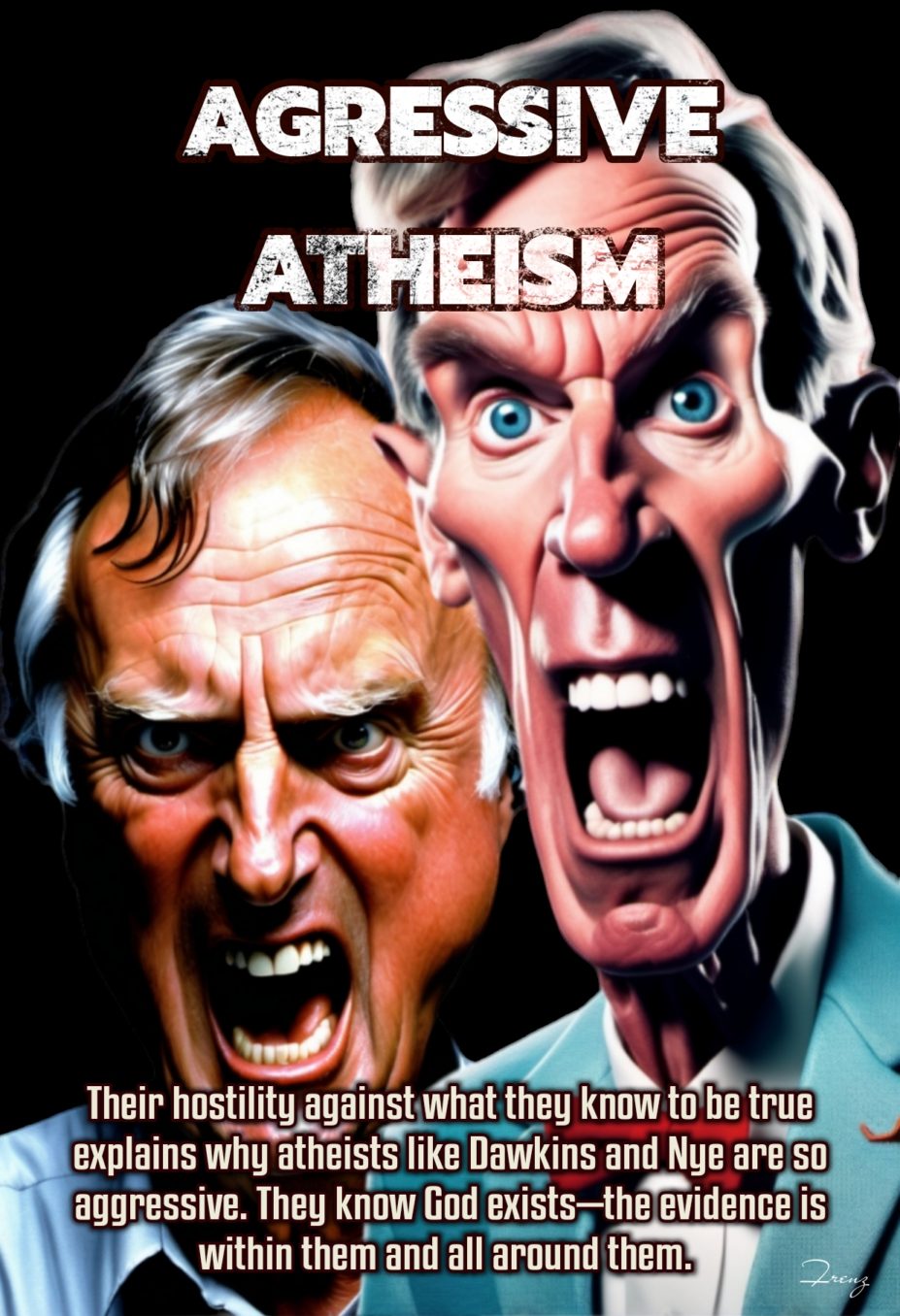
That summary captures the essence of the argument presented in the image. It reflects a biblically grounded explanation for the hostility often displayed by outspoken atheists such as Richard Dawkins and Bill Nye. The claim is not that they are ignorant of evidence for God, but rather that they are suppressing what they already know to be true — a truth written on their hearts and revealed in creation.
Let’s examine this carefully through Scripture and sound theology.
1. The Biblical Basis: Suppression of Truth
The argument that atheists “know God exists” but reject Him comes directly from Romans 1:18–21, where the Apostle Paul explains the universal knowledge of God and humanity’s moral rebellion:
“For the wrath of God is revealed from heaven against all ungodliness and unrighteousness of men, who hold [suppress] the truth in unrighteousness;
Because that which may be known of God is manifest in them; for God hath shewed it unto them.
For the invisible things of him from the creation of the world are clearly seen, being understood by the things that are made, even his eternal power and Godhead; so that they are without excuse.” — Romans 1:18–20 KJV
This passage teaches that knowledge of God is innate (“manifest in them”) and evident in creation (“clearly seen”). The problem, therefore, is not a lack of evidence but a willful suppression of it.
As Ligonier Ministries explains in “The Psychology of Atheism” ([1]):
“The problem with the atheist, according to Paul, is not that he doesn’t know God. The problem is that he refuses to acknowledge what he knows to be true, and that is dishonest.”
Thus, the hostility of militant atheists is not born of ignorance but of moral resistance to the truth that confronts them.
2. Hostility as a Reaction to Conviction
The image’s claim that atheists’ aggression stems from hostility toward what they know to be true fits the biblical pattern of rebellion against conviction. When truth exposes sin, the natural human response—apart from grace—is anger and defensiveness.
“And this is the condemnation, that light is come into the world, and men loved darkness rather than light, because their deeds were evil.” — John 3:19
“Everyone that doeth evil hateth the light, neither cometh to the light, lest his deeds should be reproved.” — John 3:20
“The carnal mind is enmity against God: for it is not subject to the law of God, neither indeed can be.” — Romans 8:7
This explains why some atheists respond to the gospel or to the idea of God with such intensity. Their anger is not merely intellectual disagreement; it is spiritual hostility toward the moral authority of God.
As Patrick Zukeran writes in “Challenging the New Atheists” ([2]):
“The new atheists believe that religions that embrace a belief in God, particularly Christianity, are not just irrational but dangerous and therefore must be extinguished… They are promoting their ideas very aggressively with strong, confrontational, and condemning language.”
This aggression, according to Scripture, is the outward expression of an inward conflict — the conscience testifying to the truth they deny.
3. The Evidence Within and Around Them
The image’s statement that “the evidence is within them and all around them” is also directly supported by Romans 1. God’s revelation is both internal (in the conscience) and external (in creation).
Internal Witness: The Conscience
“Which shew the work of the law written in their hearts, their conscience also bearing witness.” — Romans 2:15
“The spirit of man is the candle of the Lord.” — Proverbs 20:27
Every person has an inner awareness of God’s moral law, which points to a Lawgiver. The atheist must suppress this awareness to maintain unbelief.
External Witness: Creation
“The heavens declare the glory of God; and the firmament sheweth his handywork.” — Psalm 19:1
“He left not himself without witness, in that he did good, and gave us rain from heaven, and fruitful seasons.” — Acts 14:17
The order, beauty, and intelligibility of the universe testify to a rational Creator. As Tabletalk Magazine’s article “The Signature in the Cell” ([3]) explains, even the intricate design of DNA points unmistakably to intelligence:
“DNA is a digital, language‑like information store with sequence‑specific instructions for building proteins, a hallmark that cannot be explained by undirected chemistry or chance alone… Information‑bearing systems consistently arise from intelligent causes.”
Thus, the evidence for God is both internal (moral awareness) and external (creation’s design) — leaving unbelievers “without excuse.”
4. The Root Cause: Moral Rebellion, Not Intellectual Deficiency
The Bible consistently teaches that unbelief is not primarily an intellectual problem but a moral and spiritual rebellion.
“The fool hath said in his heart, There is no God.” — Psalm 14:1
“They did not like to retain God in their knowledge.” — Romans 1:28
“Because that, when they knew God, they glorified him not as God, neither were thankful.” — Romans 1:21
This is why atheists can be brilliant scientists or philosophers and yet reject the most obvious truth in the universe — the existence of their Creator. Their hostility is not against lack of evidence but against the implications of that evidence: accountability to a holy God.
5. The Hope: God’s Grace Can Overcome Suppression
While the image highlights the hostility of atheists, Scripture also reminds us that God’s grace can pierce even the hardest heart. The Apostle Paul himself was once a violent opponent of Christ (Acts 9:1–6), yet God’s mercy transformed him into a preacher of the gospel.
“For God, who commanded the light to shine out of darkness, hath shined in our hearts.” — 2 Corinthians 4:6
“The Lord is… not willing that any should perish, but that all should come to repentance.” — 2 Peter 3:9
“The goodness of God leadeth thee to repentance.” — Romans 2:4
Even those most hostile to God can be changed when the Spirit opens their eyes to the truth they have long resisted.
6. Conclusion
The argument in the image is biblically and theologically sound:
Militant atheists’ hostility arises from their moral resistance to the truth of God.
They know God exists, because His evidence is both within them (conscience) and around them (creation).
Their aggression is a symptom of suppressed truth, not intellectual superiority.
Only God’s grace can turn hostility into humble faith.
“For the invisible things of him from the creation of the world are clearly seen.” — Romans 1:20
“Men loved darkness rather than light, because their deeds were evil.” — John 3:19
“The fool hath said in his heart, There is no God.” — Psalm 14:1
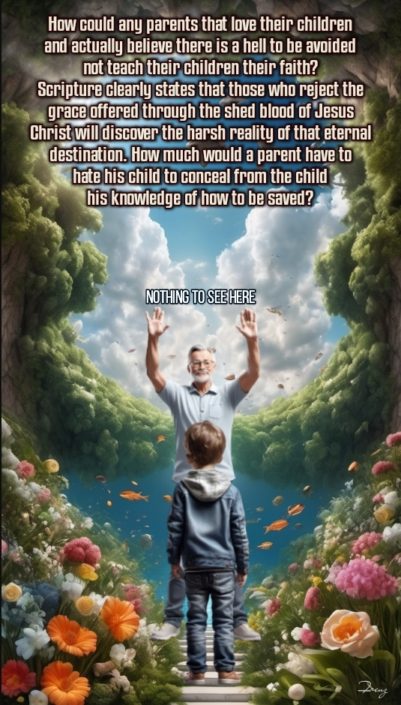
This summary accurately captures the argument presented in the image. It expresses a deeply biblical concern about the eternal responsibility of Christian parents to teach their children the gospel. The reasoning is that if hell is real (as Scripture clearly teaches), and salvation through Jesus Christ is the only way to escape it, then for a believing parent not to teach their children that truth would be an act of spiritual neglect — even hatred, in effect.
Let’s examine this carefully through Scripture and sound doctrine.
1. The Biblical Duty of Parents to Teach Their Children
The Bible repeatedly commands parents to instruct their children in the knowledge and fear of the Lord. This is not optional; it is a sacred duty.
“And these words, which I command thee this day, shall be in thine heart:
And thou shalt teach them diligently unto thy children, and shalt talk of them when thou sittest in thine house, and when thou walkest by the way, and when thou liest down, and when thou risest up.” — Deuteronomy 6:6–7
“Train up a child in the way he should go: and when he is old, he will not depart from it.” — Proverbs 22:6
“Fathers, provoke not your children to wrath: but bring them up in the nurture and admonition of the Lord.” — Ephesians 6:4
As Tabletalk Magazine’s article “The Salvation of the Philippian Jailer” ([1]) explains, God works through families to bring the gospel to children:
“No one is born again simply because he has a believing parent. We can be saved only through our own faith in the Lord Jesus Christ. Still, we know that God is pleased to work through families and that He regards the children of believing parents as set apart unto Him.”
Therefore, parents who love their children must faithfully teach them the gospel, praying that they too will come to personal faith in Christ.
2. The Reality of Hell and the Urgency of Salvation
The image’s second point — that those who reject Christ face the “harsh reality” of an eternal destination — is a direct reflection of biblical truth. Jesus Himself spoke more about hell than anyone else in Scripture.
“And fear not them which kill the body, but are not able to kill the soul: but rather fear him which is able to destroy both soul and body in hell.” — Matthew 10:28
“These shall go away into everlasting punishment: but the righteous into life eternal.” — Matthew 25:46
“Whosoever was not found written in the book of life was cast into the lake of fire.” — Revelation 20:15
As GotQuestions.org explains in “Why is the idea of eternal damnation so repulsive to many people?” ([2]):
“God’s justice and holiness are not negated by His love; rather, love and justice are united, with Christ’s sacrifice providing escape from wrath. Hell was created to eternally quarantine sin and bring an end to its devastation.”
If hell is real — and Scripture affirms that it is — then the most loving thing a parent can do is to warn their children and point them to the Savior who delivers from it.
3. The Moral Weight of Concealing the Gospel
The image’s final claim — that a parent would have to “hate” their child to conceal the knowledge of salvation — is a rhetorical way of expressing the moral seriousness of neglecting to share the gospel.
Proverbs 13:24 uses similar language about discipline:
“He that spareth his rod hateth his son: but he that loveth him chasteneth him betimes.” — Proverbs 13:24
The principle is that true love acts for the good of the child, even when it is difficult or uncomfortable. To withhold the truth of salvation because it might cause discomfort or conflict is not love — it is negligence.
As Tabletalk Magazine notes ([1]):
“Parents who fail to teach their children the faith, who do not exhort them to receive the forgiveness of sins through Jesus Christ, should not be surprised if their children never believe the gospel.”
Thus, the image’s statement is not meant to condemn but to awaken Christian parents to the eternal stakes of their children’s souls.
4. The Gospel Message Parents Must Teach
The good news that must be shared is simple yet profound:
“Believe on the Lord Jesus Christ, and thou shalt be saved.” — Acts 16:31
“For God so loved the world, that he gave his only begotten Son, that whosoever believeth in him should not perish, but have everlasting life.” — John 3:16
“For by grace are ye saved through faith; and that not of yourselves: it is the gift of God.” — Ephesians 2:8–9
Parents who love their children will teach them that salvation is found only in Christ’s death and resurrection — that He bore the penalty of sin so that all who trust in Him may have eternal life.
5. Conclusion
The argument in the image is biblically sound and deeply sobering:
If hell is real (and Scripture declares it is), then parents who love their children must warn them and teach them the gospel.
To conceal the truth of salvation is to act contrary to love — it is spiritual neglect.
God calls parents to raise their children in the knowledge of Christ, trusting Him to bring them to saving faith.
“Every tree that bringeth not forth good fruit is hewn down, and cast into the fire.” — Matthew 3:10
“Believe on the Lord Jesus Christ, and thou shalt be saved.” — Acts 16:31
“Train up a child in the way he should go.” — Proverbs 22:6
In short, to love one’s child truly is to lead them to the Savior who alone can rescue them from judgment and grant them eternal life.
This summary faithfully captures the argument presented in the image. It contrasts the Christian promise of eternal life and enduring value with the secular worldview’s belief in ultimate nothingness after death. The image uses Scripture to affirm that believers’ lives have everlasting significance because of God’s promise, while a godless worldview offers no lasting meaning or hope.
Let’s explore this carefully through Scripture and sound theology.
1. God’s Promise of Eternal Life
The image cites 1 John 2:25 and John 10:28, both of which affirm that eternal life is a sure promise from God to all who trust in Christ.
“And this is the promise that he hath promised us, even eternal life.” — 1 John 2:25
“And I give unto them eternal life; and they shall never perish, neither shall any man pluck them out of my hand.” — John 10:28
These verses emphasize two truths:
Eternal life is a divine promise — not something earned, but given by God’s grace through faith in Christ.
Eternal life is secure — no power can separate believers from God’s love or undo His saving work.
As Tabletalk Magazine’s article “Pleasing the Lord” explains ([1]):
“Only the righteousness of Christ secures eternal life for us, and we have this righteousness credited to us through faith in Him alone (Rom. 4; 2 Cor. 5:21). Yet while our works in no way make us righteous before God, the Lord is so gracious that He gives us additional rewards on top of eternal life for serving Him.”
Thus, the Christian’s hope is not temporary existence but everlasting communion with God — a life that never ends and never loses value.
2. The Eternal Value of the Believer
The image’s statement that “even in 467 trillion years, individuals will still have value” poetically expresses the infinite duration and worth of redeemed life. In Christ, believers are not swallowed by time or decay; they are preserved forever in God’s love and glory.
“For God so loved the world, that he gave his only begotten Son, that whosoever believeth in him should not perish, but have everlasting life.” — John 3:16
“For the wages of sin is death; but the gift of God is eternal life through Jesus Christ our Lord.” — Romans 6:23
“And this is life eternal, that they might know thee the only true God, and Jesus Christ, whom thou hast sent.” — John 17:3
Eternal life is not merely endless existence; it is endless relationship with the living God. Because God Himself is eternal, those united to Him share in His everlasting life and therefore have unending worth.
As Ligonier Ministries’ teaching “Eternity” ([2]) explains:
“God ‘inhabits eternity,’ a permanent and immutable residence that transcends this world… The foundational claim ‘In the beginning God’ remains a decisive counter to secular thought. Because there is a forever, everything we do, every pain we endure, every tear we shed is significant forever and ever.”
This means that the believer’s life, choices, and love all matter eternally — they are woven into God’s everlasting story.
3. The Contrast: The Secular View of Nothingness
The image contrasts this eternal hope with what it calls the “secular view of nothingness.” In a purely materialistic worldview, life ends in death, consciousness ceases, and the universe itself will eventually fade into heat death or collapse.
As Ligonier’s article “Secular Eschatology” ([3]) explains:
“Modern science’s Big Bang cosmology predicts possible ends including a Big Crunch or a Big Freeze, and scenarios of human extinction… Secularists cannot escape the Bible’s reference point, however they redefine the era nomenclature.”
Without God, the universe has no ultimate purpose, and human life has no enduring meaning. Every achievement, relationship, and memory eventually dissolves into nothing. This is the logical conclusion of atheistic naturalism — temporary existence followed by eternal oblivion.
By contrast, the Christian worldview proclaims that life is eternal, purposeful, and precious because it is grounded in the eternal God who created and redeems His people.
“He hath made every thing beautiful in his time: also he hath set the world [eternity] in their heart.” — Ecclesiastes 3:11
“For we know that if our earthly house of this tabernacle were dissolved, we have a building of God, an house not made with hands, eternal in the heavens.” — 2 Corinthians 5:1
“Right now counts forever.” — Ligonier Ministries, Eternity ([2])
4. The Hope That Transcends Time
The Christian’s hope is not wishful thinking but a promise secured by the resurrection of Jesus Christ. Because He conquered death, believers share in His victory and will live forever.
“Because I live, ye shall live also.” — John 14:19
“Blessed be the God and Father of our Lord Jesus Christ, which according to his abundant mercy hath begotten us again unto a lively hope by the resurrection of Jesus Christ from the dead.” — 1 Peter 1:3
“This corruptible must put on incorruption, and this mortal must put on immortality.” — 1 Corinthians 15:53
Therefore, even after countless ages, the redeemed will still have value, purpose, and joy in the presence of God — a destiny utterly unlike the despair of secular nothingness.
5. Conclusion
The argument in the image is biblically and philosophically sound:
God promises eternal life to all who trust in Christ (1 John 2:25; John 10:28).
Believers will have everlasting value, because they are united to the eternal God.
The secular worldview offers only nothingness, ending in death and meaninglessness.
Christian hope rests on the unchanging promise of God, who gives life that never ends.
“And this is the promise that he hath promised us, even eternal life.” — 1 John 2:25
“I give unto them eternal life; and they shall never perish.” — John 10:28
“For God so loved the world… that whosoever believeth in him should not perish, but have everlasting life.” — John 3:16
In short, the believer’s worth endures forever because the God who loves them is eternal, while the secular vision of “nothingness” offers only despair.
This portrays atheism as a false religion and calls people to turn from unbelief to the one true God revealed in Jesus Christ, grounding this appeal in John 17:3, where Jesus defines eternal life as knowing the Father and the Son. The image’s message is evangelistic: it contrasts the emptiness of atheism with the love and salvation offered through Christ’s sacrificial death.
Let’s unpack this biblically and theologically.
1. Atheism as a “False Religion”
Although atheists deny that their worldview is religious, the image rightly identifies atheism as a belief system — a faith commitment to the idea that there is no God. It functions as a religion in that it provides its own answers (or non‑answers) to life’s ultimate questions: origins, morality, meaning, and destiny.
As Ligonier Ministries explains in “The True Face of Evil” ([1]):
“Total depravity asserts that all humans are deeply flawed and that sin, not religion per se, is the virus; religion often amplifies sin unless transformed by grace. Idolatry explains the ‘God‑shaped hole’ in every person, filled by true or false worship.”
Even atheism, then, is a form of idolatry — worship of self, reason, or the material universe instead of the Creator. The Bible teaches that everyone worships something:
“They changed the truth of God into a lie, and worshipped and served the creature more than the Creator.” — Romans 1:25
“The fool hath said in his heart, There is no God.” — Psalm 14:1
“Little children, keep yourselves from idols.” — 1 John 5:21
Thus, atheism is not the absence of religion but a false religion that replaces God with human autonomy.
2. The Call to Return to the One True God
The image’s appeal to “return to the one true God” echoes the consistent biblical call to repentance — to turn from false worship and unbelief to the living God.
“And this is life eternal, that they might know thee the only true God, and Jesus Christ, whom thou hast sent.” — John 17:3
“Turn ye even to me with all your heart.” — Joel 2:12
“For all the gods of the nations are idols: but the Lord made the heavens.” — Psalm 96:5
As Tabletalk Magazine’s article “The Only True God” ([2]) explains:
“Jesus’ words in John 17:3 make clear that eternal life is not found in mere religion or moral effort but in knowing the one true God through His Son. To know God is to be in covenant relationship with Him, to trust and love Him as He has revealed Himself in Christ.”
The image’s call is therefore evangelistic — urging atheists to abandon the false security of unbelief and to embrace the truth of the living God who alone gives life.
3. Jesus Christ: God the Son and the Savior of Humanity
The image’s final statement — that Jesus Christ, God the Son, loved humanity enough to die in their place — is the heart of the gospel.
“But God commendeth his love toward us, in that, while we were yet sinners, Christ died for us.” — Romans 5:8
“For God so loved the world, that he gave his only begotten Son, that whosoever believeth in him should not perish, but have everlasting life.” — John 3:16
“Who his own self bare our sins in his own body on the tree.” — 1 Peter 2:24
Jesus is not merely a moral teacher or prophet; He is God the Son, the second Person of the Trinity, who took on human flesh to redeem sinners. As Tabletalk Magazine’s article “Docetism and Gnosticism” ([3]) emphasizes, denying Christ’s true humanity or deity destroys the gospel itself:
“Since death came into creation by man, our final salvation—the resurrection—could come only through a man, the Lord Jesus Christ. Of course, Jesus is more than a mere man, being the very incarnate God. Nevertheless, He is truly man, and because of what He did in His humanity, we can be saved.”
Through His death and resurrection, Jesus satisfied God’s justice, conquered death, and opened the way for all who believe to experience God’s goodness forever.
4. The Contrast: Eternal Life vs. Eternal Separation
The image contrasts the eternal life promised by Christ with the emptiness of atheism. Atheism offers no hope beyond the grave — only eventual nothingness. But Jesus offers eternal fellowship with God:
“I am the resurrection, and the life: he that believeth in me, though he were dead, yet shall he live.” — John 11:25
“And this is the record, that God hath given to us eternal life, and this life is in his Son.” — 1 John 5:11
“In thy presence is fulness of joy; at thy right hand there are pleasures for evermore.” — Psalm 16:11
To reject Christ is to remain separated from the Source of life; to receive Him is to enter into everlasting joy.
5. Conclusion
The argument in the image is biblically sound and evangelically urgent:
Atheism is a false religion, a form of idolatry that denies the Creator.
God calls all people to return to Him, the one true God, through faith in Jesus Christ (John 17:3).
Jesus Christ, God the Son, demonstrated His love by dying in our place so that we might experience God’s goodness for eternity.
“And this is life eternal, that they might know thee the only true God, and Jesus Christ, whom thou hast sent.” — John 17:3
“For God so loved the world, that he gave his only begotten Son.” — John 3:16
“Neither is there salvation in any other: for there is none other name under heaven given among men, whereby we must be saved.” — Acts 4:12
In short, the image calls every person — including the atheist — to turn from false belief and receive the eternal life that only the one true God offers through His Son, Jesus Christ.
This summary accurately reflects Dr. Jason Lisle’s transcendental argument for God, which asserts that the very existence and reliability of the laws of logic depend upon the biblical God’s nature. In other words, logic itself is not possible without God, because the laws of logic reflect His eternal, rational, and unchanging character.
Let’s examine this argument step by step through Scripture and sound theology.
1. Laws of Logic as God’s Standard for Thinking
Dr. Lisle argues that the laws of logic are not human inventions but reflections of God’s own mind — His perfect standard for rational thought.
As GotQuestions.org explains in its article “What is the transcendental argument for the existence of God?” ([1]):
“Deductive reason presupposes the laws of logic. But why do the laws of logic hold? For the Christian and other theists, there is a transcendent standard for reasoning. The invariability, sovereignty, transcendence, and immateriality of God are the foundation for the laws of logic.”
This means that when we reason logically, we are thinking God’s thoughts after Him. Logic is not something outside of God that He conforms to; rather, it is an expression of His own nature.
“God is not the author of confusion.” — 1 Corinthians 14:33
“Come now, and let us reason together, saith the Lord.” — Isaiah 1:18
“In the beginning was the Word [Greek: Logos], and the Word was with God, and the Word was God.” — John 1:1
The Greek term Logos (from which we get “logic”) reveals that rational order itself flows from the divine mind.
2. God’s Nature Determines the Nature of Logic
Because God is unchanging, sovereign, and immaterial, the laws of logic share those same attributes:
Abstract: They are not made of matter or energy.
Universal: They apply everywhere in creation.
Invariant: They do not change over time.
As GotQuestions.org explains in “What is a Christian view of reason?” ([2]):
“The laws of logic are immaterial, immutable, and transcendent reflections of God’s character… They are discovered rather than invented. The Christian perspective has the answer: the laws of logic are simply a reflection of the thoughts and logical character of God.”
Because God is eternal and unchanging, His rational nature provides the foundation for all consistent reasoning.
“For I am the Lord, I change not.” — Malachi 3:6
“With whom is no variableness, neither shadow of turning.” — James 1:17
“The counsel of the Lord standeth for ever, the thoughts of his heart to all generations.” — Psalm 33:11
Thus, the laws of logic are not arbitrary rules but the consistent expression of God’s own mind.
3. The Laws of Logic Are Not Material but Universal
Dr. Lisle emphasizes that logic cannot be reduced to physical processes. If the universe were purely material, then logic — being immaterial — could not exist.
As GotQuestions.org notes ([1]):
“If the atheist argues that the laws of logic are simply the product of electro‑chemical impulses in the brain, then the laws of logic cannot be regarded as universal. What happens inside your brain cannot be regarded as a law, for it does not necessarily correspond to what happens in another person’s brain.”
In other words, if logic were merely a human convention or brain function, it would vary from person to person and culture to culture — and reasoning itself would collapse. But because logic is grounded in the unchanging God, it applies universally and consistently.
“By him all things consist.” — Colossians 1:17
“He upholdeth all things by the word of his power.” — Hebrews 1:3
“For of him, and through him, and to him, are all things.” — Romans 11:36
4. Logic Is Contingent upon God’s Unchanging Nature
Dr. Lisle’s argument rests on the idea that the laws of logic depend on God’s nature — not on human minds or physical reality.
As GotQuestions.org explains ([1]):
“The laws of logic are contingent upon God’s unchanging nature and are necessary for deductive reasoning. The invariability, sovereignty, transcendence, and immateriality of God are the foundation for the laws of logic.”
This means that logic is not an independent truth that exists apart from God; it is an aspect of His eternal being. Without God, there would be no reason to expect logical consistency in the universe or in our own thinking.
“The fear of the Lord is the beginning of wisdom: and the knowledge of the holy is understanding.” — Proverbs 9:10
“In whom are hid all the treasures of wisdom and knowledge.” — Colossians 2:3
“Thy word is true from the beginning: and every one of thy righteous judgments endureth for ever.” — Psalm 119:160
5. Rational Reasoning Is Impossible Without the Biblical God
Dr. Lisle concludes that rational reasoning itself presupposes the existence of the biblical God. Without Him, there is no foundation for the laws of logic, uniformity of nature, or moral absolutes.
As GotQuestions.org summarizes ([1]):
“Rational reasoning would be impossible without the biblical God. The atheist can reason, but within his own worldview his reasoning cannot rationally be accounted for. The transcendental argument concludes that atheism is self‑refuting, because it relies on a theistic foundation to ground rationality.”
This means that every time an atheist uses logic to argue against God, he is actually borrowing from the Christian worldview — using God’s own standard of reasoning while denying its source.
“The fool hath said in his heart, There is no God.” — Psalm 14:1
“Professing themselves to be wise, they became fools.” — Romans 1:22
“In him we live, and move, and have our being.” — Acts 17:28
6. Conclusion
Dr. Jason Lisle’s argument can be summarized as follows:
Laws of logic exist and are necessary for rational thought.
These laws are abstract, universal, and unchanging, just like God’s nature.
They cannot exist in a purely material universe, because they are immaterial.
Therefore, the laws of logic are grounded in God’s unchanging character.
Without the biblical God, rational reasoning is impossible.
This reasoning aligns perfectly with Scripture and the Christian understanding of God as the eternal Logos — the source of all truth and rationality.
“In the beginning was the Word [Logos], and the Word was with God, and the Word was God.” — John 1:1
“For the Lord giveth wisdom: out of his mouth cometh knowledge and understanding.” — Proverbs 2:6
“The fear of the Lord is the beginning of knowledge.” — Proverbs 1:7
In short, logic itself testifies to the reality of the biblical God, for only in Him do reason, truth, and understanding find their ultimate foundation.
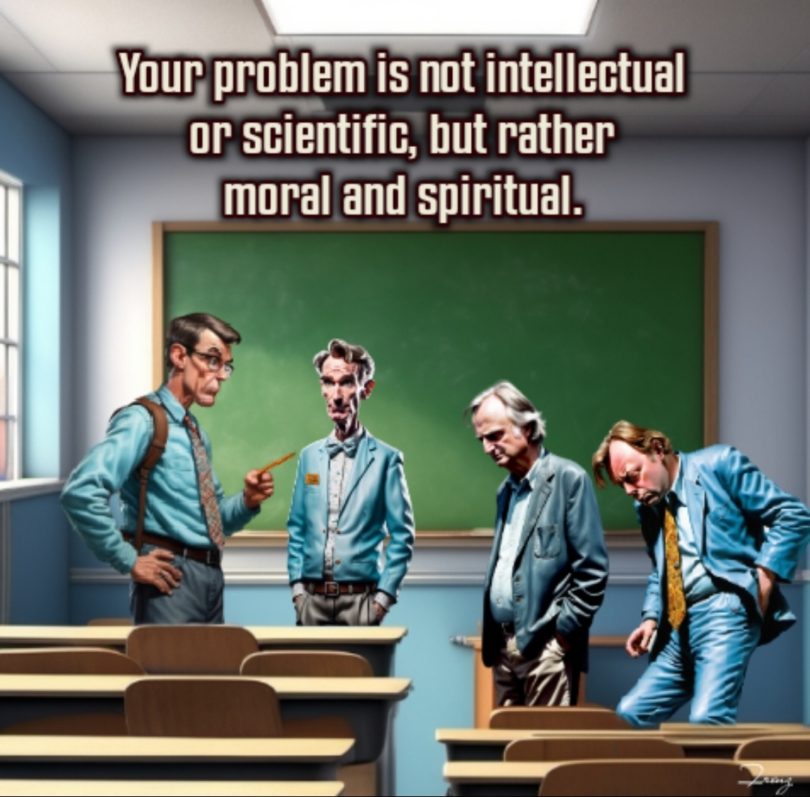
This summary accurately reflects the argument presented in the image. It conveys a profoundly biblical truth: atheism is not primarily an intellectual or scientific problem, but a moral and spiritual one. The issue is not that atheists lack evidence for God’s existence, but that they suppress the truth because of a heart that resists God’s moral authority.
Let’s explore this carefully through Scripture and sound theology.
1. The Biblical Diagnosis: Suppression of Truth
The Apostle Paul directly addresses this in Romans 1:18–21, explaining that unbelief is not due to ignorance but to willful suppression of what is already known:
“For the wrath of God is revealed from heaven against all ungodliness and unrighteousness of men, who hold [suppress] the truth in unrighteousness;
Because that which may be known of God is manifest in them; for God hath shewed it unto them.
For the invisible things of him from the creation of the world are clearly seen, being understood by the things that are made, even his eternal power and Godhead; so that they are without excuse.” — Romans 1:18–20 KJV
This passage teaches that the knowledge of God is evident both within every person (in conscience) and around them (in creation). The problem, therefore, is not a lack of evidence but a moral refusal to acknowledge and submit to that evidence.
As Jay Watts notes in his article “The Problem of Evil is a Problem for Atheists” ([1]):
“The Christian worldview explains evil and the persistent human longing for justice. The atheist, however, must borrow from the moral framework of theism to even call something evil. The problem of evil, therefore, is not intellectual but moral and spiritual.”
Likewise, atheism’s rejection of God is not a neutral, rational stance — it is a moral rebellion against the One whose existence is undeniable.
2. The Moral and Spiritual Nature of Unbelief
The Bible consistently portrays unbelief as a heart issue, not a head issue. The human heart, corrupted by sin, resists God’s authority and prefers autonomy.
“The fool hath said in his heart, There is no God.” — Psalm 14:1
“Because that, when they knew God, they glorified him not as God, neither were thankful; but became vain in their imaginations, and their foolish heart was darkened.” — Romans 1:21
“The carnal mind is enmity against God: for it is not subject to the law of God, neither indeed can be.” — Romans 8:7
Notice that Scripture locates unbelief in the heart — the center of moral and spiritual life — rather than in the intellect. The atheist’s problem is not that he cannot know God, but that he does not want to.
As Kerby Anderson explains in “Answering the New Atheists” ([2]):
“Religion is not the problem. People are the problem because they are sinful and live in a fallen world… Abuse of an ideal does not negate its validity.”
In other words, the rejection of God arises from humanity’s fallen condition, not from a lack of rational evidence.
3. The Spiritual Blindness of Unbelief
The Bible also describes unbelief as a form of spiritual blindness caused by sin and Satan’s deception.
“If our gospel be hid, it is hid to them that are lost:
In whom the god of this world hath blinded the minds of them which believe not, lest the light of the glorious gospel of Christ… should shine unto them.” — 2 Corinthians 4:3–4
“Having the understanding darkened, being alienated from the life of God through the ignorance that is in them, because of the blindness of their heart.” — Ephesians 4:18
“Men loved darkness rather than light, because their deeds were evil.” — John 3:19
This blindness is not intellectual incapacity but moral resistance — a refusal to come to the light because it exposes sin. The atheist’s hostility toward God is therefore spiritual rebellion, not scientific skepticism.
4. The Role of the Holy Spirit
Because unbelief is moral and spiritual, it cannot be overcome by argument alone. Only the Holy Spirit can open blind eyes and soften hardened hearts.
“No man can come to me, except the Father which hath sent me draw him.” — John 6:44
“The natural man receiveth not the things of the Spirit of God: for they are foolishness unto him.” — 1 Corinthians 2:14
“For God, who commanded the light to shine out of darkness, hath shined in our hearts.” — 2 Corinthians 4:6
Apologetics can expose the irrationality of atheism, but only God’s grace can transform the unbelieving heart into one that loves truth.
5. The Hope of Redemption
Even though atheism is rooted in moral and spiritual rebellion, the gospel offers hope to all. Many former atheists — including C.S. Lewis, Lee Strobel, and Jay Watts himself — came to faith when confronted by the reality of God’s truth and grace.
“The Lord is… not willing that any should perish, but that all should come to repentance.” — 2 Peter 3:9
“If any man be in Christ, he is a new creature: old things are passed away; behold, all things are become new.” — 2 Corinthians 5:17
“For the Son of man is come to seek and to save that which was lost.” — Luke 19:10
The same God whom atheists deny is the One who lovingly calls them to repentance and offers forgiveness through Jesus Christ.
6. Conclusion
The argument in the image is biblically and theologically sound:
Atheism’s problem is not intellectual or scientific — the evidence for God is clear in creation and conscience.
The problem is moral and spiritual — a willful suppression of truth and rebellion against God’s authority.
Only the Holy Spirit can overcome this blindness, bringing repentance and faith through the gospel of Christ.
“For the invisible things of him from the creation of the world are clearly seen.” — Romans 1:20
“The fool hath said in his heart, There is no God.” — Psalm 14:1
“Men loved darkness rather than light, because their deeds were evil.” — John 3:19
In short, atheism is not a failure of the mind but a rebellion of the heart — and only the grace of God in Christ can heal that rebellion and bring true understanding.
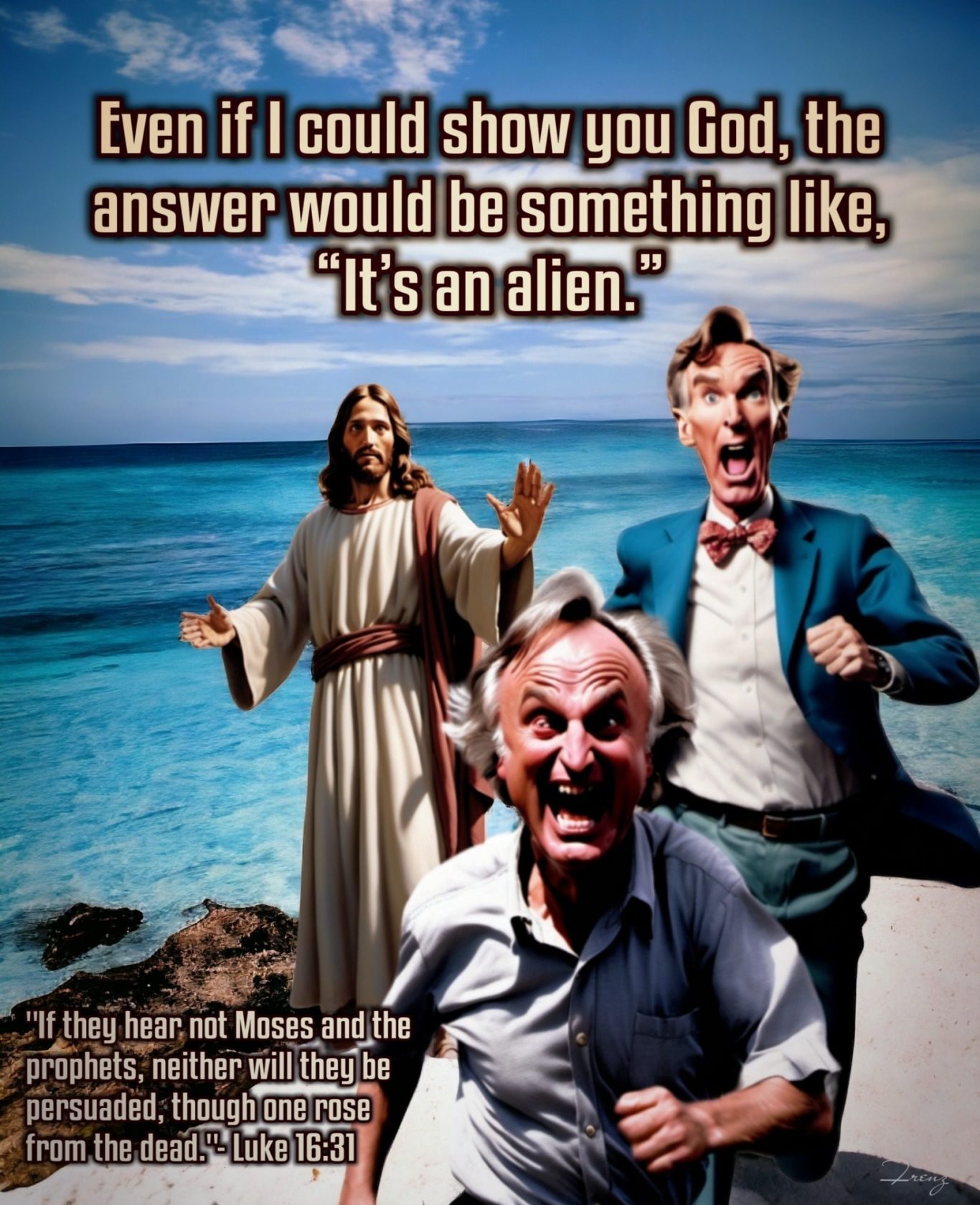
God is the source of all truth. In John 14:6, Jesus says,
“I am the way, and the truth, and the life. No one comes to the Father except through me.” (ESV)
This means that truth is not just a concept, but is ultimately found in the person of Jesus Christ. When we deny God’s existence, we are also denying the very foundation of truth itself.
1. God Is the Source of Truth
Psalm 31:5 (ESV):
“Into your hand I commit my spirit; you have redeemed me, O Lord, faithful God.”
The Hebrew word for “faithful” here can also be translated as “God of truth.” God’s very nature is truth.
John 17:17 (ESV):
“Sanctify them in the truth; your word is truth.”
God’s Word is the standard of truth by which all things are measured.
2. Teaching Children There Is No God Removes the Foundation for Truth
If children are taught there is no God, they are left without an ultimate standard for truth, goodness, or meaning. The Bible warns about the consequences of rejecting God:
- Romans 1:21–22 (ESV):
“For although they knew God, they did not honor him as God or give thanks to him, but they became futile in their thinking, and their foolish hearts were darkened. Claiming to be wise, they became fools.”
Without God, truth becomes subjective—based on personal opinion or cultural trends—rather than rooted in the unchanging character of God.
3. The Importance of Teaching Children About God
The Bible encourages parents and teachers to instruct children in the truth about God:
- Deuteronomy 6:6–7 (ESV):
“And these words that I command you today shall be on your heart. You shall teach them diligently to your children…”
Teaching children about God is not just about religious instruction; it is about grounding them in the truth that gives life meaning and direction.
Summary
To deny God is to deny the very foundation of truth, as Jesus Himself is “the truth.” Teaching children that there is no God leaves them without an anchor for truth, morality, or hope. The loving thing is to point them to the God who is truth, who loves them, and who gives life its deepest meaning.
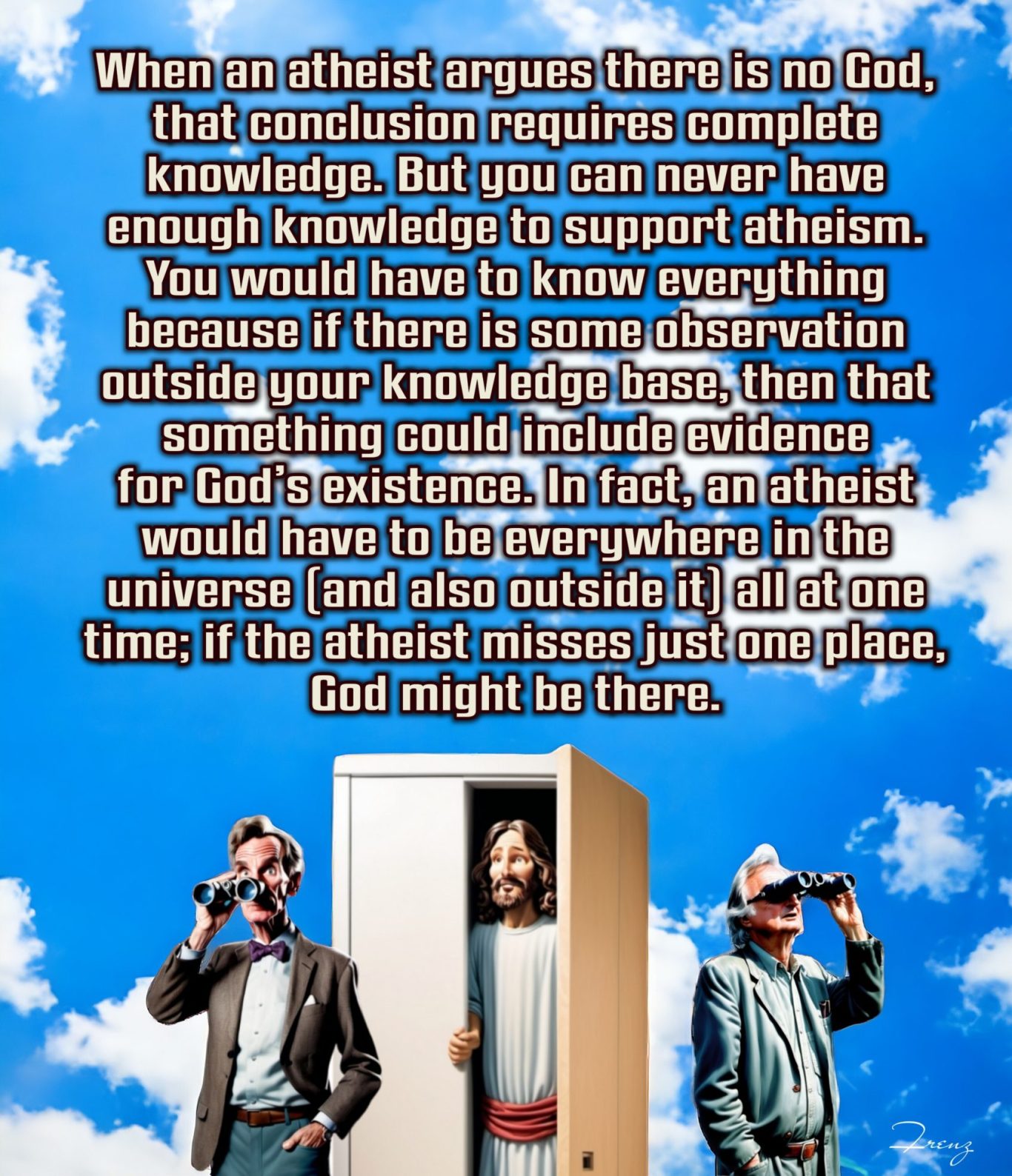
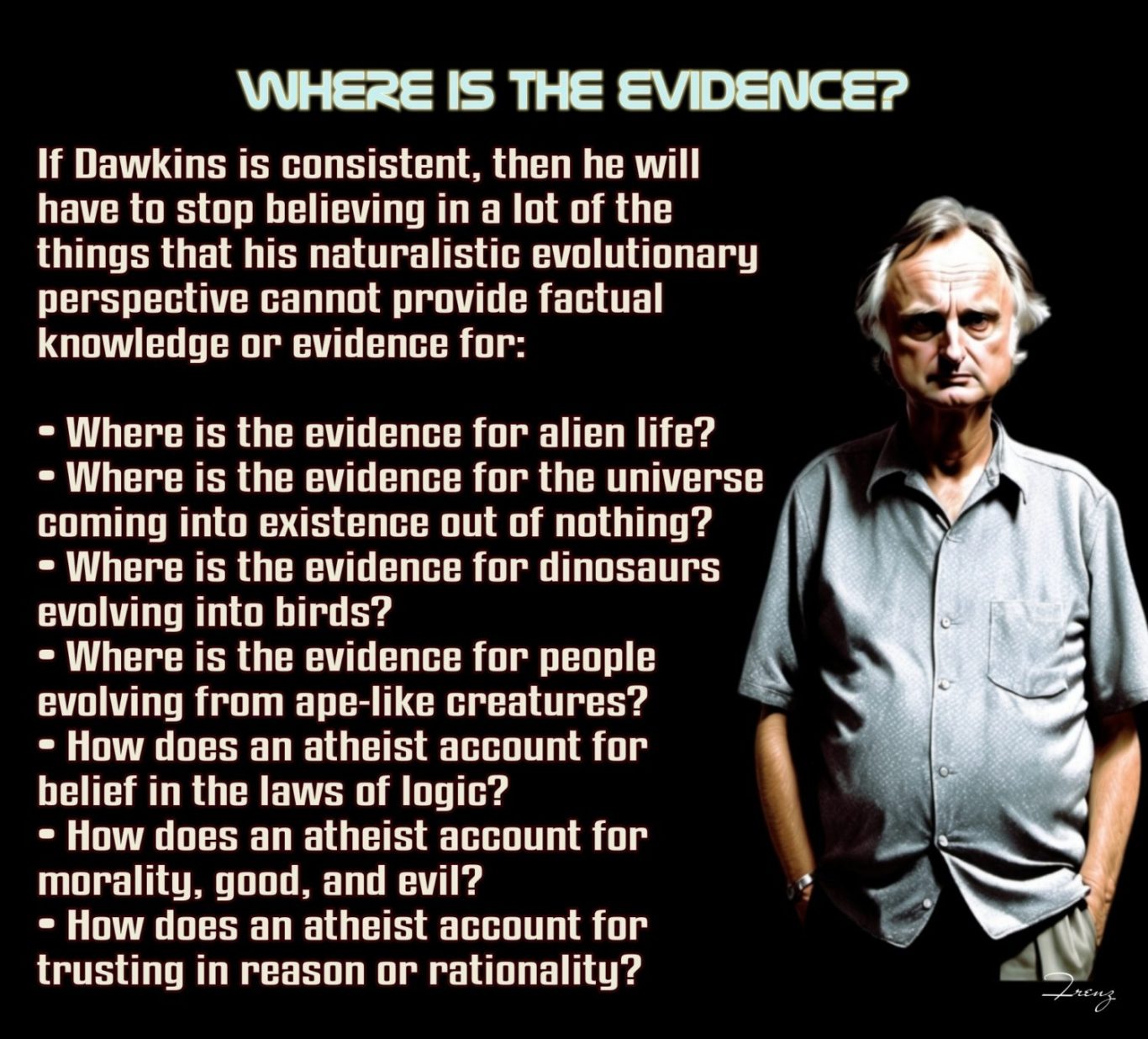
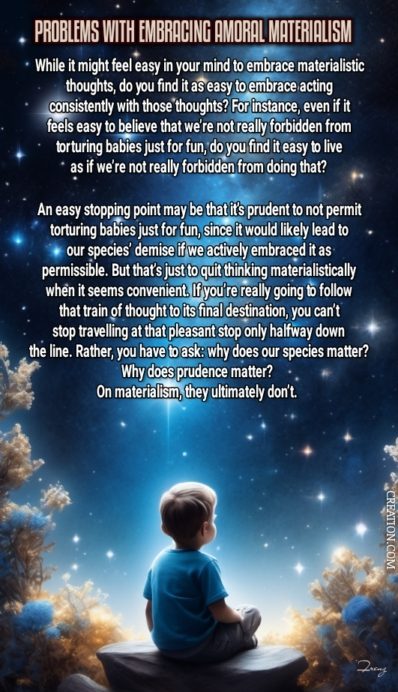
Bill Nye and “Propaganda”
Bill Nye is a well-known science communicator who has contributed significantly to popular science education. However, in recent years, he has also become a vocal advocate for philosophical naturalism (the belief that only natural laws and forces operate in the universe) and has often critiqued religious perspectives, especially those related to creation and intelligent design.
Examples of Propaganda Concerns
1. Presenting Scientism as Science
Mike Keas, in “A Big Universe Is a Problem for Religion?”, points out that Bill Nye often conflates science with scientism—a worldview that claims science is the only path to truth, dismissing other ways of knowing. Keas writes:
“But Bill Nye isn’t so much the science guy as he is the scientism guy. Scientism is atheistic dogma masquerading as objective science.”
This is important because true science is about investigating the natural world, while scientism is a philosophical stance that goes beyond what science can actually prove.
2. Promoting Human Insignificance
In his 2010 Humanist of the Year acceptance speech, Bill Nye said:
“I am insignificant … I am just another speck of sand. And the Earth really in the cosmic scheme of things is another speck. And the sun an unremarkable star … And the galaxy is a speck. I’m a speck on a speck orbiting a speck among other specks among still other specks in the middle of specklessness. I suck.”
This message, as Keas notes, is often used to imply that religion is outdated or irrelevant, and that humans are insignificant in the universe—a view not supported by the Christian worldview.
A Christian Response
1. The Bible Affirms Human Significance
Scripture teaches that, despite the vastness of the universe, humans are uniquely created in God’s image and deeply valued by Him:
- Genesis 1:27:
“So God created man in his own image, in the image of God he created him; male and female he created them.” - Psalm 8:3-5:
“When I look at your heavens, the work of your fingers, the moon and the stars, which you have set in place, what is man that you are mindful of him, and the son of man that you care for him? Yet you have made him a little lower than the heavenly beings and crowned him with glory and honor.” - John 3:16:
“For God so loved the world, that he gave his only Son, that whoever believes in him should not perish but have eternal life.”
2. Science and Faith Are Not Enemies
The Christian tradition has a long history of scientific inquiry. Many early scientists, such as Copernicus and Pascal, saw the vastness of the universe as evidence of God’s greatness, not human insignificance. As Mike Keas writes:
“Prominent scientists from centuries past, including Nicolaus Copernicus and Blaise Pascal, recognized that the universe is vast. They saw in this no contradiction with their Christian beliefs.”
3. Beware of Worldview Bias
It is important to distinguish between scientific facts and the worldview interpretations that sometimes accompany them. When science communicators, including Bill Nye, present philosophical conclusions (such as “humans are insignificant” or “religion is obsolete”) as scientific facts, they cross from science into ideology.
Conclusion
Bill Nye has contributed to science education, but he sometimes promotes a worldview—scientism—that goes beyond science and can be considered propaganda when it dismisses or misrepresents religious perspectives. The Bible teaches that humans are significant, loved, and created with purpose, regardless of the universe’s size.
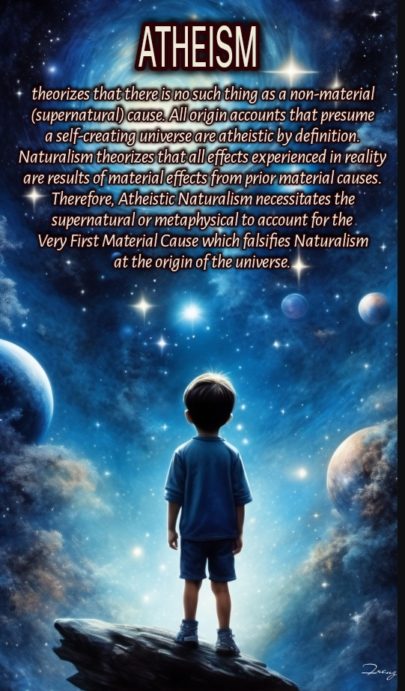
Thank you for your question regarding Richard Dawkins, his controversial comments about "mild pedophilia," and concerns about propaganda. This is a sensitive topic, and it is important to approach it with both truth and compassion, as well as a clear biblical perspective.
Richard Dawkins’ Comments
Richard Dawkins, a prominent atheist and evolutionary biologist, has made statements in interviews and writings suggesting that what he called "mild pedophilia" (referring to his own childhood experience of being molested by a teacher) should not be judged by today’s moral standards. He has argued that such acts, while wrong, were viewed differently in the past and that it is inappropriate to judge historical actions by modern standards.
These comments have been widely criticized for appearing to minimize the seriousness of child abuse. Many have accused Dawkins of using his platform to downplay the harm caused by such acts, which can be seen as a form of propaganda—using influential speech to shape public opinion in a way that may excuse or normalize immoral behavior.
A Biblical Response
1. All Sin Is Serious Before God
The Bible is clear that all sin, including any form of sexual immorality or abuse, is deeply offensive to God and causes real harm to individuals and communities.
Matthew 18:6:
“But whoever causes one of these little ones who believe in me to sin, it would be better for him to have a great millstone fastened around his neck and to be drowned in the depth of the sea.”
Jesus’ words show the seriousness with which God views the mistreatment or harm of children.
Romans 1:28-32:
Paul lists a variety of sins that result from rejecting God, including sexual immorality, and makes clear that these actions are deserving of God’s righteous judgment.
Ephesians 5:11:
“Take no part in the unfruitful works of darkness, but instead expose them.”
Christians are called to stand against evil and not excuse or minimize it.
2. Moral Relativism vs. God’s Unchanging Standard
Dawkins’ comments reflect a form of moral relativism—the idea that right and wrong change depending on cultural or historical context. The Bible, however, teaches that God’s moral law is unchanging.
Hebrews 13:8:
“Jesus Christ is the same yesterday and today and forever.”
God’s standards of right and wrong do not shift with culture or time.
3. The Danger of Propaganda
When influential figures use their platform to minimize or excuse sin, it can desensitize society and lead others astray. The Bible warns against those who call evil good and good evil.
- Isaiah 5:20:
“Woe to those who call evil good and good evil, who put darkness for light and light for darkness.”
Conclusion
Richard Dawkins’ comments about "mild pedophilia" are deeply troubling from a biblical perspective. The Bible teaches that all forms of abuse are serious sins, and Christians are called to uphold God’s unchanging standard of holiness and justice. Any attempt to minimize or excuse such behavior—whether through personal testimony or public influence—should be recognized as contrary to God’s truth and love.

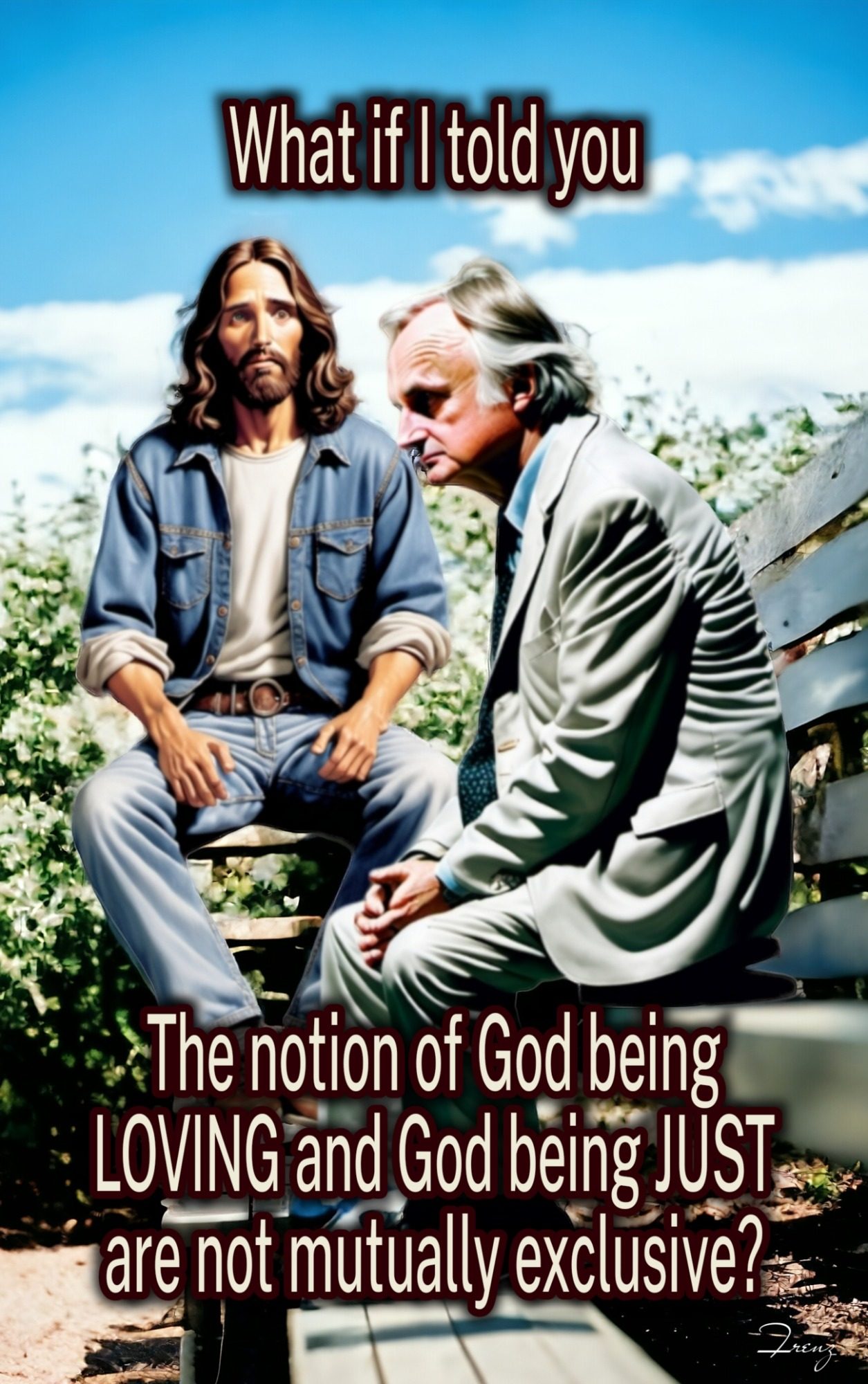
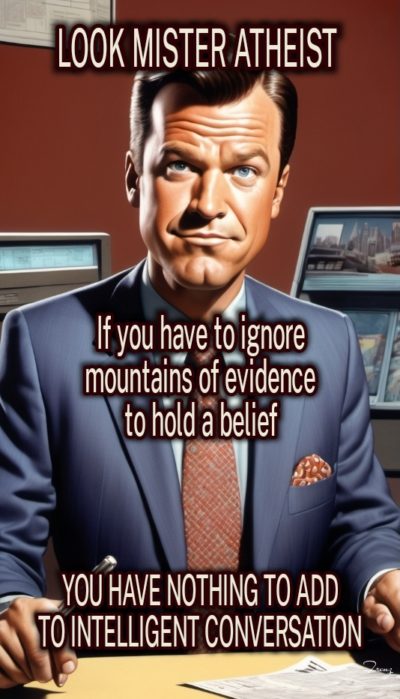

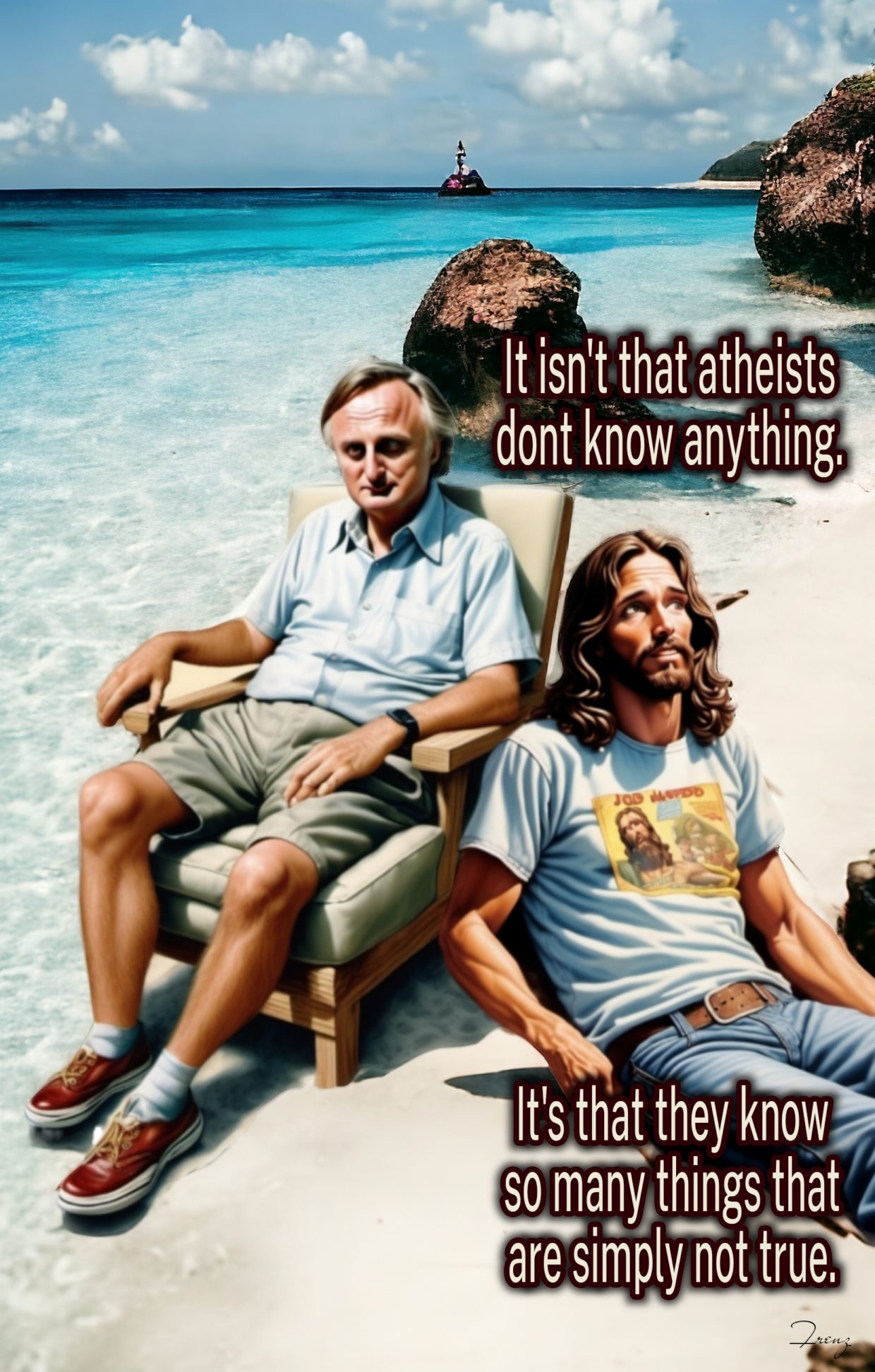
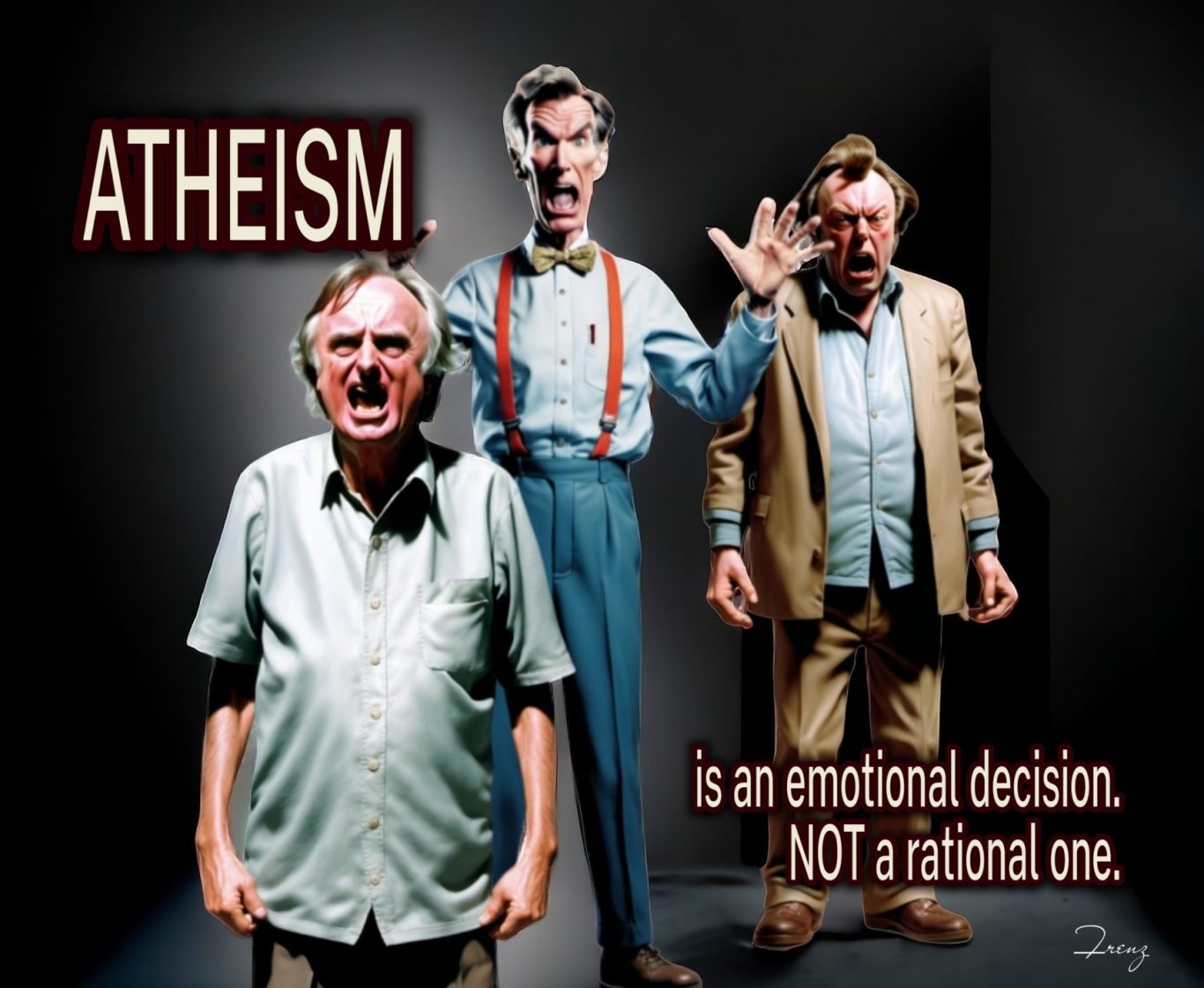
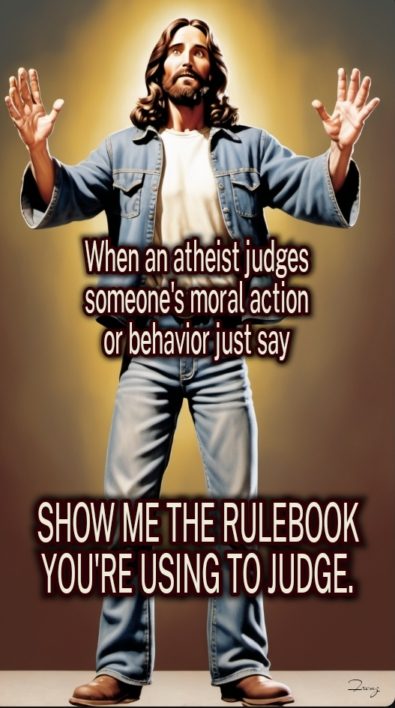
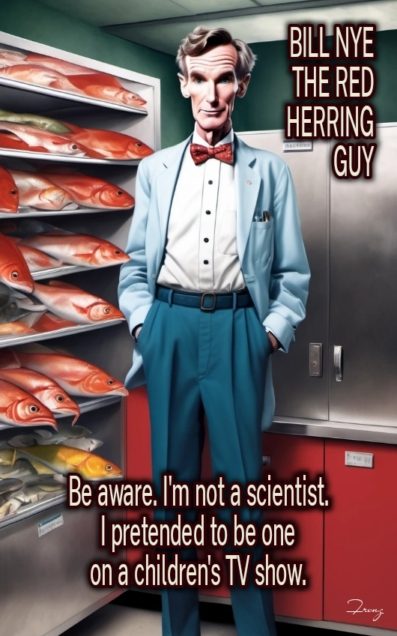
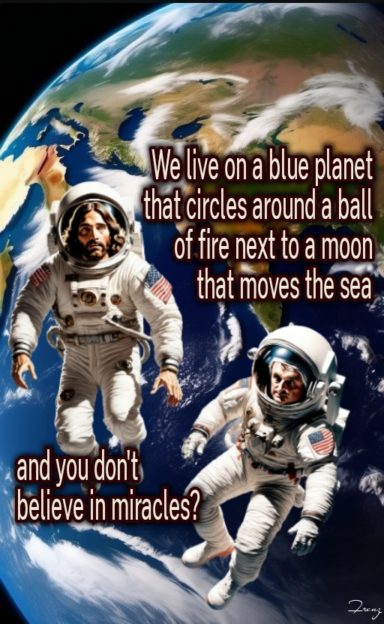
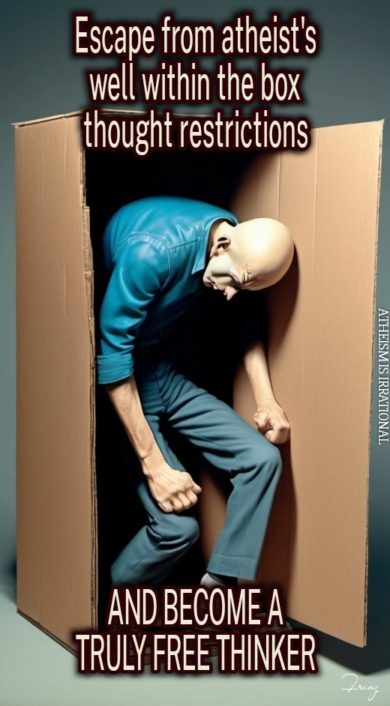
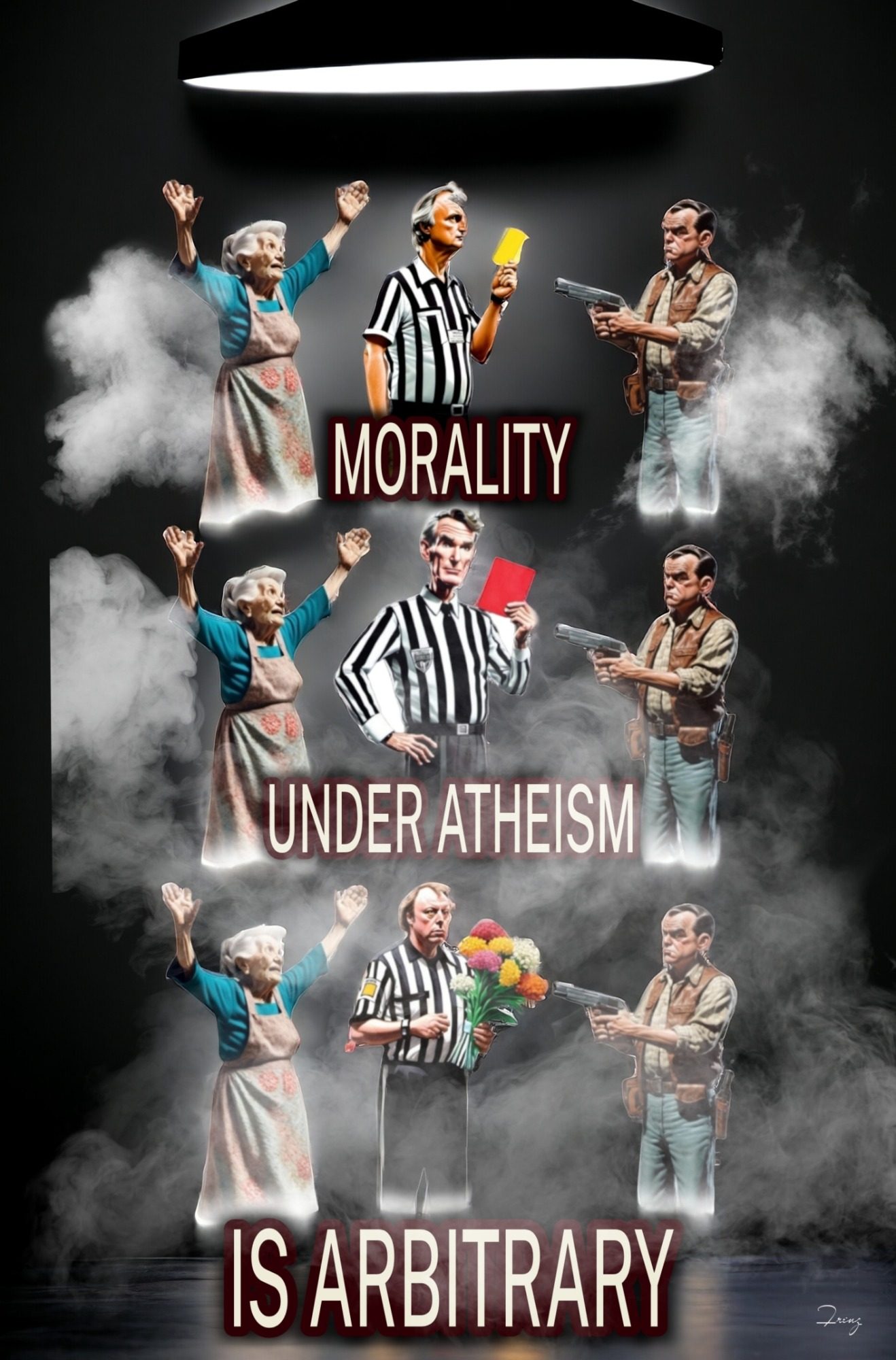
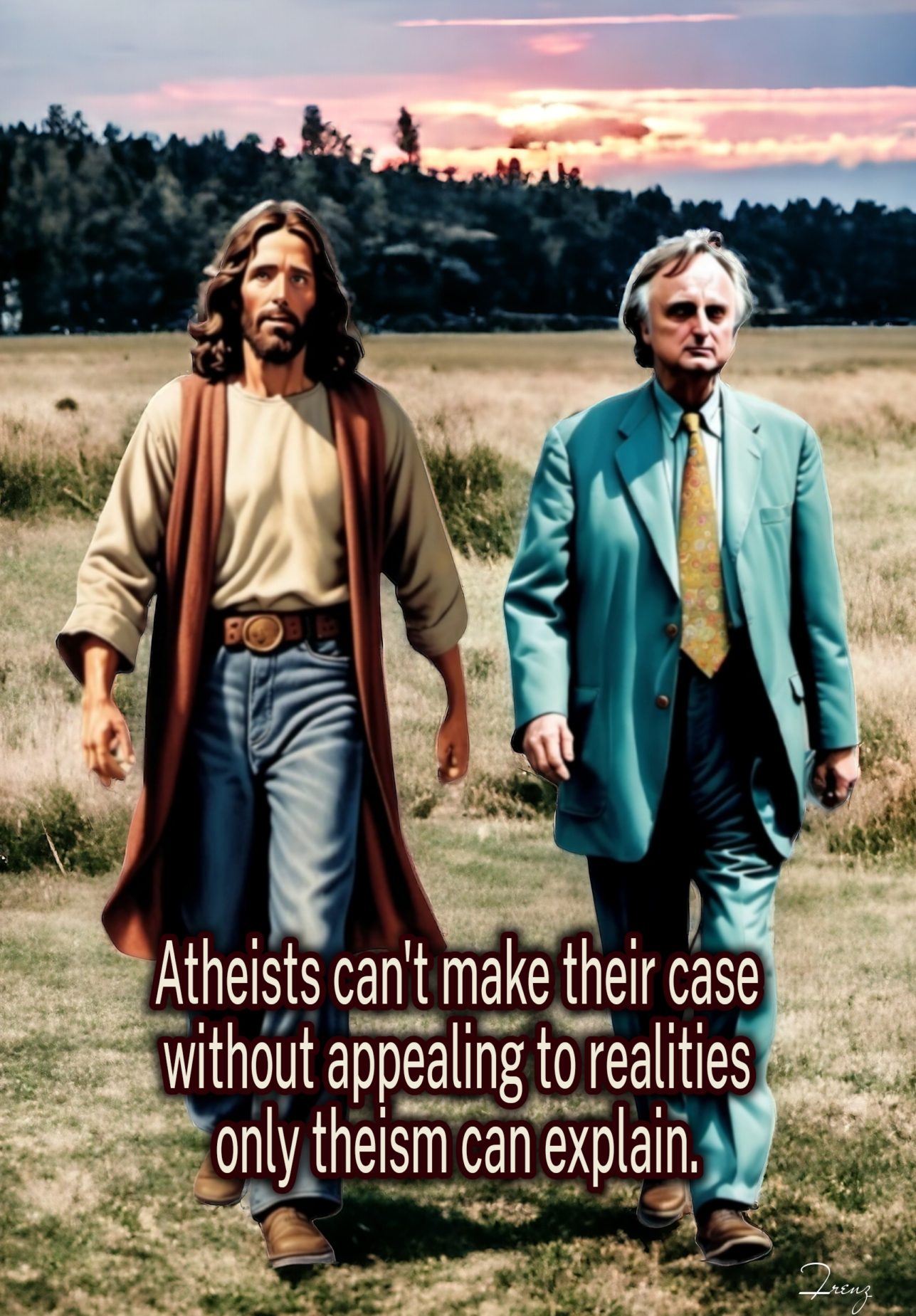

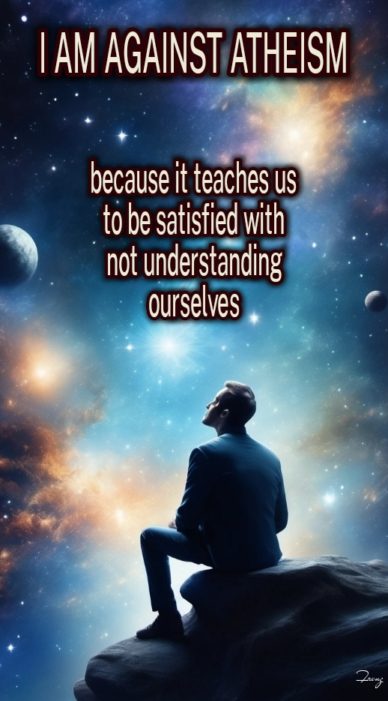


1. All Sin Is Serious and Offends God
The Bible teaches that all sin separates us from God and is an offense to His holiness (Romans 3:23; Isaiah 59:2). However, not all sins are the same in their consequences for individuals and society. Sexual sin, in particular, is treated with seriousness in Scripture:
“Flee from sexual immorality. Every other sin a person commits is outside the body, but the sexually immoral person sins against his own body.”
— 1 Corinthians 6:18 (ESV)
2. God’s Design for Sexuality and Protection of the Vulnerable
God’s design for sexuality is clear: it is to be expressed within the covenant of marriage between one man and one woman (Genesis 2:24; Matthew 19:4-6). The Bible also strongly condemns any form of sexual exploitation or abuse, especially of children, who are among the most vulnerable in society. Jesus gave a stern warning about harming children:
“But whoever causes one of these little ones who believe in me to sin, it would be better for him to have a great millstone fastened around his neck and to be drowned in the depth of the sea.”
— Matthew 18:6 (ESV)
3. Civil Rights and Moral Distinctions
While civil rights discussions often focus on issues of equality and justice, the Bible makes a clear moral distinction between consensual adult relationships and the abuse or exploitation of children. Seeking rights to engage in or normalize pedophilia is not only contrary to biblical teaching but also to the protection and dignity of children, which is a value upheld throughout Scripture.
4. Grace and Repentance
The Bible teaches that forgiveness and transformation are available to all who repent of their sins and turn to Christ (1 John 1:9; 1 Corinthians 6:11). However, repentance involves turning away from sin, not seeking to justify or normalize it.
In summary:
The Bible makes a clear distinction between different kinds of sin and strongly condemns the sexual exploitation of children. While all people are made in God’s image and can receive forgiveness through repentance and faith in Christ, seeking to justify or legalize pedophilia is utterly contrary to God’s Word and the protection of the vulnerable. Christians are called to uphold both truth and love, defending the dignity of all people—especially children—while offering grace to those who genuinely repent.

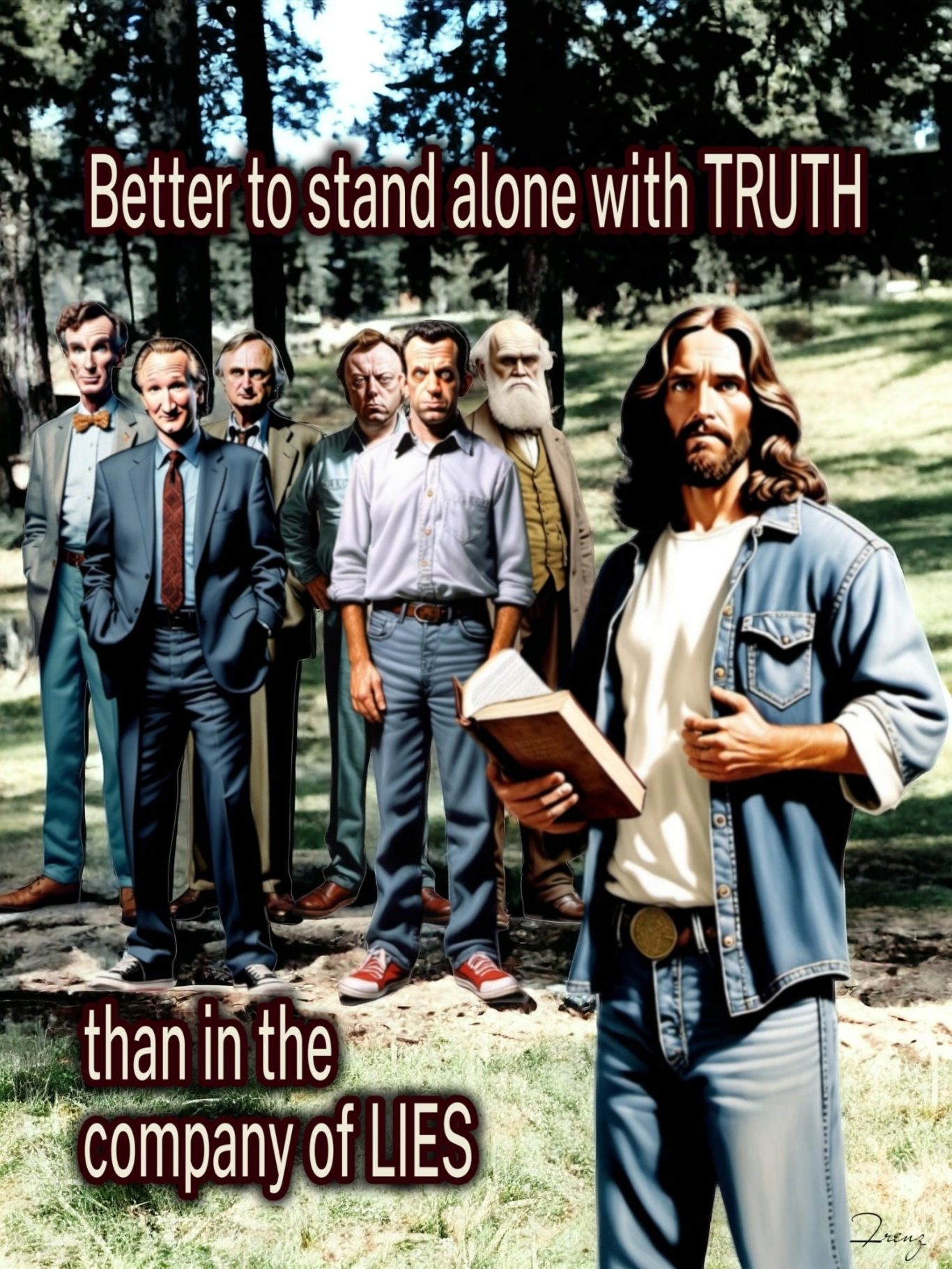
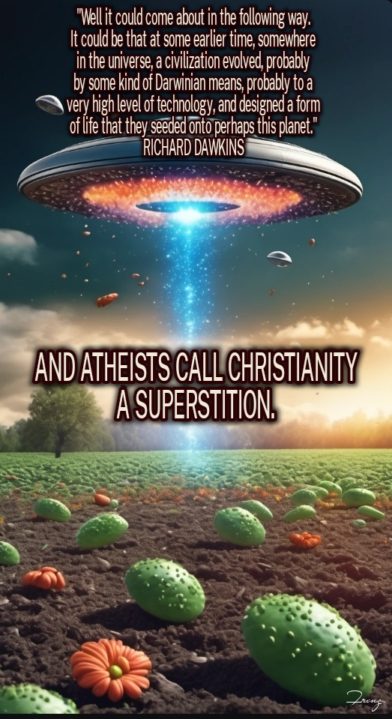
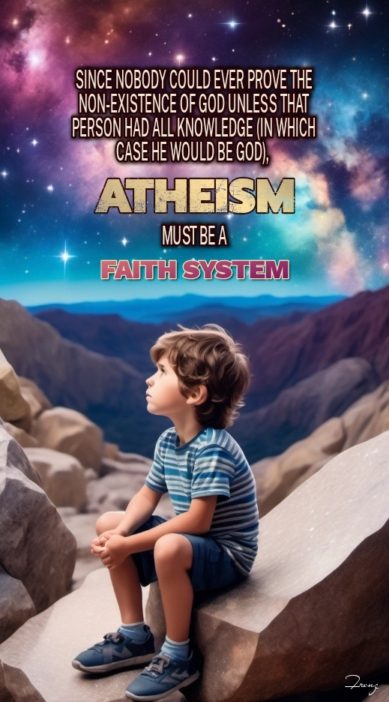
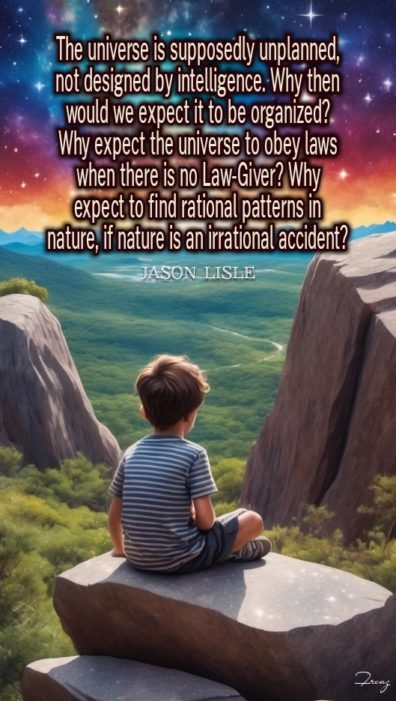
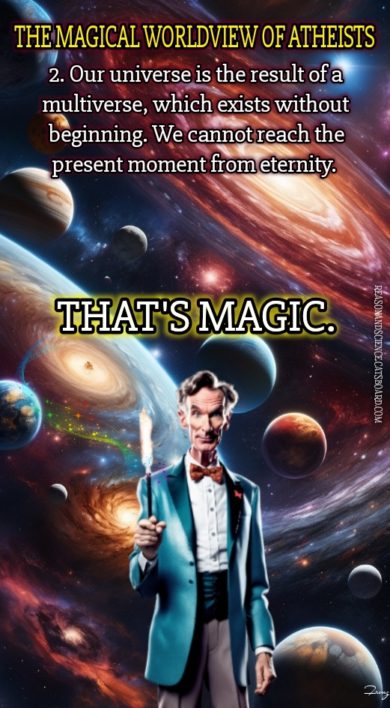
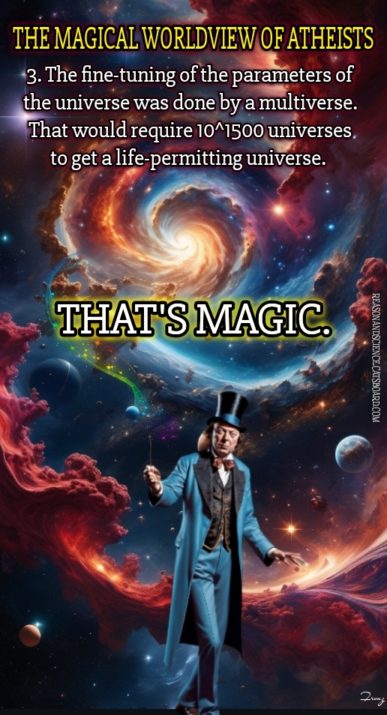
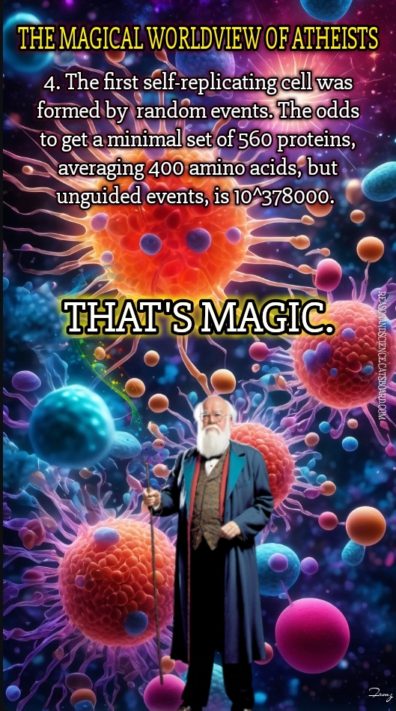
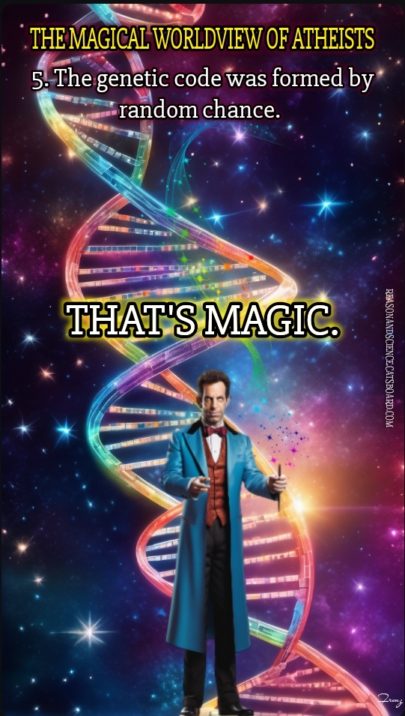
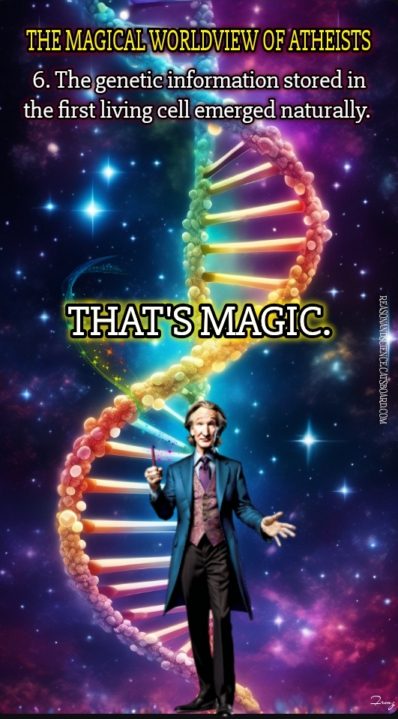
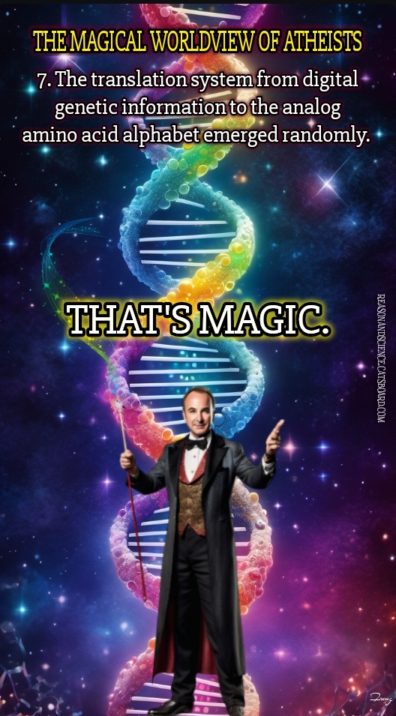
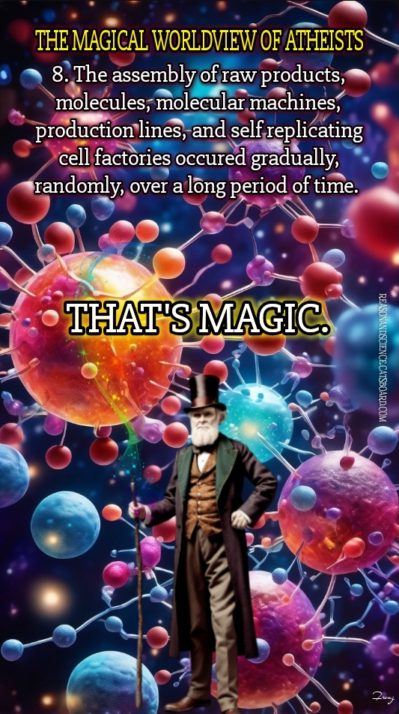
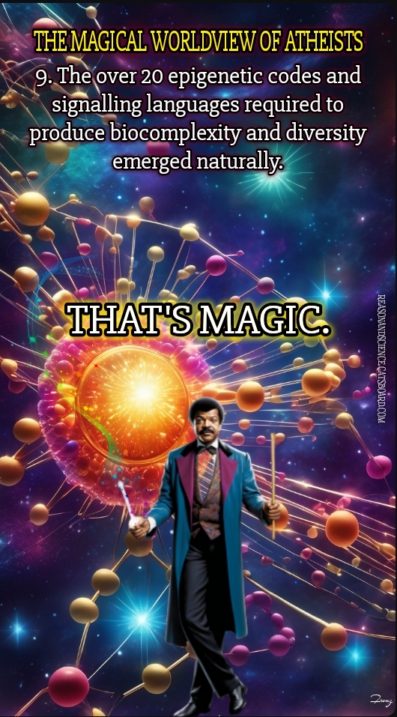
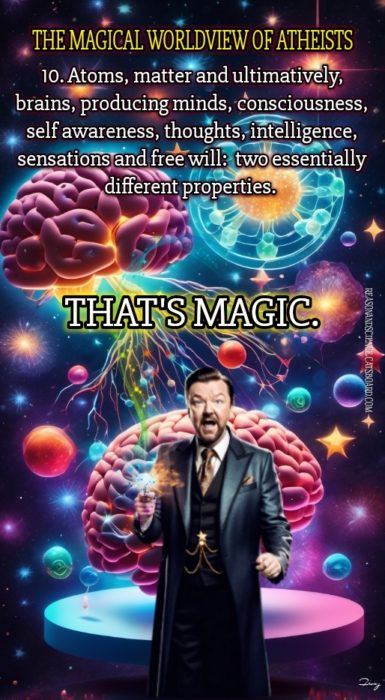
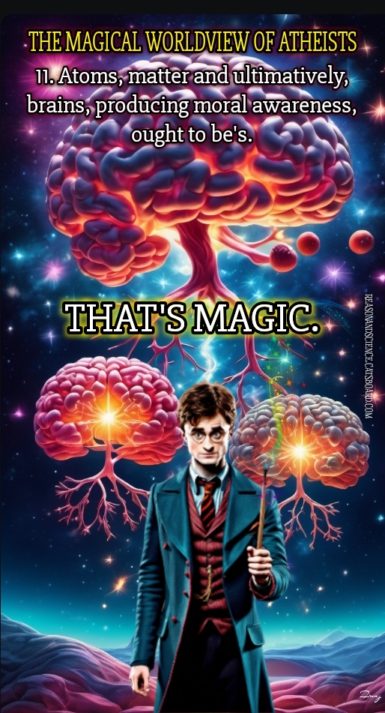
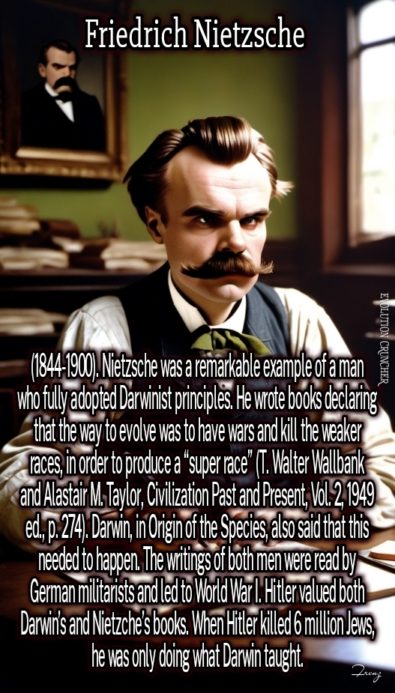
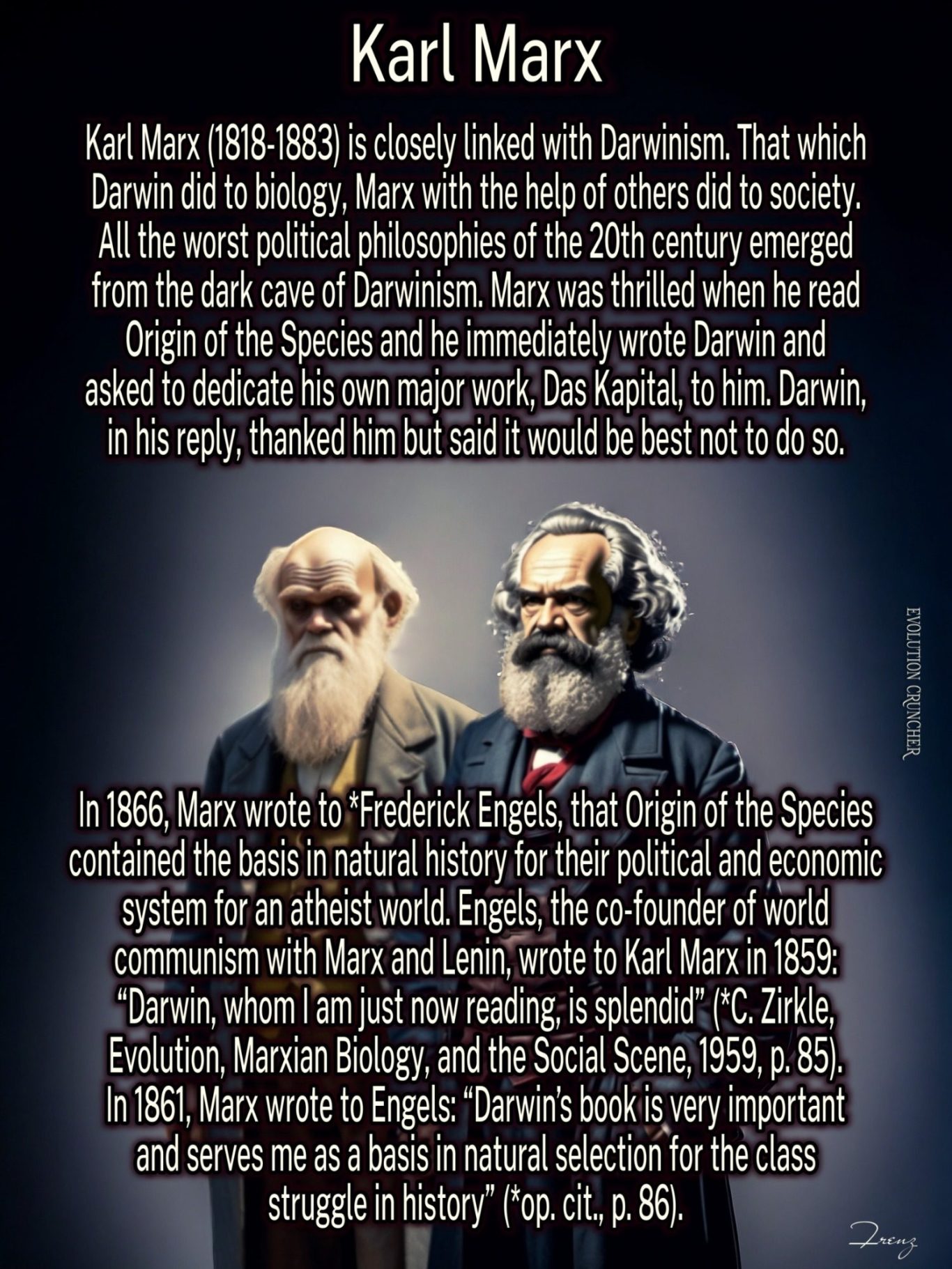
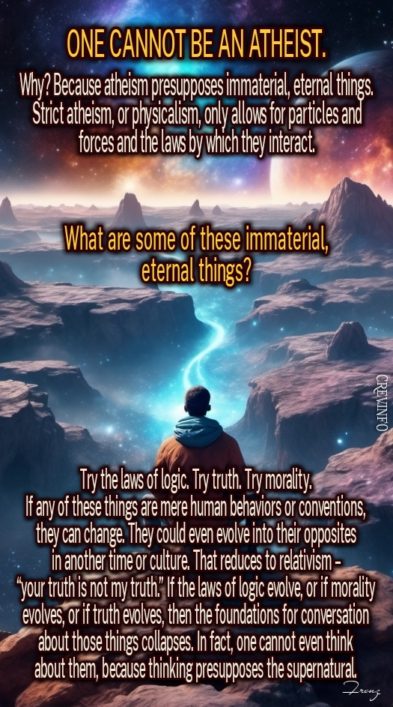
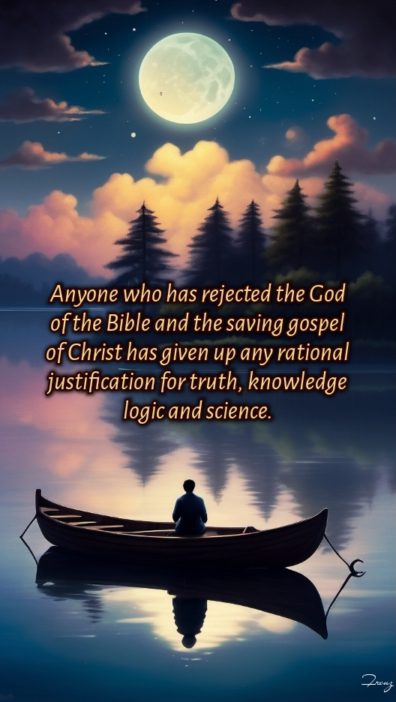

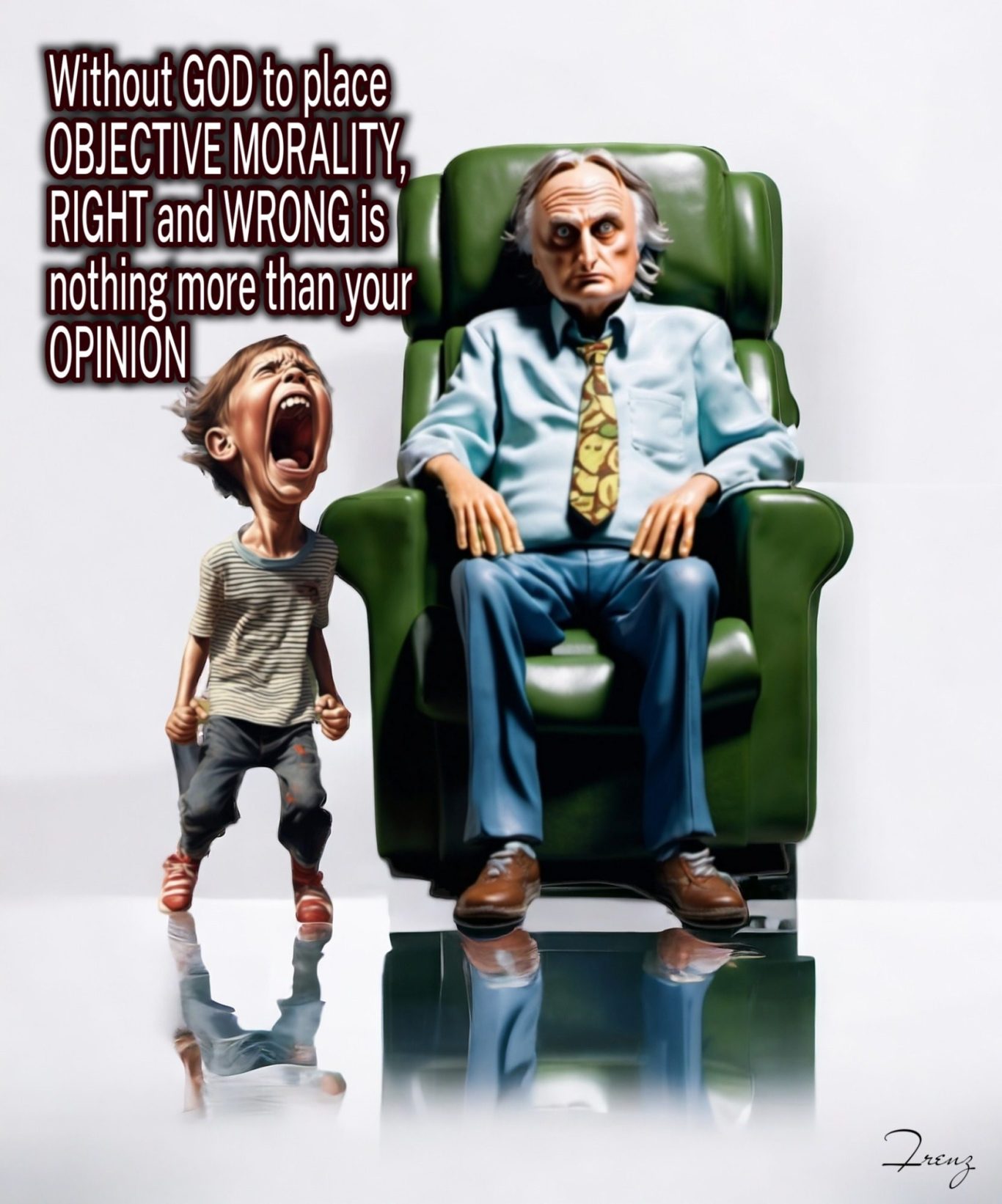
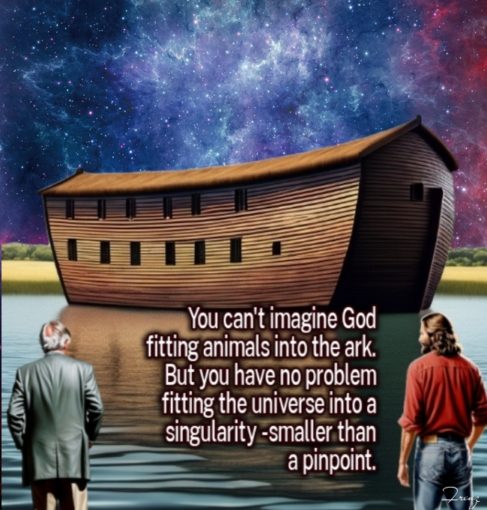
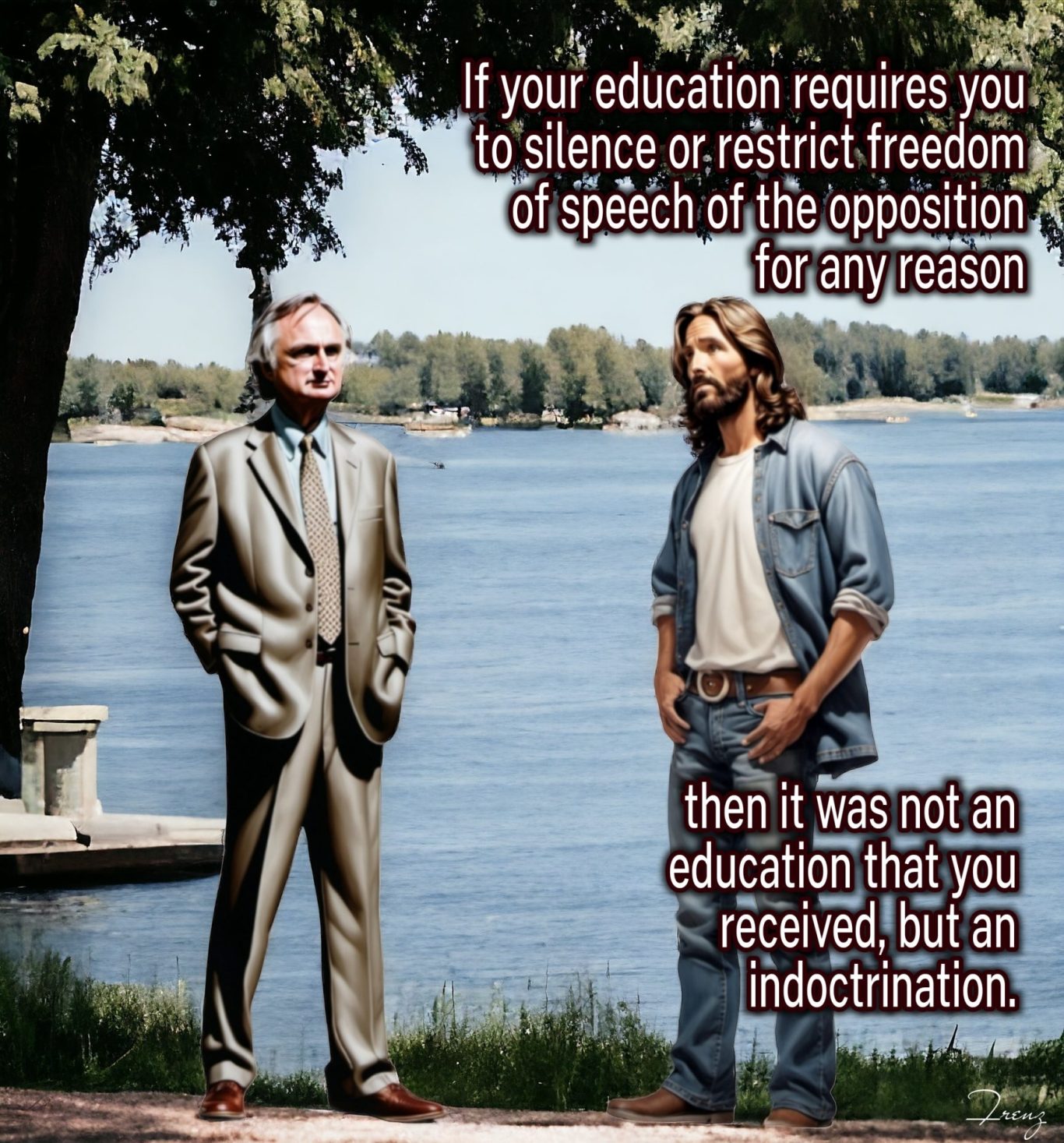
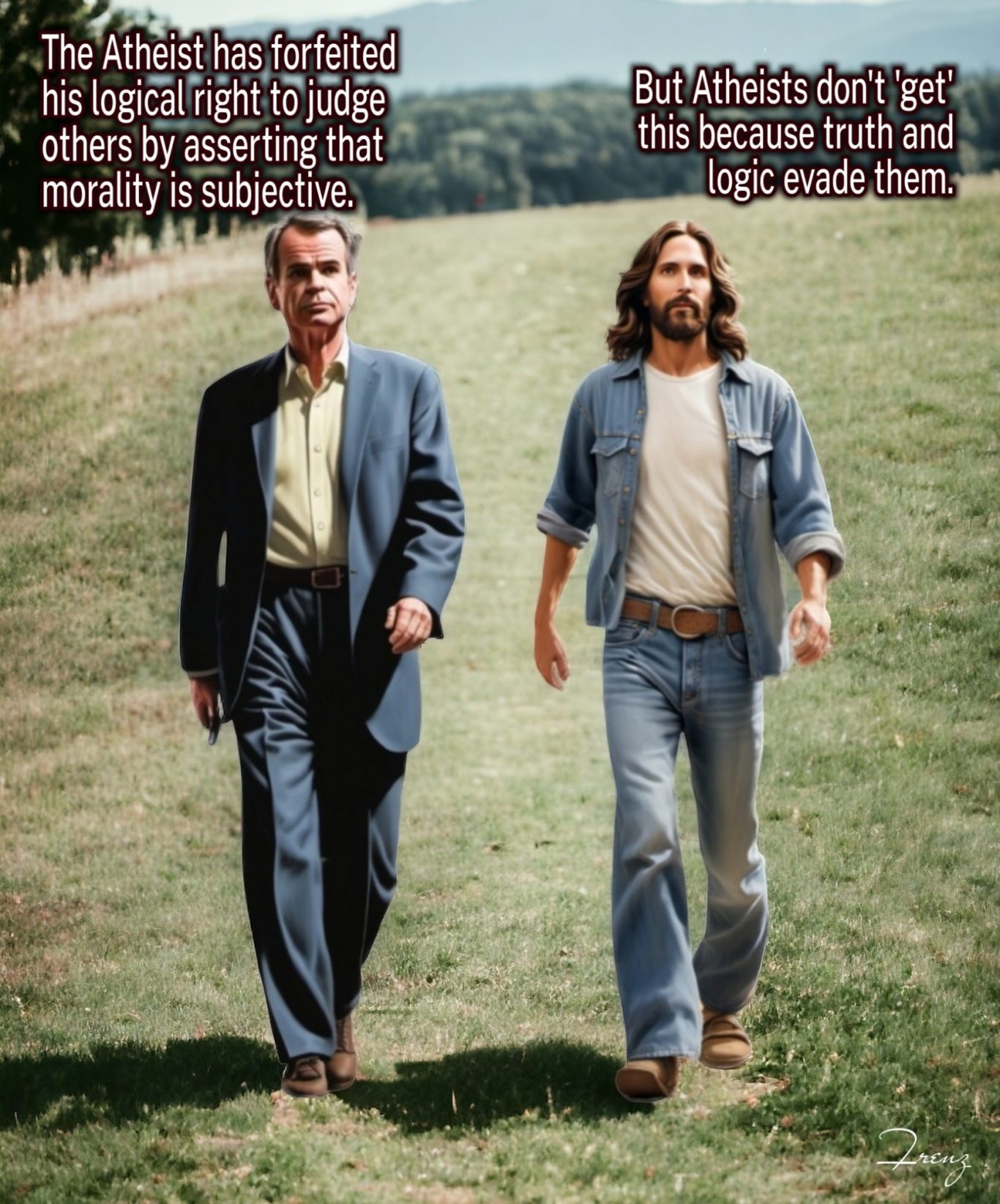

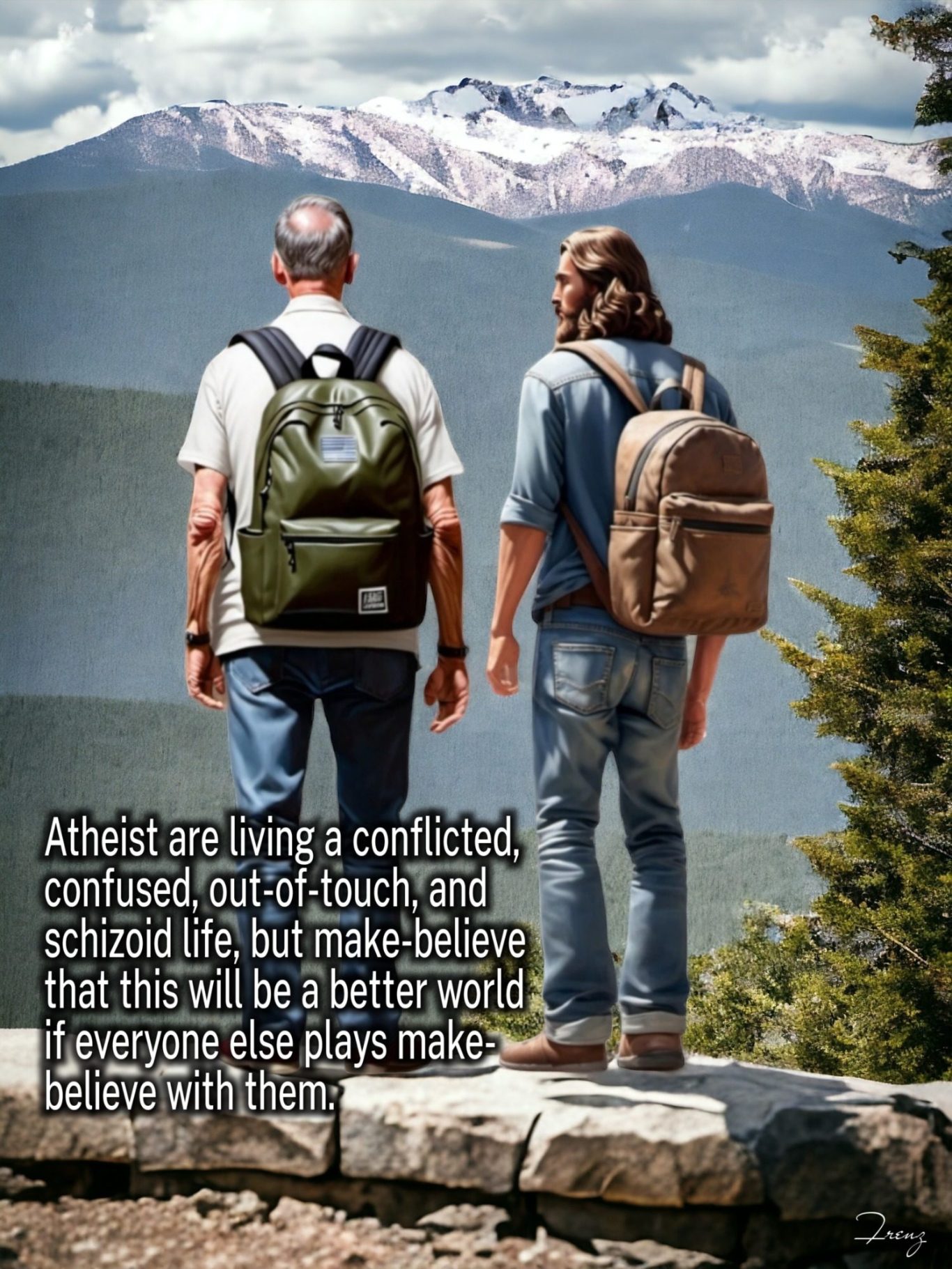
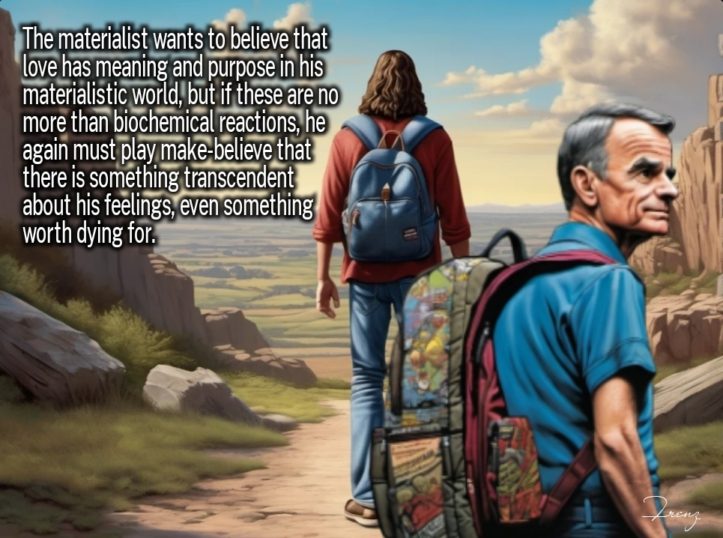
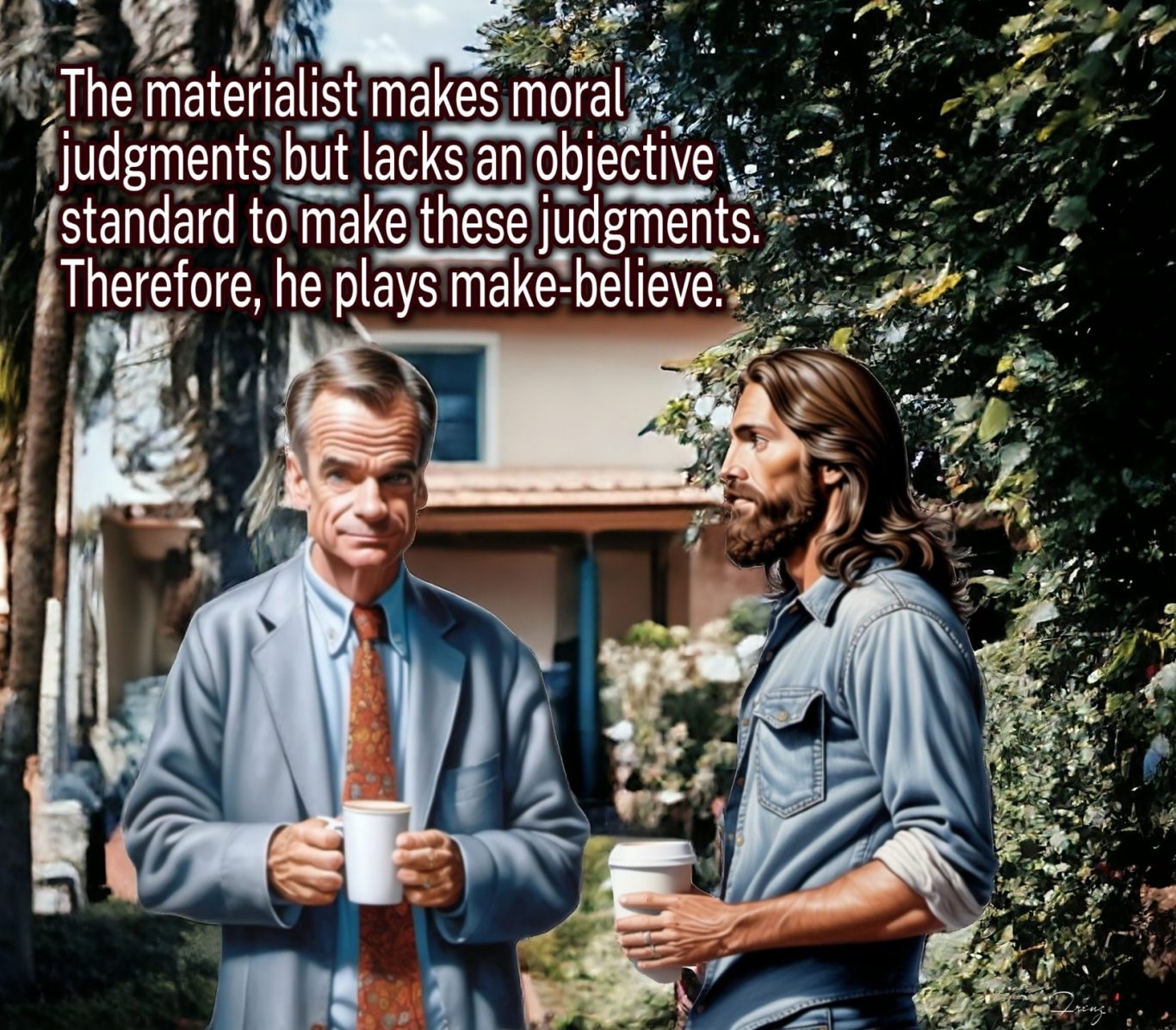
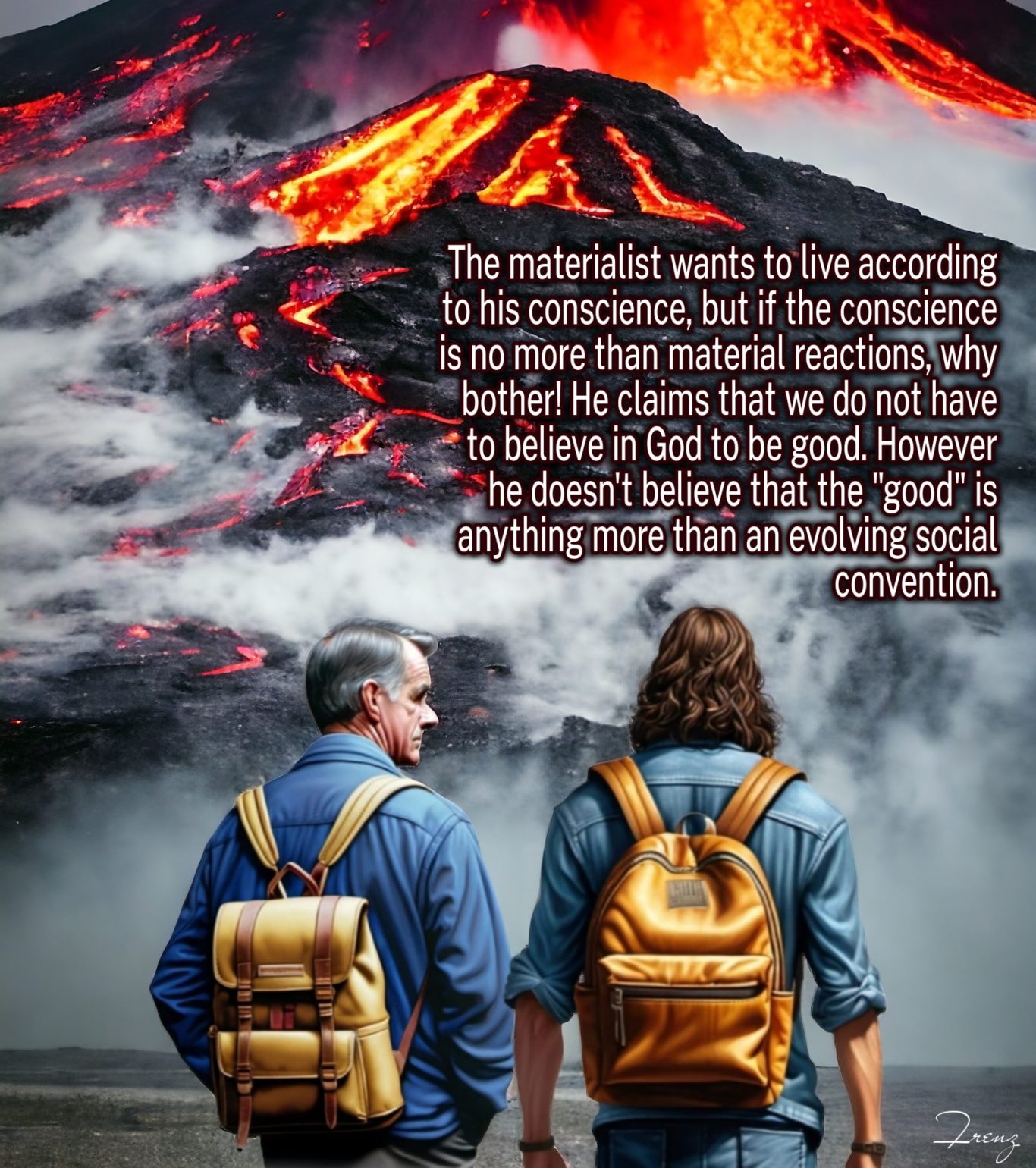


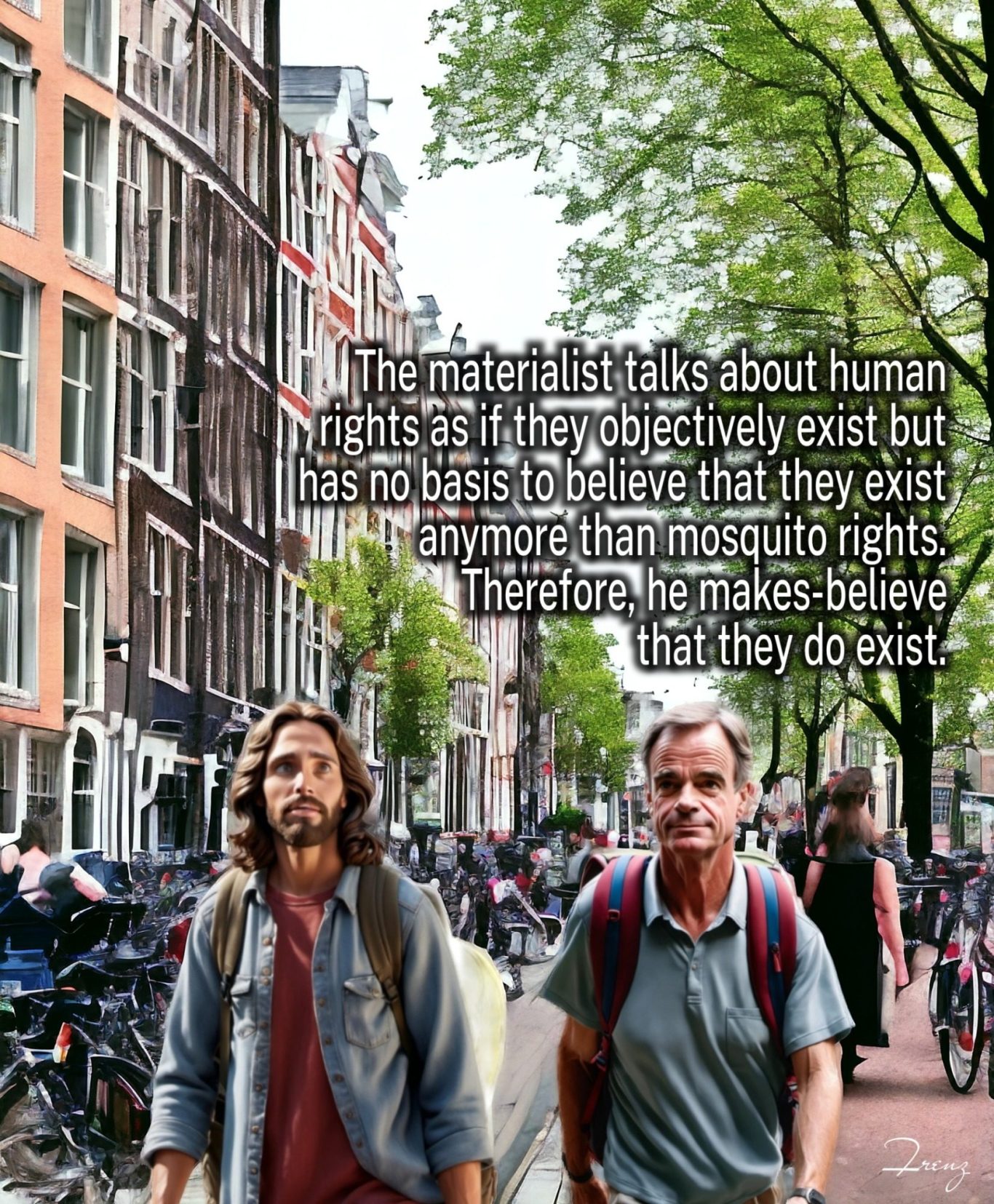








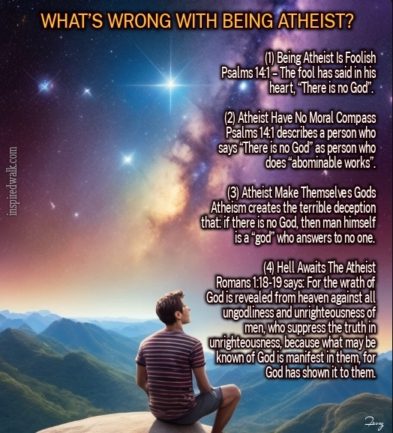
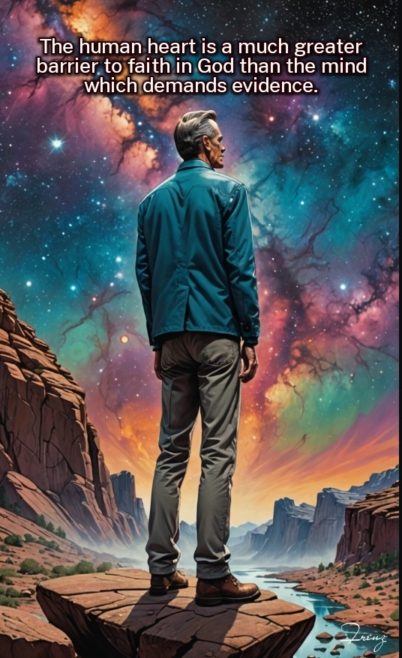
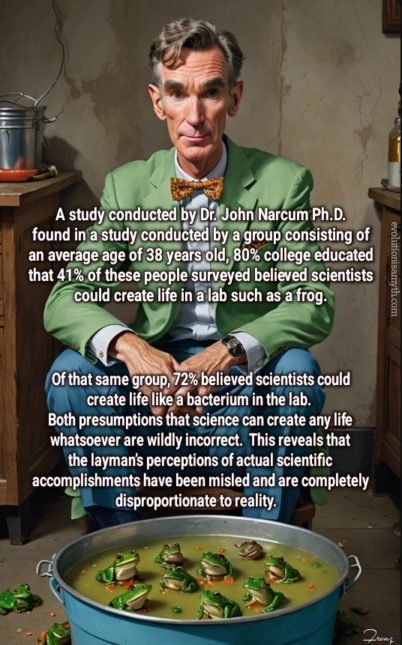
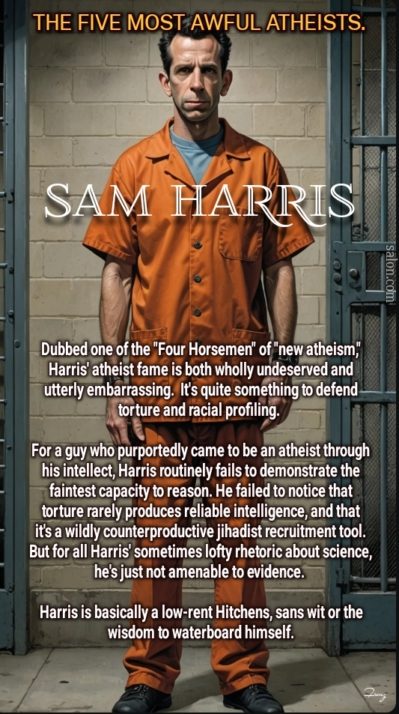

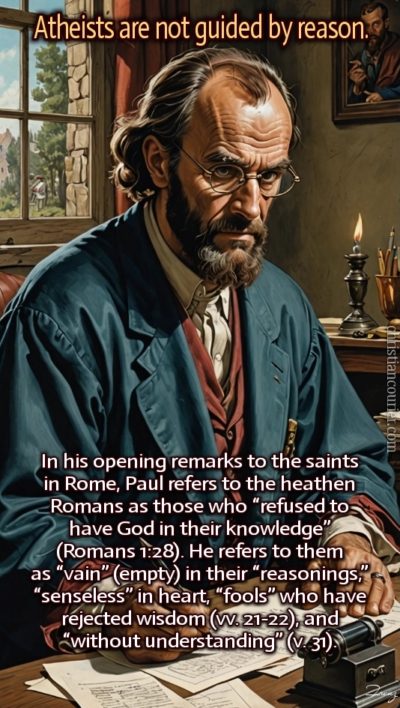
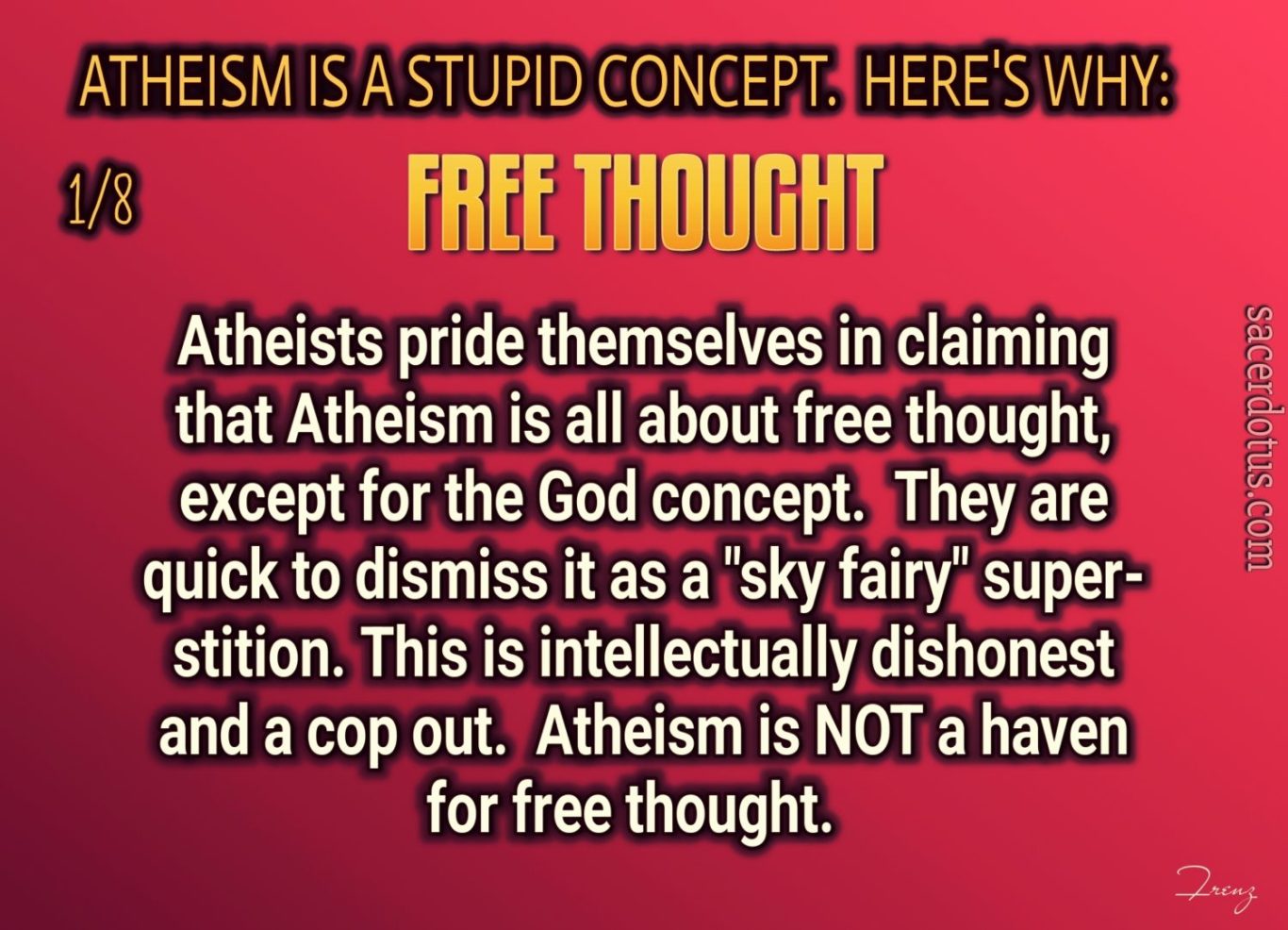
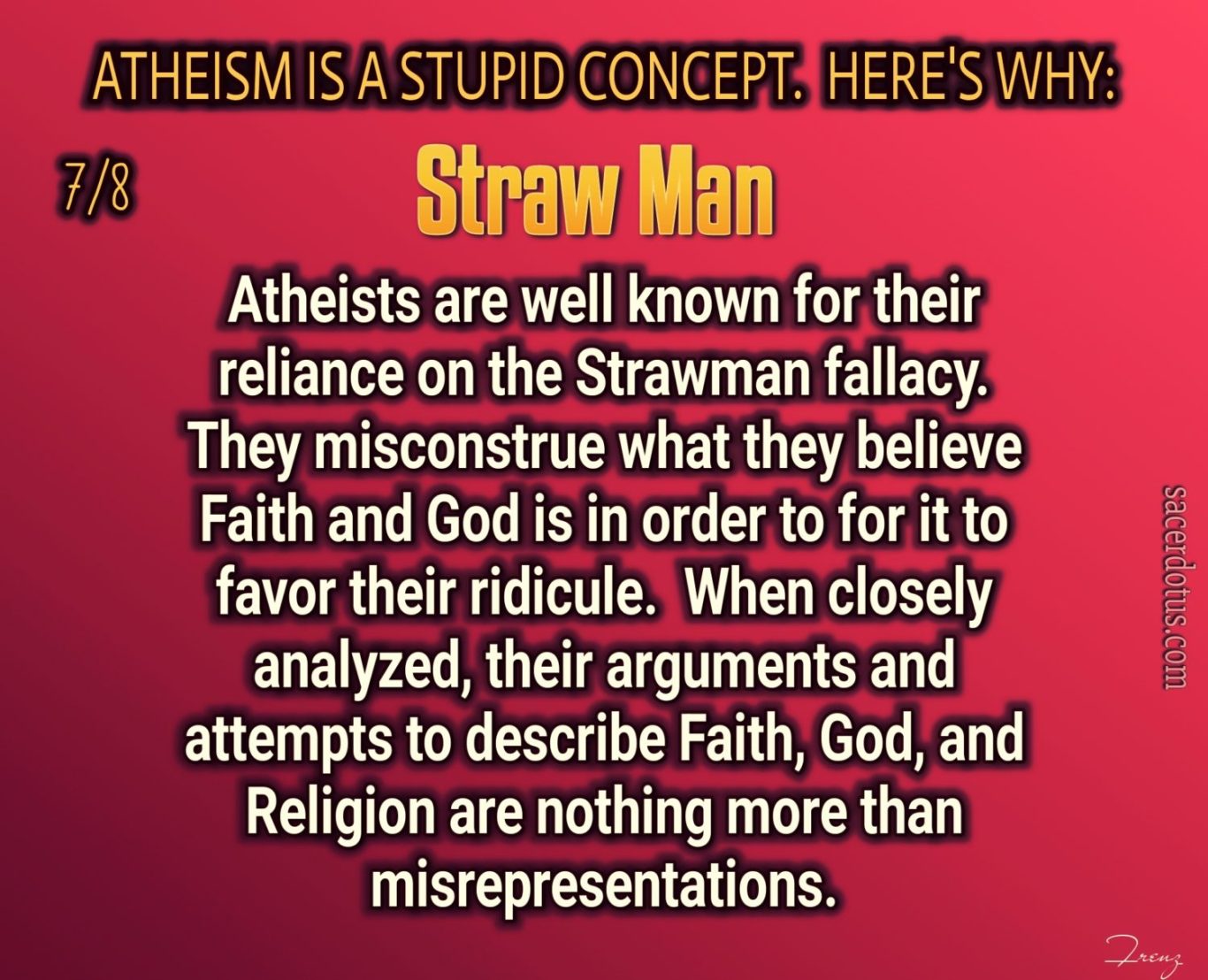
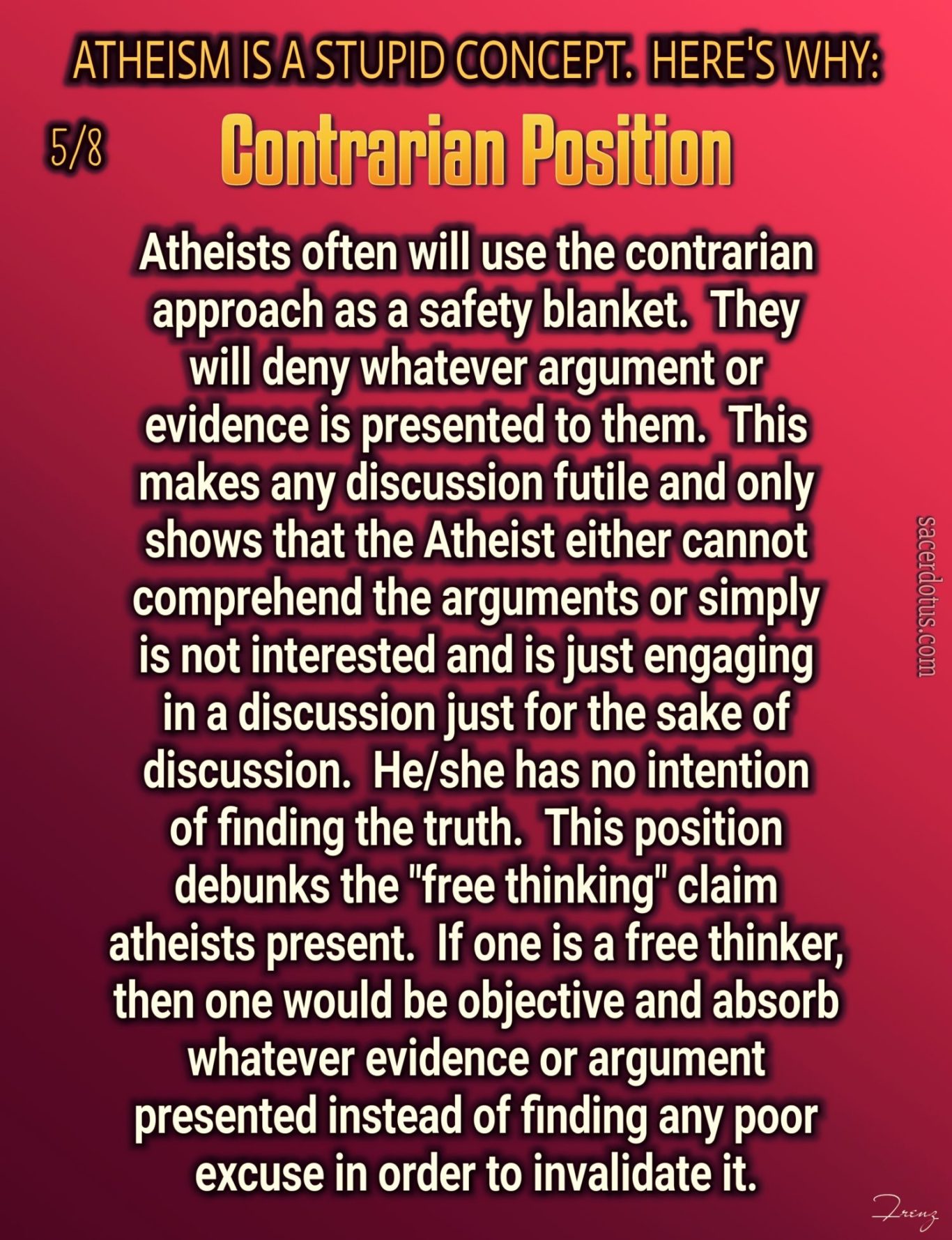
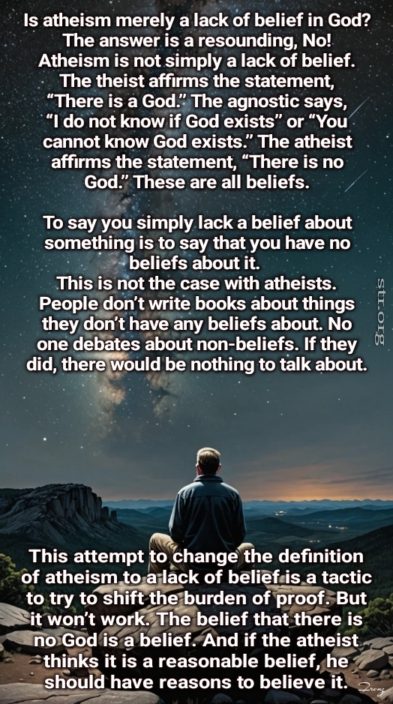

1. God’s Unchanging Nature
“For I the Lord do not change; therefore you, O children of Jacob, are not consumed.”
— Malachi 3:6 (ESV)
God’s character and existence are not altered by the shifting beliefs of humanity. He is the same yesterday, today, and forever.
“Jesus Christ is the same yesterday and today and forever.”
— Hebrews 13:8 (ESV)
2. Human Unbelief Does Not Negate God’s Reality
The apostle Paul addresses this very point:
“What if some were unfaithful? Does their faithlessness nullify the faithfulness of God? By no means! Let God be true though every one were a liar…”
— Romans 3:3–4 (ESV)
Even if people deny God or reject Him, that does not change who He is or the truth of His Word.
3. God’s Patience and Desire for Repentance
God’s response to unbelief is not to “go away,” but to patiently call people to repentance and faith, offering grace and forgiveness to all who turn to Him:
“The Lord is not slow to fulfill his promise as some count slowness, but is patient toward you, not wishing that any should perish, but that all should reach repentance.”
— 2 Peter 3:9 (ESV)
In summary:
God’s existence, character, and promises are not dependent on human belief. He remains faithful and true, inviting all people to come to Him in repentance and faith. Denial of God does not diminish His reality or His authority.