











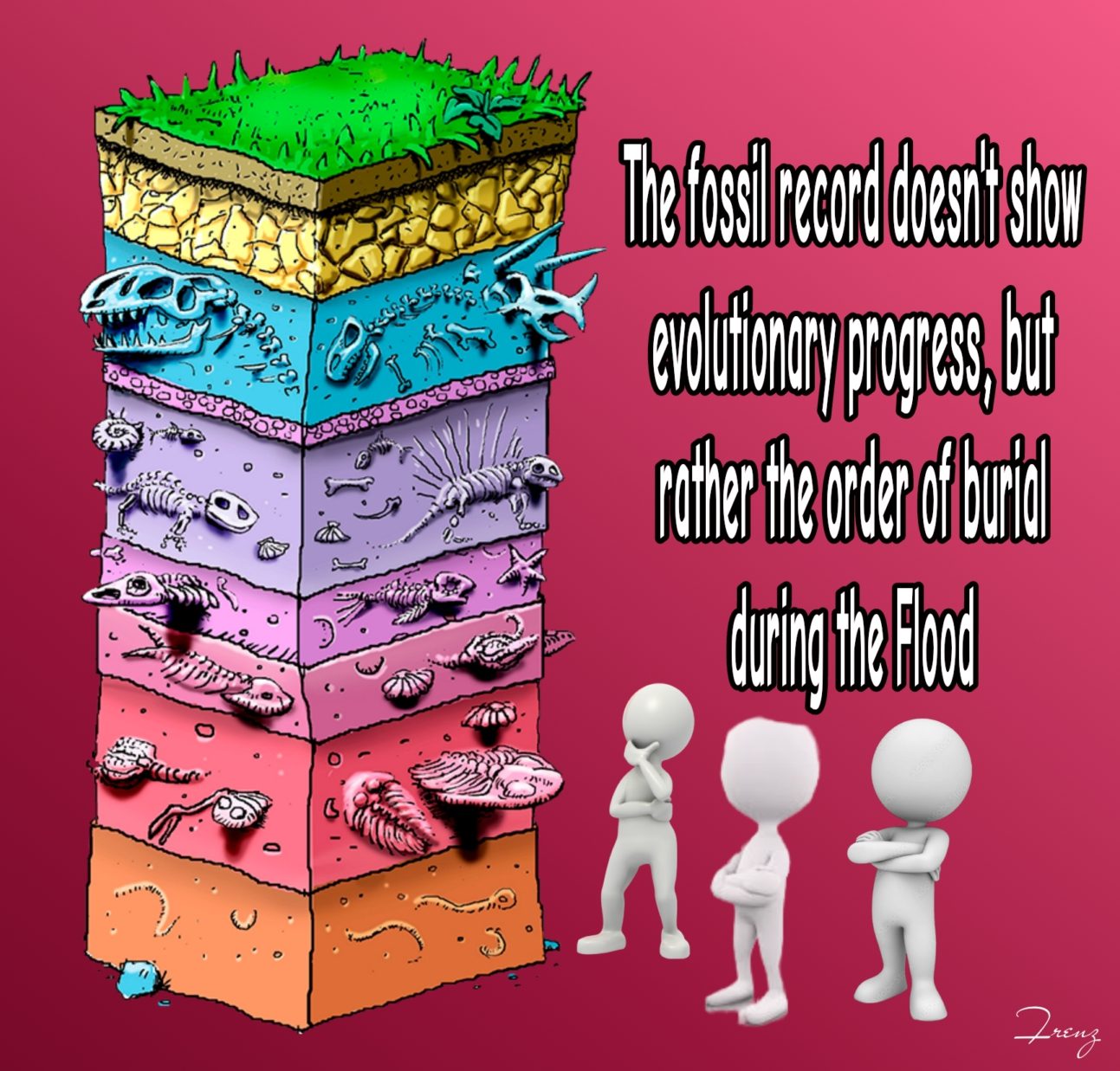

1. What Does “Prehistoric” Mean?
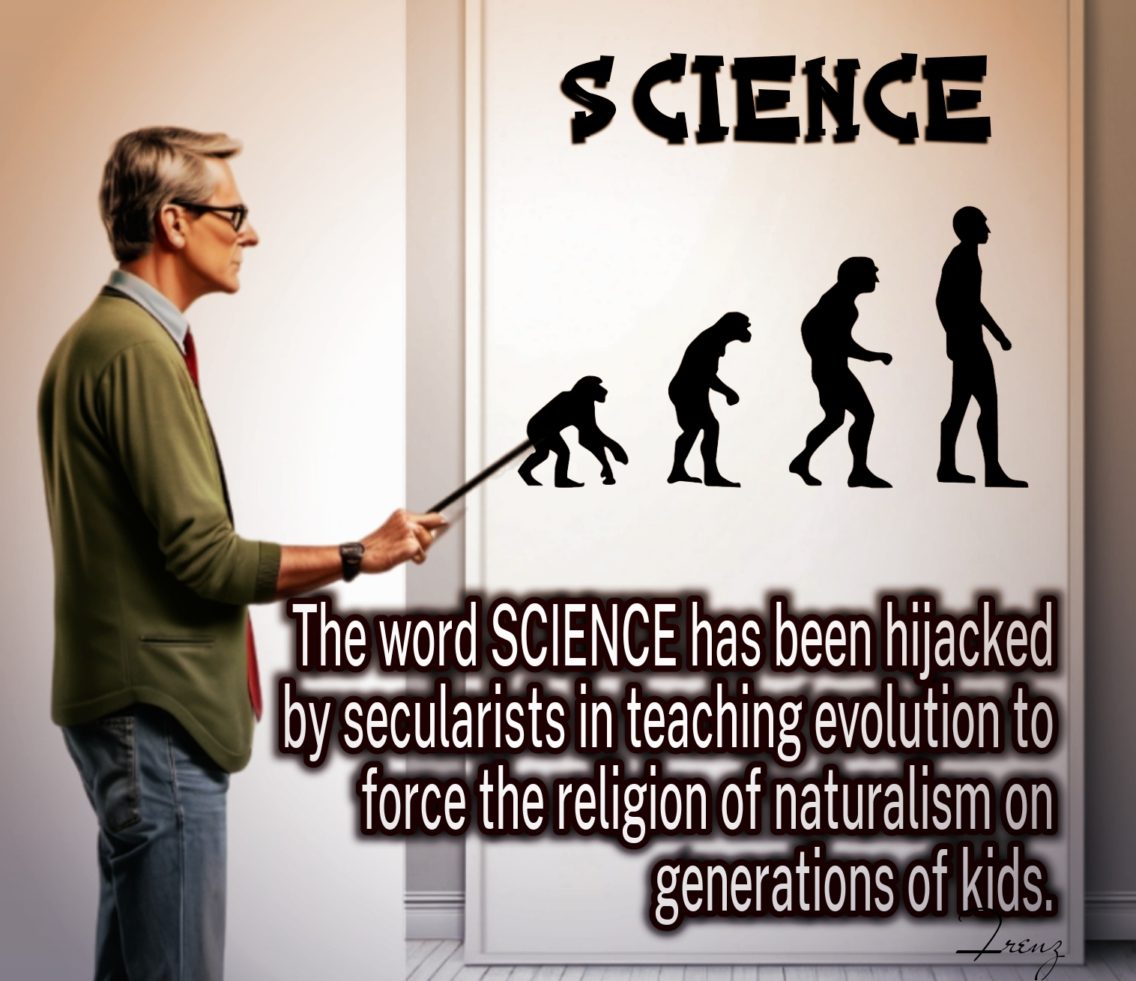
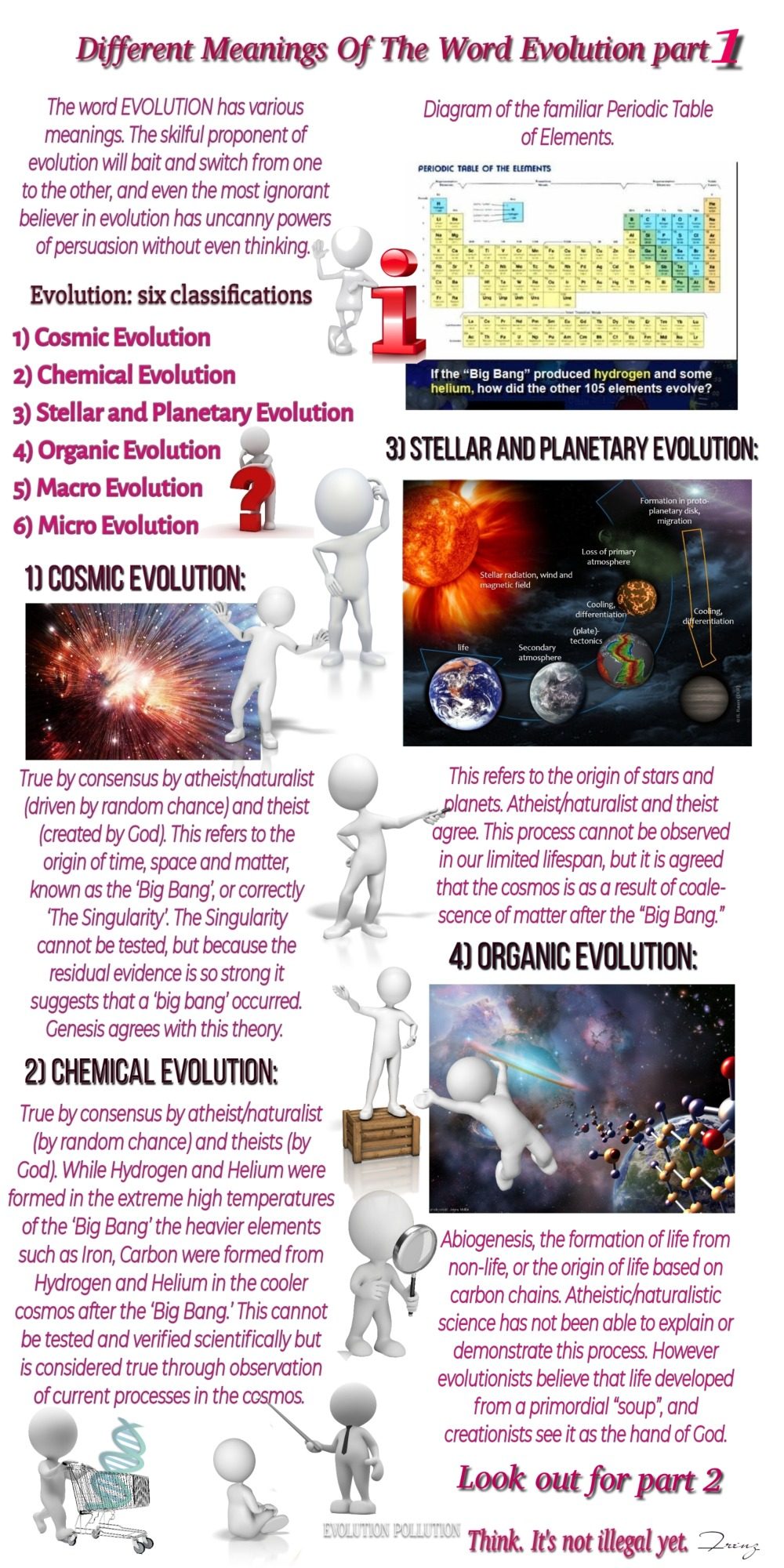
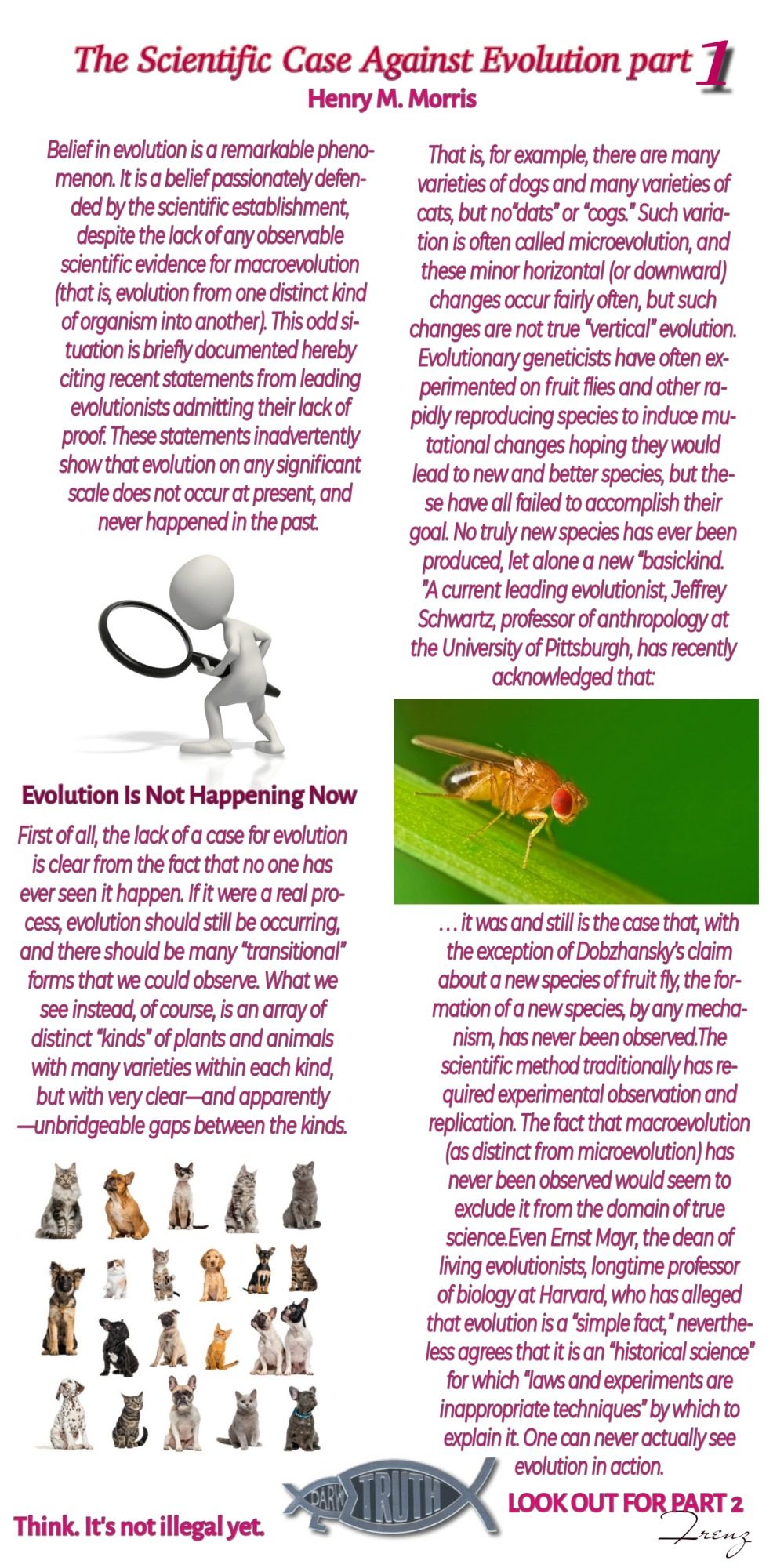
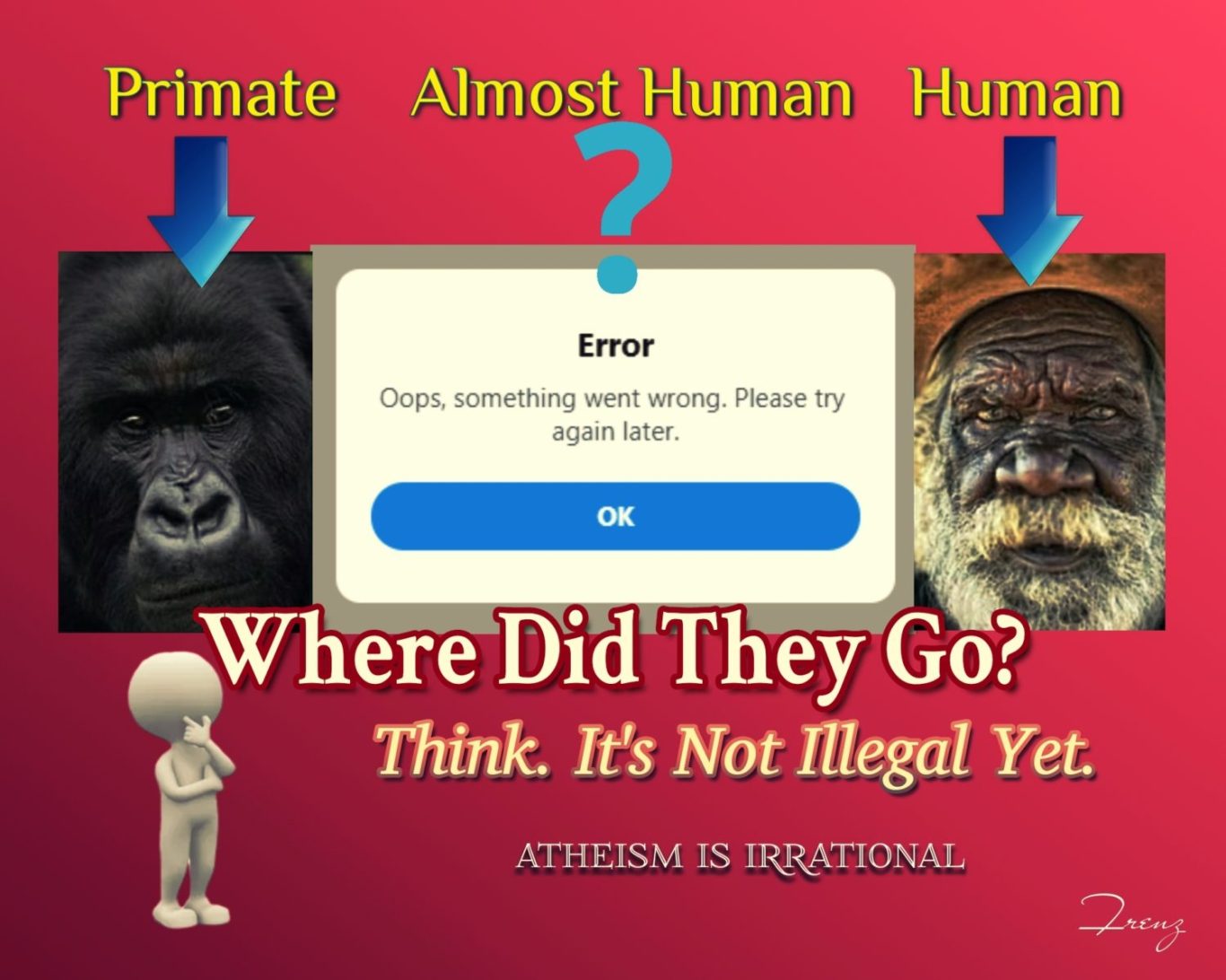
The term “prehistoric” is used by historians and scientists to refer to the time before written records. However, from a biblical perspective, all of human history begins with God’s creation of Adam and Eve, who were real, historical people.
“Then God said, ‘Let us make man in our image, after our likeness…’ So God created man in his own image, in the image of God he created him; male and female he created them.”
(Genesis 1:26–27, ESV)
2. The Bible and Human History
The Bible does not use the term “prehistoric,” nor does it suggest there was a time when humans existed but were not recording or passing down history. From the very beginning, God communicated with Adam and Eve, and their descendants kept records and genealogies (see Genesis 5 and 10).
“This is the book of the generations of Adam. When God created man, he made him in the likeness of God.”
(Genesis 5:1, ESV)
3. No Human-Like Beings Before Adam
The Bible gives no indication that there were human-like beings before Adam and Eve. According to Genesis, Adam was the first man, and Eve the first woman. All people are descended from them.
“Thus it is written, ‘The first man Adam became a living being’; the last Adam became a life-giving spirit.”
(1 Corinthians 15:45, ESV)
4. Summary
- The Bible does not recognize a “prehistoric” period for humanity; all human history begins with Adam and Eve.
- There is no biblical evidence for humans or human-like beings before Adam.
- The genealogies and records in Genesis show that history has been recorded from the beginning.
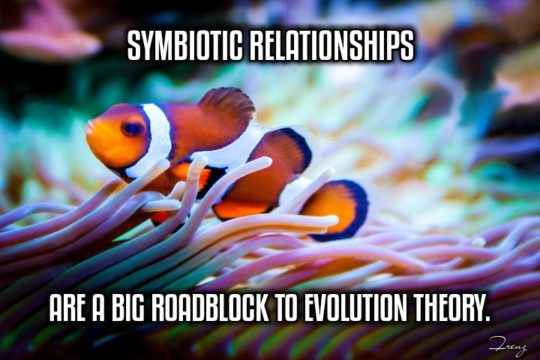
1. What Are Symbiotic Relationships?
Symbiosis refers to a close, long-term interaction between two different biological species. These relationships can be:
- Mutualistic (both benefit, e.g., bees and flowers)
- Commensalistic (one benefits, the other is unaffected)
- Parasitic (one benefits, the other is harmed)
2. Why Are Symbiotic Relationships a Challenge to Evolutionary Theory?
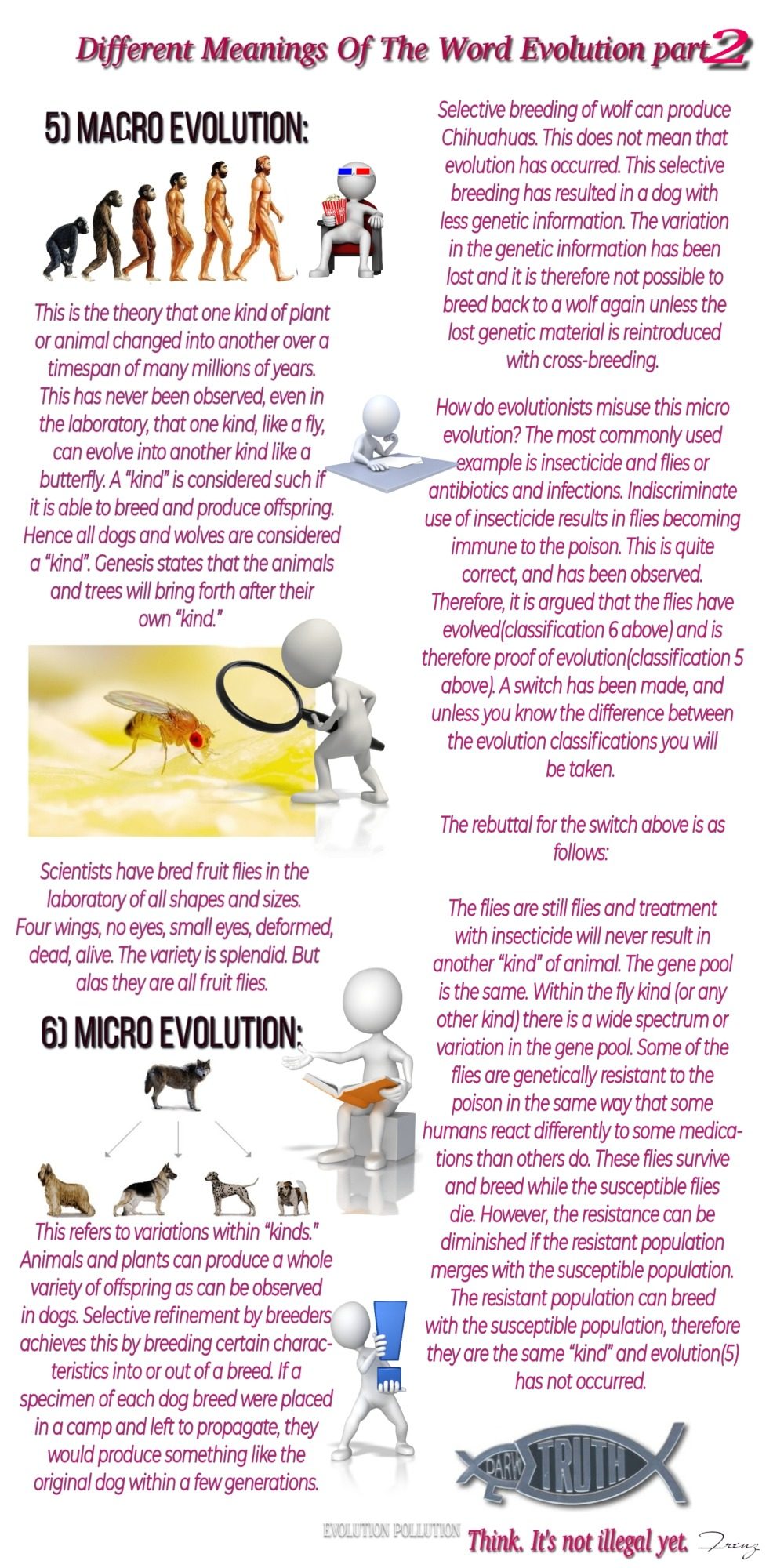
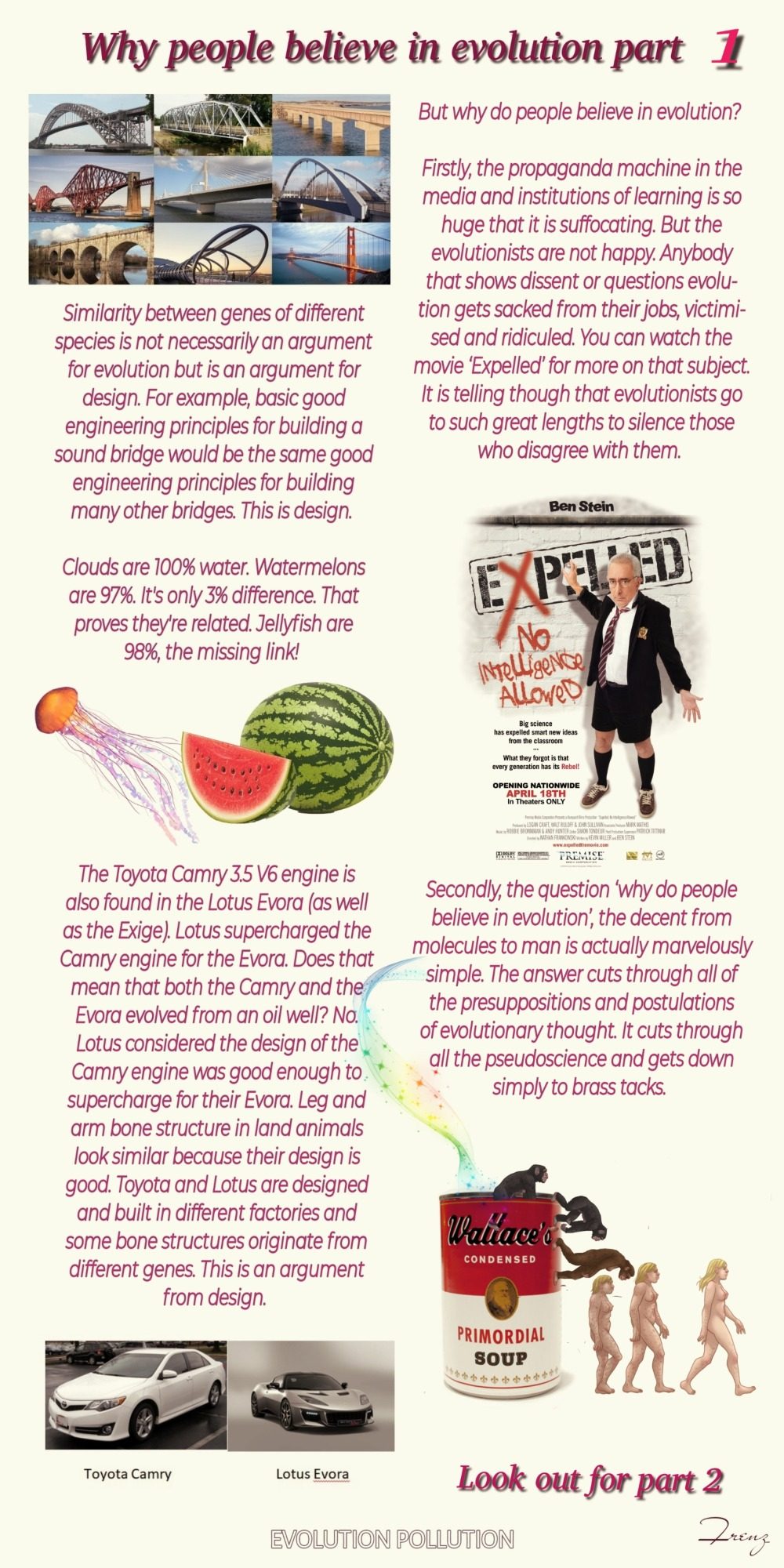
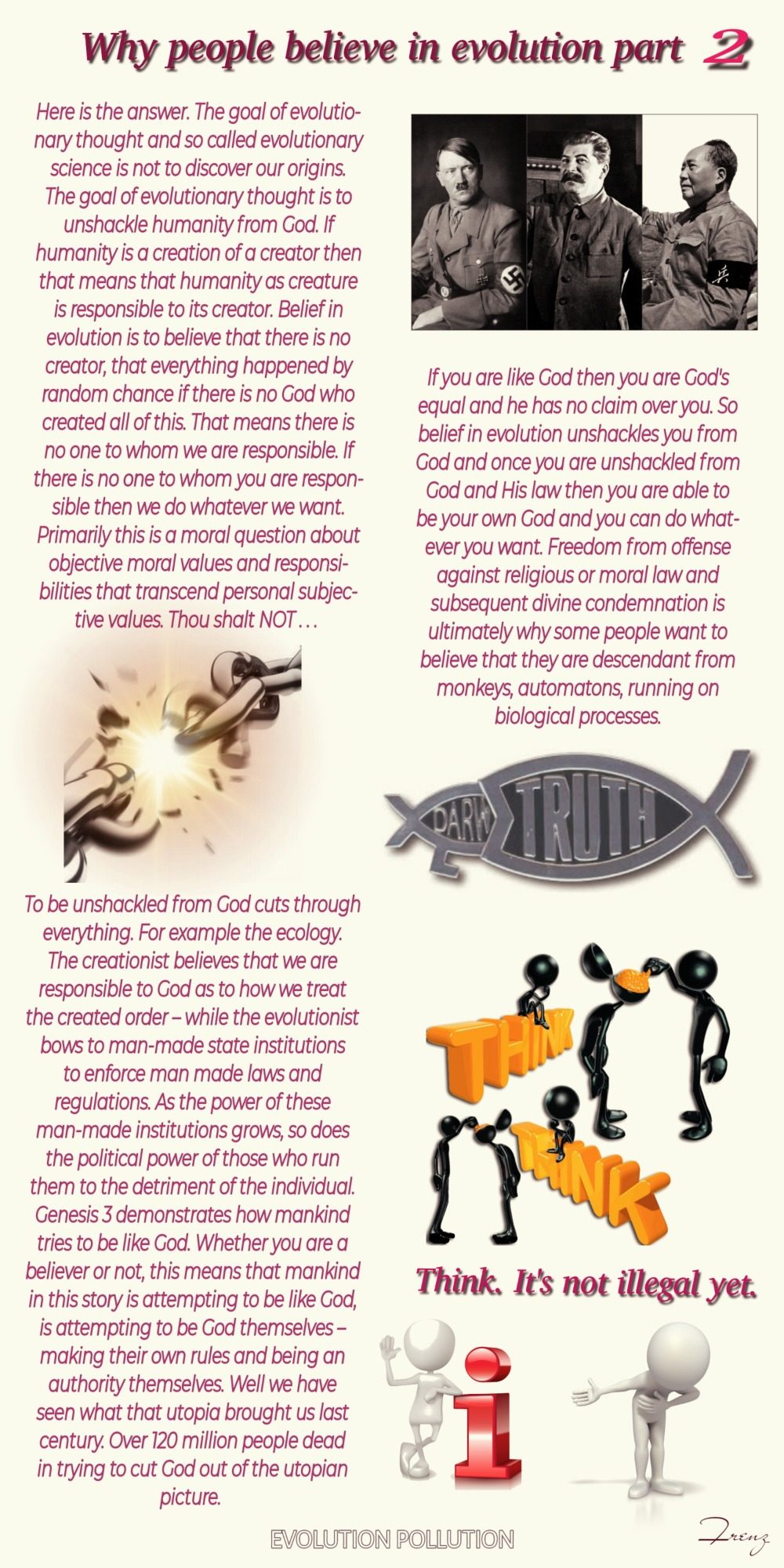
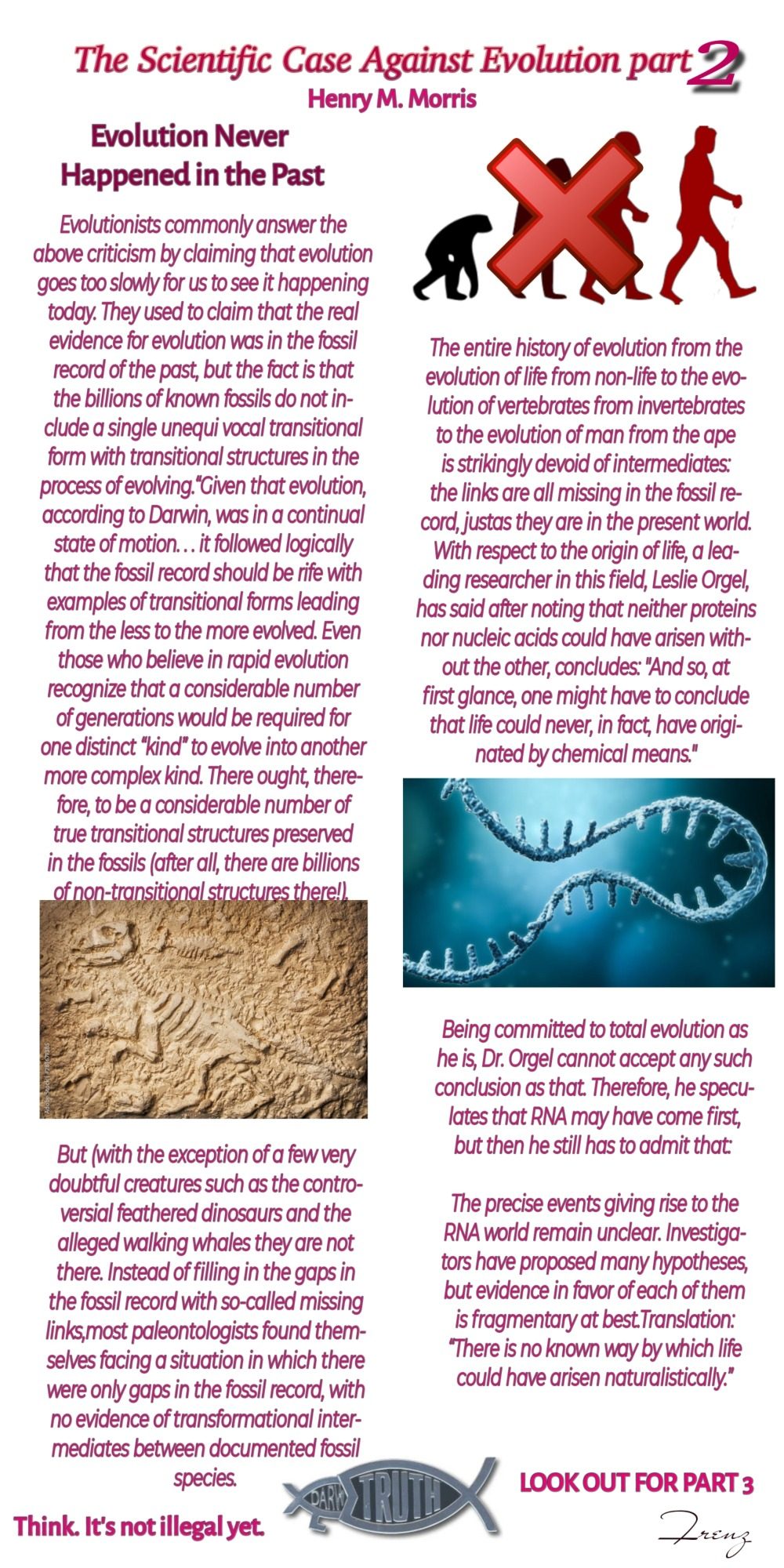
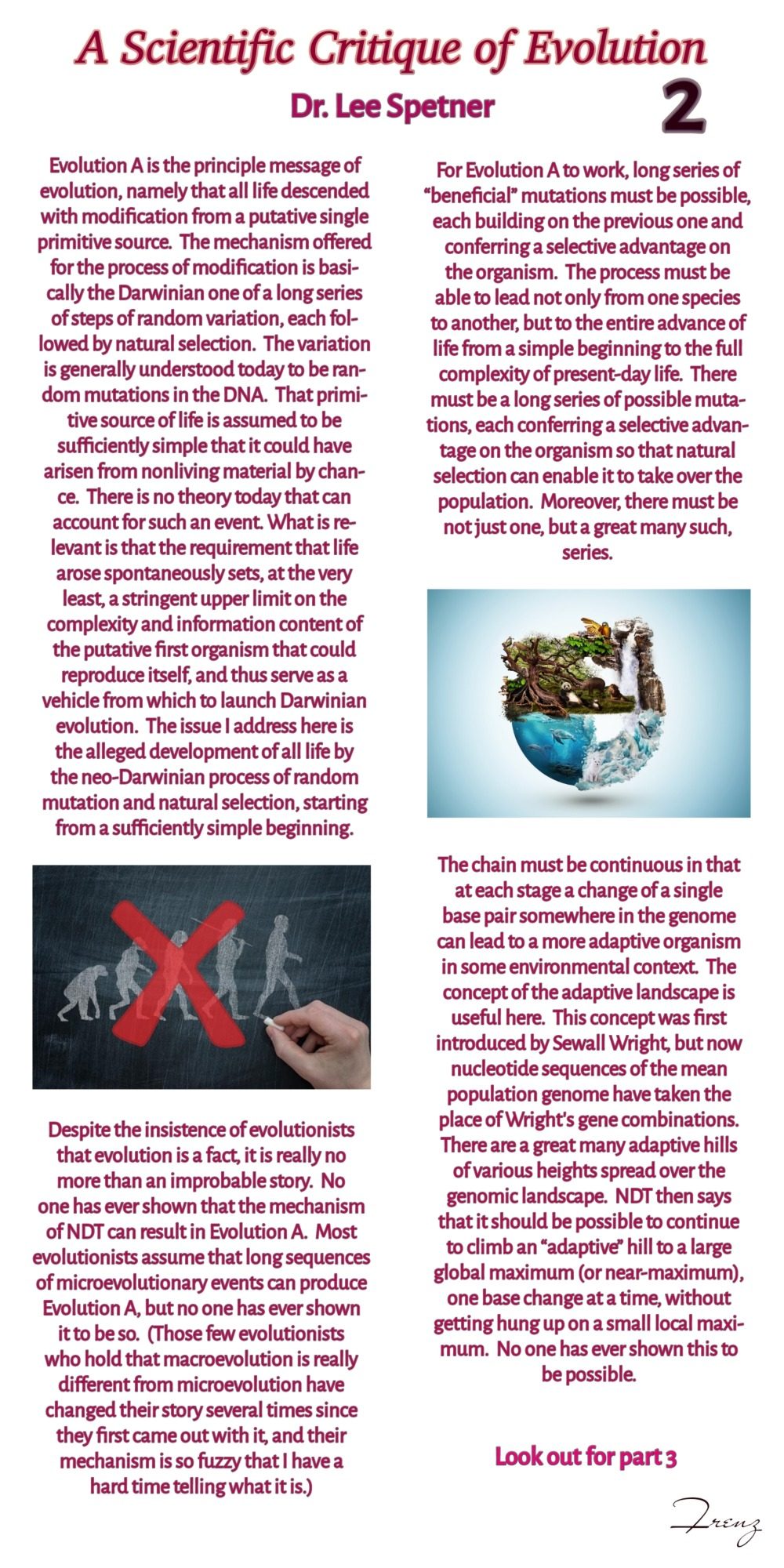
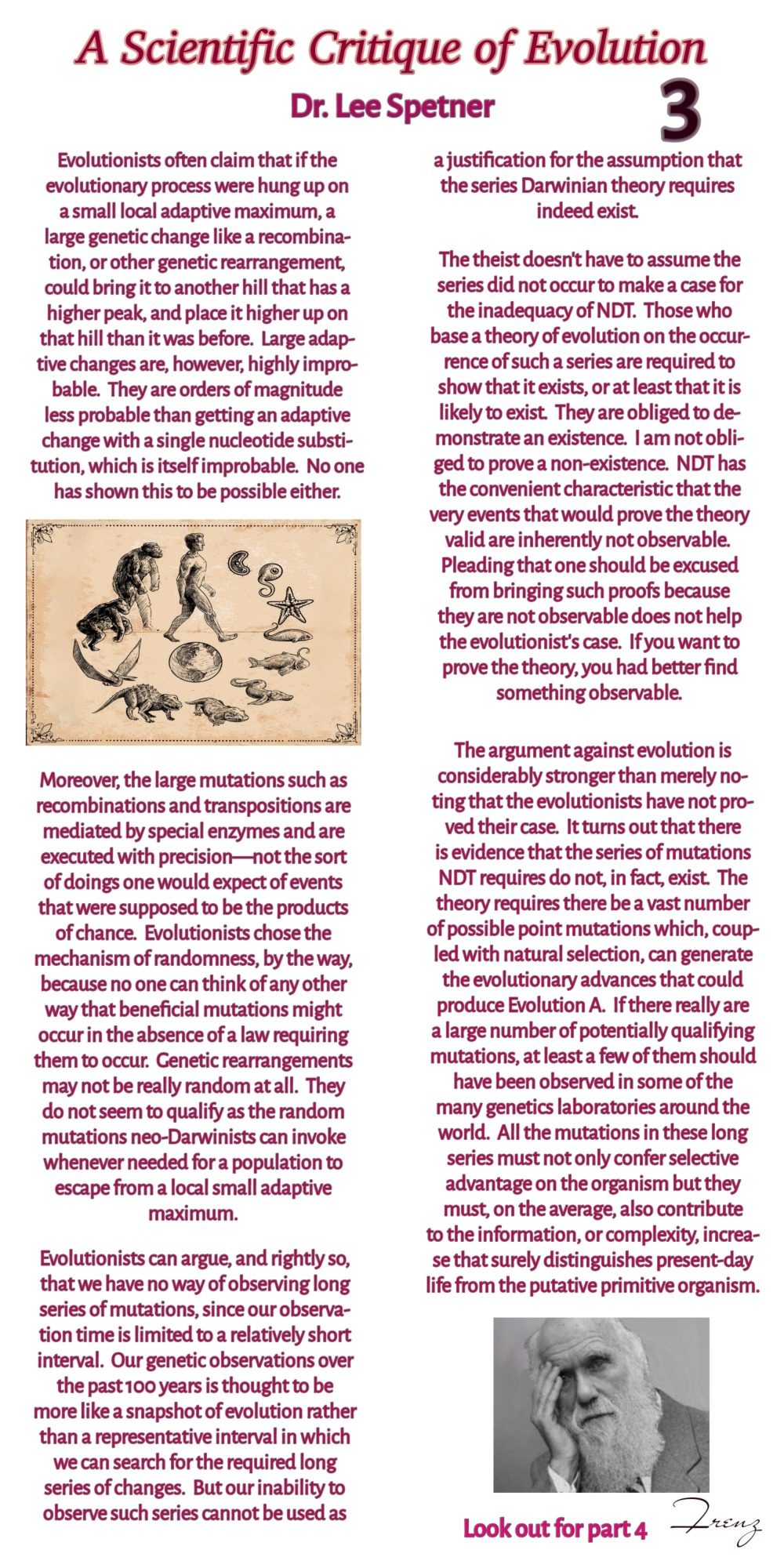
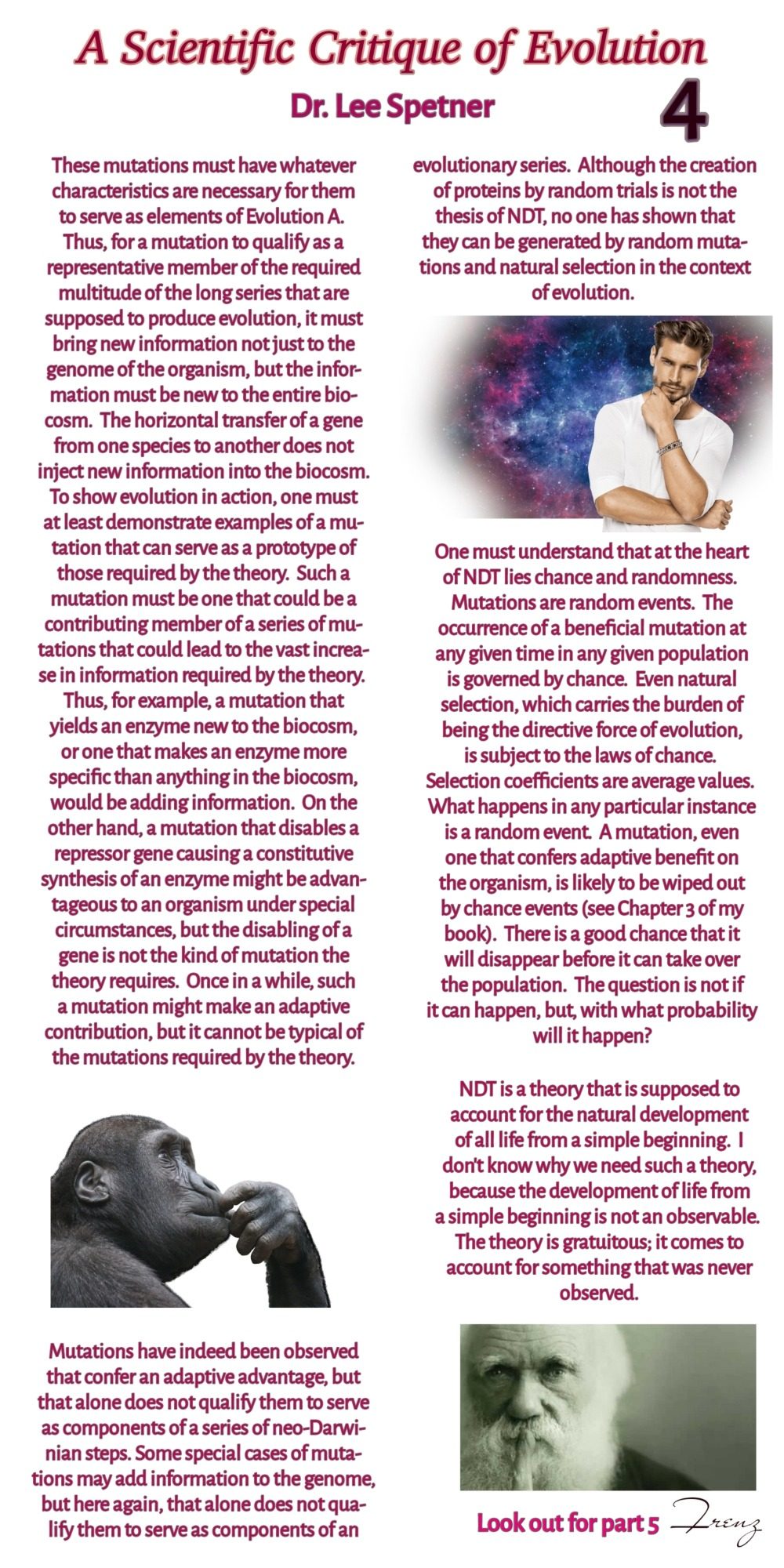
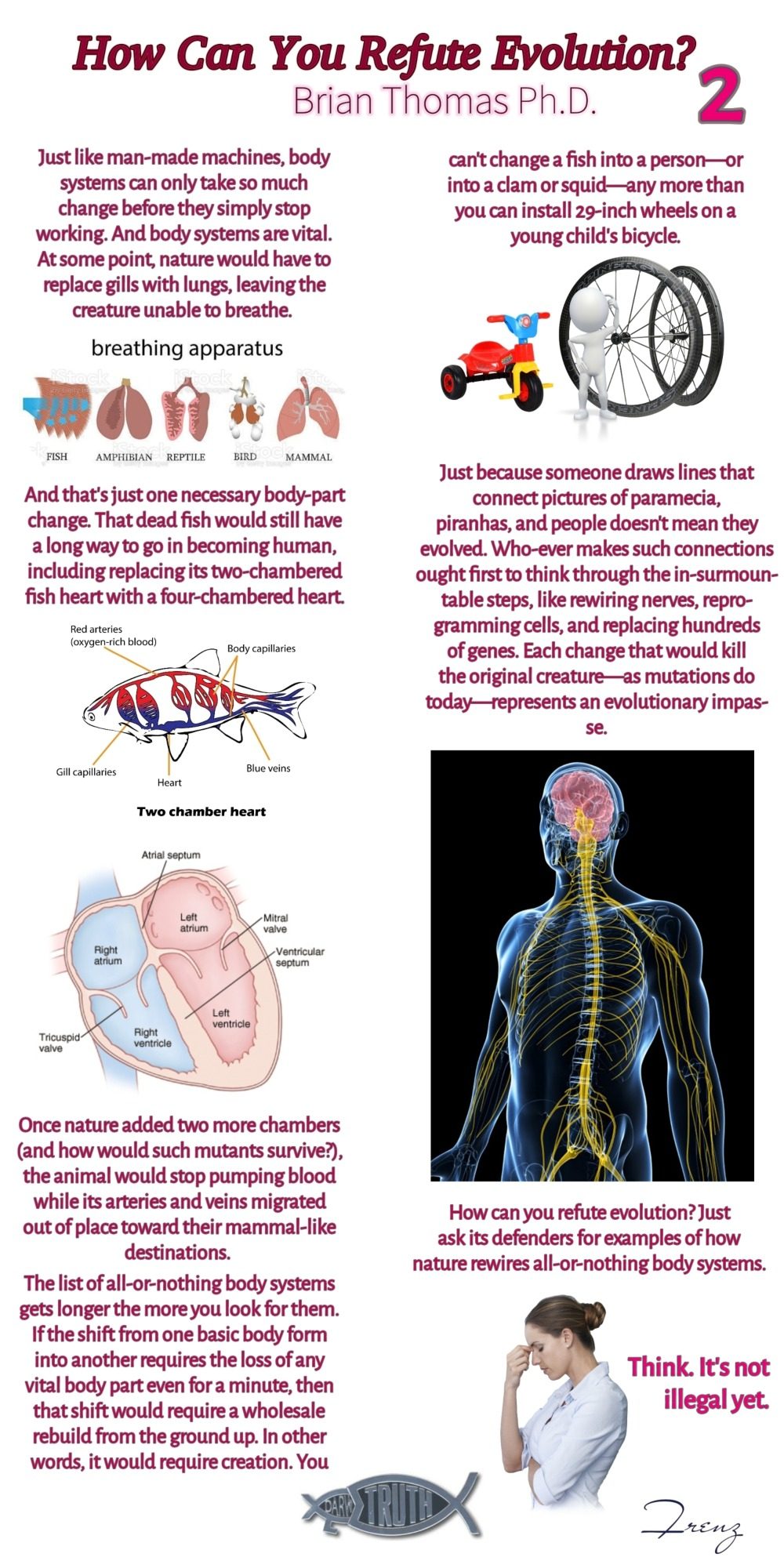
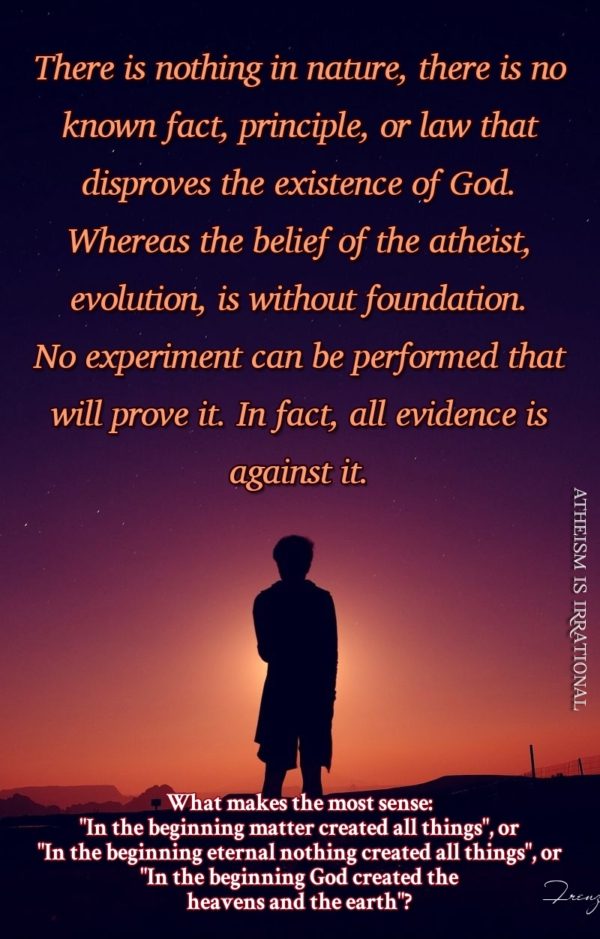
Evolutionary theory—specifically macroevolution—teaches that all life developed gradually through random mutations and natural selection over millions of years. However, many symbiotic relationships are so complex and interdependent that both species require each other to survive. This raises several challenges for evolution:
A. Irreducible Complexity
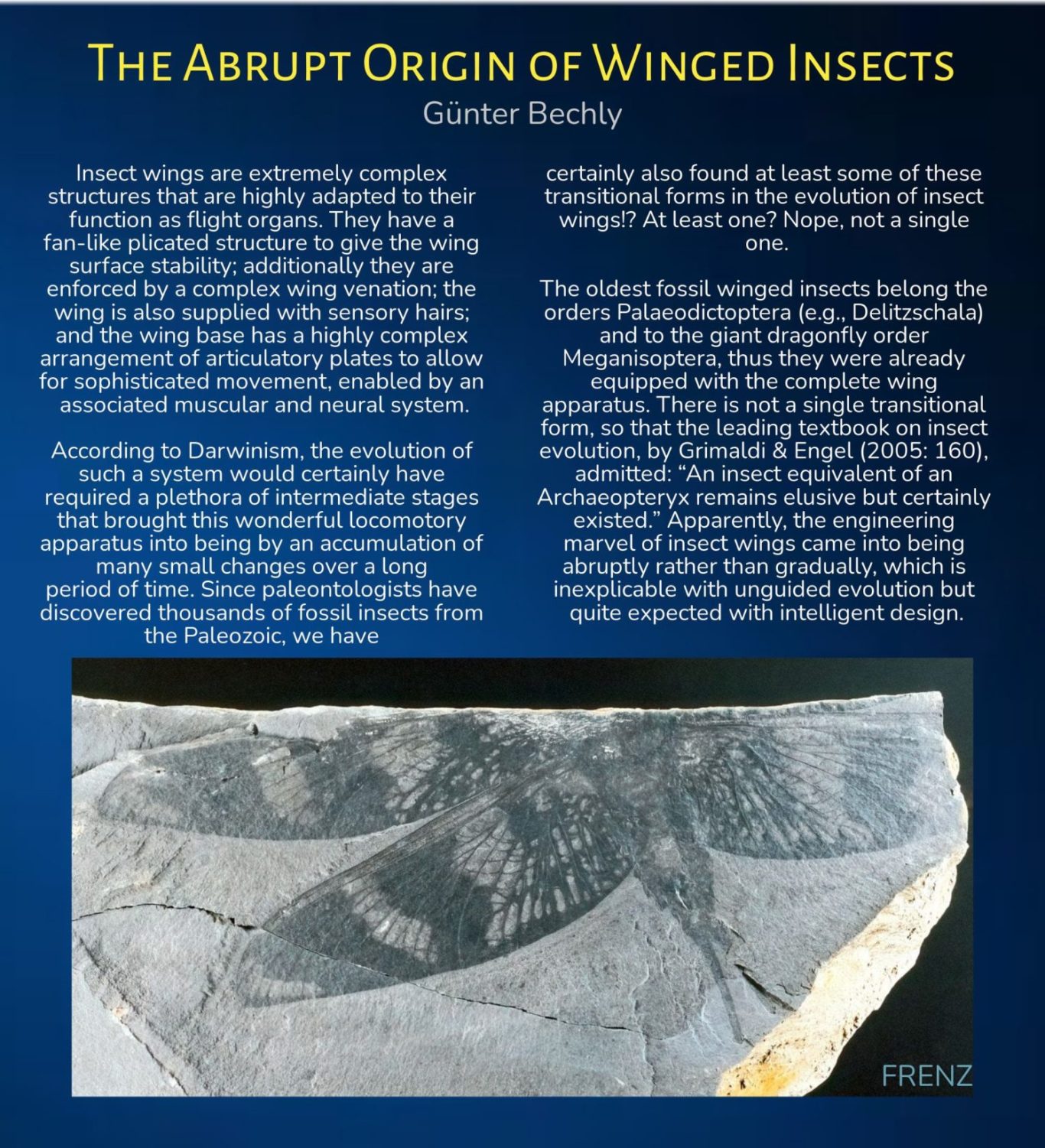
Some symbiotic systems cannot function if even one part is missing. For example, certain insects and plants depend entirely on each other for survival and reproduction. If one did not exist, the other could not survive. This “all-or-nothing” nature is difficult to explain by gradual, step-by-step evolutionary processes.
B. Simultaneous Development
For a mutualistic relationship to evolve, both species would need to develop complementary traits at the same time and place. The odds of this happening by chance are extremely low.
C. No Survival Advantage Until Complete
Many symbiotic relationships provide no benefit until both partners are fully adapted to each other. Natural selection, however, only preserves traits that offer immediate survival advantages.
3. Biblical Perspective: Intelligent Design
The Bible teaches that God created all living things according to their kinds (Genesis 1:24-25, ESV). The intricate design and interdependence seen in symbiotic relationships point to a wise Creator rather than random chance:
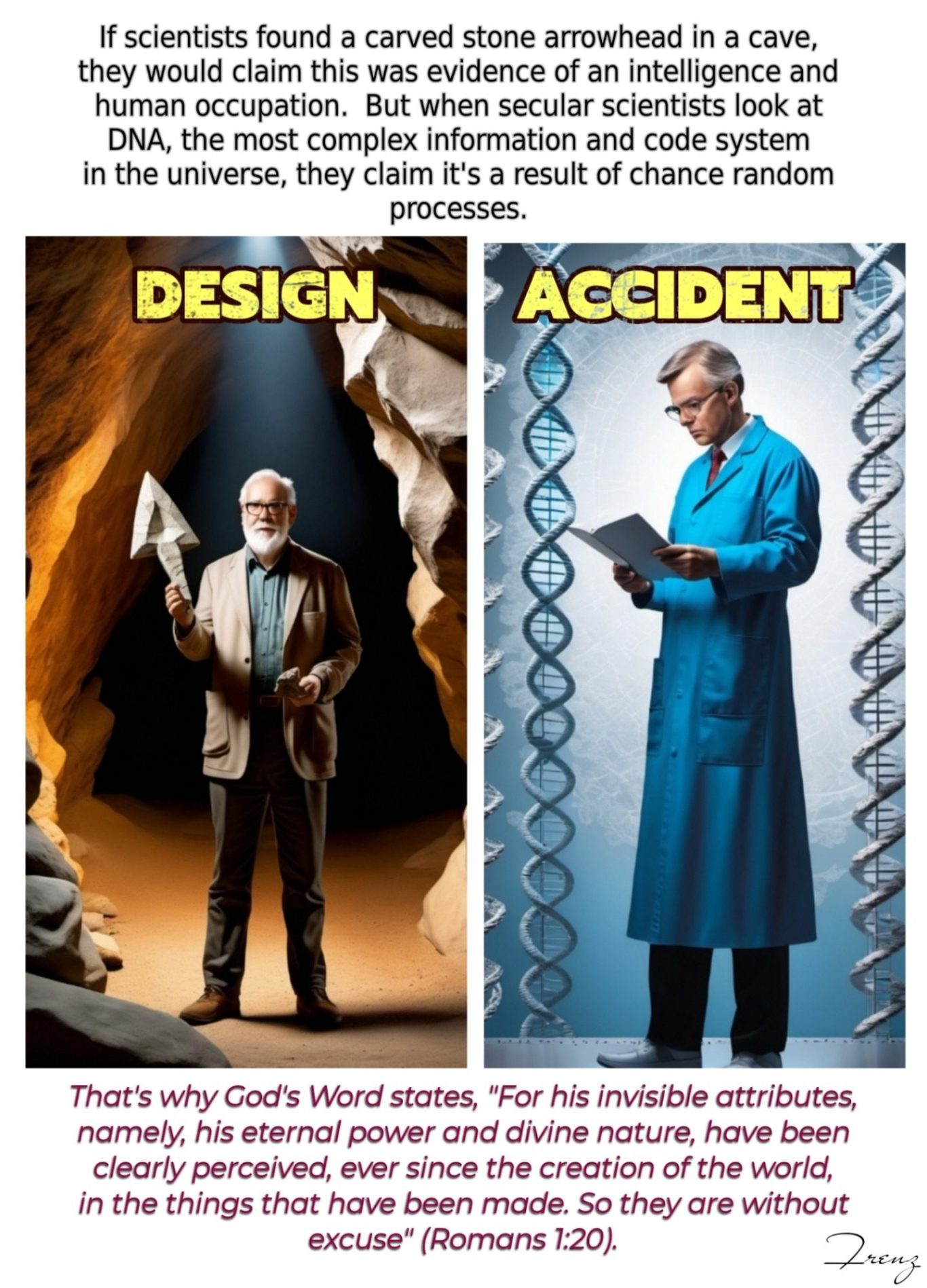
“For his invisible attributes, namely, his eternal power and divine nature, have been clearly perceived, ever since the creation of the world, in the things that have been made. So they are without excuse.”
(Romans 1:20, ESV)
“O LORD, how manifold are your works! In wisdom have you made them all; the earth is full of your creatures.”
(Psalm 104:24, ESV)
“In the beginning, God created the heavens and the earth.”
(Genesis 1:1, ESV)
4. Summary
- Symbiotic relationships often display irreducible complexity and interdependence that are difficult to explain by gradual evolution.
- These relationships strongly support the idea of Intelligent Design—that a wise Creator made living things to work together in harmony.
- The Bible affirms that God’s creation reflects His wisdom and power.
1. Scientific Claims and Their Limits
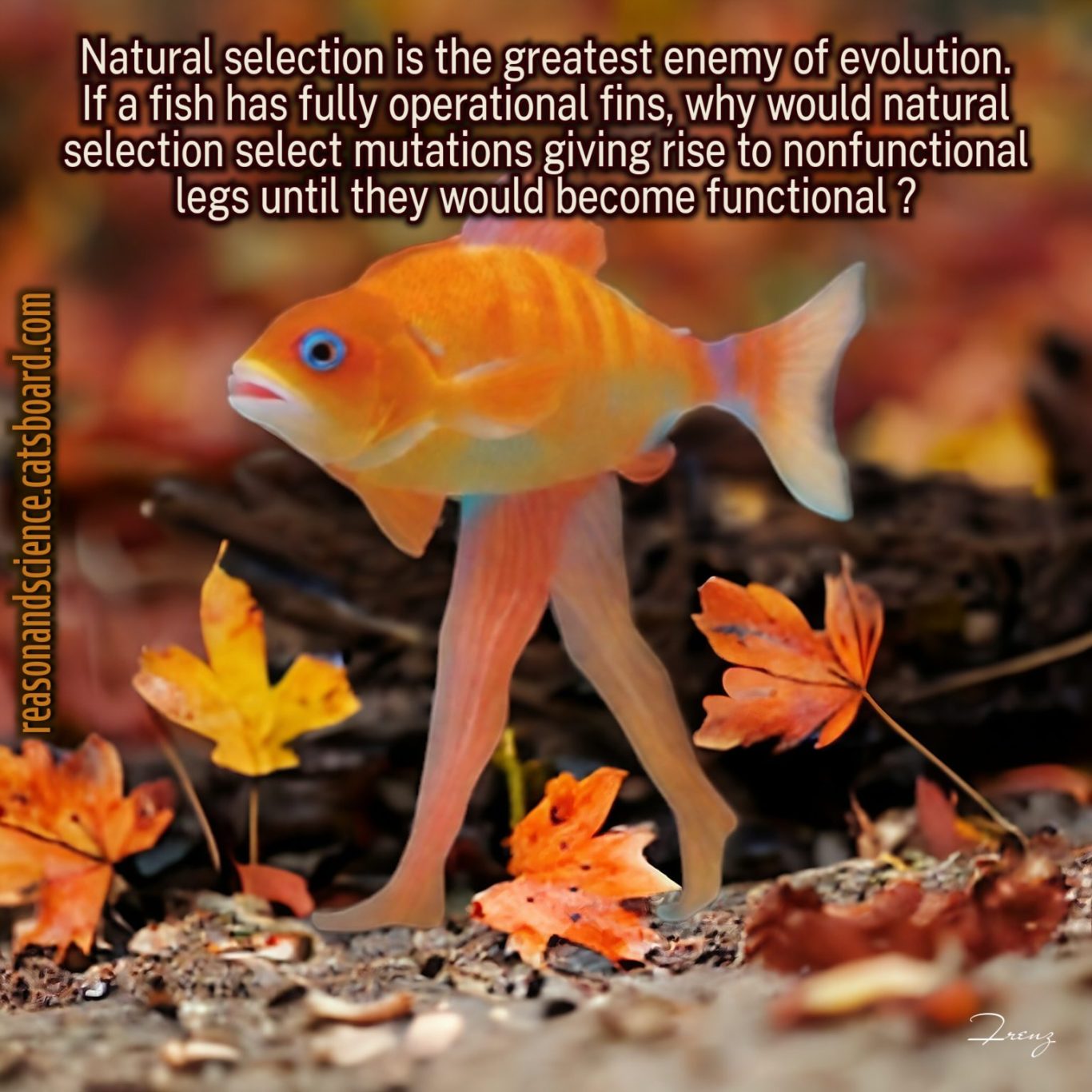
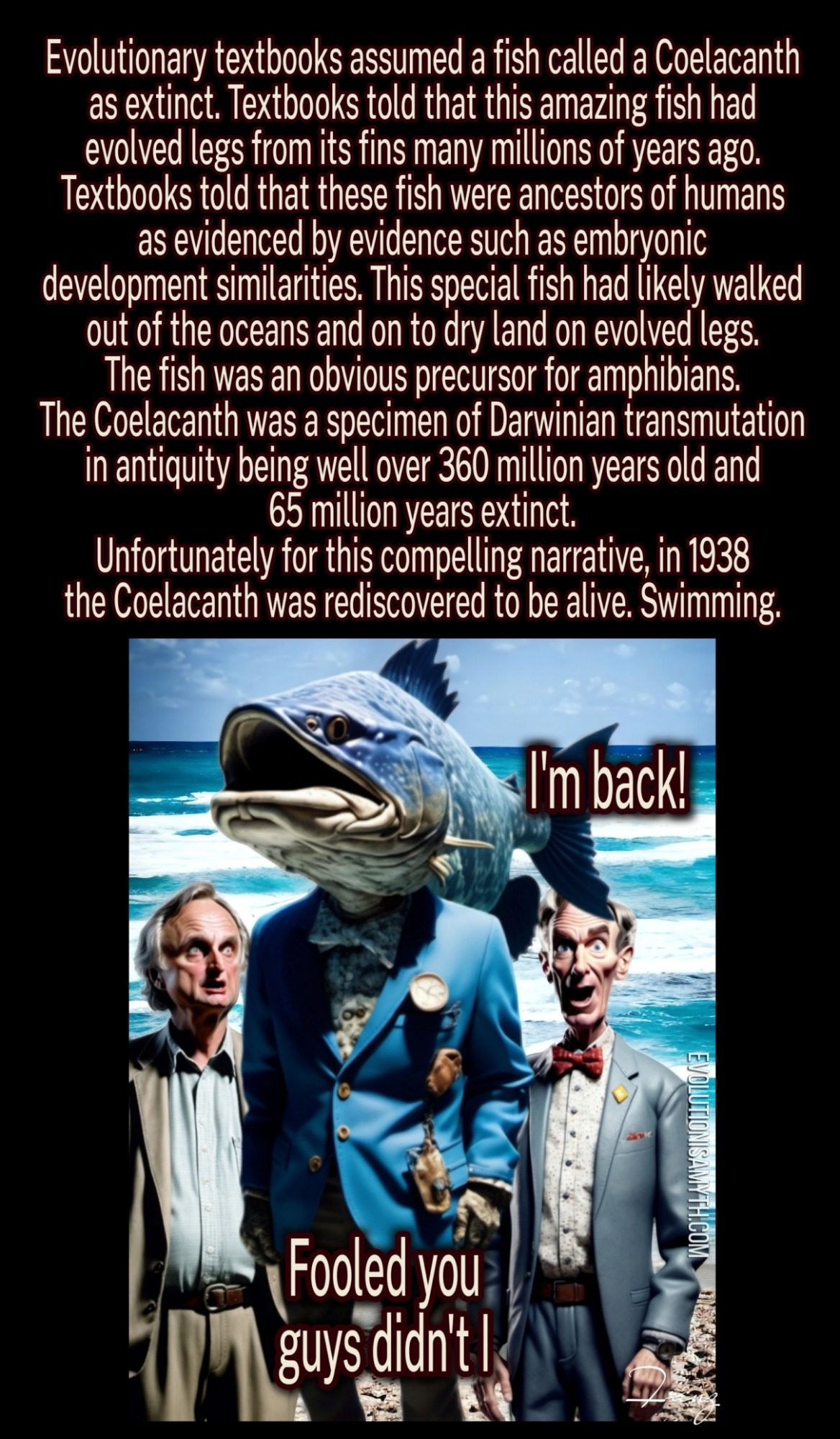
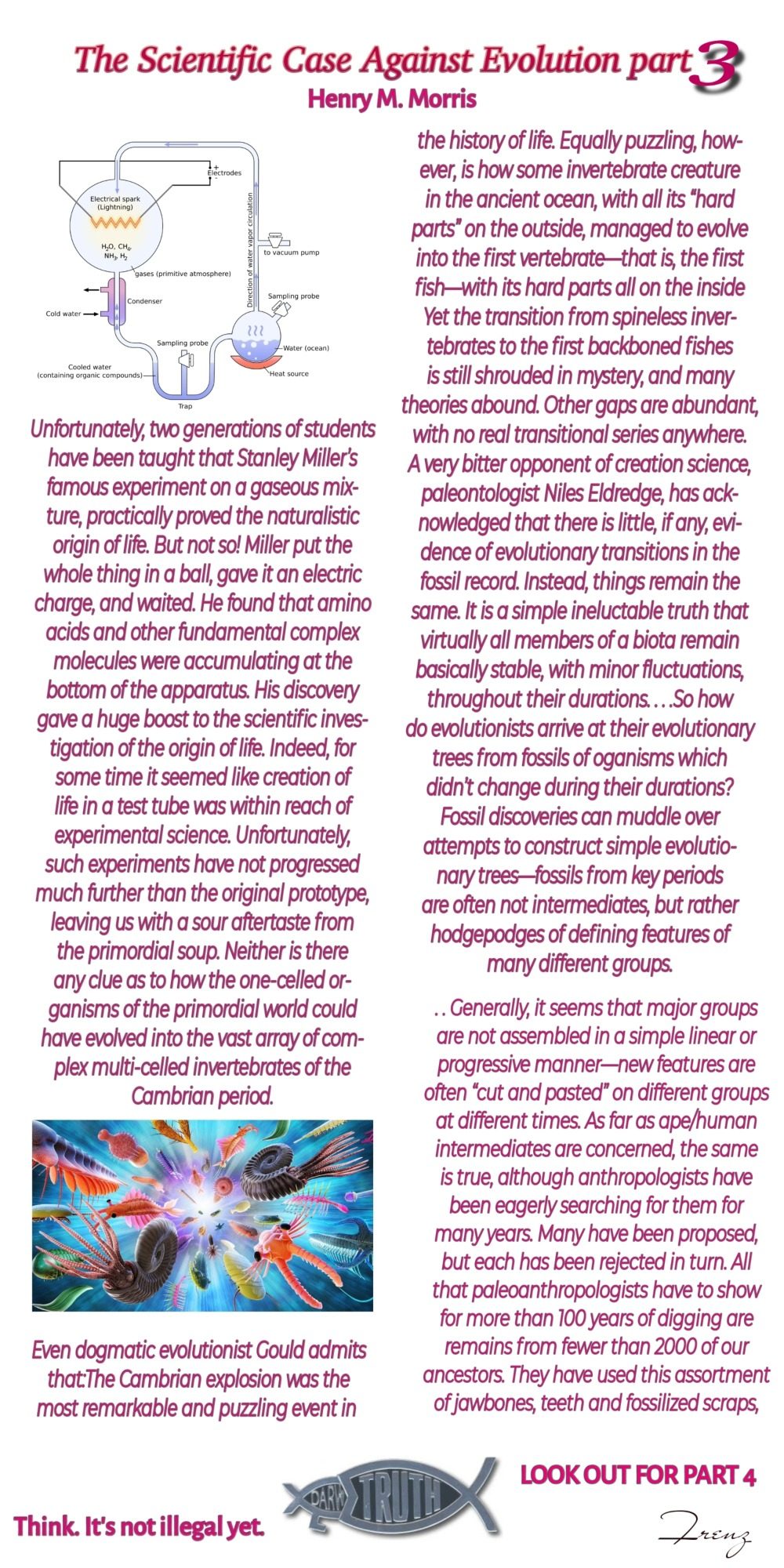
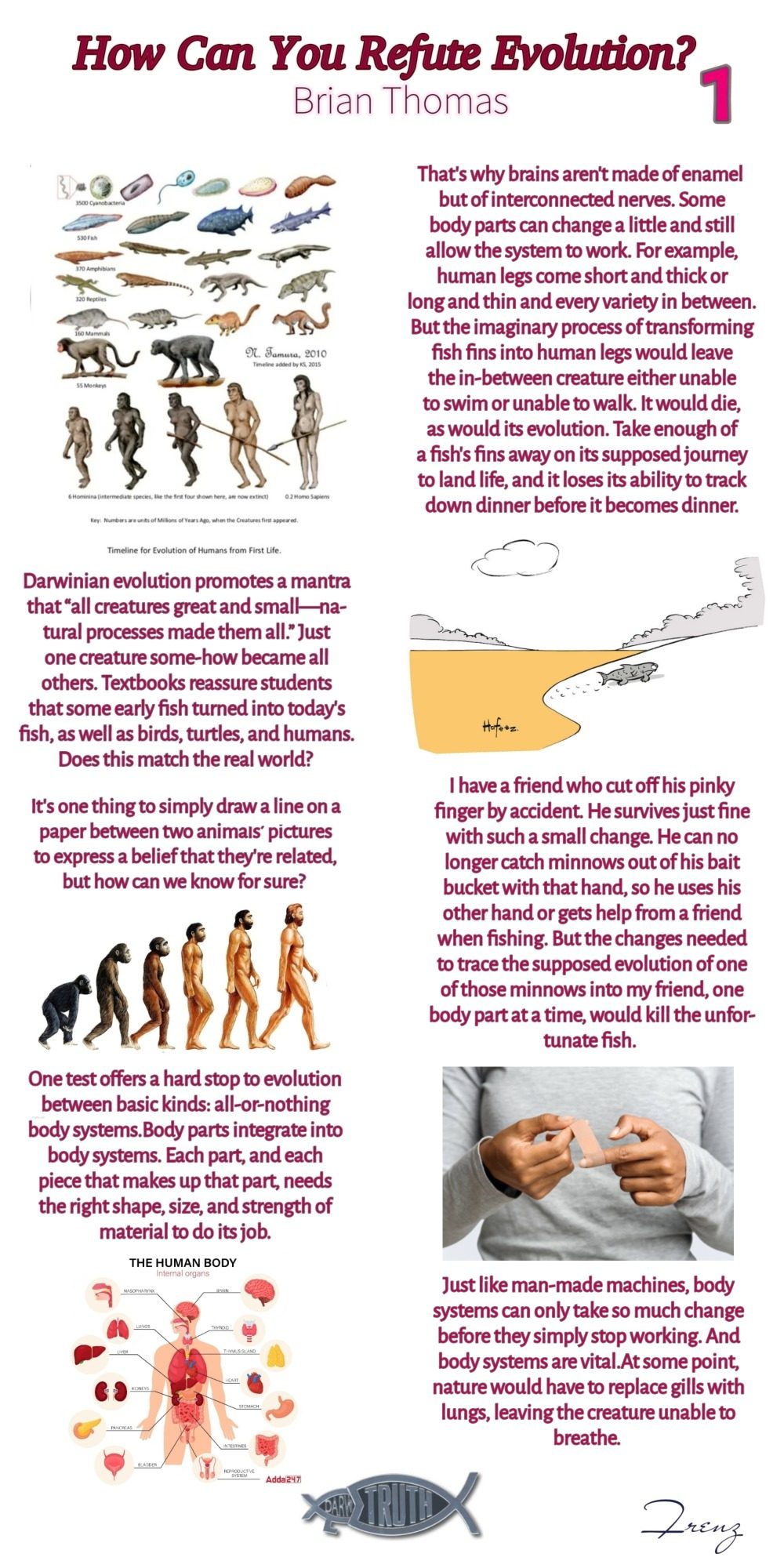
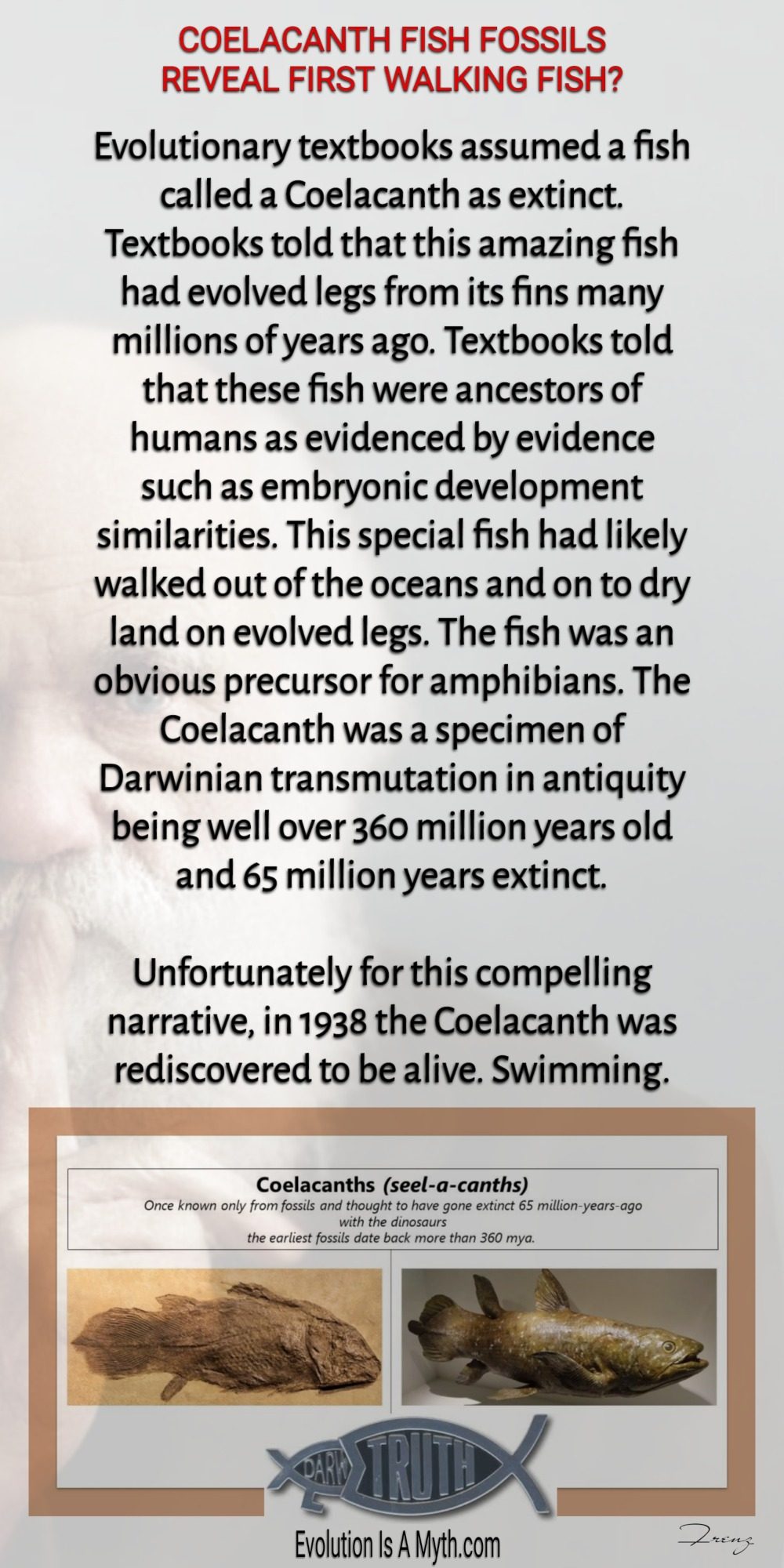
Many evolutionary biologists argue that tetrapods evolved from lobe-finned fish through a gradual process involving transitional forms. However, as highlighted in Casey Luskin’s critique of Darrel Falk’s claims about limb bones in fish fins:
“There is no evidence that there’s any new functionality added by these bones, much less any functionality that is like that of a tetrapod limb. In other words, there’s no evidence that these mutations would yield any kind of a functional advantage that could provide a benefit towards survival and reproduction, were they to occur in the wild.”
(Casey Luskin, “Revealing Darrel Falk’s Overstatements about Limb Bones in Fish Fins”)
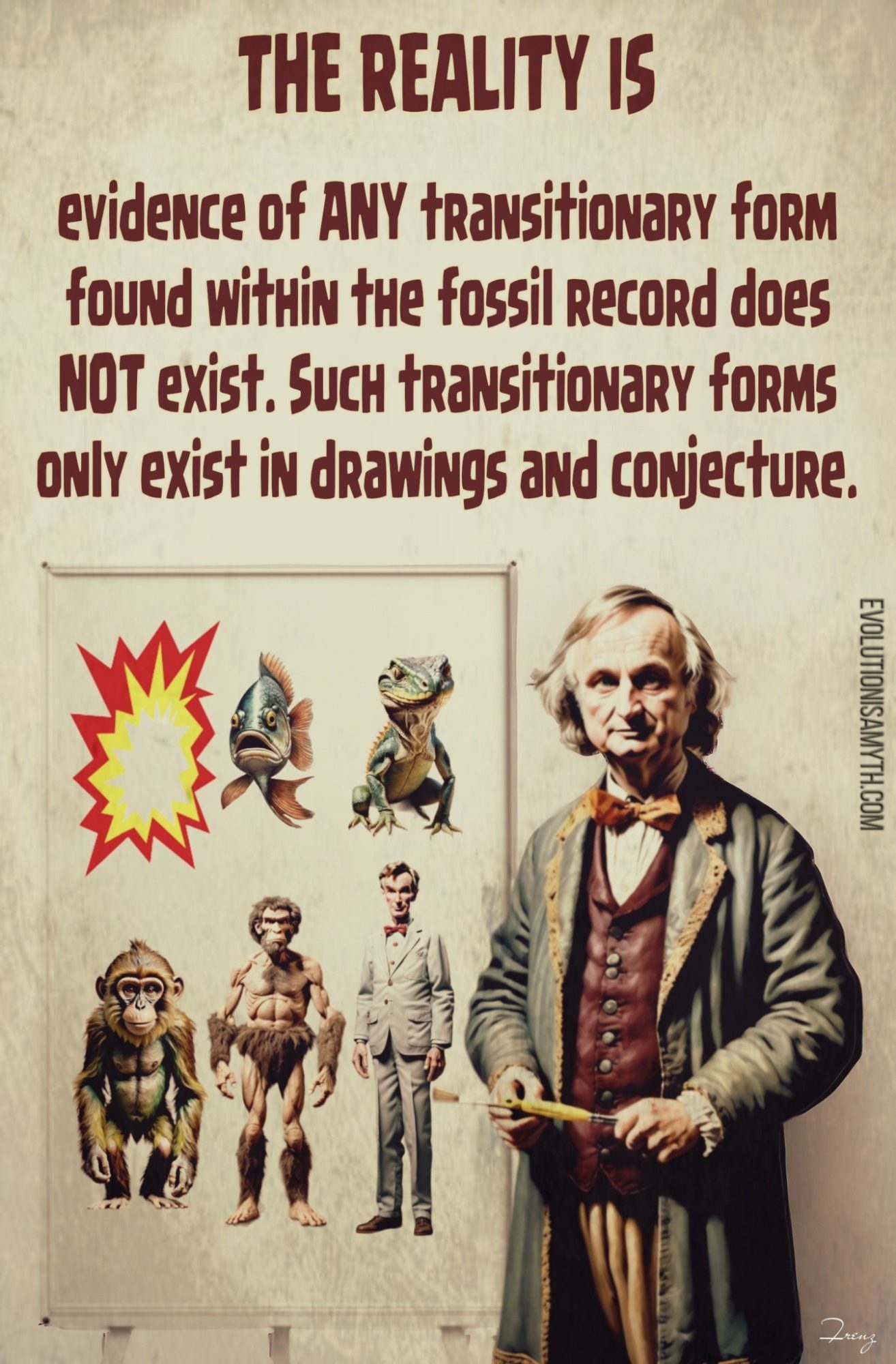
This means that while some experiments have produced extra bones in fish fins, these do not demonstrate the origin of functional, weight-bearing limbs as seen in tetrapods. The supposed “transitional forms” do not show the kind of stepwise, functional innovation required by Darwinian evolution.
2. The Cambrian Explosion and Sudden Appearance
The fossil record presents another challenge to the evolutionary narrative. As Günter Bechly notes regarding the Cambrian Explosion:
“The collapse of the Ediacaran fauna is followed by the spectacular radiation of novel life-forms known as the Cambrian explosion. All of the main body plans that we know now evolved in as little as about 10 million years.”
(Scheffer, 2009, quoted by Bechly)
There is a sudden appearance of complex, fully formed animal body plans—including the ancestors of tetrapods—without clear evolutionary precursors. This abrupt emergence is difficult to reconcile with the slow, gradual changes predicted by macroevolution.
3. Biblical Perspective: Special Creation
The Bible teaches that God created all living things according to their kinds:
“And God said, ‘Let the earth bring forth living creatures according to their kinds: livestock and creeping things and beasts of the earth according to their kinds.’ And it was so.”
(Genesis 1:24, ESV)
Human beings, in particular, are described as a unique creation—not the product of an evolutionary process from lower animals:
“Then the LORD God formed the man of dust from the ground and breathed into his nostrils the breath of life, and the man became a living creature.”
(Genesis 2:7, ESV)
The New Testament affirms that all things were created by Christ and for Him:
“For by him all things were created, in heaven and on earth, visible and invisible, whether thrones or dominions or rulers or authorities—all things were created through him and for him.”
(Colossians 1:16, ESV)
4. Intelligent Design and Scientific Integrity
The Intelligent Design movement points out that the complexity and functionality of tetrapod limbs, and the information required for such structures, cannot be explained by random mutations and natural selection alone. As Luskin and others argue, the evidence for functional innovation through unguided processes is lacking.
Conclusion
- The evolutionary story of tetrapod origins lacks direct, functional evidence for the stepwise transformation of fish fins into weight-bearing limbs.
- The fossil record, especially the Cambrian Explosion, shows the sudden appearance of complex body plans, not gradual transitions.
- The Bible teaches that God specially created all living things according to their kinds, which aligns with the lack of transitional evidence.
- Scientific observations about the complexity of life are consistent with the biblical account of creation and the principles of Intelligent Design.
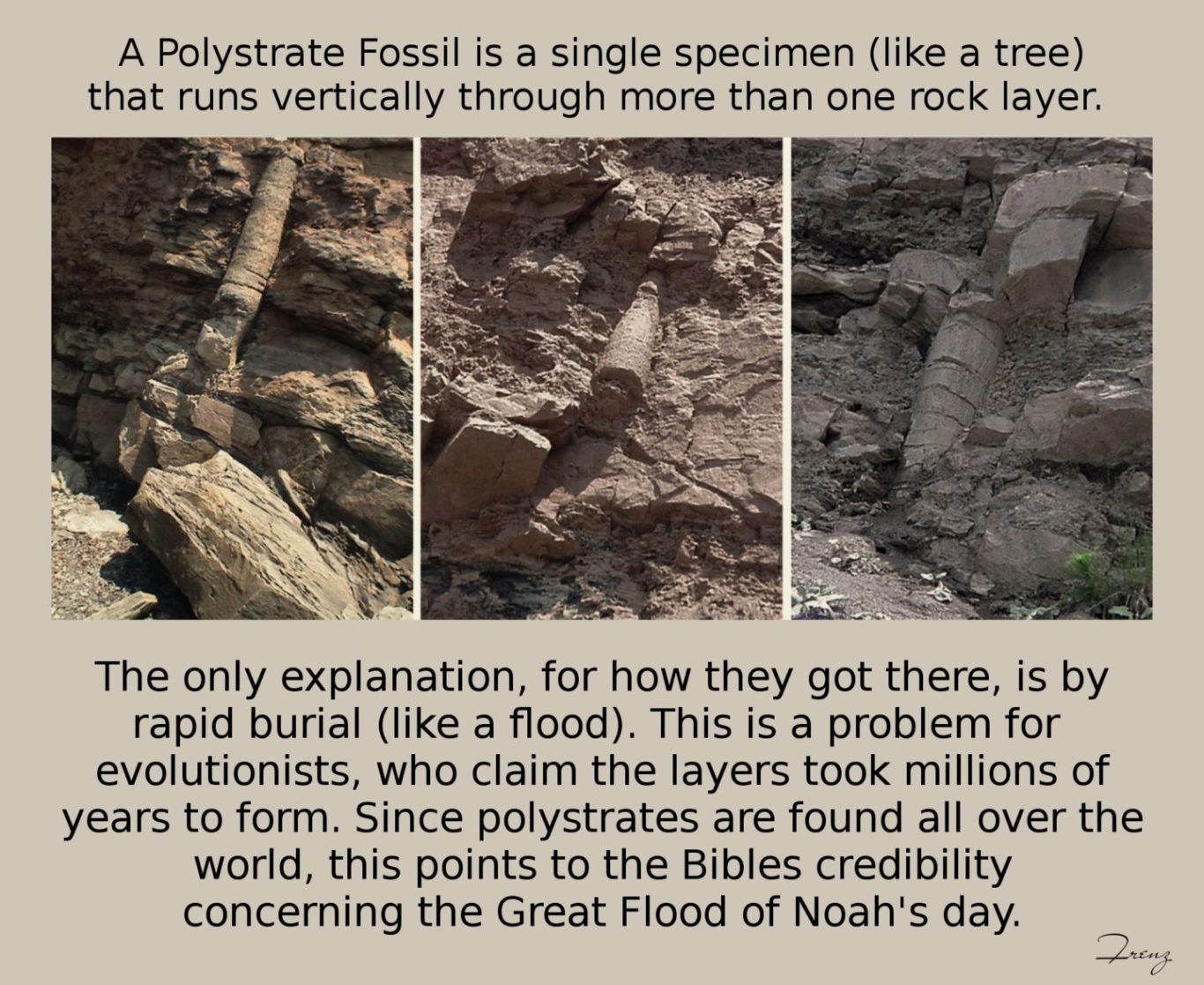
What Are Polystrate Fossils?
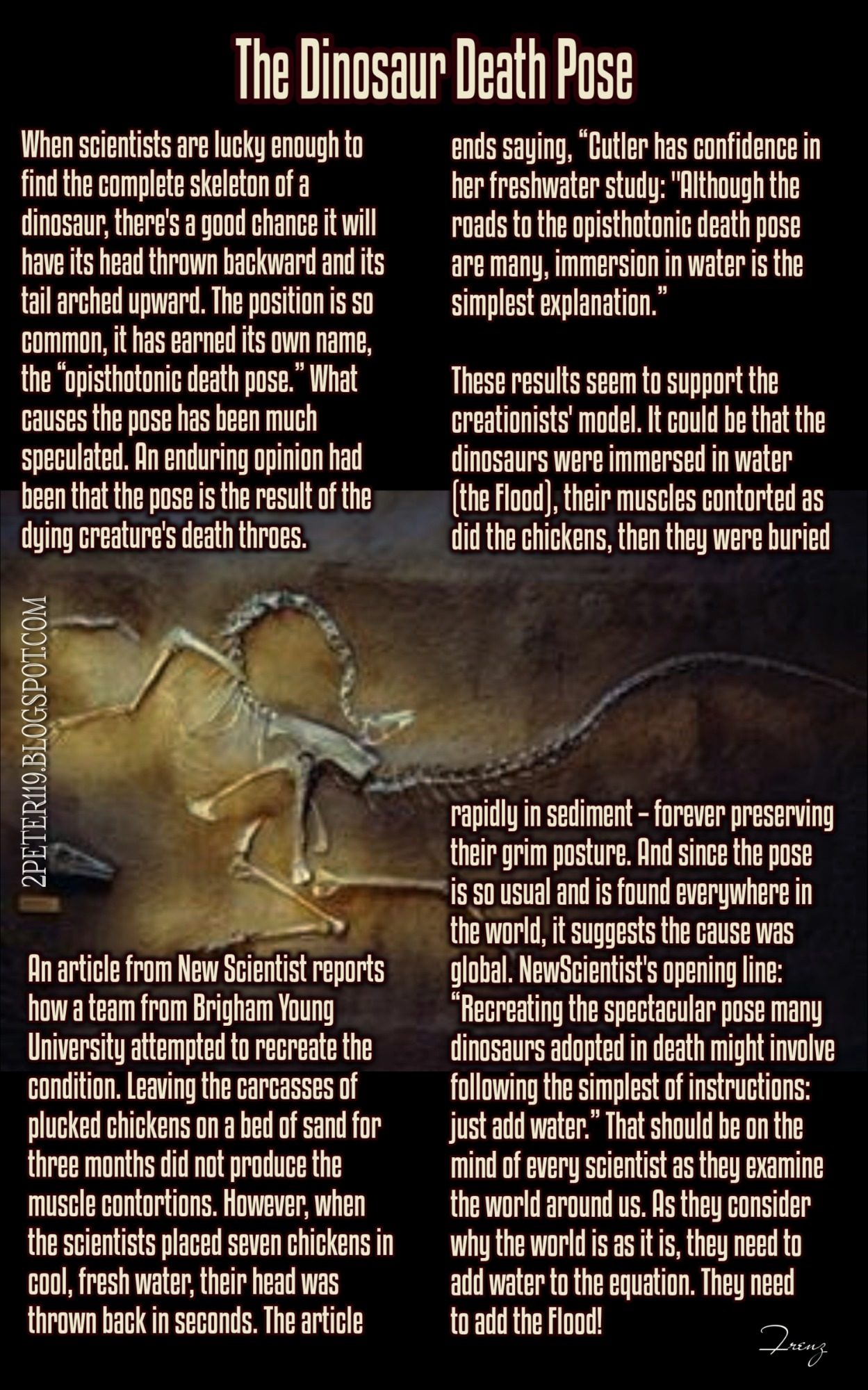
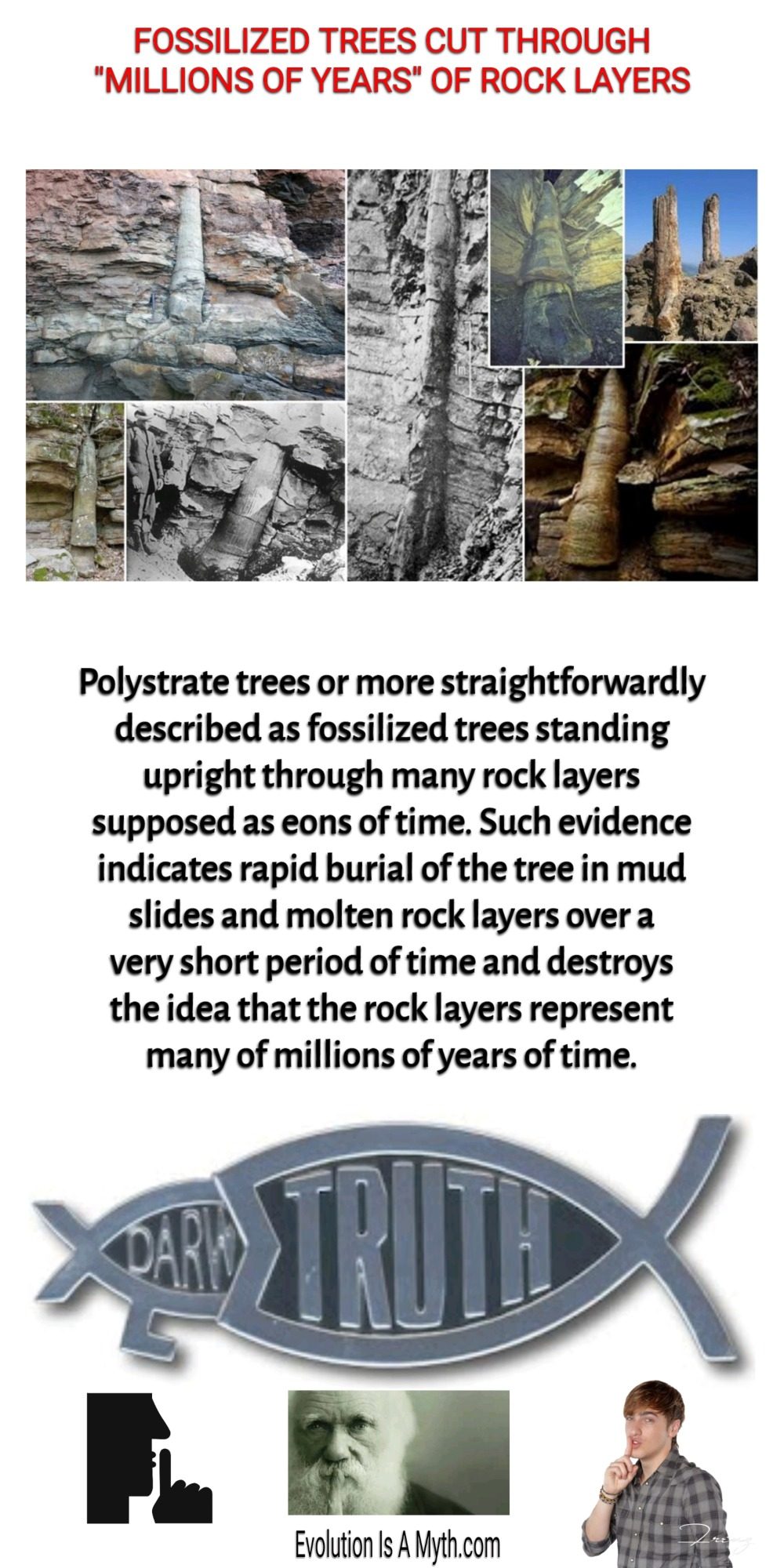
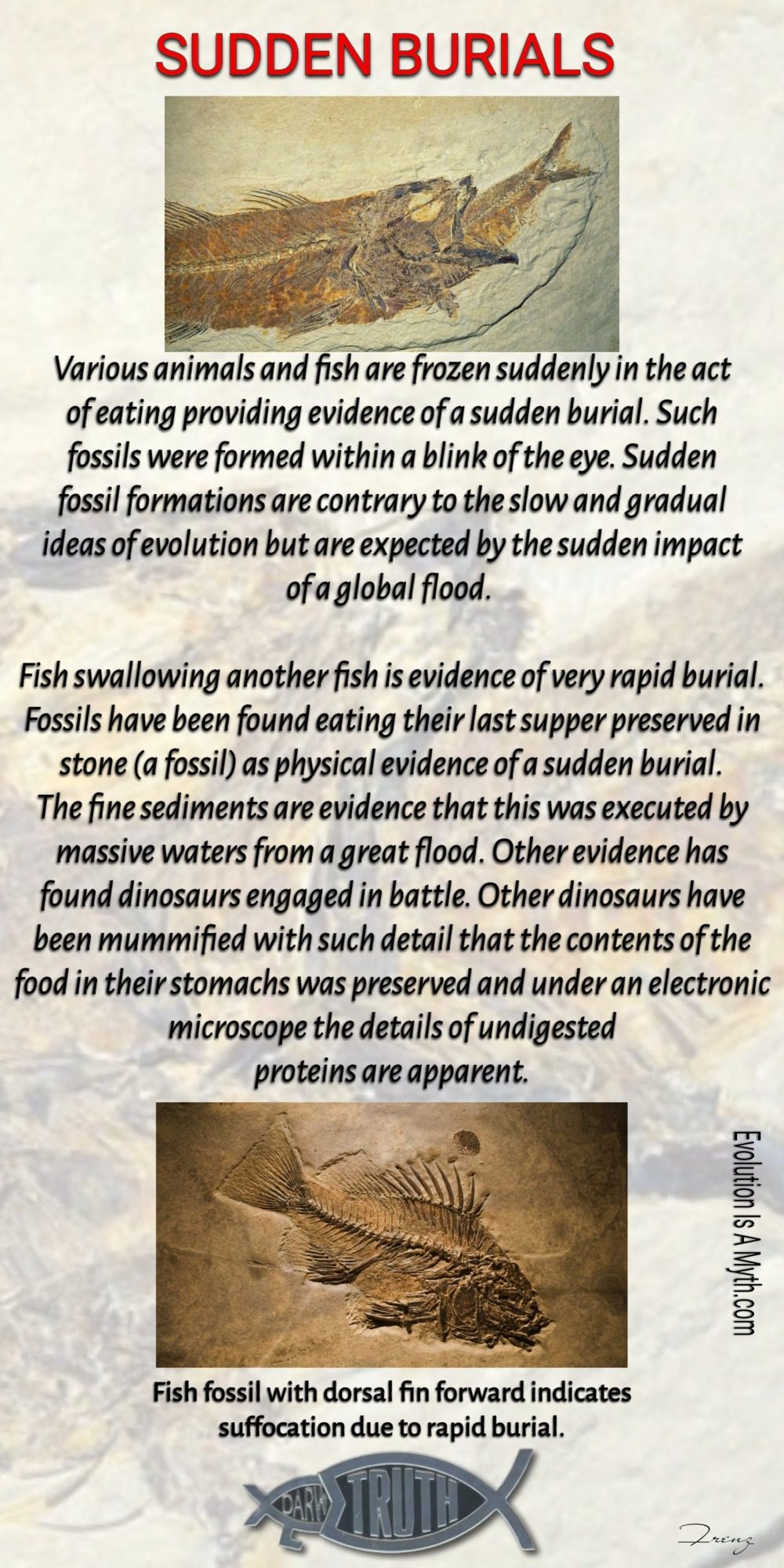
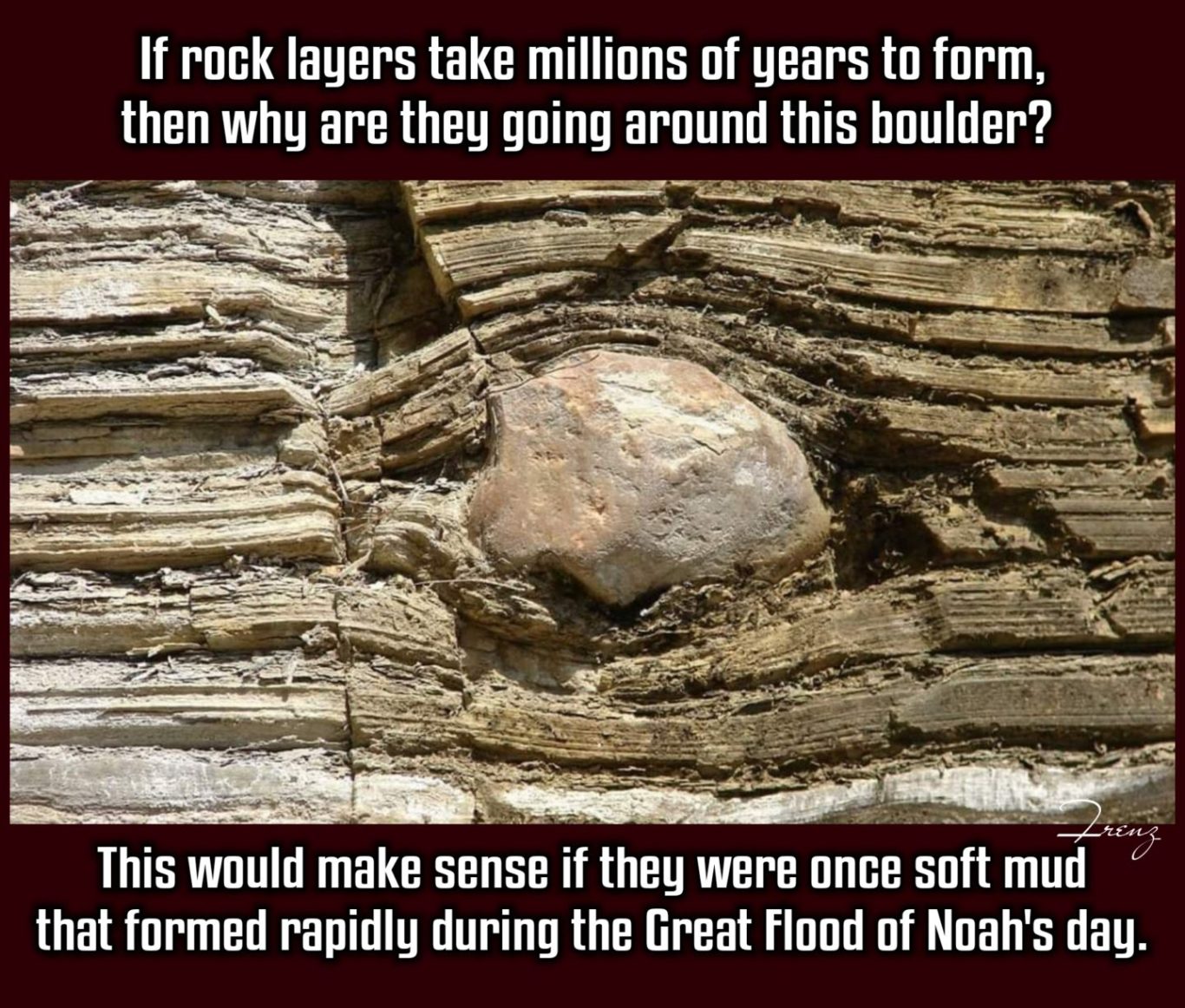
Polystrate fossils are fossils (often trees) that penetrate several layers of sedimentary rock. If these layers had formed slowly, over millions of years, the upper parts of the tree would have decayed long before they could be buried and fossilized. The only reasonable explanation is that these layers were deposited rapidly, burying the tree quickly and preserving it as a fossil.
As noted by All About God Ministries:
“In these sedimentary rock layers, geologists find some very odd features. For example, fossilized trees buried at all angles, upside-down and right-side-up, often passing through multiple rock layers, obviously the result of a marine cataclysm. These ‘polystrate’ fossils…are a worldwide phenomenon.”
How Does This Support the Bible?
The Bible describes a worldwide flood in the days of Noah:
“And all flesh died that moved on the earth… Everything on the dry land in whose nostrils was the breath of life died.”
(Genesis 7:21–22, ESV)
This catastrophic event would have produced the conditions necessary for rapid burial and fossilization on a massive scale, explaining the presence of polystrate fossils and the vast sedimentary rock layers filled with marine fossils—even on the tops of mountains.
Other Supporting Scriptures
- 2 Peter 3:5–6 (ESV):
“For they deliberately overlook this fact, that the heavens existed long ago, and the earth was formed out of water and through water by the word of God, and that by means of these the world that then existed was deluged with water and perished.”
- Job 12:15 (ESV):
“If he withholds the waters, they dry up; if he sends them out, they overwhelm the land.”
- Psalm 104:6–9 (ESV):
“You covered it with the deep as with a garment; the waters stood above the mountains. At your rebuke they fled; at the sound of your thunder they took to flight. The mountains rose, the valleys sank down to the place that you appointed for them.”
Conclusion
Polystrate fossils are strong evidence for rapid, catastrophic burial, consistent with the biblical account of the Flood. This challenges the evolutionary interpretation that sedimentary layers formed slowly over millions of years. Instead, the evidence aligns with the Bible’s teaching that God judged the world with a global flood, leaving behind the geological features we observe today.
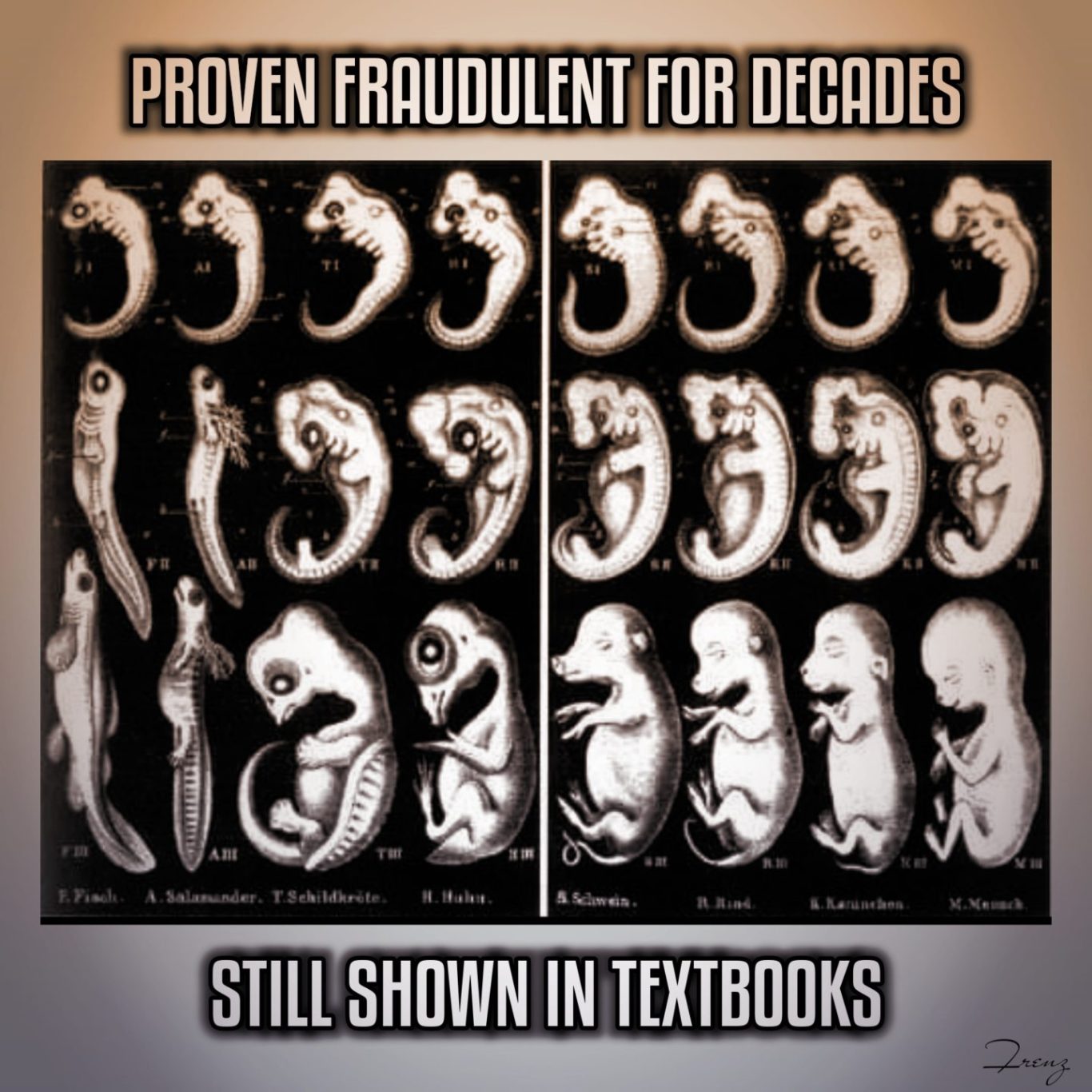
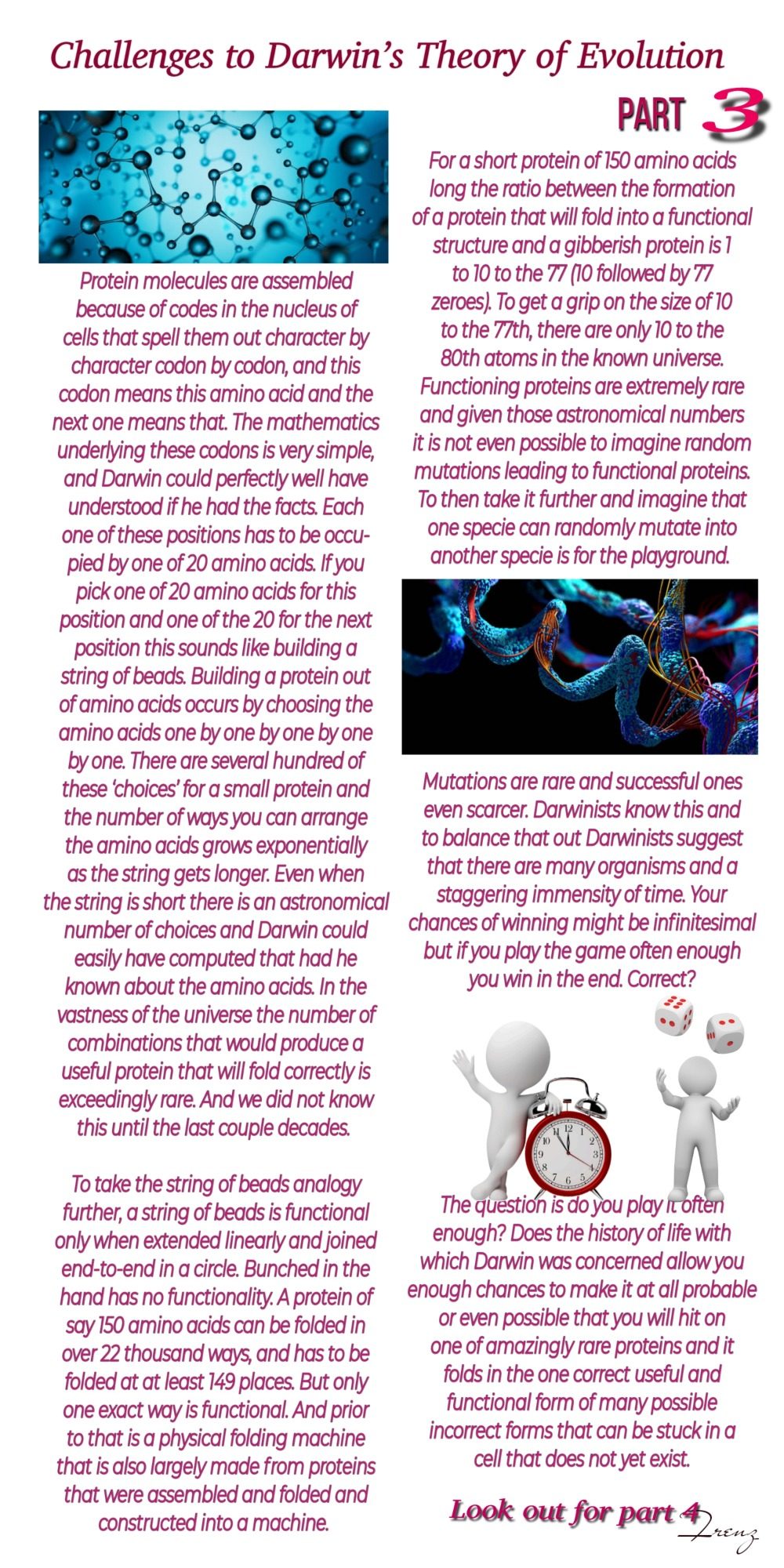
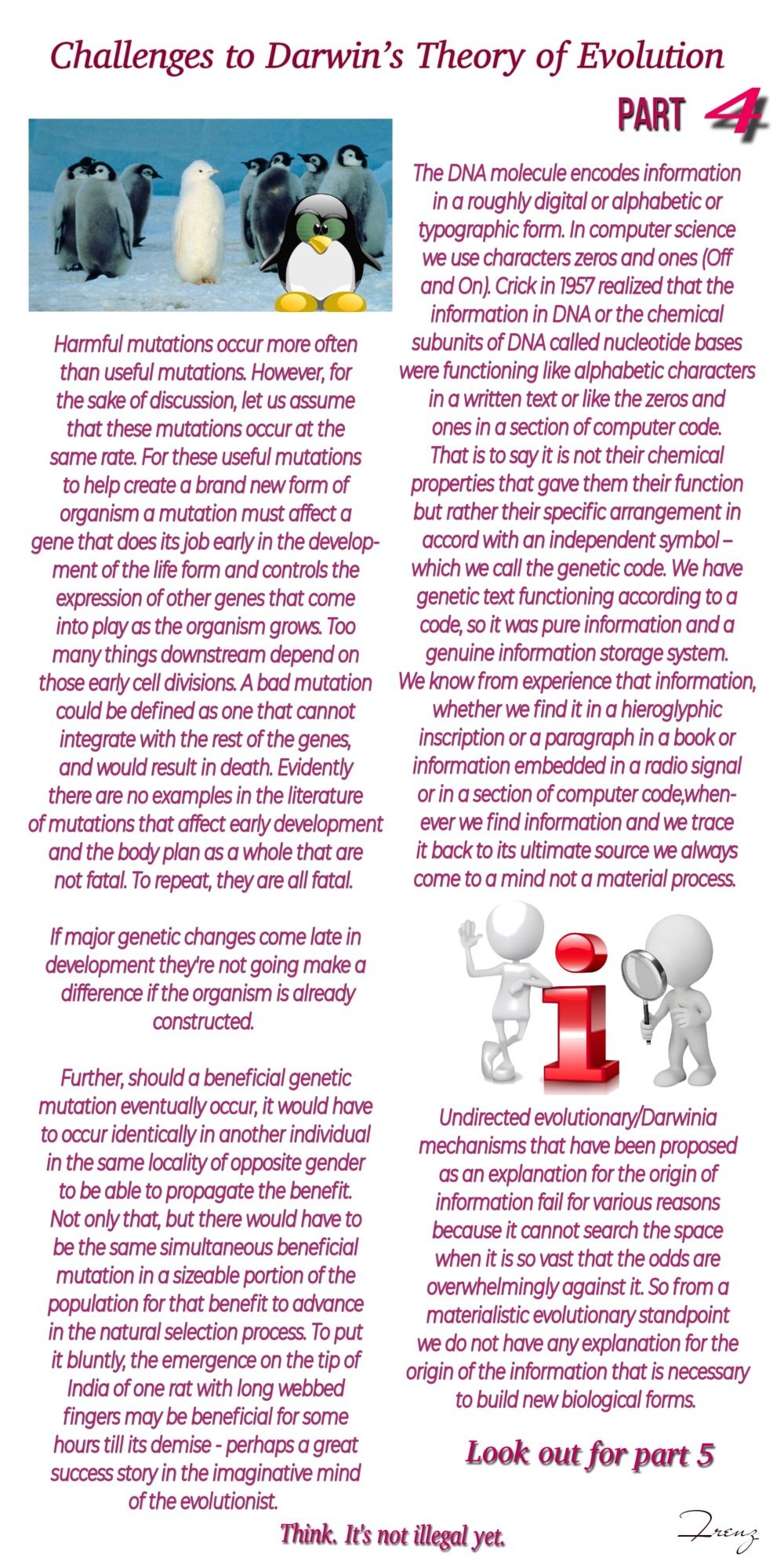
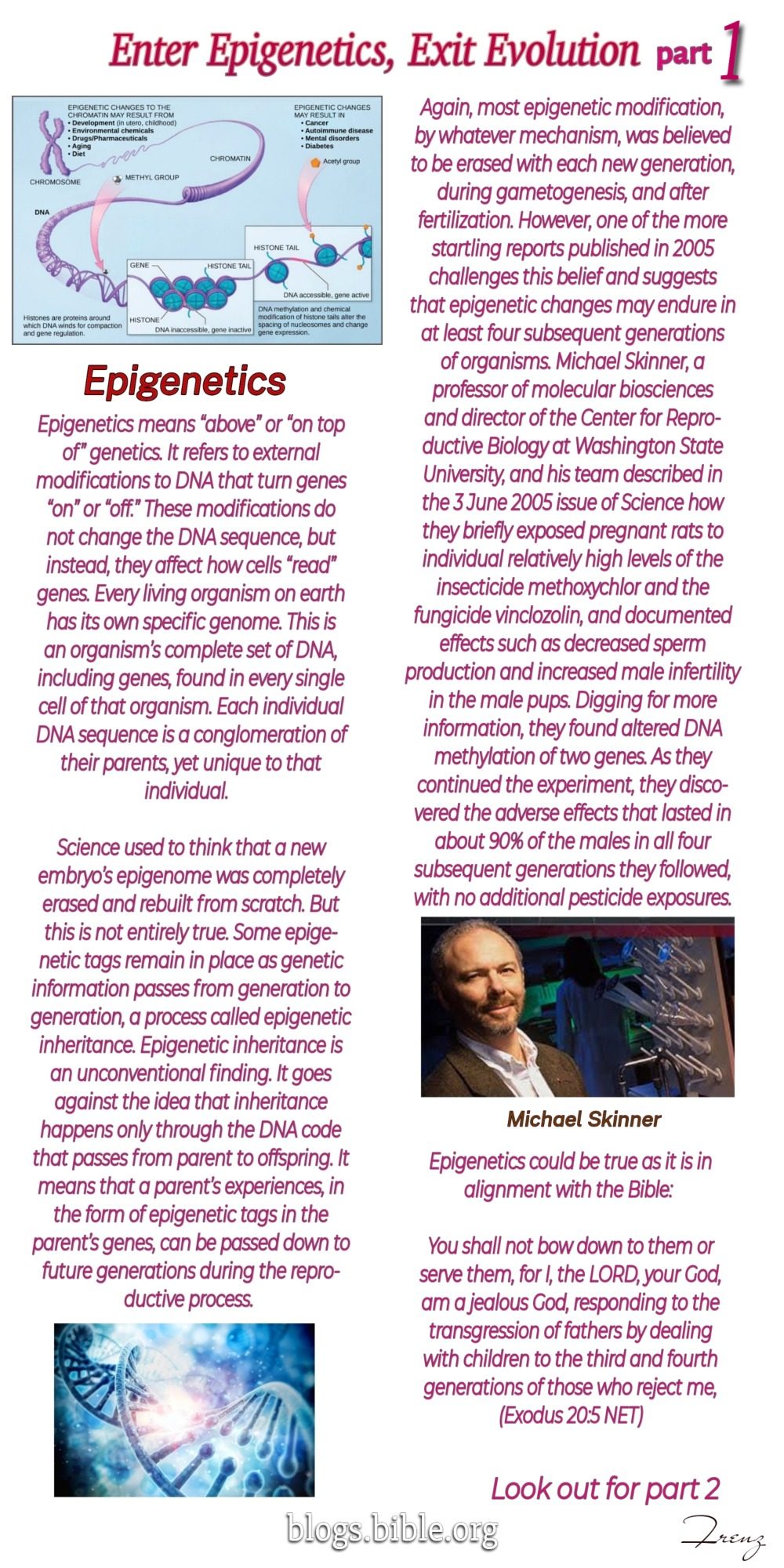
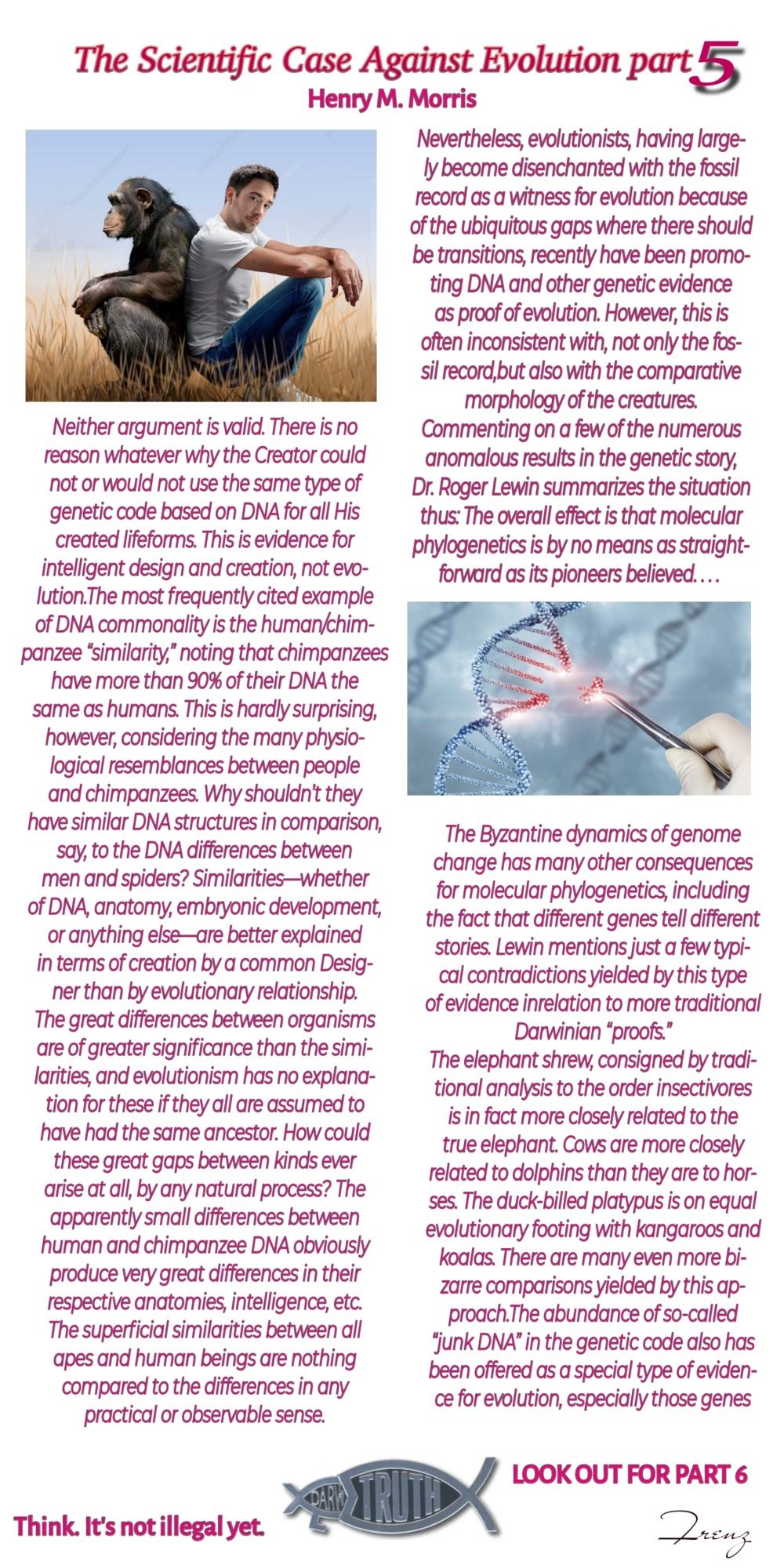
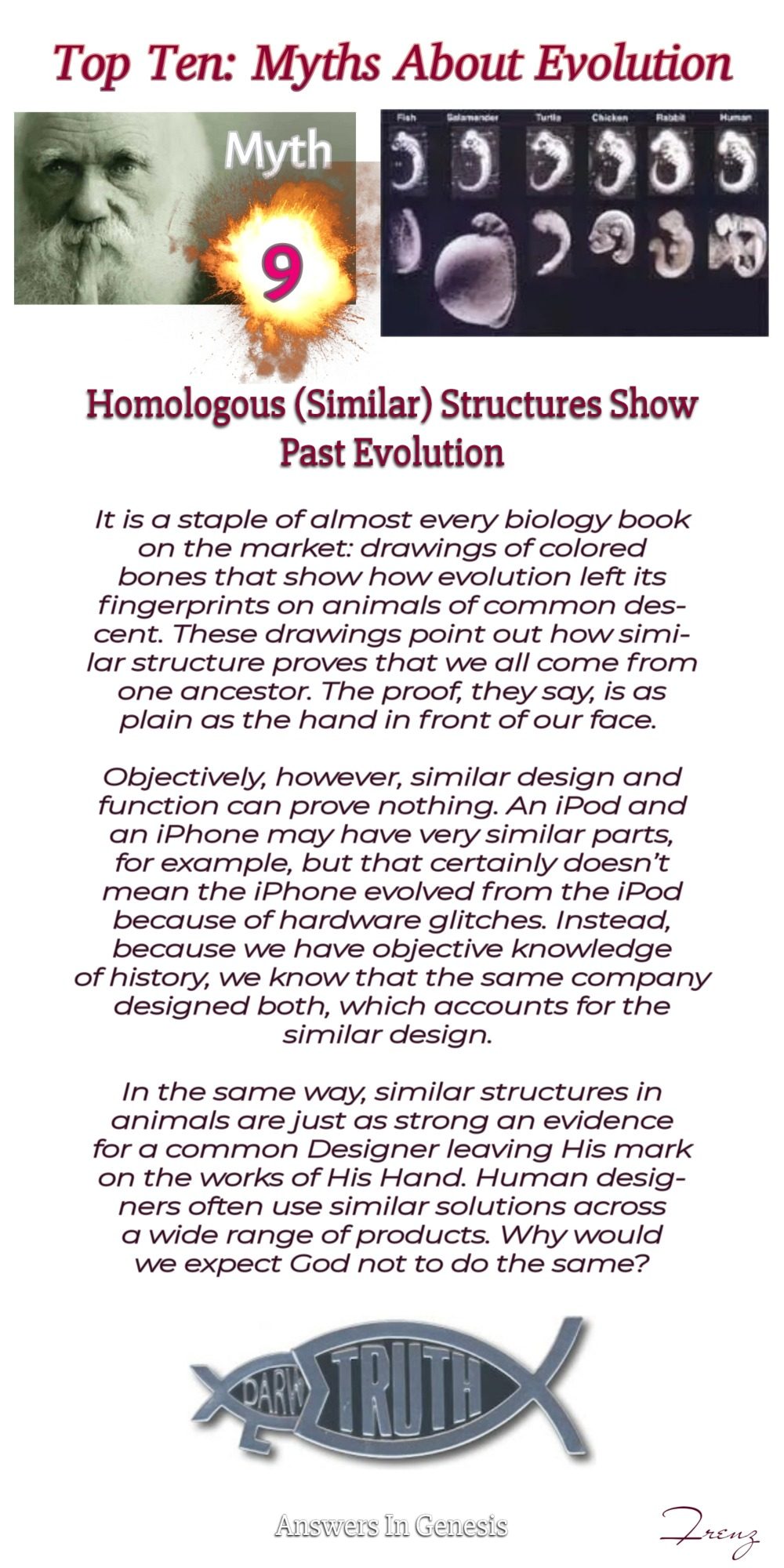
Ernst Haeckel’s embryo drawings have been thoroughly exposed as fraudulent for well over a century, yet variations of his illustrations are still found in biology textbooks today as supposed evidence for evolution.
1. Haeckel’s Embryos: The Fraud
Ernst Haeckel, a 19th-century German biologist, created drawings of vertebrate embryos that exaggerated their similarities to support Darwinian evolution. He claimed that embryos of different species look almost identical in early stages, supposedly demonstrating common ancestry. However, these drawings were quickly exposed as inaccurate and even intentionally deceptive.
As documented:
“He presented his altered pictures as evidence for evolution between species, and used them as a platform to successfully promote evolution. In 1874, Haeckel's drawings were exposed as frauds by renowned embryologist Wilhelm His. Shortly thereafter, Haeckel was convicted of fraud by his own university. Yet his fallacious drawings of nearly identical embryos are still in science textbooks over 100 years later as evidence for evolution! Those drawings are being taught to kids in school today as evidence for evolution. Why? Why not present real evidence? Because there is none!”
— All About God Ministries, “Intelligent Design”
2. Still in Textbooks
Despite being debunked in the 19th century, Haeckel’s embryo drawings (or versions of them) have persisted in textbooks for generations. As David Klinghoffer notes:
“Ernst Haeckel’s famous and fraudulent embryo illustrations have been in circulation a good century longer than Piltdown was, last time we checked. Despite being exposed prominently by Jonathan Wells in Icons of Evolution (2000), they continued to be featured in biology textbooks as recently as 2016.”
— David Klinghoffer, “As Science Frauds Go, Haeckel Beats Piltdown Man”
These drawings are often not just presented as historical curiosities, but as valid evidence for evolution, misleading countless students.
3. Why Is This a Problem?
The continued use of these fraudulent drawings undermines the credibility of evolutionary teaching and highlights the need for honesty in science education. It also demonstrates that some arguments for evolution are based more on outdated or discredited evidence than on observable facts.
4. Biblical Perspective
The Bible teaches that God is the Creator of all life, not the product of random evolutionary processes:
- Genesis 1:27 (ESV):
“So God created man in his own image, in the image of God he created him; male and female he created them.”
- Psalm 139:13–14 (ESV):
“For you formed my inward parts; you knitted me together in my mother’s womb. I praise you, for I am fearfully and wonderfully made.” - Romans 1:20 (ESV):
“For his invisible attributes, namely, his eternal power and divine nature, have been clearly perceived, ever since the creation of the world, in the things that have been made. So they are without excuse.”
5. Conclusion
Haeckel’s embryo drawings were proven fraudulent over a century ago, yet they are still used in textbooks as evidence for evolution. This not only misleads students but also stands in contrast to the biblical account of creation, which affirms that life is the result of God’s intelligent design, not accidental processes. Christians are called to seek truth and discernment, both in science and in faith (Proverbs 18:13; 1 Thessalonians 5:21).
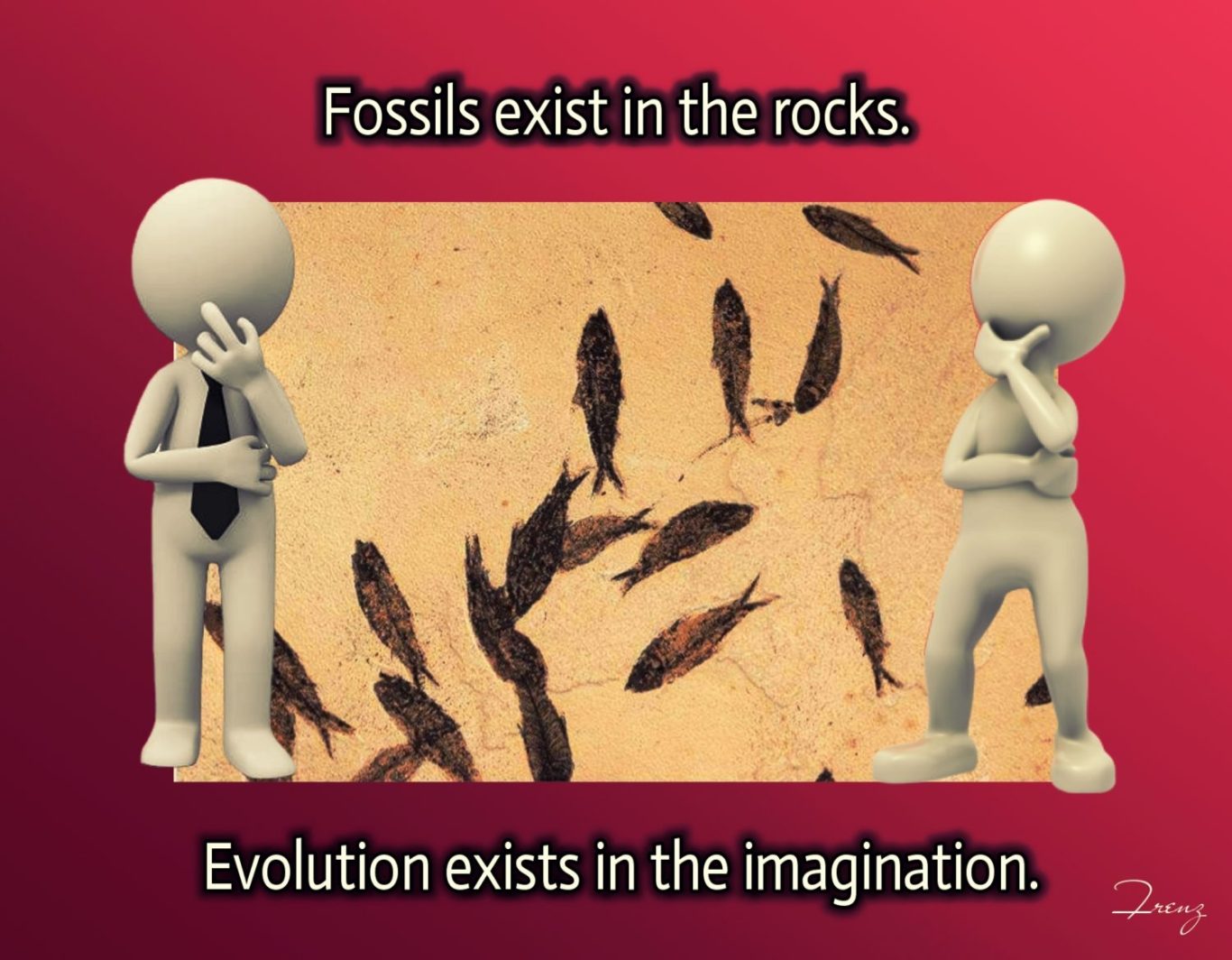
1. Fossils: Real Evidence in the Rocks
Fossils are indeed real, physical objects found in sedimentary rocks all over the world. They are the preserved remains or traces of once-living organisms. The existence of fossils is not in question; they are observable, testable, and catalogued by scientists.
Job 12:7-9 (ESV):
“But ask the beasts, and they will teach you; the birds of the heavens, and they will tell you; or the bushes of the earth, and they will teach you; and the fish of the sea will declare to you. Who among all these does not know that the hand of the Lord has done this?”
The Bible affirms that the diversity of life and its testimony in creation points to the Creator.
2. Evolution: Interpretation, Not Observation
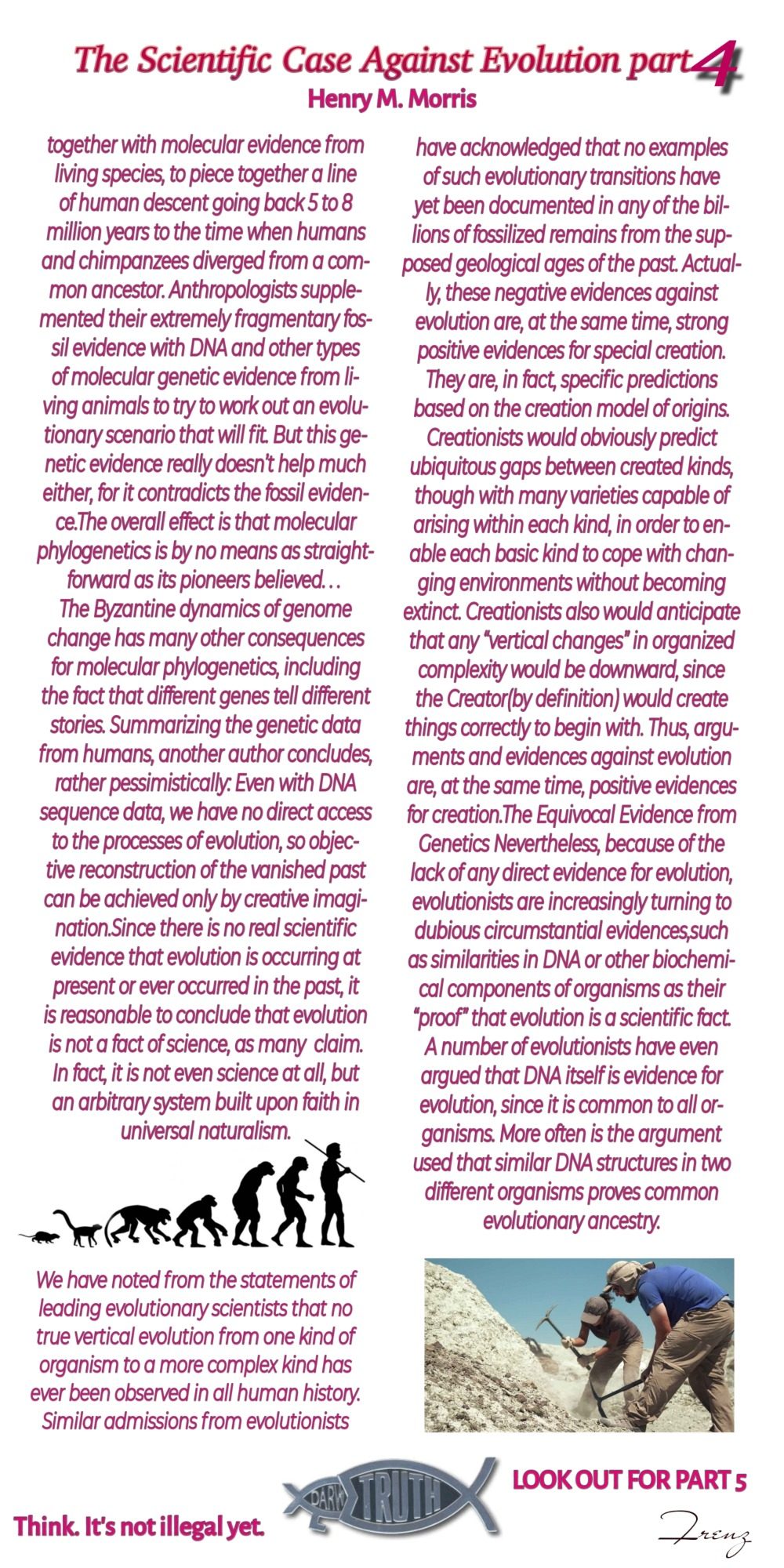
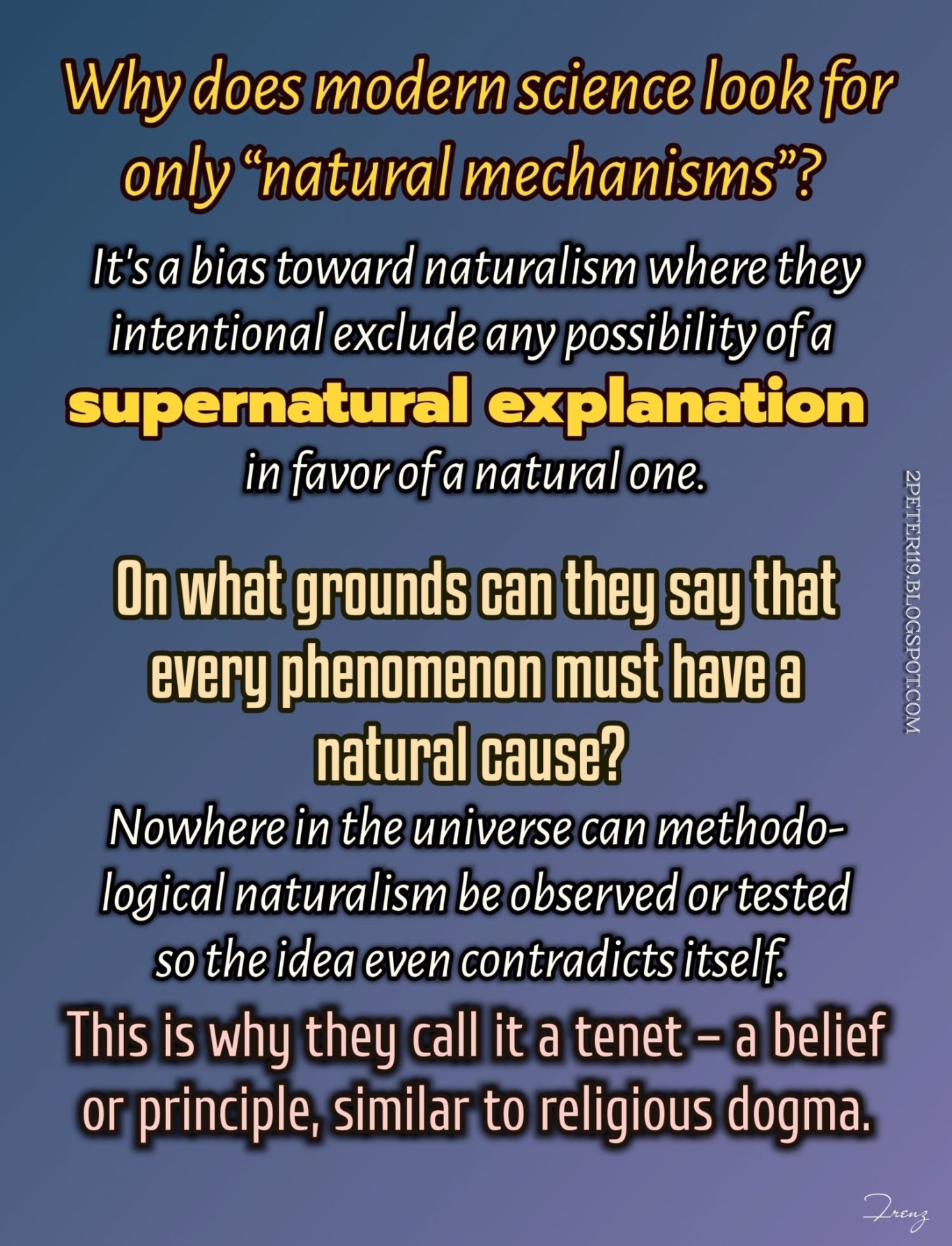
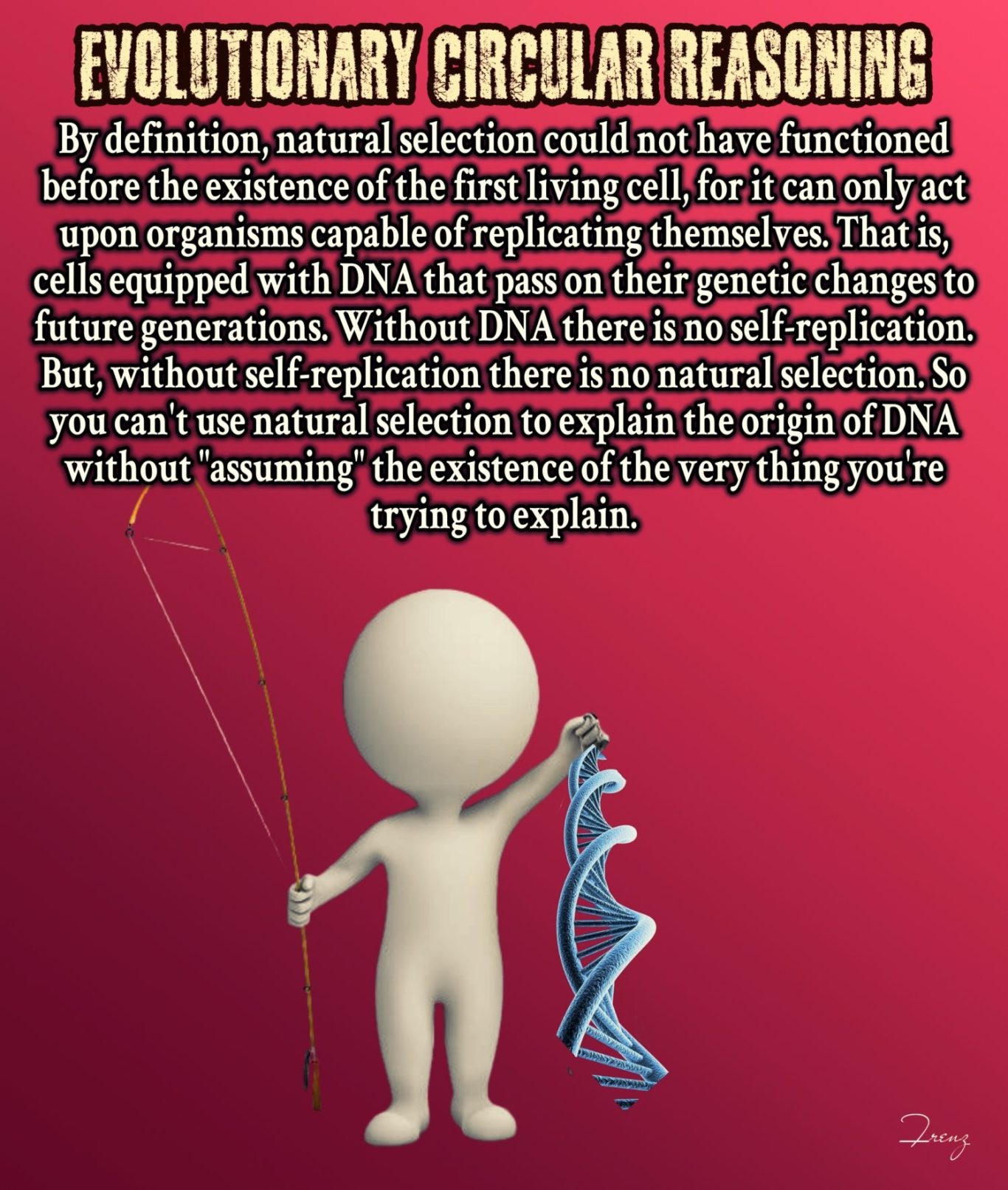
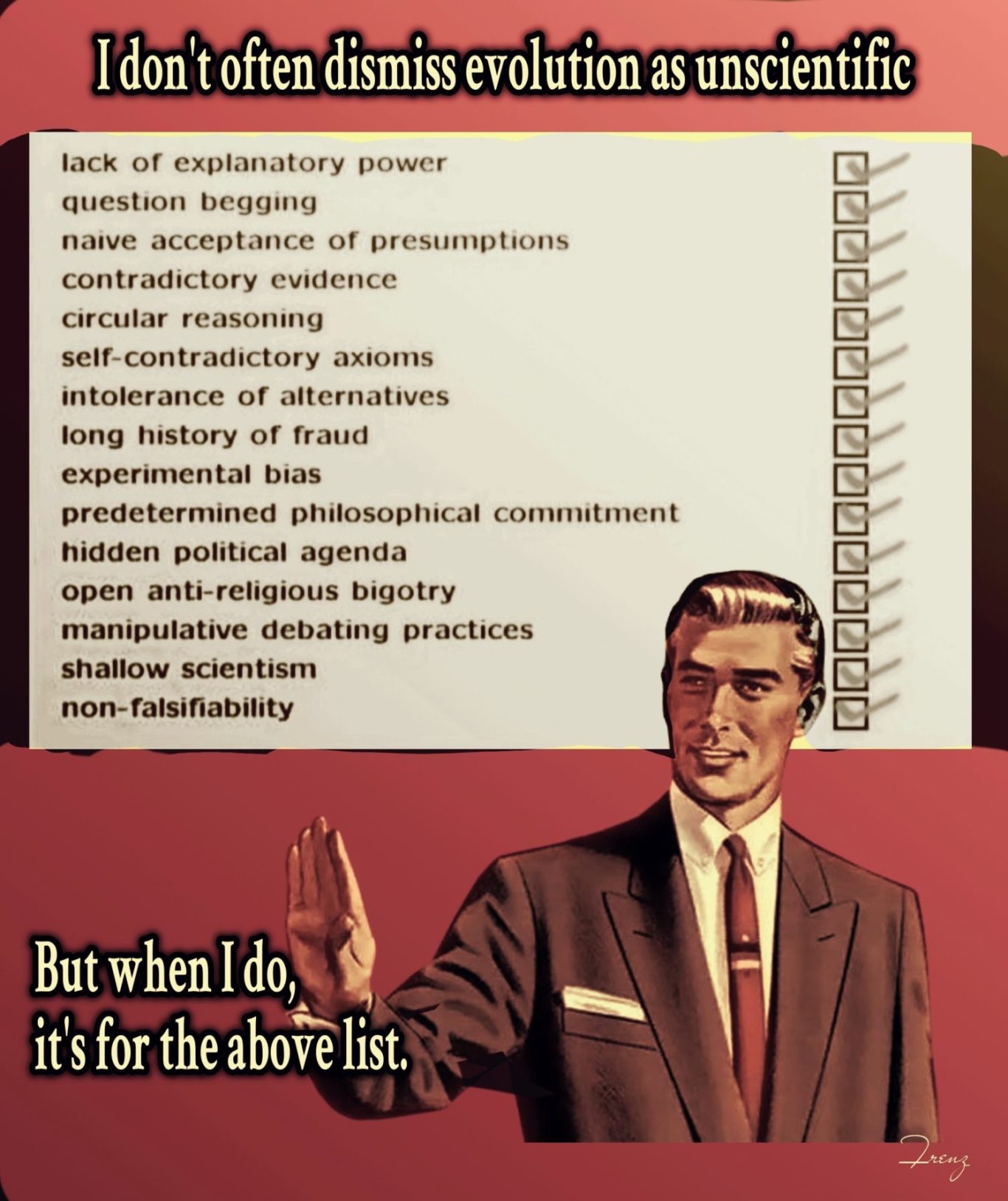
While fossils are facts, evolution—specifically, macroevolution (the idea that all life shares a common ancestor and diversified through natural processes)—is an interpretation of those facts. The fossil record itself does not directly show one kind of animal turning into another; rather, it shows a variety of fully formed organisms.
As noted in the sources you referenced:
“The geologic column dates fossils by the rocks in which they are found, and dates rocks by the fossils they contain. Critics insist this is circular reasoning… Furthermore, the geologic column assumes uniformity, which has come to be disproved by such geologic features as poly-strata fossils, misplaced fossils, missing layers, and misplaced layers…”
—All About God Ministries, “Dinosaur Fossils”
And from Günter Bechly’s analysis:
“The fancy speculations about the evolution of multicellular life and early animals turned out to be just smoke and mirrors.”
This highlights that much of evolutionary theory relies on assumptions and interpretations rather than direct observation.
3. The Biblical View: Created Kinds
The Bible teaches that God created distinct “kinds” of living things, each to reproduce according to its kind (Genesis 1:24-25). There is no biblical or scientific evidence that one kind of creature evolved into another fundamentally different kind.
Genesis 1:24-25 (ESV):
“And God said, ‘Let the earth bring forth living creatures according to their kinds…’ And it was so.”
Romans 1:20 (ESV):
“For his invisible attributes, namely, his eternal power and divine nature, have been clearly perceived, ever since the creation of the world, in the things that have been made. So they are without excuse.”
4. Fossils: Evidence of Judgment and Design
Many Christians understand the fossil record as evidence of past catastrophe (such as the global Flood described in Genesis 6–9) and as a testimony to God’s creative power—not to evolution.
Summary
- Fossils are real and observable in rocks.
- Evolution (as molecules-to-man transformation) is an interpretation of the fossil record, not a direct observation.
- The Bible teaches that God created distinct kinds, and the evidence in nature points to design, not random evolution.
This approach encourages us to distinguish between what we observe (fossils) and how we interpret those observations (evolution vs. creation). As Christians, we are called to seek truth and recognize God’s handiwork in creation (Psalm 19:1).

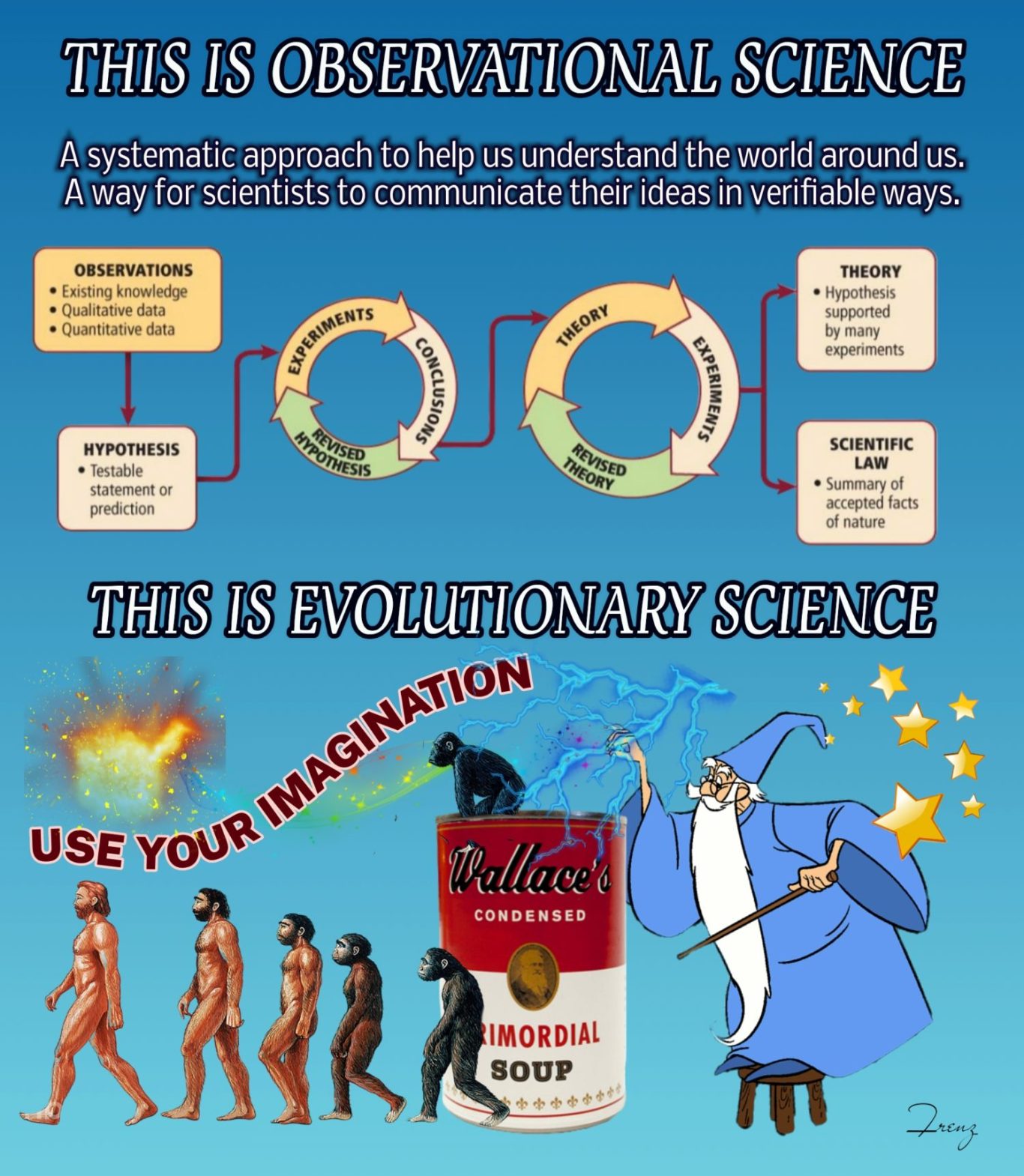

1. What Is the Hell Creek Formation?
The Hell Creek Formation is a famous geological site in Montana (and nearby states) known for its rich fossil beds from the very end of the Cretaceous period (about 66 million years ago, according to standard geological dating). Fossils found there include:
- Saltwater species: sharks, marine clams
- Freshwater species: turtles, amphibians
- Terrestrial species: dinosaurs like T. rex
2. How Can These Fossils Be Found Together?
A. Scientific Perspective
Geologists and paleontologists explain that the Hell Creek Formation represents a complex ancient environment—a coastal plain with rivers, floodplains, swamps, and occasional marine incursions. Over time, flooding, storms, and shifting waterways could mix remains from different habitats. For example:
- Floodwaters could carry marine animals inland or wash terrestrial animals out to sea.
- Storm surges and river deltas often mix saltwater and freshwater species.
B. Biblical Perspective
From a biblical standpoint, the Bible does not give a detailed account of fossilization or specific geological formations, but it does affirm that God is the Creator of all life (Genesis 1:20–25) and that the earth’s history includes catastrophic events.
Some Christians interpret the fossil record, especially mixed fossil beds, as evidence of catastrophic burial, possibly linked to large-scale flooding events. While the Bible’s global flood (Genesis 6–9) is sometimes cited in this context, it is important to note:
- The Bible teaches that God judged the earth with a flood (Genesis 7:11–23).
- Catastrophic events can rapidly bury and preserve organisms from different environments together.
However, the Bible does not require us to reject scientific observations about ancient environments or the processes that form fossil beds. The presence of mixed fossils is consistent with the reality of a dynamic, sometimes violent, earth—one that God created and sustains (Colossians 1:16–17).
3. What Does This Mean Biblically?
- God is the Creator:
“For by him all things were created, in heaven and on earth, visible and invisible… all things were created through him and for him.”
(Colossians 1:16, ESV)
- The world is fallen and subject to decay:
“For the creation was subjected to futility, not willingly, but because of him who subjected it, in hope…”
(Romans 8:20, ESV)
- God’s power is seen in creation and judgment:
“The waters prevailed so mightily on the earth that all the high mountains under the whole heaven were covered.”
(Genesis 7:19, ESV)
Conclusion
The burial of saltwater and freshwater creatures, along with land animals like T. rex, in the Hell Creek Formation is not a contradiction to the Bible. Instead, it reflects the complexity and dynamism of God’s creation. The Bible affirms that God is sovereign over all creation and that the world has experienced both creative and catastrophic events.
“The earth is the Lord’s and the fullness thereof, the world and those who dwell therein.”
(Psalm 24:1, ESV)
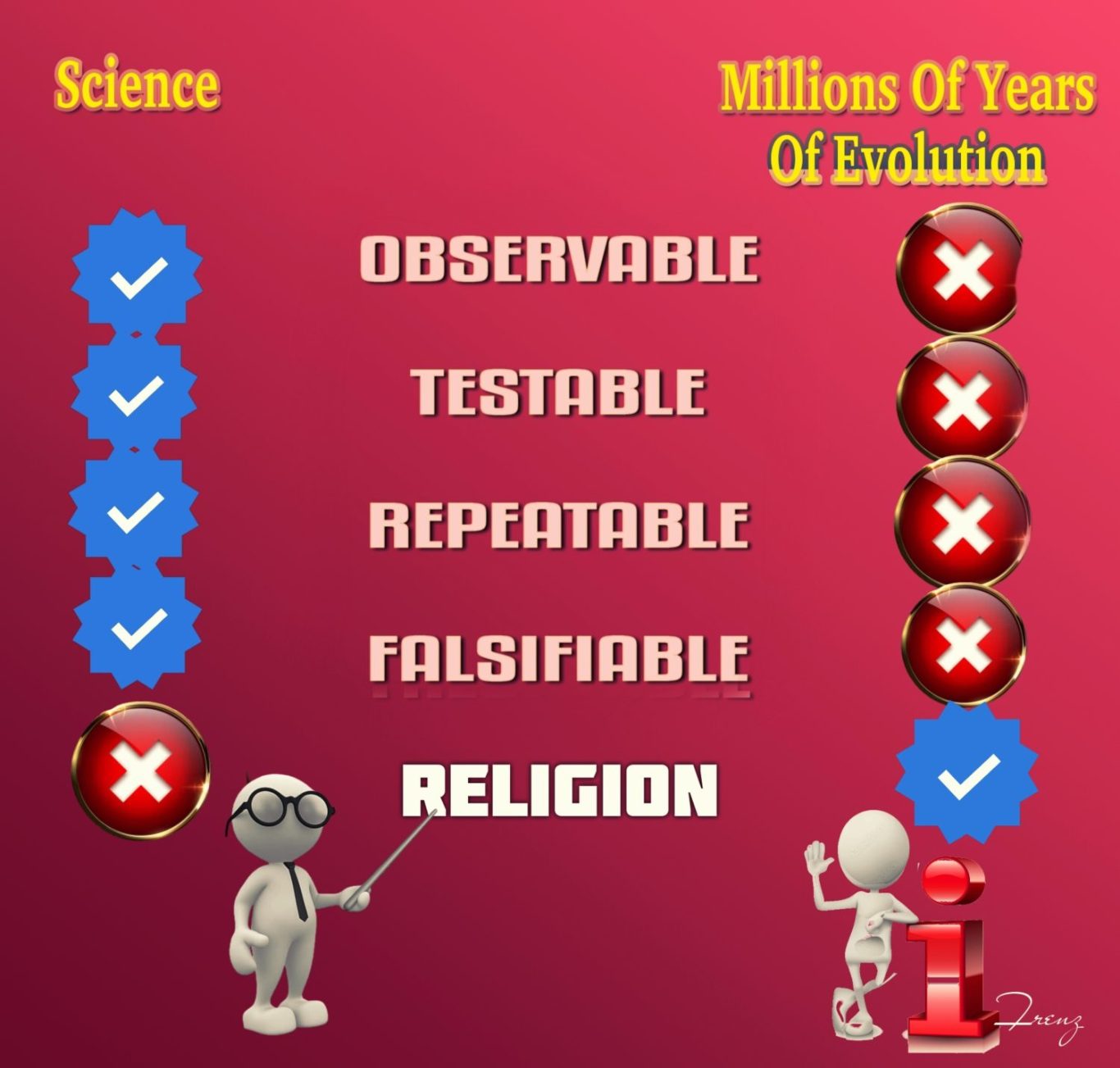
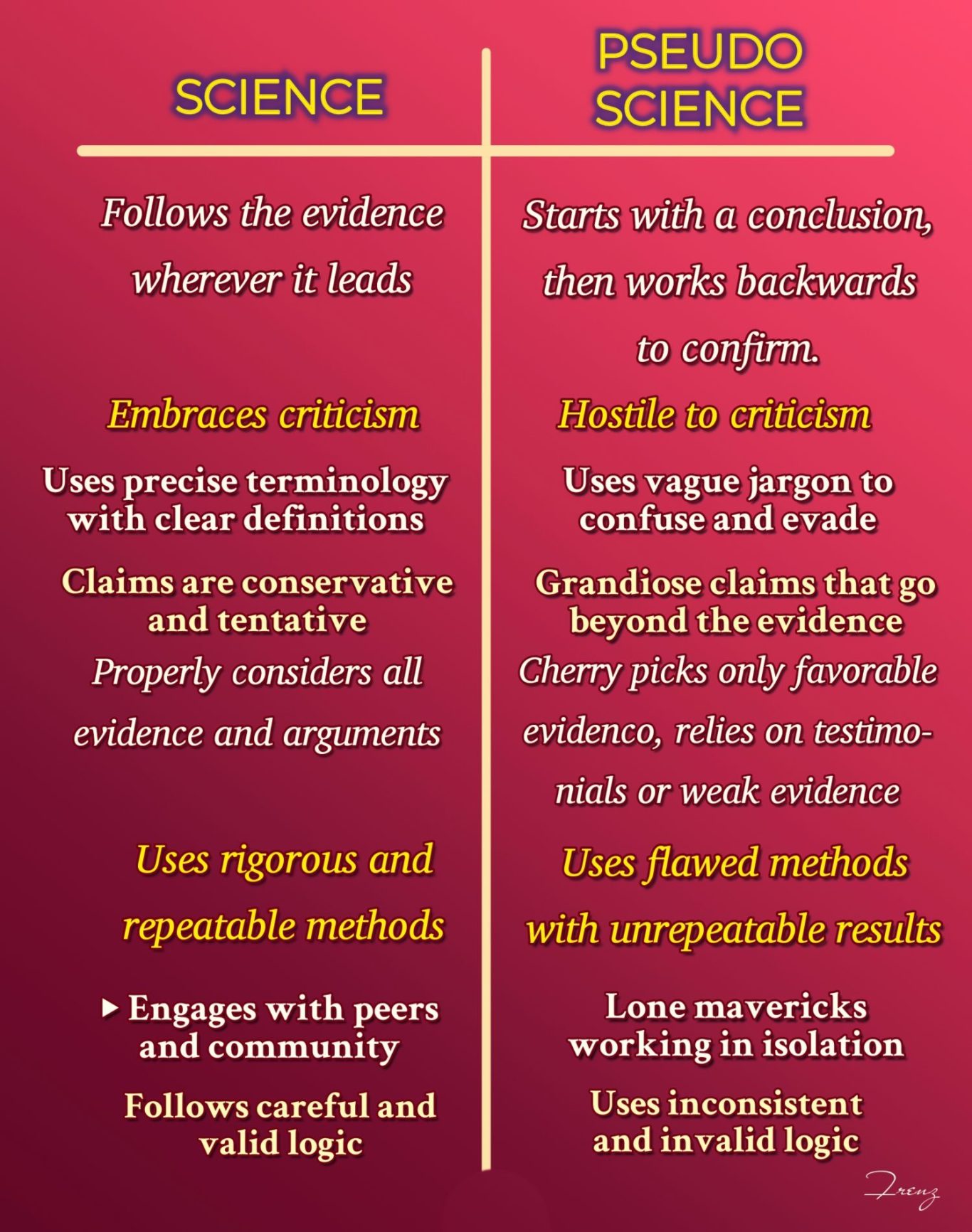
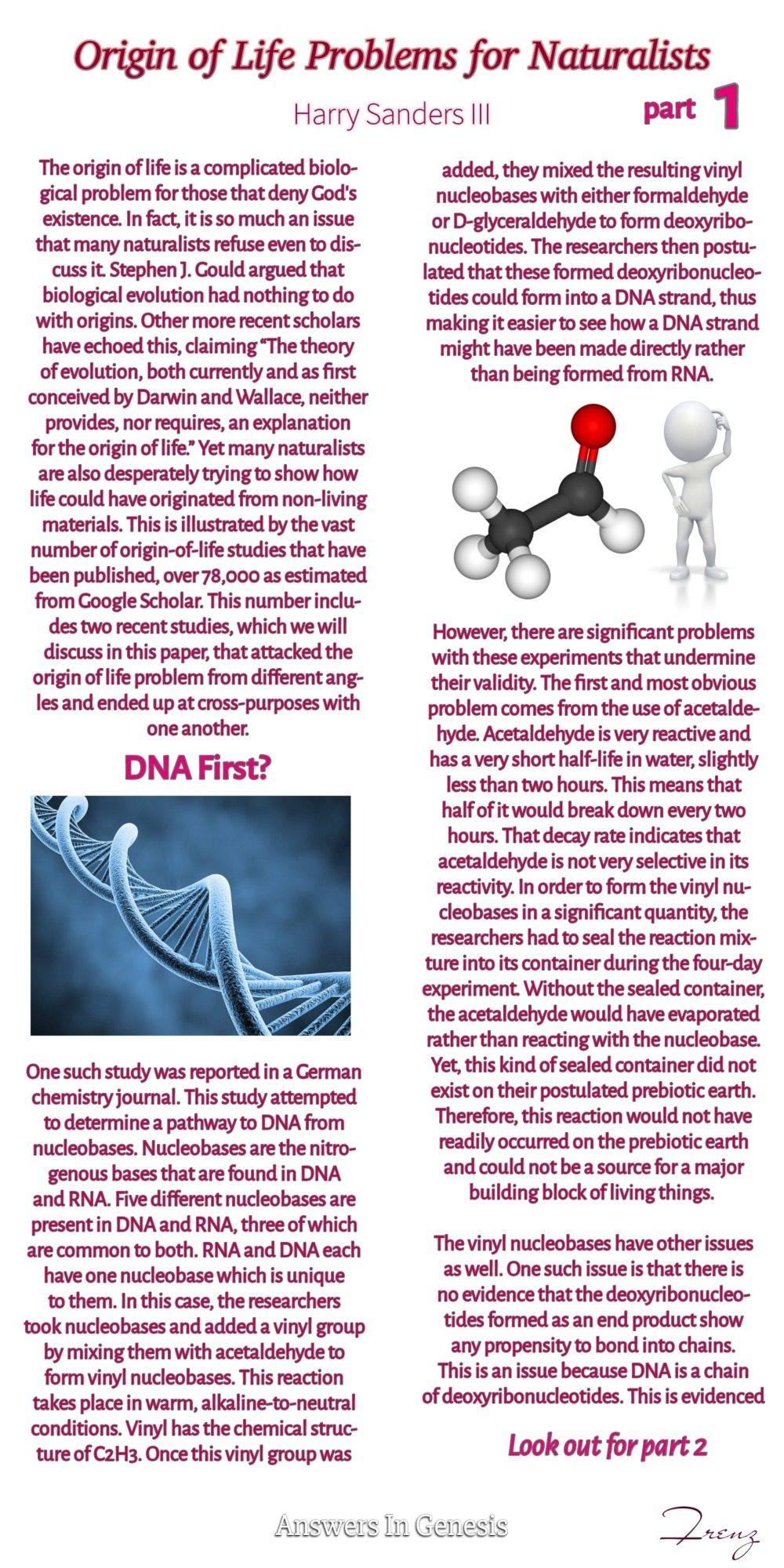
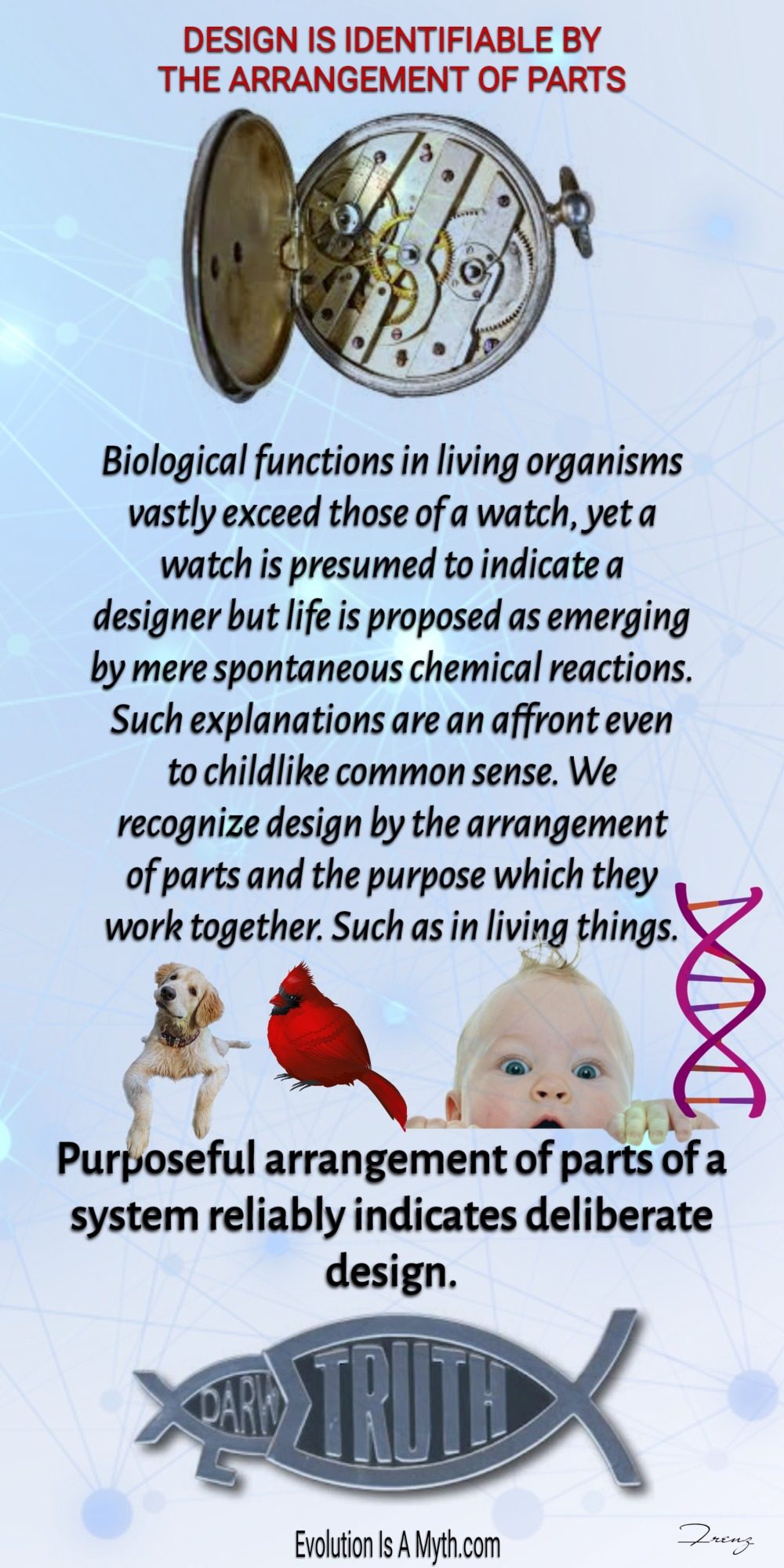
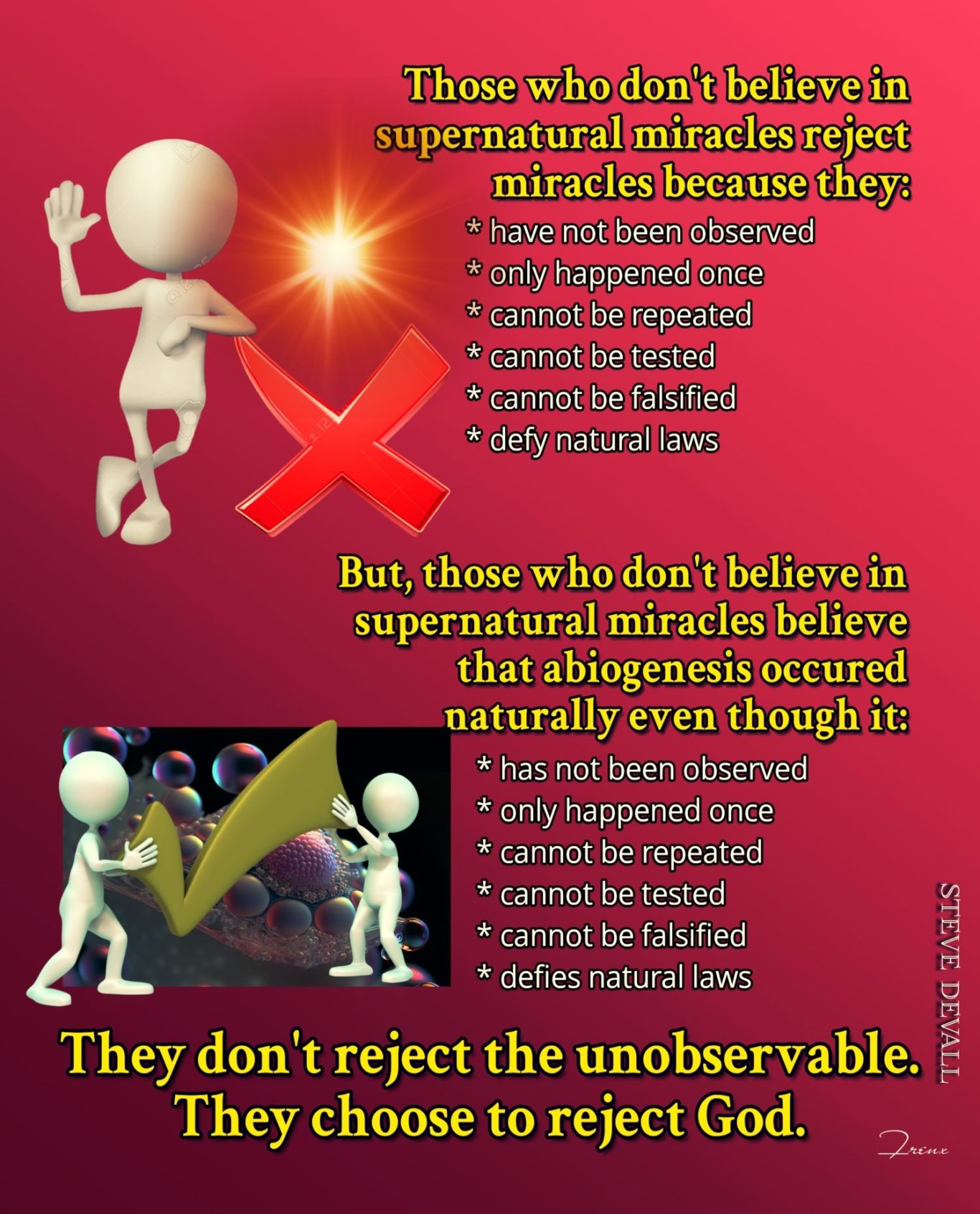
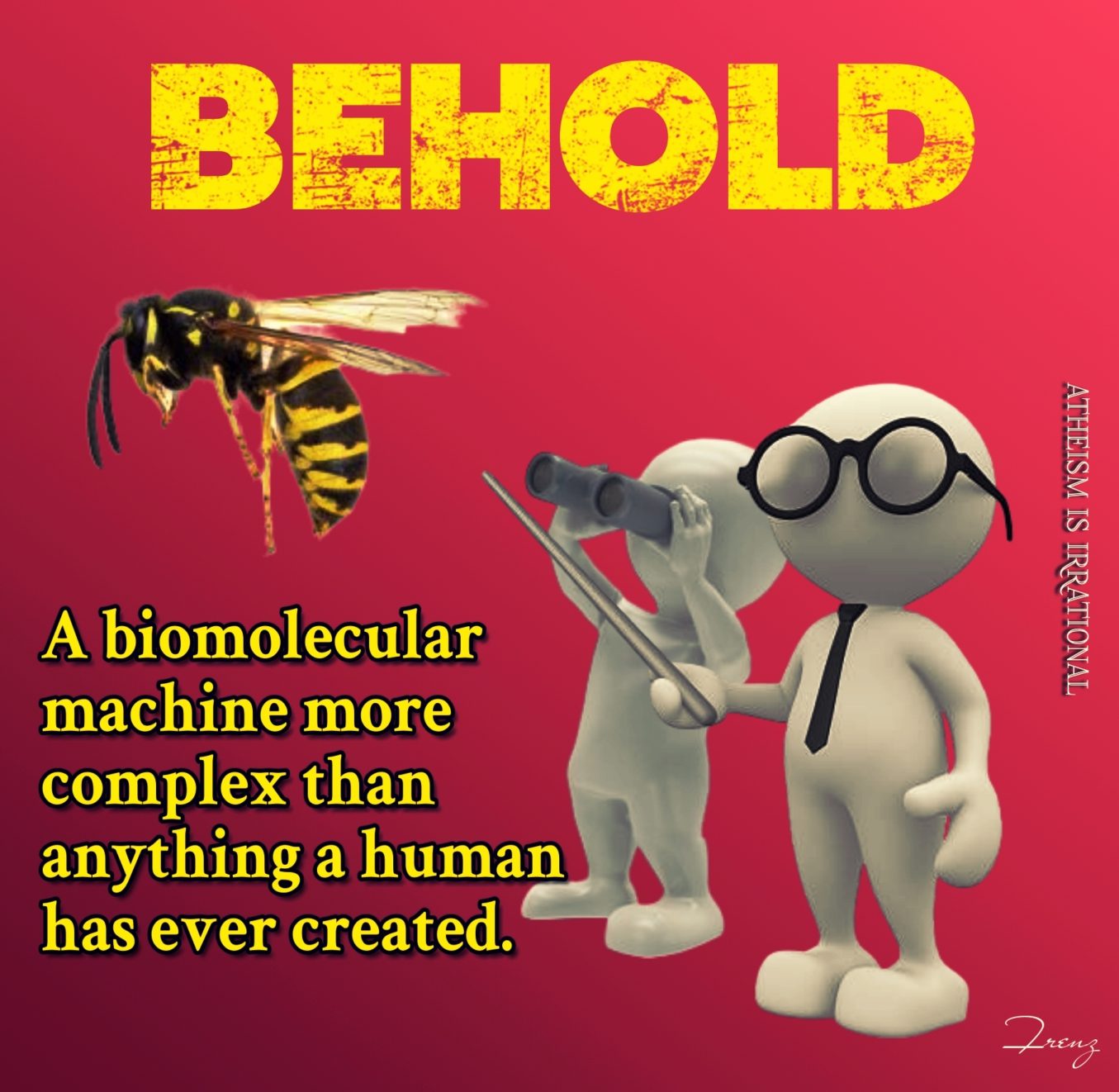
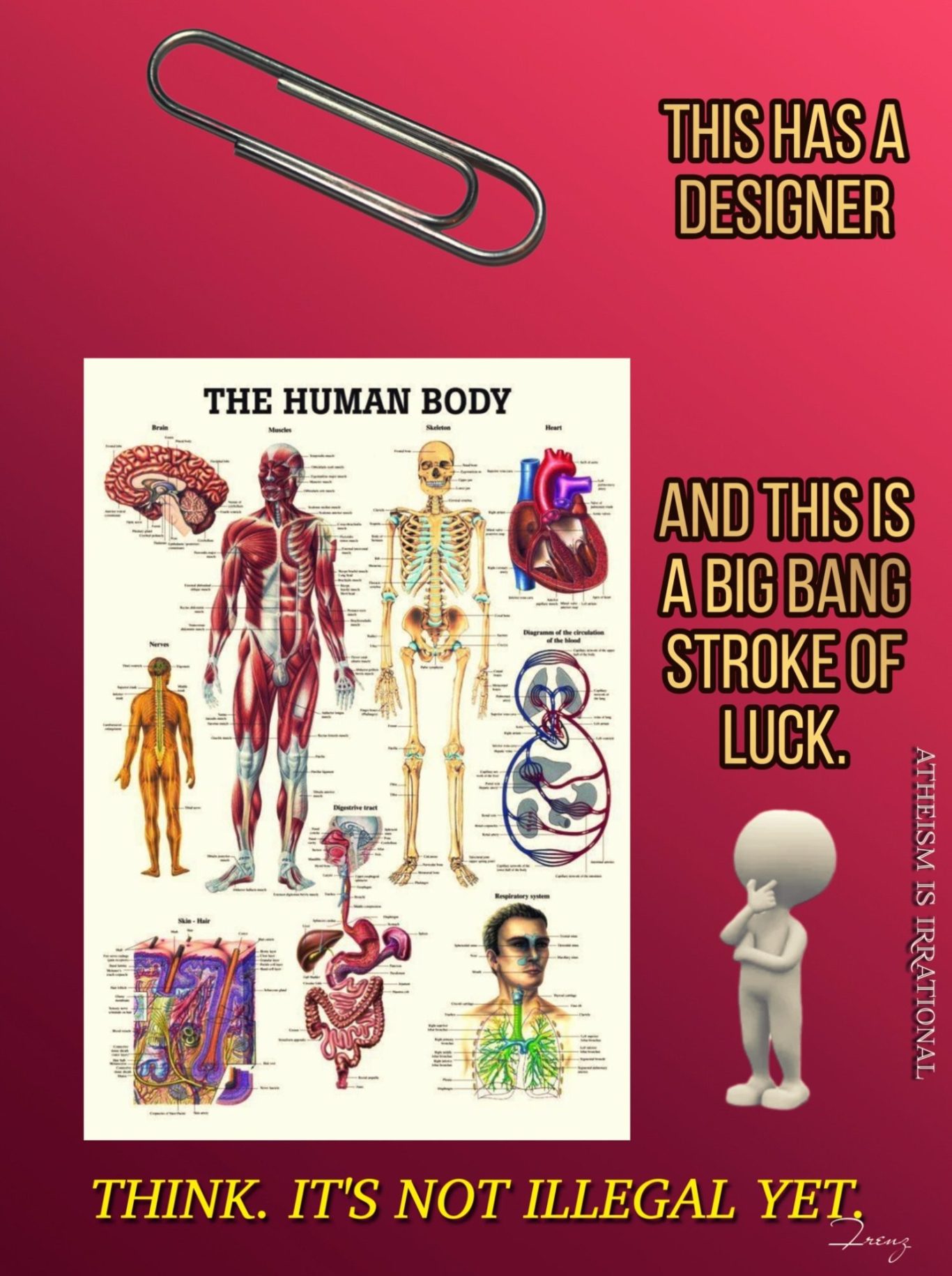
1. Irreducible Complexity in Nature
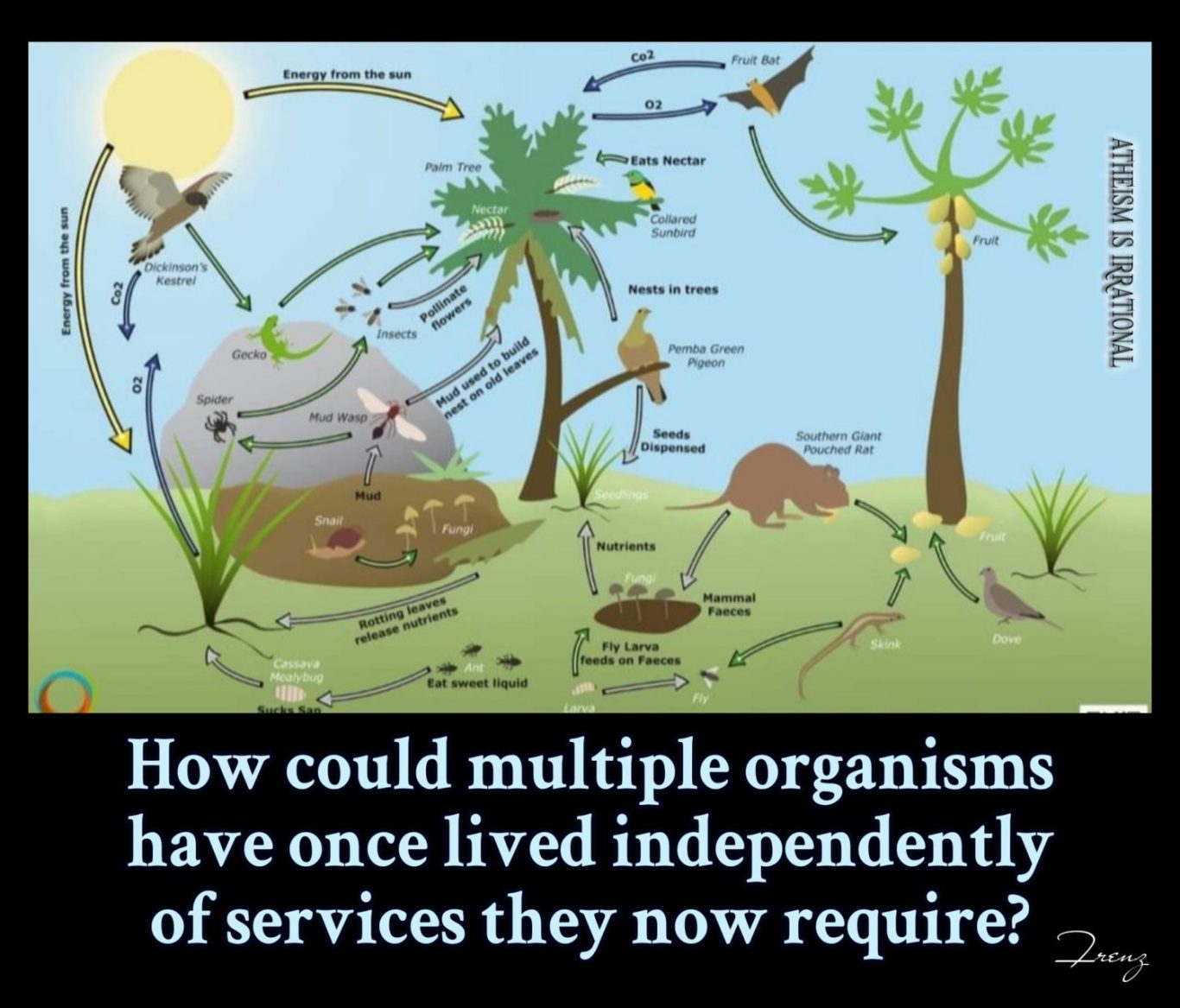
Many living organisms have systems that are so interdependent that they cannot function if even one component is missing. Classic examples include:
- The bacterial flagellum (a microscopic motor for movement)
- The blood clotting cascade in mammals
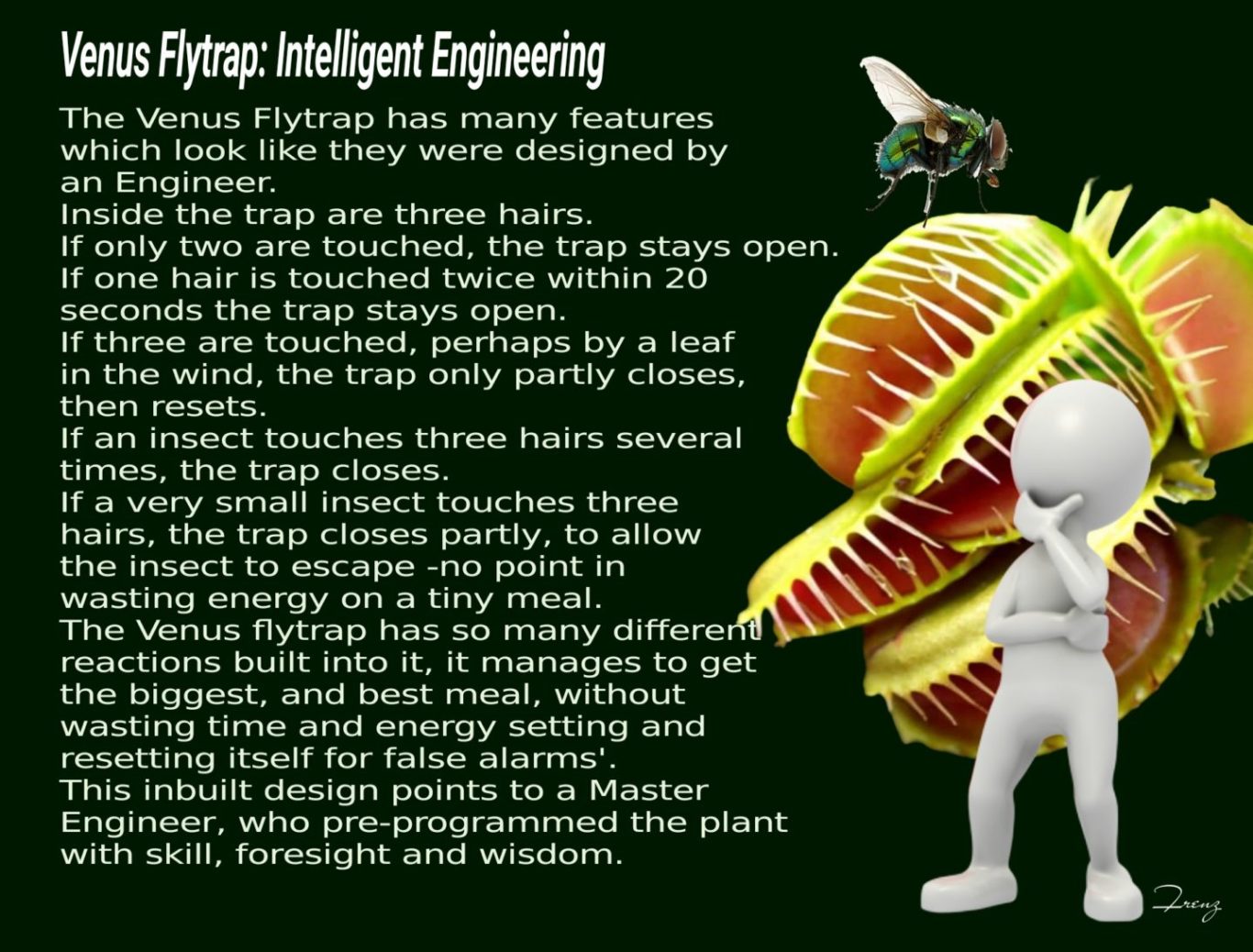
- The relationship between certain plants and their pollinators
If these systems require all their parts to function, it is difficult to imagine how they could have evolved gradually, with each part being added one at a time, since the incomplete system would not be functional and thus would not be favored by natural selection.
2. Scriptural Perspective: God as the Designer
The Bible teaches that God is the Creator of all life and that He made living things according to their kinds, fully formed and functional from the beginning:
Genesis 1:24-25 (ESV):
“And God said, ‘Let the earth bring forth living creatures according to their kinds…’ And it was so. And God made the beasts of the earth according to their kinds… And God saw that it was good.”
Psalm 104:24 (ESV):
“O LORD, how manifold are your works! In wisdom have you made them all; the earth is full of your creatures.”
Colossians 1:16-17 (ESV):
“For by him all things were created, in heaven and on earth, visible and invisible… and in him all things hold together.”
These verses affirm that God created life with wisdom and intentionality. The interdependent systems we see in living things are a reflection of His intelligent design, not the product of random, unguided processes.
3. The Limits of Naturalistic Explanations
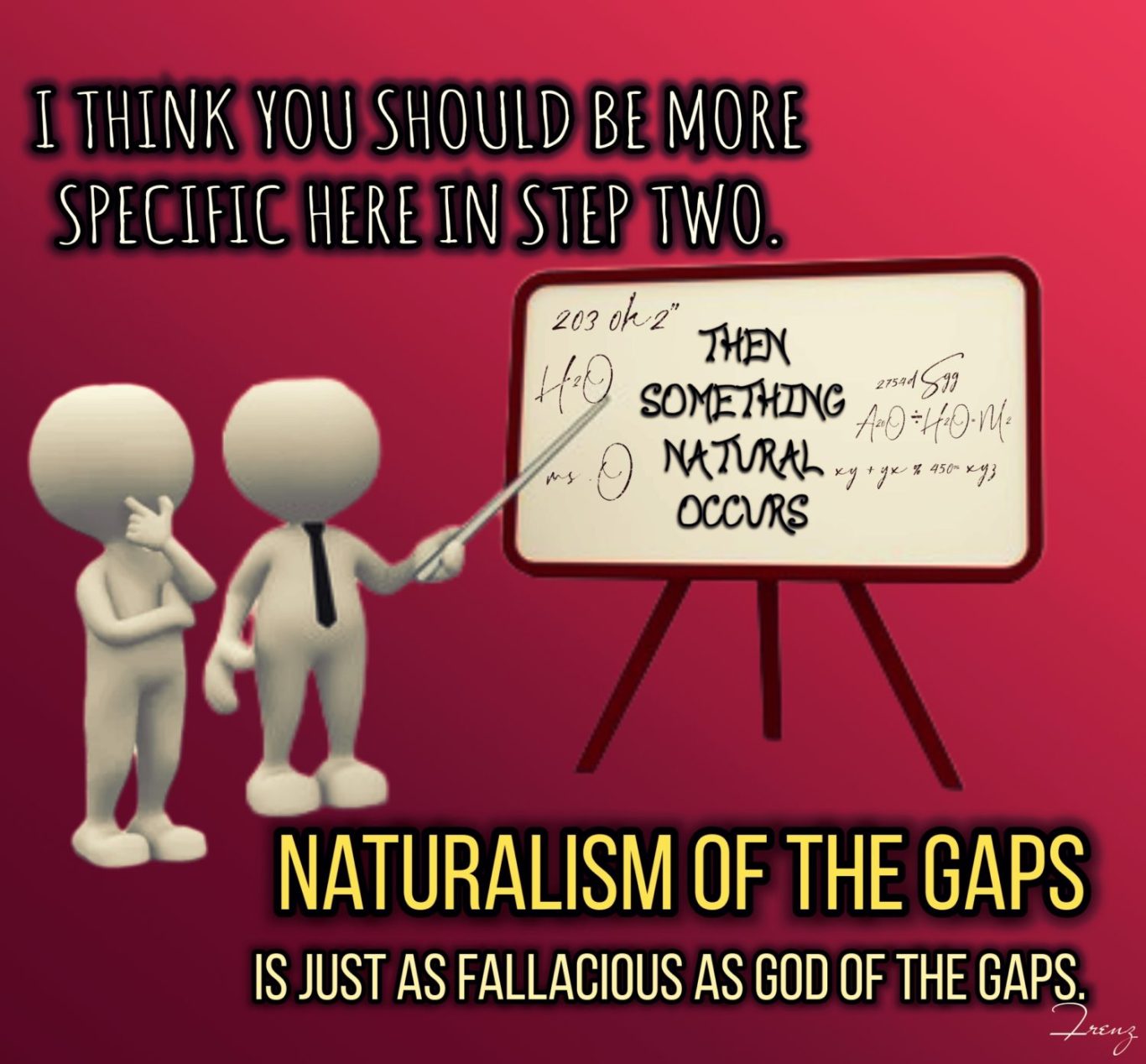
From a scientific standpoint, the question you raise highlights a significant challenge for macroevolutionary theory. If an organism requires a set of interdependent parts or services to survive, it is difficult to explain how it could have existed in a simpler, less integrated form. The Bible’s account provides a coherent answer: God created organisms with all necessary parts and relationships in place from the beginning.
4. Conclusion
The fact that multiple organisms now depend on services or systems that could not function independently points to the wisdom and intentionality of the Creator. As Psalm 104:24 says, “In wisdom have you made them all.” This supports the view that life was specially created, not assembled piece by piece through blind processes.
Scientific Perspective
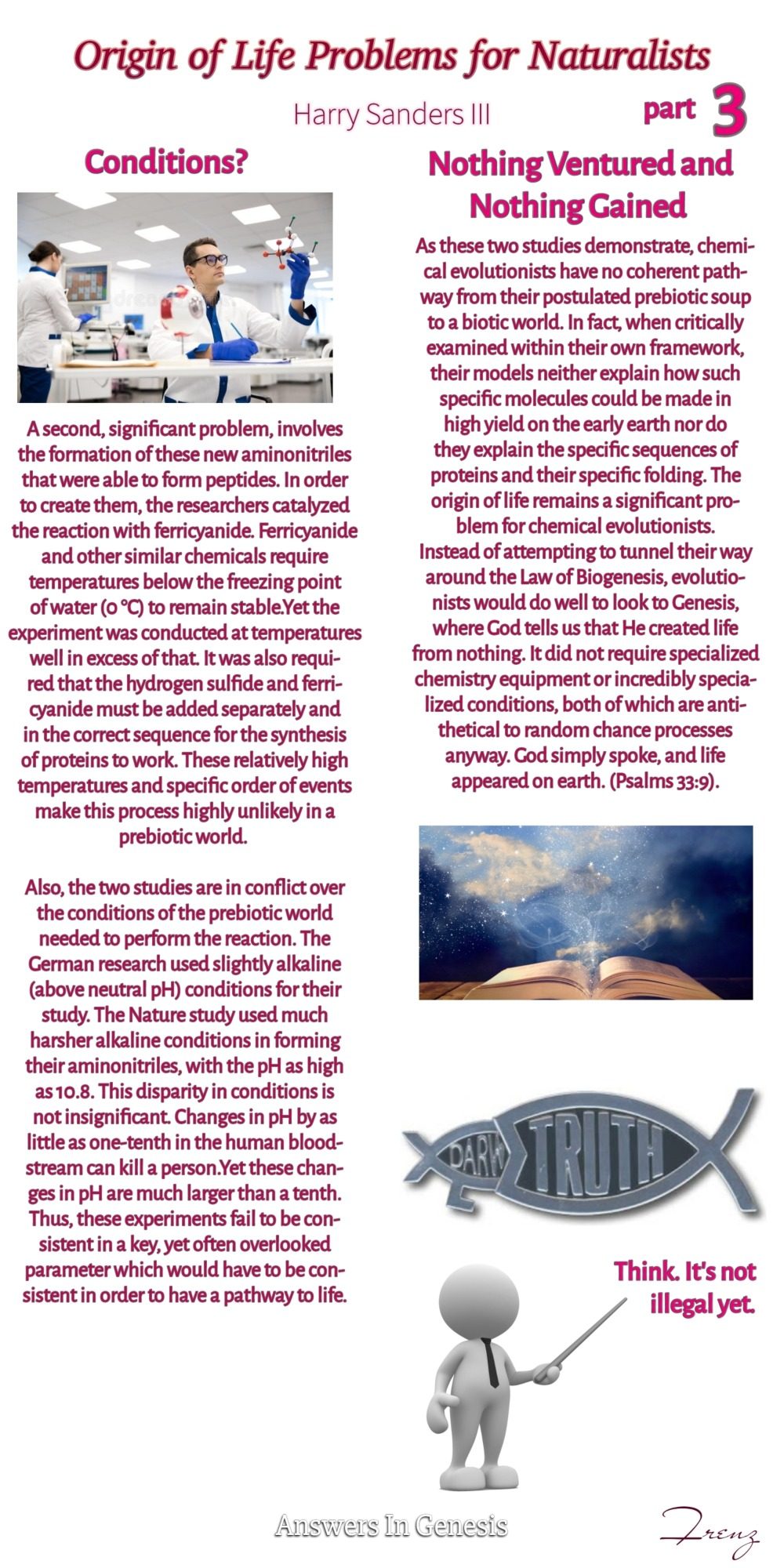
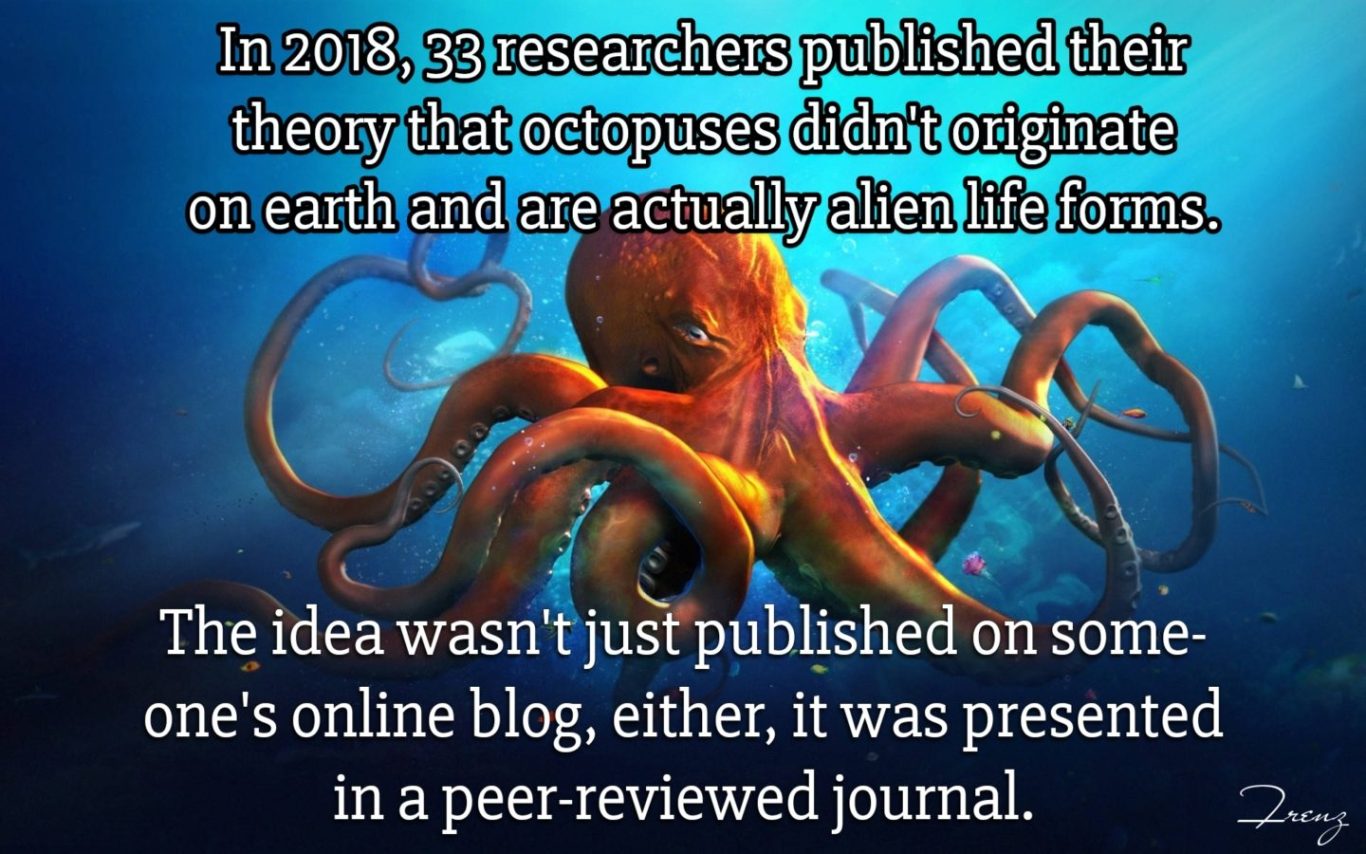
While it is true that a group of researchers published such a hypothesis in a peer-reviewed journal, it is important to understand that peer review does not mean scientific consensus. The vast majority of biologists and paleontologists do not accept the idea that octopuses are of alien origin. Instead, they see octopuses as remarkable creatures that evolved on Earth, albeit with unique features.
Biblical Perspective
From a biblical worldview, all life on Earth—including octopuses—was created by God. The Bible teaches that God is the Creator of all things, both seen and unseen:
- Genesis 1:21 (ESV):
“So God created the great sea creatures and every living creature that moves, with which the waters swarm, according to their kinds, and every winged bird according to its kind. And God saw that it was good.”
- Colossians 1:16 (ESV):
“For by him all things were created, in heaven and on earth, visible and invisible, whether thrones or dominions or rulers or authorities—all things were created through him and for him.”
- Psalm 104:24 (ESV):
“O Lord, how manifold are your works! In wisdom have you made them all; the earth is full of your creatures.”
Faith and Science
The Bible affirms that God is the source of all life, and scientific discoveries about the complexity and diversity of creatures like octopuses point to the wisdom and creativity of the Creator. While science can explore the mechanisms and history of life, the Bible provides the foundational truth that all living things ultimately owe their existence to God.
In summary:
- The theory that octopuses are of alien origin is not widely accepted in the scientific community.
- The Bible teaches that God created all sea creatures, including octopuses, on Earth.
- Scientific curiosity and discovery can inspire awe for the Creator, but should be tested against both evidence and biblical truth.

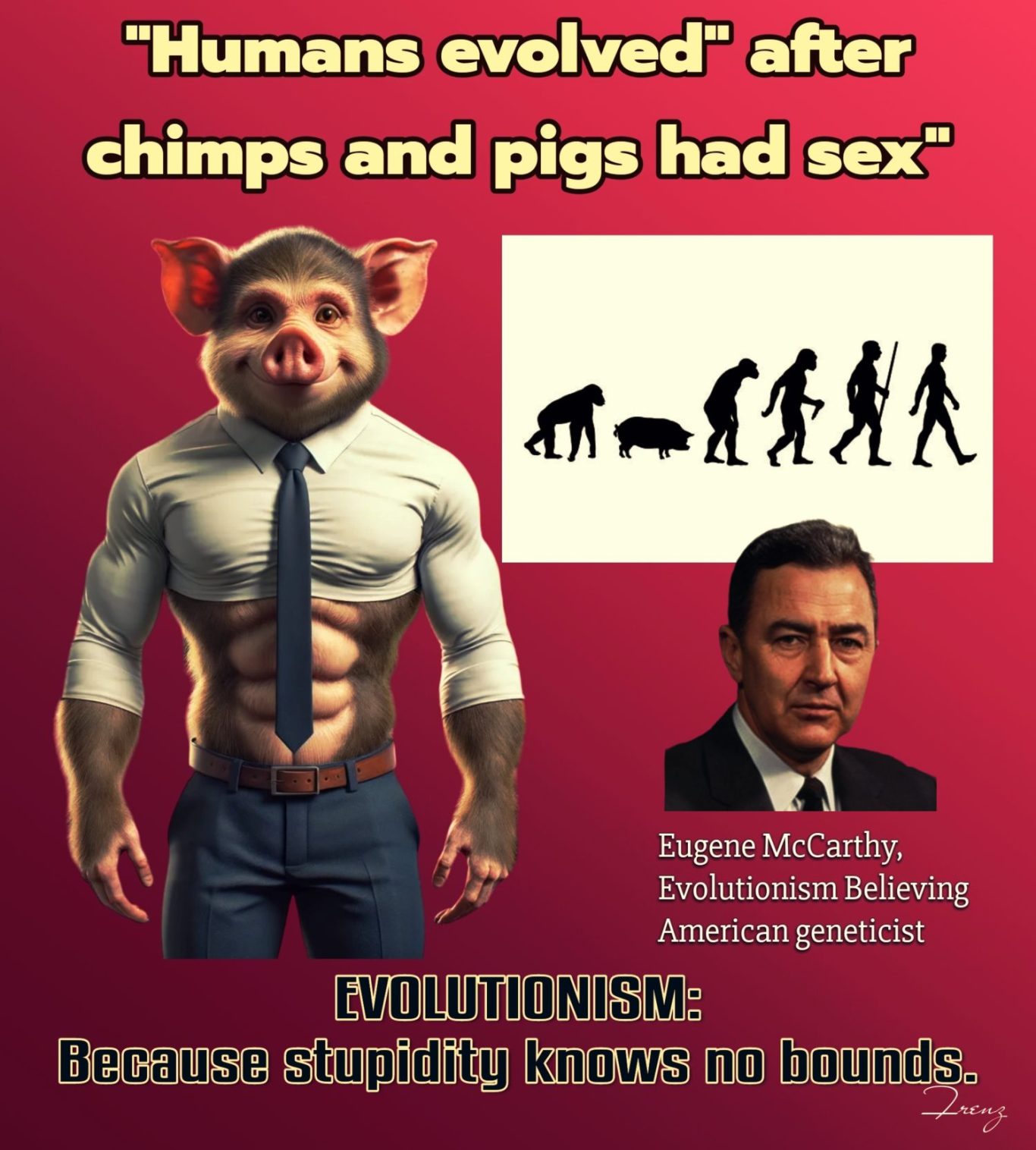
1. Scientific Perspective
- Mainstream Science:
The overwhelming consensus among scientists is that humans and chimpanzees share a common ancestor, not that humans are the result of hybridization between pigs and chimpanzees. There is no credible genetic or fossil evidence supporting the idea that humans are a hybrid of pigs and chimps. - Genetic Barriers:
Cross-species breeding between animals as genetically distant as pigs and chimpanzees is biologically impossible due to vast differences in chromosome numbers, reproductive biology, and genetic incompatibility. - Peer Review:
McCarthy’s hypothesis has not passed peer review or gained acceptance in the scientific community. It is considered speculative and unsupported by evidence.
2. Biblical Perspective
As an AI committed to a traditional Christian worldview, I must emphasize what the Bible teaches about human origins:
- Humans Are Special Creations:
The Bible teaches that God created human beings uniquely, in His image, and not as a product of animal hybridization or evolutionary processes involving other animals.
“So God created man in his own image, in the image of God he created him; male and female he created them.”
(Genesis 1:27, ESV)
- Distinct from Animals:
Humans are distinct from animals, both in nature and purpose. The Bible never suggests that humans are the result of cross-breeding between animal species. “Then the Lord God formed the man of dust from the ground and breathed into his nostrils the breath of life, and the man became a living creature.”
(Genesis 2:7, ESV) - All Humanity from Adam and Eve:
Scripture is clear that all humans descend from Adam and Eve, not from a mixture of animal species. “He made from one man every nation of mankind to live on all the face of the earth…”
(Acts 17:26, ESV)
3. Christian View of Science and Faith
- No Contradiction:
There is no contradiction between true science and the Bible. While science can help us understand the created world, it must be interpreted in light of God’s revealed truth. - Rejecting Macro-Evolution:
The traditional Christian view, supported by Scripture, is that God created all living things according to their kinds (Genesis 1:24–25), and that humans were specially created, not the product of macroevolution or interspecies hybridization.
Summary
The claim that humans are the result of a chimp-pig hybrid is not supported by science and is contradicted by the Bible. According to Scripture, humans are a unique creation of God, made in His image, and distinct from all animals (Genesis 1:27; Genesis 2:7; Acts 17:26). Christians are called to trust God’s Word as the ultimate authority on human origins.